Math Is Fun Forum
You are not logged in.
- Topics: Active | Unanswered
#426 Re: Jai Ganesh's Puzzles » Oral puzzles » 2025-10-15 13:52:02
Hi,
#6271.
#427 Re: Exercises » Compute the solution: » 2025-10-15 13:38:46
Hi,
2615.
#428 Re: This is Cool » Miscellany » 2025-10-14 23:31:40
2417) Locomotive
Gist
A locomotive is a rail vehicle that provides the motive power for a train, either by pulling or pushing it. Powered by sources like electricity or diesel, locomotives have machinery that transmits power to the driving wheels to move the train along the tracks.
A locomotive is a self-propelled, wheeled vehicle that provides the power for a train. It is typically a separate unit that pulls or pushes a train, though the power source can also be incorporated into a car. Modern locomotives are powered by diesel or electricity, which replaced steam as the most common source of power after World War II.
Summary
A locomotive is a rail vehicle that provides the motive power for a train. Traditionally, locomotives pulled trains from the front. However, push–pull operation has become common, and in the pursuit for longer and heavier freight trains, companies are increasingly using distributed power: single or multiple locomotives placed at the front and rear and at intermediate points throughout the train under the control of the leading locomotive.
Etymology
The word locomotive originates from the Latin loco 'from a place', ablative of locus 'place', and the Medieval Latin motivus 'causing motion', and is a shortened form of the term locomotive engine, which was first used in 1814 to distinguish between self-propelled and stationary steam engines.
Classifications
Prior to locomotives, the motive force for railways had been generated by various lower-technology methods such as human power, horse power, gravity or stationary engines that drove cable systems. Few such systems are still in existence today. Locomotives may generate their power from fuel (wood, coal, petroleum or natural gas), or they may take power from an outside source of electricity. It is common to classify locomotives by their source of energy.
Details
A locomotive is any of various self-propelled vehicles used for hauling railroad cars on tracks.
Although motive power for a train-set can be incorporated into a car that also has passenger, baggage, or freight accommodations, it most often is provided by a separate unit, the locomotive, which includes the machinery to generate (or, in the case of an electric locomotive, to convert) power and transmit it to the driving wheels. Today there are two main sources of power for a locomotive: oil (in the form of diesel fuel) and electricity. Steam, the earliest form of propulsion, was in almost universal use until about the time of World War II; since then it has been superseded by the more efficient diesel and electric traction.
The steam locomotive was a self-sufficient unit, carrying its own water supply for generating the steam and coal, oil, or wood for heating the boiler. The diesel locomotive also carries its own fuel supply, but the diesel-engine output cannot be coupled directly to the wheels; instead, a mechanical, electric, or hydraulic transmission must be used. The electric locomotive is not self-sufficient; it picks up current from an overhead wire or a third rail beside the running rails. Third-rail supply is employed only by urban rapid-transit railroads operating on low-voltage direct current.
In the 1950s and ’60s the gas turbine was adopted by one American railroad and some European ones as an alternative to the diesel engine. Although its advantages have been nullified by advances in diesel traction technology and increases in oil price, it is still proposed as an alternative means for installing high-speed rail service for regions where no infrastructure for electric power is in place.
Steam locomotives
The basic features that made George and Robert Stephenson’s Rocket of 1829 successful—its multitube boiler and its system of exhausting the steam and creating a draft in its firebox—continued to be used in the steam locomotive to the end of its career. The number of coupled drive wheels soon increased. The Rocket had only a single pair of driving wheels, but four coupled wheels soon became common, and eventually some locomotives were built with as many as 14 coupled drivers.
Steam-locomotive driving wheels were of various sizes, usually larger for the faster passenger engines. The average was about a 1,829–2,032-mm (72–80-inch) diameter for passenger engines and 1,372–1,676 mm (54–66 inches) for freight or mixed-traffic types.
Supplies of fuel (usually coal but sometimes oil) and water could be carried on the locomotive frame itself (in which case it was called a tank engine) or in a separate vehicle, the tender, coupled to the locomotive. The tender of a typical European main-line locomotive had a capacity of 9,000 kg (10 tons) of coal and 30,000 litres (8,000 gallons) of water. In North America, higher capacities were common.
To meet the special needs of heavy freight traffic in some countries, notably the United States, greater tractive effort was obtained by using two separate engine units under a common boiler. The front engine was articulated, or hinge-connected to the frame of the rear engine, so that the very large locomotive could negotiate curves. The articulated locomotive was originally a Swiss invention, with the first built in 1888. The largest ever built was the Union Pacific’s Big Boy, used in mountain freight service in the western United States. Big Boy weighed more than 600 short tons, including the tender. It could exert 61,400 kg (135,400 pounds) of tractive force and developed more than 6,000 horsepower at 112 km (70 miles) per hour.
One of the best-known articulated designs was the Beyer-Garratt, which had two frames, each having its own driving wheels and cylinders, surmounted by water tanks. Separating the two chassis was another frame carrying the boiler, cab, and fuel supply. This type of locomotive was valuable on lightly laid track; it could also negotiate sharp curves. It was widely used in Africa.
Various refinements gradually improved the reciprocating steam locomotive. Some included higher boiler pressures (up to 2,000–2,060 kilopascals [290–300 pounds per square inch] for some of the last locomotives, compared with about 1,300 kilopascals [200 pounds per square inch] for earlier designs), superheating, feed-water preheating, roller bearings, and the use of poppet (perpendicular) valves rather than sliding piston valves.
Still, the thermal efficiency of even the ultimate steam locomotives seldom exceeded about 6 percent. Incomplete combustion and heat losses from the firebox, boiler, cylinders, and elsewhere dissipated most of the energy of the fuel burned. For this reason the steam locomotive became obsolete, but only slowly, because it had compensating advantages, notably its simplicity and ability to withstand abuse.
Electric traction
Efforts to propel railroad vehicles using batteries date from 1835, but the first successful application of electric traction was in 1879, when an electric locomotive ran at an exhibition in Berlin. The first commercial applications of electric traction were for suburban or metropolitan railroads. One of the earliest came in 1895, when the Baltimore and Ohio electrified a stretch of track in Baltimore to avoid smoke and noise problems in a tunnel. One of the first countries to use electric traction for main-line operations was Italy, where a system was inaugurated as early as 1902.
By World War I a number of electrified lines were operating both in Europe and in the United States. Major electrification programs were undertaken after that war in such countries as Sweden, Switzerland, Norway, Germany, and Austria. By the end of the 1920s nearly every European country had at least a small percentage of electrified track. Electric traction also was introduced in Australia (1919), New Zealand (1923), India (1925), Indonesia (1925), and South Africa (1926). A number of metropolitan terminals and suburban services were electrified between 1900 and 1938 in the United States, and there were a few main-line electrifications. The advent of the diesel locomotive inhibited further trunk route electrification in the United States after 1938, but following World War II such electrification was rapidly extended elsewhere. Today a significant percentage of the standard-gauge track in national railroads around the world is electrified—for example, in Japan (100 percent), Switzerland (92 percent), Belgium (91 percent), the Netherlands (76 percent), Spain (76 percent), Italy (68 percent), Sweden (65 percent), Austria (65 percent), Norway (62 percent), South Korea (55 percent), France (52 percent), Germany (48 percent), China (42 percent), and the United Kingdom (32 percent). By contrast, in the United States, which has some 225,000 km (140,000 miles) of standard-gauge track, electrified routes hardly exist outside the Northeast Corridor, where Amtrak runs the 720-km (450-mile) Acela Express between Boston and Washington, D.C.
The century’s second half also was marked by the creation in cities worldwide of many new electrified urban rapid-transit rail systems, as well as extension of existing systems.
Advantages and disadvantages
Electric traction is generally considered the most economical and efficient means of operating a railroad, provided that cheap electricity is available and that the traffic density justifies the heavy capital cost. Being simply power-converting, rather than power-generating, devices, electric locomotives have several advantages. They can draw on the resources of the central power plant to develop power greatly in excess of their nominal ratings to start a heavy train or to surmount a steep grade at high speed. A typical modern electric locomotive rated at 6,000 horsepower has been observed to develop as much as 10,000 horsepower for a short period under these conditions. Moreover, electric locomotives are quieter in operation than other types and produce no smoke or fumes. Electric locomotives require little time in the shop for maintenance, their maintenance costs are low, and they have a longer life than diesels.
The greatest drawbacks to electrified operation are the high capital investment and maintenance cost of the fixed plant—the traction current wires and structures and power substations—and the costly changes that are usually required in signaling systems to immunize their circuitry against interference from the high traction-current voltages and to adapt their performance to the superior acceleration and sustained speeds obtainable from electric traction.
Types of traction systems
Electric-traction systems can be broadly divided into those using alternating current and those using direct current. With direct current, the most popular line voltages for overhead wire supply systems have been 1,500 and 3,000. Third-rail systems are predominantly in the 600–750-volt range. The disadvantages of direct current are that expensive substations are required at frequent intervals and the overhead wire or third rail must be relatively large and heavy. The low-voltage, series-wound, direct-current motor is well suited to railroad traction, being simple to construct and easy to control. Until the late 20th century it was universally employed in electric and diesel-electric traction units.
The potential advantages of using alternating instead of direct current prompted early experiments and applications of this system. With alternating current, especially with relatively high overhead-wire voltages (10,000 volts or above), fewer substations are required, and the lighter overhead current supply wire that can be used correspondingly reduces the weight of structures needed to support it, to the further benefit of capital costs of electrification. In the early decades of high-voltage alternating current electrification, available alternating-current motors were not suitable for operation with alternating current of the standard commercial or industrial frequencies (50 hertz [cycles per second] in Europe; 60 hertz in the United States and parts of Japan). It was necessary to use a lower frequency (16 2/3 hertz is common in Europe; 25 hertz in the United States); this in turn required either special railroad power plants to generate alternating current at the required frequency or frequency-conversion equipment to change the available commercial frequency into the railroad frequency.
Nevertheless, alternating-current supply systems at 16 2/3 hertz became the standard on several European railroads, such as Austria, Germany, and Switzerland, where electrification began before World War II. Several main-line electrifications in the eastern United States were built using 25-hertz alternating current, which survives in the Northeast Corridor operated by Amtrak.
Interest in using commercial-frequency alternating current in the overhead wire continued, however; and in 1933 experiments were carried out in both Hungary and Germany. The German State Railways electrified its Höllenthal branch at 20,000 volts, 50 hertz.
In 1945 Louis Armand, former president of the French railroads, went ahead with further development of this system and converted a line between Aix-Les-Bains and La Roche-sur-Foron for the first practical experiments. This was so successful that the 25,000-volt, 50- or 60-hertz system has become virtually the standard for new main-line electrification systems.
With commercial-frequency, alternating-current systems, there are two practical ways of taking power to the locomotive driving wheels: (1) by a rotary converter or static rectifier on the locomotive to convert the alternating-current supply into direct current at low voltage to drive standard direct-current traction motors and (2) by a converter system to produce variable-frequency current to drive alternating-current motors. The first method, using nonmechanical rectifiers, was standard practice until the end of the 1970s.
The power-to-weight ratios obtainable with electric traction units had been greatly increased by the end of World War II. Reduction in the bulk of on-board electric apparatus and motors, coupled in the latter with a simultaneous rise in attainable power output, enabled Swiss production for the Bern-Lötschberg-Simplon Railway in 1944 of a 4,000-horsepower locomotive weighing only 80,000 kg (176,370 pounds). Its four axles were all motored. There was no longer need of nonmotorized axles to keep weight on each wheel-set within limits acceptable by the track.
By 1960 the electric industry was producing transformer and rectifier packages slim enough to fit under the frames of a motored urban rapid-transit car, thereby making almost its entire body available for passenger seating. This helped to accelerate and expand the industrialized world’s electrification of metropolitan railway networks for operation by self-powered train-sets (i.e., with some or all vehicles motored). A virtue of the self-powered train-set principle is its easy adaptation to peaks of traffic demand. When two or more sets are coupled, the additional sets have the extra needed traction power. With both electric and diesel traction it is simple to interconnect electrically the power and braking controls of all the train-sets so that the train they form can be driven from a single cab. Because of this facility such train-sets are widely known as multiple-units. Modern multiple-units are increasingly fitted with automatic couplers that combine a draft function with connection of all power, braking, and other control circuits between two train-sets; this is achieved by automatic engagement, when couplers interlock, of a nest of electric contacts built into each coupler head.
From about 1960 major advances in electric traction accrued from the application of electronics. Particularly significant was the perfection of the semiconductor thyristor, or “chopper,” control of current supply to motors. The thyristor—a rapid-action, high-power switch with which the “on” and “off” periods of each cycle can be fractionally varied—achieved smoothly graduated application of voltage to traction motors. Besides eliminating wear-prone parts and greatly improving an electric traction unit’s adhesion, thyristor control also reduced current consumption.
Three-phase alternating-current motor traction became practicable in the 1980s. With electronics it was possible to compress to manageable weight and size the complex equipment needed to transmute the overhead wire or third-rail current to a supply of variable voltage and frequency suitable for feeding to three-phase alternating-current motors. For railroad traction the alternating-current motor is preferable to a direct-current machine on several counts. It is an induction motor with a squirrel-cage rotor (that is, solid conductors in the slots are shorted together by end rings), and it has no commutators or brushes and no mechanically contacting parts except bearings, so that it is much simpler to maintain and more reliable. It is more compact than a direct motor, so more power is obtainable for a specified motor size and weight; the 6,000-kg (14,000-pound) alternating-current motor in each truck of a modern French National Railways electric locomotive delivers a continuous 3,750 horsepower.
The torque of an alternating-current motor increases with speed, whereas that of a direct-current motor is initially high and falls with rising speed; consequently, the alternating-current motor offers superior adhesion for acceleration of heavy trainloads. Finally, the alternating-current motor is more easily switched into a generating mode to act as a dynamic (rheostatic) or regenerative vehicle brake. (In dynamic braking the current generated to oppose the train’s momentum is dissipated through on-board resistances. In regenerative braking, adopted on mountain or intensively operated urban lines where the surplus current can be readily taken up by other trains, it is fed back into the overhead wire or third rail.) The drawbacks of three-phase alternating-current traction are the intricacy of the on-board electrical equipment needed to convert the current supply before it reaches the motors and its higher capital cost by comparison with direct-current motor systems.
A separate traction motor normally serves each axle via a suitably geared drive. For simplicity of final drive it was for many years standard practice to mount the traction motors on a locomotive’s axles. As train speeds rose, it became increasingly important to limit the impact on the track of unsprung masses. Now motors are either suspended within a locomotive’s trucks or, in the case of some high-speed units, suspended from the locomotive’s body and linked to the axles’ final drive gearboxes by flexible drive shafts.
The direct-current motor’s torque:speed characteristics make a locomotive designed for fast passenger trains, whether electric or diesel-electric, generally unsuitable for freight train work. The heavier loads of the latter require different gearing of the final drives—which will reduce maximum speed—and possibly an increase in the number of motored axles, for increased adhesion. But considerable mixed-traffic haulage capability is obtainable with three-phase alternating-current motors because of their superior adhesion characteristics.
Direct-current motor technology was employed in Japan’s first Shinkansen and France’s first Paris-Lyon TGV trains, but by the early 1990s three-phase alternating-current traction had been adopted for both Japanese and European very-high-speed train-sets—and by extension the systems around the world that have been derived from them. In Europe, international train operation without a locomotive change at frontiers is complicated by the railways’ historic adoption of different electrification systems, either 1,500 or 3,000 volts direct current or 25,000 volts 50 hertz or 15,000 volts 16 2/3 hertz alternating current. For instance, TGV-type trains could not operatie at full efficiency between London, Paris, and Brussels on the Eurostar line via the Channel Tunnel as long as they had to accommodate French 25,000-volt alternating-current overhead wire, Belgian 3,000-volt direct-current overhead wire, and British 750-volt third-rail supply. The French had perfected traction units capable of operating on more than one voltage system soon after they decided to adopt 25,000-volt alternating-current electrification in areas not wired at their previous 1,500-volt direct current. Nevertheless, where very-high-speed traction was concerned, it was impossible to contain within acceptable locomotive weight limits the equipment needed for equivalent high-power output under each system. Only after all the new high-speed lines were electrified on high-voltage alternating current was a true high-speed service available on the Eurostar line.
Since about 1980 the performance and economy of both electric and diesel traction units have been considerably advanced by the interposition between driving controls and vital components of microprocessors, which ensure that the components respond with maximum efficiency and that they are not inadvertently overtaxed. Another product of the application of electronics to controls is that in the modern electric locomotive the engine operator can set the train speed he wishes to reach or maintain, and the traction equipment will automatically apply or vary the appropriate power to the motors, taking account of train weight and track gradient. The microprocessors also serve a diagnostic function, continuously monitoring the state of the systems they control for signs of incipient or actual fault. The microprocessors are linked to a main on-board computer that instantly reports the nature and location of an actual or potential malfunction to a visual display in the driving cab, generally with advice for the cab crew on how it might be rectified or its effects temporarily mitigated. The cab display also indicates the effectiveness of the countermeasures taken. The computer automatically stores such data, either for downloading to maintenance staff at the journey’s end or, on a railroad equipped with train-to-ground-installation radio, for immediate transmission to a maintenance establishment so that preparations for repair of a fault are in place as soon as the traction unit ends its run. In newer very-high-speed, fixed-formation train-sets, a through-train fibre-optics transmission system concentrates data from the microprocessor controls—both those of passenger car systems, such as air-conditioning and power-operated entrance doors, and those of the rear locomotive or, in the Japanese Shinkansen train-sets, the traction equipment dispersed among a proportion of its cars.
Diesel traction
By the end of the 1960s, diesel had almost completely superseded steam as the standard railroad motive power on nonelectrified lines around the world. The change came first and most quickly in North America, where, during the 25 years 1935–60 (and especially in the period 1951–60), railroads in the United States completely replaced their steam locomotives.
What caused the diesel to supersede the steam locomotive so rapidly was the pressure of competition from other modes of transport and the continuing rise in wage costs, which forced the railroads to improve their services and adopt every possible measure to increase operating efficiency. Compared with steam, the diesel traction unit had a number of major advantages:
1. It could operate for long periods with no lost time for maintenance; thus, in North America the diesel could operate through on a run of 3,200 km (2,000 miles) or more and then, after servicing, start the return trip. Steam locomotives required extensive servicing after only a few hours’ operation.
2. It used less fuel energy than a steam locomotive, for its thermal efficiency was about four times as great.
3. It could accelerate a train more rapidly and operate at higher sustained speeds with less damage to the track.
In addition, the diesel was superior to the steam locomotive because of its smoother acceleration, greater cleanliness, standardized repair parts, and operating flexibility (a number of diesel units could be combined and run by one operator under multiple-unit control).
The diesel-electric locomotive is, essentially, an electric locomotive that carries its own power plant. Its use, therefore, brings to a railroad some of the advantages of electrification, but without the capital cost of the power distribution and feed-wire system. As compared with an electric locomotive, however, the diesel-electric has an important drawback: since its output is essentially limited to that of its diesel engine, it can develop less horsepower per locomotive unit. Because high horsepower is required for high-speed operation, the diesel is, therefore, less desirable than the electric for high-speed passenger services and very fast freight operations.
Diesel development
Experiments with diesel-engine locomotives and railcars began almost as soon as the diesel engine was patented by the German engineer Rudolf Diesel in 1892. Attempts at building practical locomotives and railcars (for branch-line passenger runs) continued through the 1920s. The first successful diesel switch engine went into service in 1925; “road” locomotives were delivered to the Canadian National and New York Central railroads in 1928. The first really striking results with diesel traction were obtained in Germany in 1933. There, the Fliegende Hamburger, a two-car, streamlined, diesel-electric train, with two 400-horsepower engines, began running between Berlin and Hamburg on a schedule that averaged 124 km (77 miles) per hour. By 1939 most of Germany’s principal cities were interconnected by trains of this kind, scheduled to run at average speeds up to 134.1 km (83.3 miles) per hour between stops.
The next step was to build a separate diesel-electric locomotive unit that could haul any train. In 1935 one such unit was delivered to the Baltimore and Ohio and two to the Santa Fe Railway Company. These were passenger units; the first road freight locomotive, a four-unit, 5,400-horsepower Electro-Motive Division, General Motors Corporation demonstrator, was not built until 1939.
By the end of World War II, the diesel locomotive had become a proven, standardized type of motive power, and it rapidly began to supersede the steam locomotive in North America. In the United States a fleet of 27,000 diesel locomotives proved fully capable of performing more transportation work than the 40,000 steam locomotives they replaced.
After World War II, the use of diesel traction greatly increased throughout the world, though the pace of conversion was generally slower than in the United States.
Elements of the diesel locomotive
Although the diesel engine has been vastly improved in power and performance, the basic principles remain the same: drawing air into the cylinder, compressing it so that its temperature is raised, and then injecting a small quantity of oil into the cylinder. The oil ignites without a spark because of the high temperature. The diesel engine may operate on the two-stroke or four-stroke cycle. Rated operating speeds vary from 350 to 2,000 revolutions per minute, and rated output may be from 10 to 4,000 horsepower. Railroads in the United States use engines in the 1,000-revolutions-per-minute range; in Europe and elsewhere, some manufacturers have favoured more compact engines of 1,500–2,000 revolutions per minute.
Most yard-switching and short-haul locomotives are equipped with diesel engines ranging from 600 to 1,800 horsepower; road units commonly have engines ranging from 2,000 to 4,000 horsepower. Most builders use V-type engines, although in-line types are used on smaller locomotives and for underfloor fitment on railcars and multiple-unit train-sets.
The most commonly employed method of power transmission is electric, to convert the mechanical energy produced by the diesel engine to current for electric traction motors. Through most of the 20th century the universal method was to couple the diesel engine to a direct-current generator, from which, through appropriate controls, the current was fed to the motors. Beginning in the 1970s, the availability of compact semiconductor rectifiers enabled replacement of the direct-current generator by an alternator, which is able to produce more power and is less costly to maintain than an equivalent direct-current machine. For supply of series-wound direct-current traction motors, static rectifiers converted the three-phase alternating-current output of the alternator to direct current. Then in the 1980s European manufacturers began to adopt the three-phase alternating-current motor for diesel-electric traction units seeking advantages similar to those obtainable from this technology in electric traction. This requires the direct-current output from the rectifier to be transmuted by a thyristor-controlled inverter into a three-phase variable voltage and frequency supply for the alternating-current motors.
On some railroads with lightly laid track, generally those with narrow rail gauge, locomotives may still need nonmotored as well as motored axles for acceptable weight and bulk distribution. But the great majority of diesel-electric locomotives now have all axles powered.
Other types of transmissions also are used in diesel locomotives. The hydraulic transmission, which first became quite popular in Germany, is often favoured for diesel railcars and multiple-unit train-sets. It employs a centrifugal pump or impeller driving a turbine in a chamber filled with oil or a similar fluid. The pump, driven by the diesel engine, converts the engine power to kinetic energy in the oil impinging on the turbine blades. The faster the blades move, the less the relative impinging speed of the oil and the faster the locomotive moves.
Mechanical transmission is the simplest type; it is mainly used in very low-power switching locomotives and in low-power diesel railcars. Basically it is a clutch and gearbox similar to those used in automobiles. A hydraulic coupling, in some cases, is used in place of a friction clutch.
Types of diesel motive power
There are three broad classes of railroad equipment that use diesel engines as prime movers:
1. The light passenger railcar or rail bus (up to 200 horsepower), which usually is four-wheeled and has mechanical transmission. It may be designed to haul a light trailer car. Use of such vehicles is very limited.
2. The four-axle passenger railcar (up to 750 horsepower), which can be operated independently, haul a nonpowered trailer, or be formed into a semipermanent train-set such as a multiple-unit with all or a proportion of the cars powered. In the powered cars the diesel engine and all associated traction equipment, including fuel tanks, are capable of fitting under the floor to free space above the frames for passenger seating. Transmission is either electric or hydraulic. Modern railcars and railcar train-sets are mostly equipped for multiple-unit train operation, with driving control from a single cab.
3. Locomotives (10 to 4,000 horsepower), which may have mechanical transmission if very low-powered or hydraulic transmission for outputs of up to about 2,000 horsepower but in most cases have electric transmission, the choice depending on power output and purpose.
A substantial increase of diesel engine power-to-weight ratios and the application of electronics to component control and diagnostic systems brought significant advances in the efficiency of diesel locomotives in the last quarter of the 20th century. In 1990 a diesel engine with a continuous rating of 3,500 horsepower was available at almost half the weight of a similar model in 1970. At the same time, the fuel efficiency of diesel engines was significantly improved.
Electronics have made a particularly important contribution to the load-hauling capability of diesel-electric locomotives in road freight work, by improving adhesion at starting or in grade-climbing. A locomotive accelerating from rest can develop from 33 to 50 percent more tractive force if its powered wheels are allowed to “creep” into a very slight, steady, and finely controlled slip. In a typical “creep control” system, Doppler radar mounted under the locomotive precisely measures true ground speed, against which microprocessors calculate the ideal creep speed limit in the prevailing track conditions and automatically regulate current supply to the traction motors. The process is continuous, so that current levels are immediately adjusted to match a change in track parameters. In the 1960s, North Americans considered that a diesel-electric locomotive of 3,000–3,600 horsepower or more must have six motored axles for effective adhesion: two railroads had acquired a small number of eight-motored-axle locomotives, each powered by two diesel engines, with outputs of 5,000–6,600 horsepower. Since the mid-1980s four-axle locomotives of up to 4,000 horsepower have become feasible and are widely employed in fast freight service (though for heavy freight duty six-axle locomotives were still preferred). But today a 4,000-horsepower rating is obtainable from a 16-cylinder diesel engine, whereas in the 1960s a 3,600-horsepower output demanded a 20-cylinder engine. This, coupled with the reduction in the number of locomotives required to haul a given tonnage due to improved adhesion, has been a key factor in decreasing locomotive maintenance costs.
Outside North America, widespread electrification all but ended production of diesel locomotives purpose-built for passenger train haulage in the 1960s. The last development for high-speed diesel service was on British Railways, which, for its nonelectrified trunk routes, mass-produced a semipermanent train-set, the InterCity 125, that had a 2,250-horsepower locomotive at each end of seven or eight intermediate cars. In 1987 one of these sets established a world speed record for diesel traction of 238 km (148 miles) per hour. Some InterCity 125 sets are expected to remain in service under various other designations until well into the 21st century. In North America, Amtrak in the United States and VIA in Canada, as well as some urban mass-transit authorities, still operate diesel locomotives exclusively on passenger trains. Elsewhere road haul diesel locomotives are designed either for exclusive freight haulage or for mixed passenger and freight work.
Traction operating methods
Multiple-unit connection and operation of locomotives, to adjust power to load and track gradient requirements, is standard practice in North America and is common elsewhere. Where considerable gradients occur or freight trains are unusually long and heavy, concentration of locomotives at a train’s head can strain couplings and undesirably delay transmission of full braking power to the train’s rearmost cars. In such conditions several railroads, principally in North America, employ crewless “slave” locomotives that are inserted partway down the train. Radio signals transmitted from the train’s leading locomotive cause the slave locomotive’s controls to respond automatically and correspondingly to all operations of the controls. A world record for freight train weight and length was set in August 1989 on South Africa’s electrified, 830-km (516-mile), 1,065-mm (3-foot 6-inch) gauge Sishen-Saldanha ore line. In the course of research into the feasibility of increasing the line’s regular trainloads, a 660-car train grossing 71,600 tons and 7.2 km (4.47 miles) long was run from end to end of the route. Power was furnished by five 5,025-horsepower electric locomotives at the front, four more inserted after the 470th freight car, and at the rear, to avoid overtaxing the traction current supply system, seven 2,900-horsepower diesel locomotives.
After World War II easy directional reversibility of passenger train-sets became increasingly important for intensively operated short- and medium-haul services, to reduce terminal turnround times and minimize the number of train-sets needed to provide the service. The most popular medium has been the self-powered railcar or multiple-unit train-set, with a driving cab at each end, so that reversal requires only that the crew change cabs. An alternative, known as push-pull, has a normal locomotive at one end and, at the other, a nonpowered passenger or baggage car, known as the driving or control trailer, with a driving cab at its extremity. In one direction the locomotive pulls the train; in the other, unmanned, it propels the train, driven via through-train wiring from the control trailer’s cab. A potential operating advantage of push-pull as opposed to use of self-powered train-sets on a railroad running both passenger and freight trains is that at night, when passenger operation has ceased, the locomotives can be detached for freight haulage.
Turbine propulsion
In the 1950s gas-turbine instead of diesel propulsion was tried for a few locomotives in the United States and Britain, but the results did not justify continuing development. There was a longer but very limited career in rail use for the compact and lightweight gas turbines developed for helicopters that became available in the 1960s. Their power-to-weight ratio, superior to that of contemporary diesel engines, made them preferable for lightweight, high-speed train-sets. They were applied to Canadian-built train-sets placed in service in 1968 between Montreal and Toronto and in 1969 between New York City and Boston, but these were short-lived because of equipment troubles, operating noise, and the cost of fuel. The technology has not been entirely abandoned, however. At the end of the 20th and beginning of the 21st centuries, the Bombardier company of Canada presented its gas-turbine JetTrain locomotive as an alternative to electric traction for new North American high-speed systems.
Several attempts have been made to adapt the steam turbine to railroad traction. One of the first such experiments was a Swedish locomotive built in 1921. Other prototypes followed in Europe and the United States. They all functioned, but they made their appearance too late to compete against the diesel and electrification.

#429 Dark Discussions at Cafe Infinity » Club Quotes - II » 2025-10-14 21:56:11
- Jai Ganesh
- Replies: 0
Club Quotes - II
1. I can remember getting rejected systematically by casting directors as a young kid. I felt like the biggest outsider there ever was; that I'd never belong in that club. - Leonardo DiCaprio
2. I have heard good things about Somerset from Azhar Ali, and I want to play a part in the Club winning matches. - Babar Azam
3. I've never been much of a computer guy at least in terms of playing with computers. Actually until I was about 11 I didn't use a computer for preparing for games at all. I was playing a bit online, was using the chess club mainly. Now, obviously, the computer is an important tool for me preparing for my games. - Magnus Carlsen
4. I'm proud to play for Real Madrid because I have fun; when you no longer have fun it's a sign that it's time to leave. For now though, I'm happy here at the greatest club in the world. - Cristiano Ronaldo
5. A perfectly straight shot with a big club is a fluke. - Jack Nicklaus
6. It's time to stop thinking of the Republican Party as an exclusive club where your ideological card is checked at the door, and start thinking about how we can attract more solution-based leaders like Nathan Fletcher and Anthony Adams. - Arnold Schwarzenegger
7. When I was 7, I started playing with a club. The only grass on the field was in the corner. There was no grass in the middle! It was just sand. - Ronaldinho
8. Every once in a while, we'd ask my dad if we could get a ride in one of these planes. And, he did take us to the flying club and get us a ride in the Pushpak and a glider that the flying club had. - Kalpana Chawla.
#430 Jokes » Autumn Jokes - II » 2025-10-14 21:19:48
- Jai Ganesh
- Replies: 0
Q: What falls in autumn?
A: Leaves!
* * *
Q: What is the cutest season?
A: Awwtumn.
* * *
Q: What's the ratio of a pumpkin's circumference to its diameter?
A: Pumpkin Pi.
* * *
Q: What do you call a large colorful pile of leaves?
A: The Great Barrier Leaf.
* * *
Q: Did you hear about the tree that had to take time off of work in autumn?
A: It was on paid leaf.
* * *
#431 Re: Jai Ganesh's Puzzles » Oral puzzles » 2025-10-14 20:38:27
Hi,
#6270.
#432 Re: Jai Ganesh's Puzzles » 10 second questions » 2025-10-14 20:24:07
Hi,
#9764.
#433 Re: Exercises » Compute the solution: » 2025-10-14 20:05:10
Hi,
2614.
#434 Science HQ » Nobelium » 2025-10-13 18:21:57
- Jai Ganesh
- Replies: 0
Nobelium
Gist
Nobelium (No) is a synthetic, radioactive chemical element with atomic number 102, named after Alfred Nobel. It is a transuranic element in the actinide series and has no uses beyond scientific research due to its high instability and short half-life. Nobelium is produced in laboratories through nuclear reactions, such as the bombardment of californium with carbon-12 ions.
Nobelium has no practical applications outside of fundamental scientific research due to its extreme instability and the minuscule quantities in which it can be produced. Scientists use it to study the properties of super-heavy elements, test the limits of the periodic table, and validate theoretical models of atomic structure and the actinide series.
Summary
Nobelium is a synthetic chemical element; it has symbol No and atomic number 102. It is named after Alfred Nobel, the inventor of dynamite and benefactor of science. A radioactive metal, it is the tenth transuranium element, the second transfermium, and is the fourteenth member of the actinide series. Like all elements with atomic number over 100, nobelium can only be produced in particle accelerators by bombarding lighter elements with charged particles. A total of twelve nobelium isotopes are known to exist; the most stable is 259No with a half-life of 58 minutes, but the shorter-lived 255No (half-life 3.1 minutes) is most commonly used in chemistry because it can be produced on a larger scale.
Chemistry experiments have confirmed that nobelium behaves as a heavier homolog to ytterbium in the periodic table. The chemical properties of nobelium are not completely known: they are mostly only known in aqueous solution. Before nobelium's discovery, it was predicted that it would show a stable +2 oxidation state as well as the +3 state characteristic of the other actinides; these predictions were later confirmed, as the +2 state is much more stable than the +3 state in aqueous solution and it is difficult to keep nobelium in the +3 state.
In the 1950s and 1960s, many claims of the discovery of nobelium were made from laboratories in Sweden, the Soviet Union, and the United States. Although the Swedish scientists soon retracted their claims, the priority of the discovery and therefore the naming of the element was disputed between Soviet and American scientists. It was not until 1992 that the International Union of Pure and Applied Chemistry (IUPAC) credited the Soviet team with the discovery. Even so, nobelium, the Swedish proposal, was retained as the name of the element due to its long-standing use in the literature.
Details
Nobelium (No) is a synthetic chemical element of the actinoid series of the periodic table, atomic number 102. The element was named after Swedish chemist Alfred Nobel.
Not occurring in nature, nobelium was first claimed by an international team of scientists working at the Nobel Institute of Physics in Stockholm in 1957. They reported synthesis of an isotope of element 102 (either isotope 253 or 255) that decayed by emitting alpha particles with a half-life of about 10 minutes. They named it nobelium. In 1958 American chemists Albert Ghiorso, T. Sikkeland, J.R. Walton, and Glenn T. Seaborg at the University of California, Berkeley, reported the isotope 254 as a product of the bombardment of curium (atomic number 96) with carbon ions (atomic number 6) in a heavy-ion linear accelerator. In the same year, a Soviet scientific team led by Georgy Flerov at the Joint Institute for Nuclear Research in Dubna, Russia, achieved a similar result. Other experiments performed in the Soviet Union (at the I.V. Kurchatov Institute of Atomic Energy, Moscow, and at Dubna) and in the United States (Berkeley) failed to confirm the Stockholm discovery. Subsequent research in the following decade (primarily at Berkeley and Dubna) led the International Union of Pure and Applied Chemistry to conclude that Dubna papers published in 1966 established the existence of the isotope nobelium-254 with an alpha-decay half-life of about 51 seconds.
Of the isotopes of nobelium that have been produced, nobelium-259 (58-minute half-life) is the stablest. Using traces of this isotope, radiochemists have shown nobelium to exist in aqueous solution in both the +2 and +3 oxidation states. Cation-exchange chromatography and coprecipitation experiments showed conclusively that the +2 state is stabler than the +3 state, an effect more pronounced than was anticipated in comparison with the homologous lanthanoid element ytterbium (atomic number 70). Thus, No2+ is chemically somewhat similar to the alkaline-earth elements calcium, strontium, and barium. Nobelium metal has not been prepared, but its properties have been predicted to be similar to those of the alkaline-earth metals and europium.
Element Properties:
atomic number : 102
stablest isotope : 255
oxidation states : +2, +3.
Additional Information:
Appearance
Nobelium is a radioactive metal. Only a few atoms have ever been made. Its half-life is only 58 minutes.
Uses
Nobelium has no uses outside research.
Biological role
Nobelium has no known biological role. It is toxic due to its radioactivity.
Natural abundance
Nobelium is made by bombarding curium with carbon in a device called a cyclotron.
#435 Re: Dark Discussions at Cafe Infinity » crème de la crème » 2025-10-13 17:55:37
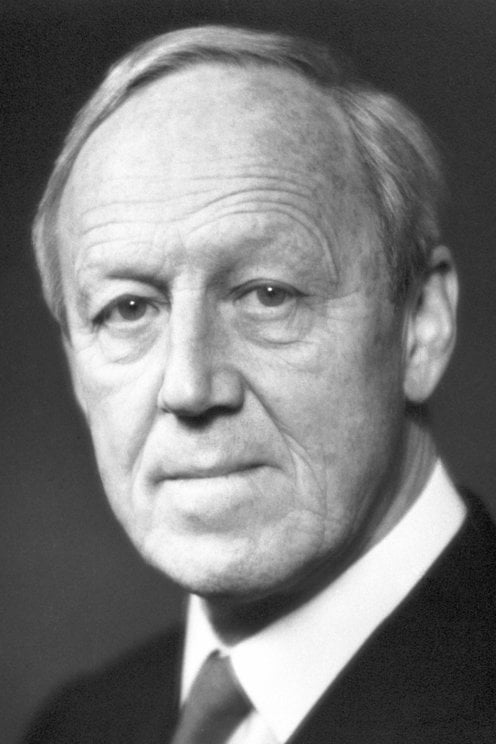
2364) Hannes Alfvén
Gist:
Work
The phenomenon of aurora borealis occurs when bursts of charged particles from the sun collide with the earth’s magnetic field. These jets of particles are an example of a special state of matter—plasma. Plasma is a gas comprised of electrons and ions (electrically charged atoms) that forms at high temperatures. From the late 1930s onward, Hannes Alfvén developed a theory about aurora borealis, which led to magneto-hydrodynamics; the theory of the relationships between a plasma’s movements, electric currents and fields, and magnetic fields.
Summary
Hannes Alfvén (born May 30, 1908, Norrköping, Sweden—died April 2, 1995, Djursholm) was an astrophysicist and winner, with Louis Néel of France, of the Nobel Prize for Physics in 1970 for his essential contributions in founding plasma physics—the study of plasmas (ionized gases).
Alfvén was educated at Uppsala University and in 1940 joined the staff of the Royal Institute of Technology, Stockholm. During the late 1930s and early ’40s he made remarkable contributions to space physics, including the theorem of frozen-in flux, according to which under certain conditions a plasma is bound to the magnetic lines of flux that pass through it. Alfvén later used the concept to explain the origin of cosmic rays.
In 1939 Alfvén published his theory of magnetic storms and auroral displays in the atmosphere, which immensely influenced the modern theory of the magnetosphere (the region of Earth’s magnetic field). He discovered a widely used mathematical approximation by which the complex spiral motion of a charged particle in a magnetic field can be easily calculated. Magnetohydrodynamics (MHD), the study of plasmas in magnetic fields, was largely pioneered by Alfvén, and his work has been acknowledged as fundamental to attempts to control nuclear fusion.
After numerous disagreements with the Swedish government, Alfvén obtained a position (1967) with the University of California, San Diego. Later he divided his teaching time between the Royal Institute of Technology in Stockholm and the University of California.
Alfvén devised “plasma cosmology,” a concept that challenged the big-bang model of the origin of the universe. The theory posited that the universe had no beginning (and has no foreseeable end) and that plasma—with its electric and magnetic forces—has done more to organize matter in the universe into star systems and other large observed structures than has the force of gravity. Much of Alfvén’s early research was included in his Cosmical Electrodynamics (1950). He also wrote On the Origin of the Solar System (1954), Worlds-Antiworlds (1966), and Cosmic Plasma (1981).
Details
Hannes Olof Gösta Alfvén (30 May 1908 – 2 April 1995) was a Swedish electrical engineer, plasma physicist and winner of the 1970 Nobel Prize in Physics for his work on magnetohydrodynamics (MHD). He described the class of MHD waves now known as Alfvén waves. He was originally trained as an electrical power engineer and later moved to research and teaching in the fields of plasma physics and electrical engineering. Alfvén made many contributions to plasma physics, including theories describing the behavior of aurorae, the Van Allen radiation belts, the effect of magnetic storms on the Earth's magnetic field, the terrestrial magnetosphere, and the dynamics of plasmas in the Milky Way galaxy.
Education
Alfvén received his PhD from the University of Uppsala in 1934. His thesis was titled "Investigations of High-frequency Electromagnetic Waves."
Early years
In 1934, Alfvén taught physics at both the University of Uppsala and the Nobel Institute for Physics (later renamed the Manne Siegbahn Institute of Physics) in Stockholm, Sweden. In 1940, he became professor of electromagnetic theory and electrical measurements at the Royal Institute of Technology in Stockholm. In 1945, he acquired the nonappointive position of Chair of Electronics. His title was changed to Chair of Plasma Physics in 1963. From 1954 to 1955, Alfvén was a Fulbright Scholar at the University of Maryland, College Park. In 1967, after leaving Sweden and spending time in the Soviet Union, he moved to the United States. Alfvén worked in the departments of electrical engineering at both the University of California, San Diego and the University of Southern California.
Later years
In 1991, Alfvén retired as professor of electrical engineering at the University of California, San Diego and professor of plasma physics at the Royal Institute of Technology in Stockholm.
Alfvén spent his later adult life alternating between California and Sweden. He died at the age of 86.
Personal life
Alfvén was married for 67 years to his wife Kerstin (1910–1992). They raised five children, one boy and four girls. Their son became a physician, while one daughter became a writer and another a lawyer in Sweden. The writer was Inger Alfvén and is well known for her work in Sweden. The composer Hugo Alfvén was Hannes Alfvén's uncle.
Alfvén studied the history of science, oriental philosophy, and religion. On his religious views, Alfven was irreligious and critical of religion. He spoke Swedish, English, German, French, and Russian, and some Spanish and Chinese. He expressed great concern about the difficulties of permanent high-level radioactive waste management." Alfvén was also interested in problems in cosmology and all aspects of auroral physics, and used Schröder's well known book on aurora, Das Phänomen des Polarlichts. Letters of Alfvén, Treder, and Schröder were published on the occasion of Treder's 70th birthday. The relationships between Hans-Jürgen Treder, Hannes Alfvén and Wilfried Schröder were discussed in detail by Schröder in his publications.
Alfvén died on 2 April, 1995 at Djursholm aged 86.
#436 Re: This is Cool » Miscellany » 2025-10-13 17:25:20
2416) Calcium Carbonate
Gist
Calcium carbonate (CaCO3) is a common inorganic compound found naturally in rocks such as limestone, marble, and chalk, and is a major component of sea animal shells and eggshells. It is a white, odorless powder that is practically insoluble in water but dissolves readily in acid.
Calcium carbonate (CaCO3) is a substance widely used for various purposes, for example, as a filler and pigment material not only in paper, plastics, rubbers, paints, and inks but also in pharmaceutics, cosmetics, construction materials, and asphalts and as a nutritional supplement in animal foods.
Summary
Calcium carbonate is a chemical compound with the chemical formula CaCO3. It is a common substance found in rocks as the minerals calcite and aragonite, most notably in chalk and limestone, eggshells, gastropod shells, shellfish skeletons and pearls. Materials containing much calcium carbonate or resembling it are described as calcareous. Calcium carbonate is the active ingredient in agricultural lime and is produced when calcium ions in hard water react with carbonate ions to form limescale. It has medical use as a calcium supplement or as an antacid, but excessive consumption can be hazardous and cause hypercalcemia and digestive issues.
Preparation
The vast majority of calcium carbonate used in industry is extracted by mining or quarrying. Pure calcium carbonate (such as for food or pharmaceutical use), can be produced from a pure quarried source (usually marble).
Alternatively, calcium carbonate is prepared from calcium oxide. Water is added to give calcium hydroxide then carbon dioxide is passed through this solution to precipitate the desired calcium carbonate, referred to in the industry as precipitated calcium carbonate (PCC).
In a laboratory, calcium carbonate can easily be crystallized from calcium chloride (CaCl2), by placing an aqueous solution of CaCl2 in a desiccator alongside ammonium carbonate [NH4]2CO3. In the desiccator, ammonium carbonate is exposed to air and decomposes into ammonia, carbon dioxide, and water. The carbon dioxide then diffuses into the aqueous solution of calcium chloride, reacts with the calcium ions and the water, and forms calcium carbonate.
Details
Calcium carbonate (CaCO3) is a chemical compound consisting of one atom of calcium, one of carbon, and three of oxygen that is the major constituent of limestone, marble, chalk, eggshells, bivalve shells, and corals. Calcium carbonate is either a white powder or a colorless crystal. When heated, it produces carbon dioxide and calcium oxide (also called quicklime). Calcium carbonate has a molecular weight of 100.1 grams per mole.
Calcium carbonate occurs naturally in three mineral forms: calcite, aragonite, and vaterite. Calcite, the most common form, is known for the beautiful development and great variety of its crystals. A large percentage of calcite occurs in limestones, and calcite is also the chief component of marls, travertines, calcite veins, most cave deposits, many marbles and carbonatites, and some ore-bearing veins. Calcite is the stable form of calcium carbonate at most temperatures and pressures. Aragonite is the orthorhombic (i.e., having three unequal crystalline axes at right angles to one another) form of calcium carbonate. Though frequently deposited in nature, it is metastable at room temperature and pressure and readily inverts to calcite. Vaterite, the hexagonal form of calcium carbonate, is extremely rare and transforms into calcite or aragonite or both.
Calcium carbonate has many uses. Since ancient times, limestone has been burned to quicklime (CaO), slaked to hydrated lime [Ca(OH)2], and mixed with sand to make mortar. Limestone is one of the ingredients used in the manufacture of portland cement and is often employed as a flux in metallurgical processes, such as the smelting of iron ores. Crushed limestone is used widely as riprap, as aggregate for both concrete and asphalt mixes, as agricultural lime, and as an inert ingredient of medicines.
As marble, calcium carbonate is used for statuary and carvings and is a popular facing stone as polished slabs. The term marble is used differently in the marketplace from the way it is used in geology: in the marketplace, it is applied to any coarse-grained carbonate rock that will take a good polish rather than to metamorphic carbonate-rich rocks exclusively. Some coarsely crystalline diagenetic limestones are among the most widely used commercial “marbles.” Travertine and onyx marble (banded calcite) are also popular facing stones, usually for interior use.
Calcium carbonate obtained from its natural sources is used as a filler in a variety of products, such as paper, ceramics, glass, plastics, and paint. Synthetic calcium carbonate, called “precipitated” calcium carbonate, is employed when high purity is required, as in medicine (antacids and dietary calcium supplements), in food (baking powder), and for laboratory purposes.
Additional Information
Calcium carbonate is an ionic compound used as a calcium supplement or antacid used for the symptomatic relief of heartburn, acid indigestion, and sour stomach.
Calcium carbonate is an inorganic salt used as an antacid. It is a basic compound that acts by neutralizing hydrochloric acid in gastric secretions. Subsequent increases in pH may inhibit the action of pepsin. An increase in bicarbonate ions and prostaglandins may also confer cytoprotective effects. Calcium carbonate may also be used as a nutritional supplement or to treat hypocalcemia.
Calcium carbonate is a basic inorganic salt that acts by neutralizing hydrochloric acid in gastric secretions. It also inhibits the action of pepsin by increasing the pH and via adsorption. Cytoprotective effects may occur through increases in bicarbonate ion (HCO3-) and prostaglandins. Neutralization of hydrochloric acid results in the formation of calcium chloride, carbon dioxide and water. Approximately 90% of calcium chloride is converted to insoluble calcium salts (e.g. calcium carbonate and calcium phosphate).

#437 Dark Discussions at Cafe Infinity » Club Quotes - I » 2025-10-13 16:09:06
- Jai Ganesh
- Replies: 0
Club Quotes - 1
1. I win at golf. I'm a club champion many times at different clubs. I win at golf. I can sink the three-footer on the 18th hole when others can't. - Donald Trump
2. People have to understand one thing: at the age of 18, I arrived at a dream club like Manchester United. It was a dream come true. But, even at that moment, I was thinking about playing in England for some years and then going to play in Spain. Even at that time I was thinking that way, and I always gave 100% everything. - Cristiano Ronaldo
3. I wish someone had put a golf club in my hands, not skates on my feet. It is a really great game for business. It's a great game for making connections. - Condoleezza Rice
4. I started gymnastics when I was six years old. I was at day care, and they took us on a field trip to a gym club, Bannon's Gymnastix in Houston, and that's how I got started. - Simone Biles
5. I've never stopped being Argentine, and I've never wanted to. I feel very proud of being Argentine, even though I left there. I've been clear about this since I was very young, and I never wanted to change. Barcelona is my home because both the club and the people here have given me everything, but I won't stop being Argentine. - Lionel Messi
6. I can remember getting rejected systematically by casting directors as a young kid. I felt like the biggest outsider there ever was; that I'd never belong in that club. - Leonardo DiCaprio
7. I must have made a good impression because a club official to us into his office and asked me if I would sign on for a year with a view to becoming a professional. - Harold Larwood
8. When I was eight and a half, my parents moved to a part of Queens where there was a club nearby. We joined, and if you believe in someone up above, I think I was meant to play tennis. - John McEnroe.
#438 Re: Jai Ganesh's Puzzles » General Quiz » 2025-10-13 15:48:19
Hi,
#10609. What does the term in Geography Cartography mean?
#10610. What does the term in Geography Cartogram mean?
#439 Re: Jai Ganesh's Puzzles » English language puzzles » 2025-10-13 15:18:58
Hi,
#5805. What does the noun controller mean?
#5806. What does the adjective compulsive mean?
#440 Re: Jai Ganesh's Puzzles » Doc, Doc! » 2025-10-13 14:50:08
Hi,
#2495. What does the medical term Dorsiflexion mean?
#441 Jokes » Autumn Jokes - I » 2025-10-13 14:40:39
- Jai Ganesh
- Replies: 0
Q What did the tree say to autumn?
A: Leaf me alone.
* * *
Q: What did one autumn leaf say to another?
A: I'm falling for you.
* * *
Q: Why did summer catch autumn?
A: Because autumn is fall.
* * *
Q: How do you fix a broken pumpkin?
A: With a pumpkin patch.
* * *
Q: Why are trees very forgiving?
A: Because in the Fall they "Let It Go" and in the Spring they "turn over a new leaf".
* * *
#442 Re: Jai Ganesh's Puzzles » 10 second questions » 2025-10-13 14:22:48
Hi,
#9763.
#443 Re: Jai Ganesh's Puzzles » Oral puzzles » 2025-10-13 13:57:03
Hi,
#6269.
#444 Re: Exercises » Compute the solution: » 2025-10-13 13:40:28
Hi,
2613.
#445 Re: Exercises » Compute the solution: » 2025-10-12 21:46:13
Hi,
2612.
#446 Re: Dark Discussions at Cafe Infinity » crème de la crème » 2025-10-12 17:56:28
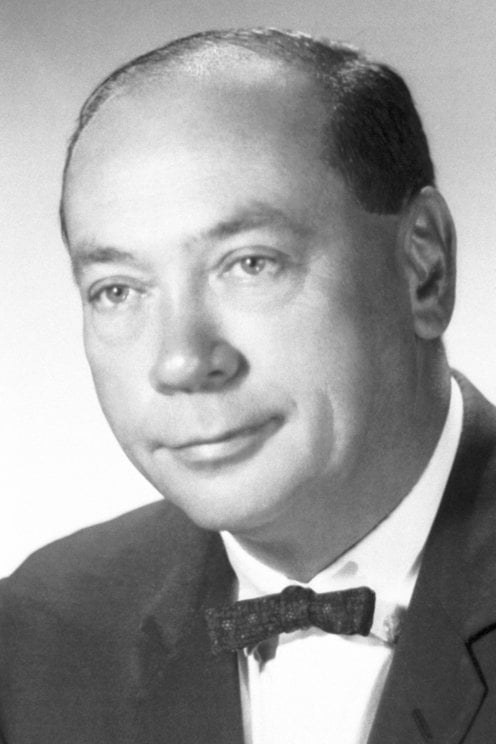
2363) Earl Wilbur Sutherland Jr.
Gist:
Work
Signals between different parts of the body are conveyed by small electrical impulses and by chemical substances, hormones and signal substances. Communication also takes place between different cell parts. Earl Sutherland investigated how hormones, especially adrenaline, work. He showed how signals from one cell to another are conveyed by a messenger—the hormone—and how signals within the cell are then conveyed by another messenger. Around 1960 he showed how cyclic adenosine monophosphate (cAMP) serves as the secondary messenger within the cell.
Summary
Earl W. Sutherland, Jr. (born Nov. 19, 1915, Burlingame, Kan., U.S.—died March 9, 1974, Miami, Fla.) was an American pharmacologist and physiologist who was awarded the 1971 Nobel Prize for Physiology or Medicine for isolating cyclic adenosine monophosphate (cyclic AMP) and demonstrating its involvement in numerous metabolic processes that occur in animals.
Sutherland graduated from Washburn College (Topeka, Kansas) in 1937 and received his M.D. degree from Washington University Medical School (St. Louis, Missouri) in 1942. After serving in the U.S. Army during World War II, he joined the faculty of Washington University. In 1953 he became chairman of the department of pharmacology at Western Reserve University (now Case Western Reserve University) in Cleveland, Ohio, where in 1956 he discovered cyclic AMP. In 1963 Sutherland became a professor of physiology at Vanderbilt University (Nashville, Tennessee), and from 1973 until his death he was a member of the faculty of the University of Miami Medical School.
Details
Earl Wilbur Sutherland Jr. (November 19, 1915 – March 9, 1974) was an American pharmacologist and biochemist born in Burlingame, Kansas. Sutherland won a Nobel Prize in Physiology or Medicine in 1971 "for his discoveries concerning the mechanisms of the action of hormones", especially epinephrine, via second messengers, namely cyclic adenosine monophosphate, or cyclic AMP.
Early life and education
Sutherland was born on November 19, 1915, in Burlingame, Kansas. The second youngest of six children, he was raised by his mother, Edith M. Hartshorn, and his father, Earl W. Sutherland. Though his father, who was originally from Wisconsin, had attended Grinnell College for two years, he ultimately led an agrarian lifestyle that took him to both New Mexico and Oklahoma before settling down in Burlingame to raise a family. Edith, a Missouri native, had some training in nursing at what was called a "ladies college". To provide for the family, Sutherland's father ran a dry goods store, where he gave each of his children working jobs. Sutherland began fishing at the age of five, and this became a pastime that he enjoyed for most of his life.
As a high school student, Sutherland played and excelled in several sports, including tennis, basketball, and football.
In 1933, at the age of 17, Sutherland enrolled in Washburn College in Topeka, Kansas and began the pursuit of a Bachelor of Science degree. In order to pay for tuition, he worked throughout his undergraduate years as a medical staff assistant at a local hospital. Sutherland graduated in 1937, at the age of 21. He was then accepted to Washington University School of Medicine in St. Louis, where he developed a strong mentorship with Carl Ferdinand Cori. In 1942, Sutherland graduated with a Doctor of Medicine.
Career:
Academia and research
In 1940, while studying at the Washington University School of Medicine, Sutherland had his first encounter with research as an assistant in pharmacology in the laboratory of Carl Ferdinand Cori, who won a Nobel Prize in Physiology or Medicine in 1947 for his discovery of the mechanism of glycogen metabolism. Under Cori's guidance, Sutherland conducted research on the effects of the hormones epinephrine and glucagon on the breakdown of glycogen to glucose. In 1942, he worked as an intern at Barnes-Jewish Hospital in St. Louis.
After receiving his medical degree from Washington University in 1942, Sutherland served as a World War II army physician. He returned to Washington University in St. Louis in 1945, where he continued to do research in Cori's Laboratory. Sutherland accredits his decision to pursue a research career, as opposed to entering the medical profession, to his mentor Cori.
Sutherland held various teaching titles during his time at the Washington University School of Medicine, including instructor in pharmacology (1945–46), instructor in biochemistry (1946–50), assistant professor in biochemistry (1950–52), and associate professor in biochemistry (1952–53).
In 1953, Sutherland moved to Cleveland a position as a professor of pharmacology and chairman of the department of pharmacology at the school of medicine at Case Western Reserve University. There, he collaborated with Theodore W. Rall, also a professor of pharmacology, who was to become a lifelong research partner. Together, they conducted further research on the mechanism of hormone action at the molecular level. During his ten years at Case Western Reserve University, Sutherland made several ground-breaking discoveries that led to the identification of cyclic adenosine monophosphate, or cyclic AMP, and its role as a secondary messenger.
In 1963, Sutherland became professor of anatomy at Vanderbilt University School of Medicine in Nashville. His position allowed him to devote more time to his research. He continued his work on cyclic AMP, receiving financial support from the Career Investigatorship awarded to him by the American Heart Association in 1967. He held his teaching title at Vanderbilt University until 1973.
In 1973, after spending 10 years at Vanderbilt University, Sutherland moved to Miami, where he joined the faculty at Miller School of Medicine at the University of Miami as a distinguished professor of biochemistry. He continued to be involved in novel research about adenosine monophosphate and guanosine monophosphate, co-authoring four papers in 1973 alone.
Personal life
Sutherland married Mildred Rice in 1937, the same year that he graduated from Washburn College. In 1944, during World War II, Sutherland was called into service as a battalion surgeon under General George S. Patton, and was later sent to Germany, where he served as a staff physician in a military hospital until 1945. He had two sons and a daughter with Mildred Rice.
In 1962, Sutherland divorced his first wife. A year later, when he became professor of physiology at Vanderbilt University, Sutherland married Claudia Sebeste Smith, the assistant dean at the university, and they were together for the remainder of Sutherland's life.
#447 Re: This is Cool » Miscellany » 2025-10-12 16:47:58
2415) Poly tetrafluoro Ethylene
Gist
PTFE, or polytetrafluoroethylene, is a versatile synthetic fluoropolymer known for its non-stick, low-friction, and high-temperature resistant properties. Commonly recognized by the brand name Teflon, it is used in applications like non-stick cookware, electrical insulation for wires, and industrial parts such as bearings and pipe liners.
Polytetrafluoroethylene (PTFE) is used in various applications due to its nonstick, chemical-resistant, and low-friction properties, including cookware coatings (like Teflon), industrial components such as seals and gaskets, electrical insulation for wires, medical implants like grafts and catheters, and fabric treatments to provide water and stain resistance. Its ability to withstand extreme temperatures and harsh environments makes it a versatile material in many fields.
Summary
Polytetrafluoroethylene (PTFE) is a synthetic fluoropolymer of tetrafluoroethylene, and has numerous applications because it is chemically inert. The commonly known brand name of PTFE-based composition is Teflon by Chemours, a spin-off from DuPont, which originally invented the compound in 1938.
Polytetrafluoroethylene is a fluorocarbon solid, as it is a high-molecular-weight polymer consisting wholly of carbon and fluorine. PTFE is hydrophobic: neither water nor water-containing substances wet PTFE, as fluorocarbons exhibit only small London dispersion forces due to the low electric polarizability of fluorine. PTFE has one of the lowest coefficients of friction of any solid.
Polytetrafluoroethylene is used as a non-stick coating for pans and other cookware. It is non-reactive, partly because of the strength of carbon–fluorine bonds, so it is often used in containers and pipework for reactive and corrosive chemicals. When used as a lubricant, PTFE reduces friction, wear, and energy consumption of machinery. It is used as a graft material in surgery and as a coating on catheters.
PTFE and chemicals used in its production are some of the best-known and widely applied per- and polyfluoroalkyl substances (PFAS), which are persistent organic pollutants. PTFE occupies more than half of all fluoropolymer production, followed by polyvinylidene fluoride (PVDF).
For decades, DuPont used perfluorooctanoic acid (PFOA, or C8) during production of PTFE, later discontinuing its use due to legal actions over ecotoxicological and health effects of exposure to PFOA. DuPont's spin-off Chemours currently manufactures PTFE using an alternative chemical it calls GenX, another PFAS. Although GenX was designed to be less persistent in the environment compared to PFOA, its effects may be equally harmful or even more detrimental than those of the chemical it has replaced.
Details
Polytetrafluoroethylene (PTFE) is a a strong, tough, waxy, nonflammable synthetic resin produced by the polymerization of tetrafluoroethylene. Known by such trademarks as Teflon, Fluon, Hostaflon, and Polyflon, PTFE is distinguished by its slippery surface, high melting point, and resistance to attack by almost all chemicals. These properties have made it familiar to consumers as the coating on nonstick cookware; it is also fabricated into industrial products, including bearings, pipe liners, and parts for valves and pumps.
PTFE was discovered serendipitously in 1938 by Roy Plunkett, an American chemist for E.I. du Pont de Nemours & Company (now DuPont Company), who found that a tank of gaseous tetrafluoroethylene refrigerant had polymerized to a white powder. During World War II it was applied as a corrosion-resistant coating to protect metal equipment used in the handling of radioactive material for the Manhattan Project. For more than a decade after the war, PTFE saw little commercial use, owing to difficulties encountered in devising methods for processing the slippery, high-melting material. DuPont released its trademarked Teflon-coated nonstick cookware in 1960.
Tetrafluoroethylene (C2F4), a colourless, odourless gas, is made by heating chlorodifluoromethane (CHClF2) in the range of 600–700 °C (1,100–1,300 °F). Chlorodifluoromethane in turn is obtained by reacting hydrogen fluoride (HF) with chloroform (CHCl3). Tetrafluoroethylene monomers (small, single-unit molecules) are suspended or emulsified in water and then polymerized (linked into giant, multiple-unit molecules) under high pressure in the presence of free-radical initiators.
The fluorine atoms surround the carbon chain like a protective sheath, creating a chemically inert and relatively dense molecule with very strong carbon-fluorine bonds. The polymer is inert to most chemicals, does not melt below 327 °C (620 °F), and has the lowest coefficient of friction of any known solid. These properties allow it to be used for bushings and bearings that require no lubricant, as liners for equipment used in the storage and transportation of strong acids and organic solvents, as electrical insulation under high-temperature conditions, and in its familiar application as a cooking surface that does not require the use of fats or oils.
Fabrication of PTFE products is difficult because the material does not flow readily even above its melting point. Molded parts can be made by compressing and heating fine powders mixed with volatile lubricants. Metallic surfaces can be sprayed or dipped with aqueous dispersions of PTFE particles to form a permanent coating. Dispersions of PTFE can also be spun into fibres.
Additional Information
PTFE is used as an inner coating material in non-stick cookware. This unique polymer coating prevents food from sticking in the pans during the cooking process. Such cookware is also easy to wash. At normal cooking temperatures, PTFE-coated cookware releases various gases and chemicals that present mild to severe toxicity. Only few studies describe the toxicity of PTFE but without solid conclusions. The toxicity and fate of ingested PTFE coatings are also not understood. Moreover, the emerging, persistent, and well-known toxic environmental pollutant PFOA is also used in the synthesis of PTFA. There are some reports where PFOA was detected in the gas phase released from the cooking utensils under normal cooking temperatures. Due to toxicity concerns, PFOA has been replaced with other chemicals such as GenX, but these new alternatives are also suspected to have similar toxicity. Therefore, more extensive and systematic research efforts are required to respond the prevailing dogma about human exposure and toxic effects to PTFE, PFOA, and GenX and other alternatives.

#448 Dark Discussions at Cafe Infinity » Clowns Quotes and Clowning Quotes » 2025-10-12 15:57:03
- Jai Ganesh
- Replies: 0
Clowns and Clowning Quotes
1. I have this fear of clowns, so I think that if I surround myself with them, it will ward off all evil. - Johnny Depp
2. I realise that I do not change the course of history. I am an actor, I do a movie, that's the end of it. You have to realise we are just clowns for hire. After I had success it was great, at first, not to worry about money. It was on my mind when I was growing up. - Leonardo DiCaprio
3. Plus, you know, when I was young, there was a lot of respect for clowning in rock music - look at Little Richard. It was a part of the whole thing, and I always also believed that it released the audience. - Bruce Springsteen.
#449 Jokes » Photographer Jokes - III » 2025-10-12 15:40:10
- Jai Ganesh
- Replies: 0
Q: What does a pirate steal in his spare time?
A: Arrrrrrrrrrrrrrrrrt.
* * *
Q: Why was the photo arrested?
A: Because it was framed.
* * *
Q: What do you call someone hanging on a wall?
A: Art.
* * *
Q: Why can't you find good photography jokes?
A: They haven't been developed yet.
* * *
If a picture is worth a thousand words, then why shouldn't we judge a book by its cover?
* * *
#450 Re: Jai Ganesh's Puzzles » General Quiz » 2025-10-12 15:28:52
Hi,
#10607. What does the term in Biology Deoxyribonucleic acid (DNA) signify?
#10608. What does the term in Biology Depolarization mean?