Math Is Fun Forum
You are not logged in.
- Topics: Active | Unanswered
#2701 2026-02-18 18:16:37
- Jai Ganesh
- Administrator

- Registered: 2005-06-28
- Posts: 53,251
Re: Miscellany
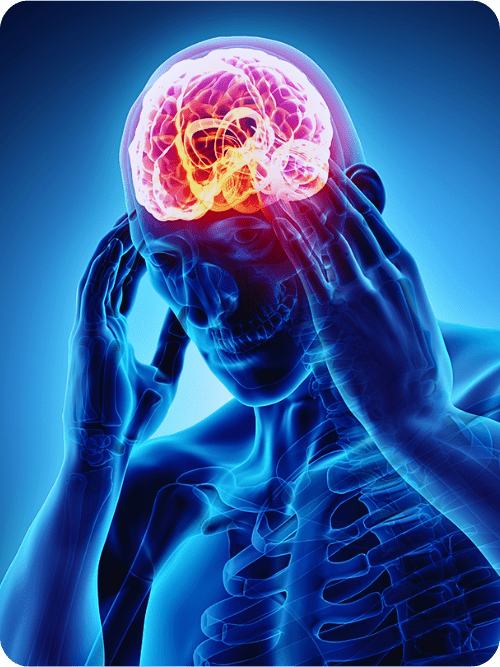
2500) Brain injury/Traumatic Brain Injury
Gist
A Traumatic Brain Injury (TBI) results from an external force—such as a blow, jolt, or penetrating object—causing temporary or permanent damage to brain function, ranging from concussions to severe cognitive, physical, and emotional impairments. Common symptoms include headache, confusion, dizziness, fatigue, and memory loss.
TBIs are sometimes called brain injuries or even head injuries. Some types of TBI can cause temporary or short-term problems with brain function, including problems with how a person thinks, understands, moves, communicates, and acts. More serious TBIs can lead to severe and permanent disability—and even death.
Summary
A traumatic brain injury (TBI) happens when a hit to the head or an object injures your brain. They range from mild to severe and may affect your thinking, movement or emotions. It can cause headaches, confusion or memory loss. Treatment options are available to help you recover.
What Is a Traumatic Brain Injury?
A traumatic brain injury (TBI) happens when an outside force damages your brain and affects how it works. This can occur after a fall, a hard hit to your head, a vehicle accident or when something goes through your skull.
Symptoms can affect your body, thinking and emotions. You may have headaches, confusion, short-term memory loss, and mood or behavior changes. TBIs may be life-threatening. They can cause short-term or long-term health problems that affect many parts of your daily life.
Treatment is available and depends on how serious the injury is.
Types of traumatic brain injuries
There are two types:
* Penetrating TBI: This is when something pierces your skull, enters your brain tissue and damages a part of your brain. Healthcare providers may call these open TBIs.
* Blunt TBI (closed head TBI): This is when something hits your head hard enough that your brain bounces or twists around inside your skull.
What are the severity levels of TBIs?
Healthcare providers classify traumatic brain injuries as being mild, moderate or severe. They may use the term “concussion” when talking about mild TBI. Providers typically group moderate and severe TBIs together.
* Mild TBI: More than 75% of all TBIs are mild. But even mild TBIs may cause significant and long-term issues. For example, you may have trouble returning to your daily routine, including being able to work.
* Moderate and severe TBI: These are medical emergencies. Many develop into significant and long-term health issues.
Details
Brain injury, also known as brain damage or neurotrauma, is the destruction or degeneration of brain cells. It may result from external trauma, such as accidents or falls, or from internal factors, such as strokes, infections, or metabolic disorders.
Traumatic brain injury (TBI), the most common type of brain injury, is typically caused by external physical trauma to the head. Acquired brain injuries occur after birth, in contrast to congenital brain injuries that patients are born with.
In addition, brain injuries can be classified by timing: primary injuries occur at the moment of trauma, while secondary injuries develop afterward due to physiological responses. They can also be categorized by location: focal injuries affect specific areas, whereas diffuse injuries involve widespread brain regions.
The symptoms and complications of brain injuries vary greatly depending on the area(s) of the brain injured, the individual case, the cause of the injury and whether the person receives treatment. People may suffer from headaches, vomit or lose consciousness (potentially falling into a coma or a similar disorder of consciousness) after a brain injury. Long-term cognitive impairment, disturbances in language and motor skills, emotional dysfunction and changes in personality are common.
Treatments for brain injuries include preventing further injuries, medication, physical therapy, psychotherapy, occupational therapy and surgery. Because of neuroplasticity, the brain can partially recover function by forming new neural connections to compensate for damaged areas. Patients may regain adaptive skills such as movement and speech, especially if they undergo therapy and practice.
Classification:
Focal and diffuse
Focal brain injuries affect only a single area of the brain; they result from direct force to the head[4] and manifest as haemorrhages, contusions, and subdural and epidural haematomas. Diffuse brain injuries cause widespread damage to all or many areas, and are caused by diffuse axonal injuries, hypoxia, ischaemia and vascular injuries. If both are severe, focal brain injuries are deadlier than diffuse ones; severe focal and diffuse injuries have mortality rates of 40% and 25% respectively. Although, diffuse brain injuries more often result in long-term neurological and cognitive deficits.
Primary and secondary
Primary brain injuries, most of which are traumatic brain injuries, occur directly because of mechanical forces that deform the brain. Secondary brain injuries result from conditions, such as hypoxia, ischaemia, oedema, hydrocephalus and intracranial hypertension, that may or may not be the aftereffects of primary brain injuries.
Signs and symptoms
Symptoms of brain injuries vary based on the severity of the injury, the area of the brain injured, and how much of the brain was affected. The three categories used for classifying the severity of brain injuries are mild, moderate and severe.
Severity of injuries:
Mild brain injuries
When caused by a blow to the head, a mild brain injury is known as a concussion. Symptoms of a mild brain injury include headaches, confusion, tinnitus, fatigue and changes in sleep patterns, mood or behavior. Other symptoms include trouble with memory, concentration, attention or thinking. Because mental fatigue can be attributed to many disorders, patients may not realise the connection between fatigue and a minor brain injury.
Moderate/severe brain injuries
Cognitive symptoms include confusion, aggression, abnormal behavior and slurred speech. Physical symptoms include a loss of consciousness, headaches that worsen or do not go away, vomiting or nausea, convulsions, brain pulsation, abnormal dilation of the eyes, inability to wake from sleep, weakness in extremities and a loss of coordination.
Symptoms in children
Young children could be unable to communicate their physical states, emotions and thought processes, so parents, physicians and caregivers may need to observe their behaviours to discern symptoms. Signs include changes in eating habits, persistent anger, sadness, attention loss, losing interest in activities they used to enjoy, or sleep problems.
Complications:
Physiological effects
Physiological complications of a brain injury, caused by damage to the neurons, nerve tracts or sections of the brain, can occur immediately or at varying times after the injury. The immediate response can take many forms. Initially, there may be symptoms such as swelling, pain, bruising, or loss of consciousness. Headaches, dizziness and fatigue, which can develop as time progresses, may become permanent or persist for a long time.
Brain damage predisposes patients to seizures, Parkinson's disease, dementia and hormone-secreting gland disorders; monitoring is essential for detecting the development of these diseases and treating them promptly.
Diffuse brain injuries, brain injuries that result in intracranial hypertension and brain injuries affecting parts of the brain responsible for consciousness may induce a coma, a prolonged period of deep unconsciousness. Severe brain injuries may cause a persistent vegetative state in which a patient displays wakefulness without any awareness of his or her surroundings.
Brain death occurs when all activity of the brain is deemed to have irreversibly ceased. The prerequisite for considering brain death is the presence of an injury, bodily status (e.g. hyperpyrexia) or disease that has severely damaged the entire brain. After this has been confirmed, the criteria for ascertaining brain death are an absence of brain activity 24 hours after a patient has been resuscitated, an absence of brainstem reflexes (including the pupillary response and gag reflex) and an absence of spontaneous breathing when the lungs are filled with carbon dioxide.
Cognitive effects
Post-traumatic amnesia, and issues with both long- and short-term memory, are common with brain damage, as is temporary aphasia, or impairment of language. Tissue damage and loss of blood flow caused by the injury may cause both of these issues to become permanent. Apraxia, the impairment of motor coordination and movement, has also been documented.
Cognitive effects can depend on the location of the brain that was damaged, and certain types of impairments can be attributed to damage to certain areas of the brain. Larger lesions tend to cause worse symptoms and more complicated recoveries.
Brain lesions in Wernicke's and Broca's areas are correlated with language, speech and category-specific disorders. Wernicke's aphasia is associated with word retrieval deficits, unknowingly making up words (neologisms), and problems with language comprehension. The symptoms of Wernicke's aphasia are caused by damage to the posterior section of the superior temporal gyrus.
Damage to Broca's area typically produces symptoms like omitting functional words (agrammatism), sound production changes, alexia, agraphia, and problems with comprehension and production. Broca's aphasia is indicative of damage to the posterior inferior frontal gyrus of the brain.
The impairment of a cognitive process following a brain injury does not necessarily indicate that the damaged area is wholly responsible for the process that is impaired. For example, in pure alexia, the ability to read is destroyed by a lesion damaging both the left visual field and the connection between the right visual field and the language areas (Broca's area and Wernicke's area). However, this does not mean one with pure alexia is incapable of comprehending speech—merely that there is no connection between their working visual cortex and language areas—as is demonstrated by the fact that people with pure alexia can still write, speak, and even transcribe letters without understanding their meaning.
Lesions to the fusiform gyrus often result in prosopagnosia, the inability to distinguish faces and other complex objects from each other. Lesions in the amygdala would eliminate the enhanced activation seen in occipital and fusiform visual areas in response to fear with the area intact. Amygdala lesions change the functional pattern of activation to emotional stimuli in regions that are distant from the amygdala.
Other lesions to the visual cortex have different effects depending on the location of the damage. Lesions to V1, for example, can cause blindsight in different areas of the brain depending on the size of the lesion and location relative to the calcarine fissure. Lesions to V4 can cause color-blindness, and bilateral lesions to MT/V5 can cause the loss of the ability to perceive motion. Lesions to the parietal lobes may result in agnosia, an inability to recognize complex objects, smells, or shapes, or amorphosynthesis, a loss of perception on the opposite side of the body.
Psychological effects
There are documented cases of lasting psychological effects as well, such as emotional changes often caused by damage to the various parts of the brain that control emotions and behaviour. Individuals may experience sudden, severe mood swings that subside quickly. Emotional changes, which may not be triggered by a specific event, can cause distress to the injured party and their family and friends. Brain injuries increase the risk of developing depression, bipolar disorder and schizophrenia. The more severe a brain injury is the likelier it is to cause bipolar disorder or schizophrenia; the correlation between brain injuries and mental illness is stronger in female and older patients. Often, counseling in either a one-on-one or group setting is suggested for those who experience emotional dysfunction after their injury.
Any type of acquired brain injury can result in changes in personality, including, with regards to the Big Five personality traits, increased neuroticism, decreased extraversion and decreased conscientiousness. If the patient is aware of the change in his or her cognitive capacity, personality and mental state after an injury, he or she might feel disconnected from his or her pre-injury identity, leading to irritability, emotional distress and a disrupted concept of self.
Additional Information
Traumatic brain injury (TBI) happens when a sudden, external, physical assault damages the brain. It is one of the most common causes of disability and death in adults. TBI is a broad term that describes a vast array of injuries that happen to the brain. The damage can be focal (confined to one area of the brain) or diffuse (happens in more than one area of the brain). The severity of a brain injury can range from a mild concussion to a severe injury that results in coma or even death.
What are the different types of TBI?
Brain injury may happen in one of two ways:
* Closed brain injury. Closed brain injuries happen when there is a nonpenetrating injury to the brain with no break in the skull. A closed brain injury is caused by a rapid forward or backward movement and shaking of the brain inside the bony skull that results in bruising and tearing of brain tissue and blood vessels. Closed brain injuries are usually caused by car accidents, falls, and increasingly, in sports. Shaking a baby can also result in this type of injury (called shaken baby syndrome).
* Penetrating brain injury. Penetrating, or open head injuries happen when there is a break in the skull, such as when a bullet pierces the brain.
What is diffuse axonal injury (DAI)?
Diffuse axonal injury is the shearing (tearing) of the brain's long connecting nerve fibers (axons) that happens when the brain is injured as it shifts and rotates inside the bony skull. DAI usually causes coma and injury to many different parts of the brain. The changes in the brain are often microscopic and may not be evident on computed tomography (CT scan) or magnetic resonance imaging (MRI) scans.
What is primary and secondary brain injury?
Primary brain injury refers to the sudden and profound injury to the brain that is considered to be more or less complete at the time of impact. This happens at the time of the car accident, gunshot wound, or fall.
Secondary brain injury refers to the changes that evolve over a period of hours to days after the primary brain injury. It includes an entire series of steps or stages of cellular, chemical, tissue, or blood vessel changes in the brain that contribute to further destruction of brain tissue.
What causes a head injury?
There are many causes of head injury in children and adults. The most common injuries are from motor vehicle accidents (where the person is either riding in the car or is struck as a pedestrian), violence, falls, or as a result of shaking a child (as seen in cases of child abuse).
What causes bruising and internal damage to the brain?
When there is a direct blow to the head, the bruising of the brain and the damage to the internal tissue and blood vessels is due to a mechanism called coup-contrecoup. A bruise directly related to trauma at the site of impact is called a coup lesion (pronounced COO). As the brain jolts backward, it can hit the skull on the opposite side and cause a bruise called a contrecoup lesion. The jarring of the brain against the sides of the skull can cause shearing (tearing) of the internal lining, tissues, and blood vessels leading to internal bleeding, bruising, or swelling of the brain.
What are the possible results of brain injury?
Some brain injuries are mild, with symptoms disappearing over time with proper attention. Others are more severe and may result in permanent disability. The long-term or permanent results of brain injury may need post-injury and possibly lifelong rehabilitation. Effects of brain injury may include:
* Cognitive deficits
** Coma
** Confusion
** Shortened attention span
** Memory problems and amnesia
** Problem-solving deficits
** Problems with judgment
** Inability to understand abstract concepts
** Loss of sense of time and space
** Decreased awareness of self and others
** Inability to accept more than one- or two-step commands at the same time
* Motor deficits
** Paralysis or weakness
** Spasticity (tightening and shortening of the muscles)
** Poor balance
** Decreased endurance
** Inability to plan motor movements
** Delays in getting started
** Tremors
** Swallowing problems
** Poor coordination
* Perceptual or sensory deficits
** Changes in hearing, vision, taste, smell, and touch
** Loss of sensation or heightened sensation of body parts
** Left- or right-sided neglect
** Difficulty understanding where limbs are in relation to the body
** Vision problems, including double vision, lack of visual acuity, or limited range of vision
* Communication and language deficits
** Difficulty speaking and understanding speech (aphasia)
** Difficulty choosing the right words to say (aphasia)
** Difficulty reading (alexia) or writing (agraphia)
** Difficulty knowing how to perform certain very common actions, like brushing one's teeth (apraxia)
** Slow, hesitant speech and decreased vocabulary
** Difficulty forming sentences that make sense
** Problems identifying objects and their function
** Problems with reading, writing, and ability to work with numbers
* Functional deficits
** Impaired ability with activities of daily living (ADLs), such as dressing, bathing, and eating
** Problems with organization, shopping, or paying bills
** Inability to drive a car or operate machinery
* Social difficulties
** Impaired social capacity resulting in difficult interpersonal relationships
** Difficulties in making and keeping friends
** Difficulties understanding and responding to the nuances of social interaction
* Regulatory disturbances
** Fatigue
** Changes in sleep patterns and eating habits
** Dizziness
** Headache
** Loss of bowel and bladder control
* Personality or psychiatric changes
** Apathy
** Decreased motivation
** Emotional lability
** Irritability
** Anxiety and depression
** Disinhibition, including temper flare-ups, aggression, cursing, lowered frustration tolerance, and inappropriate sexual behavior
Certain psychiatric disorders are more likely to develop if damage changes the chemical composition of the brain.
* Traumatic Epilepsy
** Epilepsy can happen with a brain injury, but more commonly with severe or penetrating injuries. While most seizures happen immediately after the injury, or within the first year, it is also possible for epilepsy to surface years later. Epilepsy includes both major or generalized seizures and minor or partial seizures.
Can the brain heal after being injured?
Most studies suggest that once brain cells are destroyed or damaged, for the most part, they do not regenerate. However, recovery after brain injury can take place, especially in younger people, as, in some cases, other areas of the brain make up for the injured tissue. In other cases, the brain learns to reroute information and function around the damaged areas. The exact amount of recovery is not predictable at the time of injury and may be unknown for months or even years. Each brain injury and rate of recovery is unique. Recovery from a severe brain injury often involves a prolonged or lifelong process of treatment and rehabilitation.
What is coma?
Coma is an altered state of consciousness that may be very deep (unconsciousness) so that no amount of stimulation will cause the patient to respond. It can also be a state of reduced consciousness, so that the patient may move about or respond to pain. Not all patients with brain injury are comatose. The depth of coma, and the time a patient spends in a coma varies greatly depending on the location and severity of the brain injury. Some patients emerge from a coma and have a good recovery. Other patients have significant disabilities.
How is coma measured?
Depth of the coma is usually measured in the emergency and intensive care settings using a Glasgow coma scale. The scale (from 3 to 15) evaluates eye opening, verbal response, and motor response. A high score shows a greater amount of consciousness and awareness.
In rehabilitation settings, here are several scales and measures used to rate and record the progress of the patient. Some of the most common of these scales are described below.
* Rancho Los Amigos 10 Level Scale of Cognitive Functioning. This is a revision of the original Rancho 8 Level Scale, which is based on how the patient reacts to external stimuli and the environment. The scales consist of 10 different levels and each patient will progress through the levels with starts and stops, progress and plateaus.
* Disability Rating Scale (DRS). This scale measures functional change during the course of recovery rating the person's disability level from none to extreme. The DRS assesses cognitive and physical function, impairment, disability, and handicap and can track a person's progress from "coma to community."
* Functional Independent Measure (FIM). The FIM scale measures a person's level of independence in activities of daily living. Scores can range from 1 (complete dependence) to 7 (complete independence).
* Functional Assessment Measure (FAM). This measure is used along with FIM and was developed specifically for people with brain injury.
It appears to me that if one wants to make progress in mathematics, one should study the masters and not the pupils. - Niels Henrik Abel.
Nothing is better than reading and gaining more and more knowledge - Stephen William Hawking.
Offline
#2702 Yesterday 22:08:25
- Jai Ganesh
- Administrator
- Registered: 2005-06-28
- Posts: 53,251
Re: Miscellany
2501) Sweden - The Country With Most Number Of Islands In The World
Gist
Sweden boasts a total of 267,570 islands. "Sweden has more islands than any other country in the world, and we would like to invite people to enjoy what may be the most genuine form of luxury: the peace and tranquillity of nature on your own island", says Susanne Andersson, CEO at Visit Sweden.
Sweden has the highest number of islands of any country in the world, with a total of 267,570. The vast majority of these are uninhabited, with fewer than 1,000 having permanent residents. The Stockholm archipelago alone features nearly 30,000 islands and skerries.
Interestingly, when it comes to statistics regarding which countries have the most islands, figures can differ hugely between sources. Pulling together the most reputable and official sources it could, website worldatlas.com has found that out of all countries on the planet, Sweden has the most islands with 267,570, the majority of which are uninhabited. Even the capital of Stockholm is built across a 14-island archipelago with more than 50 bridges.
Summary
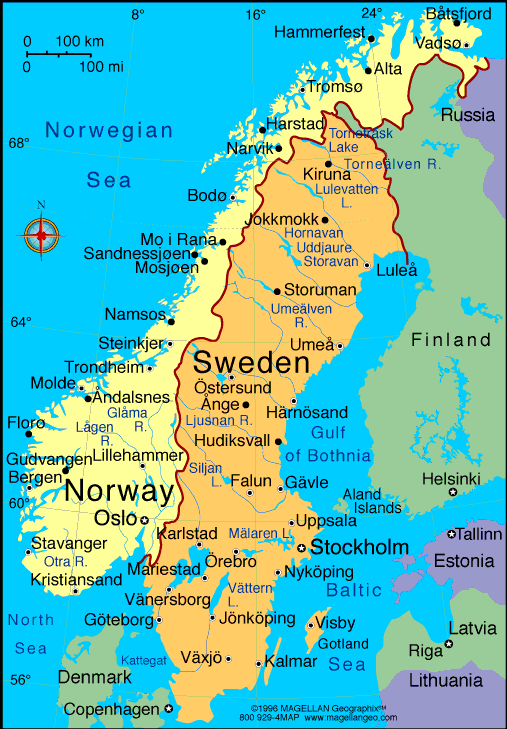
Sweden, formally the Kingdom of Sweden, is a Nordic country located on the Scandinavian Peninsula in Northern Europe. It borders Norway to the west and north, and Finland to the east. At 450,295 square kilometres (173,860 sq mi), Sweden is the largest Nordic country by both area and population, and is the fifth-largest country in Europe. Its capital and largest city is Stockholm. Sweden has a population of 10.6 million, and a low population density of 25.5 inhabitants per square kilometre (66/sq mi); 88% of Swedes reside in urban areas. They are mostly in the central and southern half of the country. Sweden's urban areas together cover 1.5% of its land area. Sweden has a diverse climate owing to the length of the country, which ranges from 55°N to 69°N.
Sweden has been inhabited since prehistoric times around 12,000 BC. The inhabitants emerged as the Geats (Swedish: Götar) and Swedes (Svear), who formed part of the sea-faring peoples known as the Norsemen. A unified Swedish state was established during the late 10th century. In 1397, Sweden joined Norway and Denmark to form the Scandinavian Kalmar Union, which Sweden left in 1523. When Sweden became involved in the Thirty Years' War on the Protestant side, an expansion of its territories began, forming the Swedish Empire, which remained one of the great powers of Europe until the early 18th century. During this era Sweden controlled much of the Baltic Sea. Most of the conquered territories outside the Scandinavian Peninsula were lost during the 18th and 19th centuries. The eastern half of Sweden, present-day Finland, was lost to Imperial Russia in 1809. The last war in which Sweden was directly involved was in 1814, when Sweden by military means forced Norway into a personal union, a union which lasted until 1905.
Sweden is a highly developed country ranked fifth in the Human Development Index. It is a constitutional monarchy and a parliamentary democracy, with legislative power vested in the 349-member unicameral Riksdag. It is a unitary state, divided into 21 counties and 290 municipalities. Sweden maintains a Nordic social welfare system that provides universal health care and tertiary education for its citizens. It has the world's 14th highest GDP per capita and ranks very highly in quality of life, health, education, protection of civil liberties, economic competitiveness, income equality, gender equality and prosperity. Sweden joined the European Union on 1 January 1995 and NATO on 7 March 2024. It is also a member of the United Nations, the Schengen Area, the Council of Europe, the Nordic Council, the World Trade Organization and the Organisation for Economic Co-operation and Development (OECD).
Details
Sweden is a country located on the Scandinavian Peninsula in northern Europe. The name Sweden was derived from the Svear, or Suiones, a people mentioned as early as 98 ce by the Roman author Tacitus. The country’s ancient name was Svithiod. Stockholm has been the permanent capital since 1523.
Sweden occupies the greater part of the Scandinavian Peninsula, which it shares with Norway. The land slopes gently from the high mountains along the Norwegian frontier eastward to the Baltic Sea. Geologically, it is one of the oldest and most stable parts of the Earth’s crust. Its surface formations and soils were altered by the receding glaciers of the Pleistocene Epoch (about 2,600,000 to 11,700 years ago). Lakes dot the fairly flat landscape, and thousands of islands form archipelagoes along more than 1,300 miles (2,100 km) of jagged, rocky coastline. Like all of northwestern Europe, Sweden has a generally favourable climate relative to its northerly latitude owing to moderate southwesterly winds and the warm North Atlantic Current.
The country has a 1,000-year-long continuous history as a sovereign state, but its territorial expanse changed often until 1809. Today it is a constitutional monarchy with a well-established parliamentary democracy that dates from 1917. Swedish society is ethnically and religiously very homogeneous, although recent immigration has created some social diversity. Historically, Sweden rose from backwardness and poverty into a highly developed postindustrial society and advanced welfare state with a standard of living and life expectancy that rank among the highest in the world.
Sweden long ago disavowed the military aggressiveness that once involved its armies deeply in Europe’s centuries of dynastic warfare. It has chosen instead to play a balancing role among the world’s conflicting ideological and political systems. It is for this reason that Swedish statesmen have often been sought out to fill major positions in the United Nations. At peace since 1814, Sweden has followed the doctrine, enunciated in every document on foreign policy since World War II, of “nonalignment in peace aiming at neutrality in war.”
Land
Sweden lies to the southwest of Finland. A long coastline forms the country’s eastern border, extending along the Gulf of Bothnia and the Baltic Sea; a narrow strait, known as The Sound (Öresund), separates Sweden from Denmark in the south. A shorter coastline along the Skagerrak and Kattegat straits forms Sweden’s border to the southwest, and Norway lies to the west. Sweden extends some 1,000 miles (1,600 km) to the north and south and 310 miles (500 km) to the east and west.
The country is traditionally divided into three regions: to the north is Norrland, the vast mountain and forest region; in central Sweden is Svealand, an expanse of lowland in the east and highland in the west; and in the south is Götaland, which includes the Småland highlands and, at the southern extremity, the small but rich plains of Skåne. In the far north the region of Lappland overlaps Norrland and northern Finland.
Relief
Norrland is the largest and most sparsely populated of the regions, covering some three-fifths of the country. The region features an undulating surface of rounded hills and mountains, large lakes, and extensive river valleys. To the west lie the Kölen (Kjølen; Scandinavian) Mountains, through which runs the border demarcating Sweden and Norway. This range is characterized by numerous glaciers, the southernmost of which is on Helags Mountain (Helagsfjället), near the Norwegian border. At the region’s far northern edge, north of the Arctic Circle, are Sweden’s highest peaks: Mount Kebne (Kebnekaise), which is 6,926 feet (2,111 metres) in elevation, and Mount Sarek (Sarektjåkkå), which rises 6,854 feet (2,089 metres), in the magnificent Sarek National Park.
The interior of southern Sweden, Småland, is a wooded upland with elevations of 980 to 1,300 feet (300 to 400 metres). A region of poor and stony soils, Småland has been cultivated through the ages with some difficulty, as evidenced by the enormous mounds of stone cleared from the land. More recently the area has been characterized by flourishing small factories.
Except for a stretch of scenic “high coast,” the Bothnian coastal plain is low-lying and stretches from Norrland into Svealand. Most of the fairly level surface of eastern Svealand and northern Götaland was pressed below sea level by glaciers, leaving a landscape of fragmented bedrock, fertile clayey plains, numerous lakes, and sandy ridges. Today these are intermingled with mixed forests and farmland. Sweden’s landscape changes from the hills of Småland to the fertile plains of Skåne, which is physiographically and economically more similar to Denmark than to the rest of Sweden. This is Sweden’s oldest settled and most densely populated agricultural area.
The Swedish coastline is typically rocky, with hundreds of small, sometimes wooded islands. Ground by glacial ice in the same direction, they have a common rounded shape. This type of coast, known as skärgård, is found in both the east and the west, especially around Stockholm and Gothenburg. Off the southern coast in the Baltic, the large, flat islands of Öland and Gotland are outcropping layers of sandstone and limestone.
Drainage
The country’s chief rivers originate in the mountains of Norrland, mostly flowing southeastward with many falls and rapids and emptying into the Gulf of Bothnia or the Baltic Sea. The longest, however, is the Klar-Göta River, which rises in Norway and flows 447 miles (719 km), reaching Lake Väner (Vänern) and continuing southward out of the lake’s southern end to the North Sea; along its southernmost course are the famous falls of Trollhättan. The Muonio and Torne rivers form the frontier with Finland, and in the south the Dal River marks the transition to Svealand. The rivers, except in the far north, where they are protected, are sources of hydroelectric power.
In Svealand are Sweden’s largest lakes, including Lakes Väner, 2,181 square miles (5,650 square km); Vätter (Vättern), 738 square miles (1,911 square km); and Mälar (Mälaren), 440 square miles (1,139 square km). The shores of Lakes Siljan and Storsjön and the river valleys support agriculture.
Soils
The dominant soil of Sweden is till, formed under glacial ice. Till that comes from the archaic bedrock of granites and gneisses forms a poor soil, and forestry and polluted (acid) rain add to its acidification. On the other hand, small areas of clayey till from younger sedimentary limestone, scattered mainly in southern Sweden, form brown earth, providing agricultural soils of high fertility. In addition, vast areas of central Sweden are covered by heavy and fertile sea-bottom clays raised out of the sea by postglacial land uplift. One-fifth of the country, especially in rainy southwestern Sweden and the cold far north, is covered by marshland and peat.
Climate of Sweden
About 15 percent of the country lies within the Arctic Circle. From about late May until mid-July, sunlight lasts around the clock north of the Arctic Circle, but, even as far south as Stockholm, the nights during this period have only a few hours of semidarkness. In mid-December, on the other hand, Stockholm experiences only about 5.5 hours of daylight; in areas as far north as Lappland, there are nearly 20 hours of total darkness relieved by a mere 4 hours of twilight.
Considering its northerly geographic location (at the latitude of parts of Greenland and Siberia), Sweden enjoys a favourable climate. From the southwest, Atlantic low-pressure winds blow in air warmed by the North Atlantic Current and make the weather mild but changeable. Another type of influence comes from continental high pressures to the east. These create sunny weather, which is hot in summer and cold in winter. The interaction between the Atlantic and continental influences causes periodic shifts in climate.
The north-to-south extension of the country and the higher elevation of the northern part results in great regional differences in winter climate. The northern interior receives heavy snowfall for up to eight months of the year and has severe temperatures that drop as low as −22 to −40 °F (−30 to −40 °C). The average January temperature in Haparanda at the head of the Gulf of Bothnia is 10 °F (−12 °C). Sea ice covers the Gulf of Bothnia from November to May.
In southern Sweden winters vary more from year to year than in the north; snowfall is irregular, and average January temperatures range between 23 and 32 °F (−5 and 0 °C). Coastal waters seldom freeze.
Summer temperatures vary far less, although summer is much shorter in the north. In terms of average daily temperature, “spring” arrives in Skåne during February but not until late May in northernmost Norrland; then it may come virtually overnight. The mean July temperature in Haparanda is 59 °F (15 °C), and in Malmö 63 °F (17 °C).
Late summer and autumn are the rainiest seasons, but precipitation falls throughout the year. Annual precipitation averages about 24 inches (600 mm).
Plant and animal life
Most of Sweden is dominated by forests of fir, pine, and birch. Southern Sweden has more mixed forests, and in the far south deciduous trees such as beech, oak, linden, ash, elm, and maple are common. The forests are rich in berries, lingonberries and blueberries among them, and mushrooms. In Sweden anyone is entitled to hike through the forests and fields and pick berries and mushrooms.
In the high mountains coniferous trees give way to mountain birches, which extend up to the tree line at an elevation of 1,600 to 2,900 feet (480 to 880 metres). The treeless mountains with their heaths, marshes, and boulder fields have Alpine flora. Dwarf birch and willows are typical.
Owing to their limestone bedrock and mild climate, Gotland and Öland have a special flora that includes many orchids.
Bears and lynx still inhabit the northern forests, while wolves are making a comeback, having become almost completely extinct in the 20th century. Throughout the country are large numbers of moose, roe deer, foxes, and hares. The moose is a great prize for hunters, but it also constitutes a traffic hazard. Hunting and fishing are closely regulated, and many species of animals are fully protected. Large herds of domesticated reindeer owned by Sami (Lapps) graze the northern mountains and forests.
Winter birdlife is dominated by a few species, but summer brings large numbers of migratory birds from southern Europe and Africa, as, for example, cranes and wild geese. Sweden has a rich variety of aquatic animal life, but environmental pollution has taken its toll. This applies significantly to the Baltic seal. Fish species include the cod and mackerel of the deep, salty Atlantic and the salmon and pike found in the far less saline Baltic and in lakes and rivers. Atlantic herring and its smaller relative, the Baltic herring, are traditional staple foods.
Conservation
Sweden has been in the vanguard of countries seeking to preserve the natural environment. It was the first European country to establish a national park (Sarek National Park was established in 1909), thereby preserving part of Europe’s last wilderness. The first Nature Conservancy Act was adopted in 1909, and in 1969 a modern environmental protection act was passed. Since then tens of thousands of square miles have been set aside as national parks and nature reserves. Serious environmental problems persist nevertheless. About one-fifth of the lakes in Sweden have been damaged by acidification, and groundwater too is threatened. A chief cause is sulfur fallout (i.e., contamination by what is commonly known as acid rain); most of the sulfur is discharged into the atmosphere by industrial facilities in nearby countries. Pollution in the Baltic Sea and the coastal waters of the Kattegat and Skagerrak also is considered severe.
People:
Ethnic groups
Although different groups of immigrants have influenced Swedish culture through the centuries, the population historically has been unusually homogeneous in ethnic stock, language, and religion. It is only since World War II that notable change has occurred in the ethnic pattern. From 1970 to the early 1990s, net immigration accounted for about three-fourths of the population growth. By far, most of the immigrants came from the neighbouring Nordic countries, with which Sweden shares a common labour market.
In the 1980s Sweden began to receive an increasing number of asylum seekers from Asian and African countries such as Iran, Iraq, Lebanon, Turkey, Eritrea, and Somalia, as well as from Latin American countries that were suffering under repressive governments. Then from 2010 to 2014 the number of people seeking asylum in Sweden expanded dramatically, reaching more than 80,000 in 2014, and that number doubled to more than 160,000 in 2015. Many of these people were fleeing the Syrian Civil War. From the beginning of that conflict, Sweden had granted residency to any Syrian seeking asylum (some 70,000 in total). Thus, by 2016 one in six Swedish residents had been born outside the country, and Sweden, feeling the strain of the mass influx of migrants, enacted new and more stringent immigration restrictions.
Sweden has two minority groups of indigenous inhabitants: the Finnish-speaking people of the northeast along the Finnish border, and the Sami (Lapp) population of about 15,000 scattered throughout the northern Swedish interior. Once a hunting and fishing people, the latter group developed a reindeer-herding system that they still operate. Most of the Sami in Sweden have other occupations as well.
Languages
Swedish, the national language of Sweden and the mother tongue of approximately nine-tenths of the population, is a Nordic language. It belongs to the North Germanic (Scandinavian) subgroup of the Germanic languages and is closely related to the Danish, Norwegian, Icelandic, and Faeroese languages. It has been influenced at times by German, but it has also borrowed some words and syntax from French, English, and Finnish. A common standard language (rikssvenska) has been in use more than 100 years. The traditionally varying dialects of the provinces, although homogenized rapidly through the influences of education and the mass media, are still widely spoken. Swedish is also spoken by about 300,000 Finland-Swedes. Swedish law recognizes Sami and Finnish (both of which belong to the Uralic language group), as well as Meänkieli (the Finnish of the Torne Valley), Romani, and Yiddish as national minority languages, along with sign language. About 200 languages are now spoken in Sweden, owing to immigrants and refugees.
Religion of Sweden
Prehistoric archaeological artifacts and sites—including graves and rock carvings—give an indication of the ancient system of religious beliefs practiced in Sweden during the pre-Christian era. The sun and seasons figured largely, in tandem with fertility rites meant to ensure good harvests. These practices were informed by a highly developed mythic cycle, describing a distinctive cosmology and the deeds of the Old Norse gods, giants, and demons. Important gods included Odin, Thor, Freyr, and Freyja. Great sacrificial rites, thought to have taken place every eight years at Old Uppsala, were described by the author Adam of Bremen in the 11th century.
Sweden adopted Christianity in the 11th century, and for nearly 500 years Roman Catholicism was the preeminent religion. Sweden was the home to St. Bridget, founder of the Brigittine convent at Vadstena. As the first waves of the Protestant Reformation swept Europe in the mid-1500s, Lutheranism took hold in Sweden and remained dominant. The Evangelical Lutheran Church of Sweden was the official state church until 2000, and between three-fifths and two-thirds of the population remains members of this church. Since the late 1800s a number of independent churches have emerged; however, their members can also belong to the Church of Sweden. Immigration has brought a steady increase to the membership of the Roman Catholic, Greek Orthodox, and Islamic religions. Judaism is the country’s oldest global non-Christian religion, practiced in Sweden since 1776. After Christianity, Islam is the largest religion in Sweden, with about 100,000 active practitioners at the turn of the 21st century, although the number of Swedes of Muslim heritage was nearly three times that number.
Additional Information
Sweden is in the geographical region known as Scandinavia in northern Europe.
Sweden is in the geographical region known as Scandinavia in northern Europe. Lush, large forests cover half of the country and over 100,000 lakes dot the landscape. The lakes, and over 24,000 islands, are all open to the public through Sweden's tradition of right to public access.
Sweden is 977 miles (1,572 kilometers) long and is bordered by Norway on the west and Finland to the east. Three stretches of water separate Sweden from Denmark—the Skagerrak, the Kattegat, and the Öresund straits.
Sweden's Arctic north has been called the "land of the midnight sun," because during the summer months the sun never sets. Even in the capital of Stockholm in the south, the summer nights last only four hours and the sky doesn't deepen beyond twilight. But winter lasts until May and the nights are long and the days are short.
In the fall and spring, there are spectacular light shows in northern Sweden known as the "aurora borealis," or "northern lights." The dazzling green or red lights, which fill the late night sky, are caused by collisions of tiny particles high in the Earth's atmosphere.
People and Cultre
Sweden is one of the least populated countries in Europe, with a population of less than 10 million people. Most people used to live in the countryside, but as the country became industrialized in the 1900s, many moved to the cities of Malmö, Göteborg, and Stockholm.
During the 1930s, Sweden developed the welfare system, known as "the Swedish model." Under their system, all Swedes have access to publicly financed health care, help for the unemployed, child care, schools, elder care, and at least five weeks of paid vacation per year.
Nature
Ancient forests, broadleaved woodlands, mountains, and wetlands provide rich habitats for many endangered animals and birds. Swedes love the countryside and Sweden was the first country in Europe to create national parks. Today, there are 29 national parks and many nature reserves and wildlife sanctuaries.
Sweden is the center of an effort to save the critically endangered arctic fox, which is on the brink of extinction with fewer than 200 left in Europe. During the winter months, their fur turns from brown to white to match the snowy landscape. The northern forests are home to brown bears and wolverines, which are related to badgers and otters, not wolves.
Carl Von Linne, known as Carolus Linnaeus, was a well-known Swedish botanist, born in the 1700s. Linnaeus invented the method for naming plants and animals which is used today. Every living thing has a Latin name that is divided into two parts. The first part gives its group, or genus, and the second part of the name gives its kind, or species.
It appears to me that if one wants to make progress in mathematics, one should study the masters and not the pupils. - Niels Henrik Abel.
Nothing is better than reading and gaining more and more knowledge - Stephen William Hawking.
Offline