Math Is Fun Forum
You are not logged in.
- Topics: Active | Unanswered
#1851 2026-01-19 21:46:13
- Jai Ganesh
- Administrator

- Registered: 2005-06-28
- Posts: 53,831
Re: crème de la crème
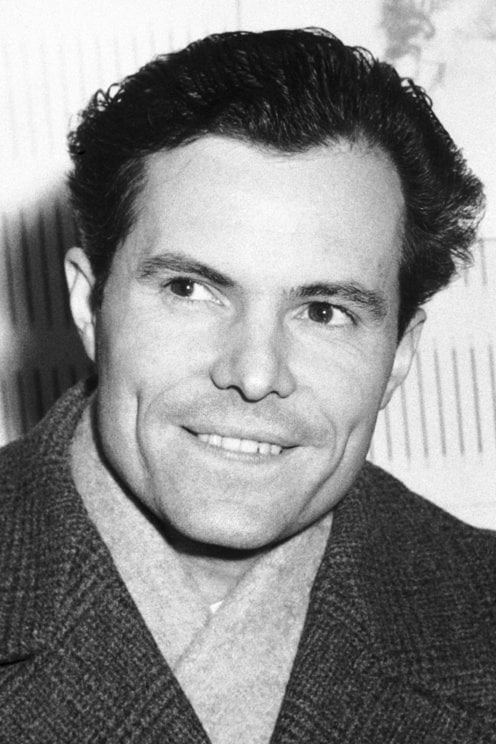
2414) Rudolf Mössbauer
Gist:
Work
According to the principles of quantum physics, the atomic nucleus and surrounding electrons can have only fixed energy levels. When there are transitions among energy levels in the atomic nucleus, high-energy photons known as gamma rays are emitted and absorbed. In a gas a recoil effect occurs when an atom emits a photon. In 1958 Rudolf Mössbauer discovered that the recoil can be eliminated if the atoms are embedded in a crystal structure. This opened up opportunities to study energy levels in atomic nuclei and how these are affected by their surroundings and various phenomena.
Summary
Rudolf Ludwig Mössbauer (born January 31, 1929, Munich, Germany—died September 14, 2011, Grünwald) was a German physicist and winner, with Robert Hofstadter of the United States, of the Nobel Prize for Physics in 1961 for his discovery of the Mössbauer effect.
Mössbauer discovered the effect in 1957, one year before he received his doctorate from the Technical University in Munich. Under normal conditions, atomic nuclei recoil when they emit gamma rays, and the wavelength of the emission varies with the amount of recoil. Mössbauer found that at a low temperature a nucleus can be embedded in a crystal lattice that absorbs its recoil. The discovery of the Mössbauer effect made it possible to produce gamma rays at specific wavelengths, and this proved a useful tool because of the highly precise measurements it allowed. The sharply defined gamma rays of the Mössbauer effect have been used to verify Albert Einstein’s general theory of relativity and to measure the magnetic fields of atomic nuclei.
Mössbauer became professor of physics at the California Institute of Technology, Pasadena, in 1961. Three years later he returned to Munich to become professor of physics at the Technical University, where he retired as professor emeritus in 1997.
Details
Rudolf Ludwig Mössbauer (31 January 1929 – 14 September 2011) was a German physicist who shared the 1961 Nobel Prize in Physics with Robert Hofstadter for his discovery of the Mössbauer effect, which is the basis for Mössbauer spectroscopy.
Career
Mössbauer was born in Munich, where he also studied physics at the Technical University of Munich. He prepared his Diplom thesis in the Laboratory of Applied Physics of Heinz Maier-Leibnitz and graduated in 1955. He then went to the Max Planck Institute for Medical Research in Heidelberg. Since this institute, not part of a university, had no right to award a doctorate, Mössbauer remained under the auspices of Maier-Leibnitz, his official thesis advisor, when he passed his PhD exam in Munich in 1958.
In his PhD, he discovered the recoilless nuclear fluorescence of gamma rays in 191 iridium, the Mössbauer effect. His fame grew immensely in 1960 when Robert Pound and Glen Rebka used this effect to prove the red shift of gamma radiation in the gravitational field of the Earth; this Pound–Rebka experiment was one of the first experimental precision tests of Albert Einstein's general theory of relativity. However, the long-term importance of the Mössbauer effect is its use in Mössbauer spectroscopy. Along with Robert Hofstadter, Rudolf Mössbauer was awarded the 1961 Nobel Prize in Physics.
On the suggestion of Richard Feynman, Mössbauer was invited in 1960 to Caltech in the USA, where he advanced rapidly from research fellow to senior research fellow; he was appointed a full professor of physics in early 1962. In 1964, his alma mater, the Technical University of Munich (TUM), convinced him to go back as a full professor. He retained this position until he became professor emeritus in 1997. As a condition for his return, the faculty of physics introduced a "department" system. This system, strongly influenced by Mössbauer's American experience, was in radical contrast to the traditional, hierarchical "faculty" system of German universities, and it gave the TUM an eminent position in German physics.
In 1972, Rudolf Mössbauer went to Grenoble to succeed Heinz Maier-Leibnitz as the director of the Institut Laue-Langevin just when its newly built high-flux research reactor went into operation. After serving a five-year term, Mössbauer returned to Munich, where he found his institutional reforms reversed by overarching legislation. Until the end of his career, he often expressed bitterness over this "destruction of the department." Meanwhile, his research interests shifted to neutrino physics.
Mössbauer was regarded as an excellent teacher. He gave highly specialized lectures on numerous courses, including Neutrino Physics, Neutrino Oscillations, The Unification of the Electromagnetic and Weak Interactions and The Interaction of Photons and Neutrons With Matter. In 1984, he gave undergraduate lectures to 350 people taking the physics course. He told his students: “Explain it! The most important thing is that you can explain it! You will have exams, there you have to explain it. Eventually, you pass them, you get your diploma and you think, that's it! – No, the whole life is an exam, you'll have to write applications, you'll have to discuss with peers... So learn to explain it! You can train this by explaining to another student, a colleague. If they are not available, explain it to your mother – or to your cat!”
Personal life
Mössbauer married Elizabeth Pritz in 1957. They had a son, Peter and two daughters Regine and Susi. They divorced in 1983, and he married his second wife Christel Braun in 1985.
Mössbauer died at Grünwald, Germany on 14 September 2011 at 82.
It appears to me that if one wants to make progress in mathematics, one should study the masters and not the pupils. - Niels Henrik Abel.
Nothing is better than reading and gaining more and more knowledge - Stephen William Hawking.
Offline
#1852 2026-01-20 16:56:02
- Jai Ganesh
- Administrator
- Registered: 2005-06-28
- Posts: 53,831
Re: crème de la crème
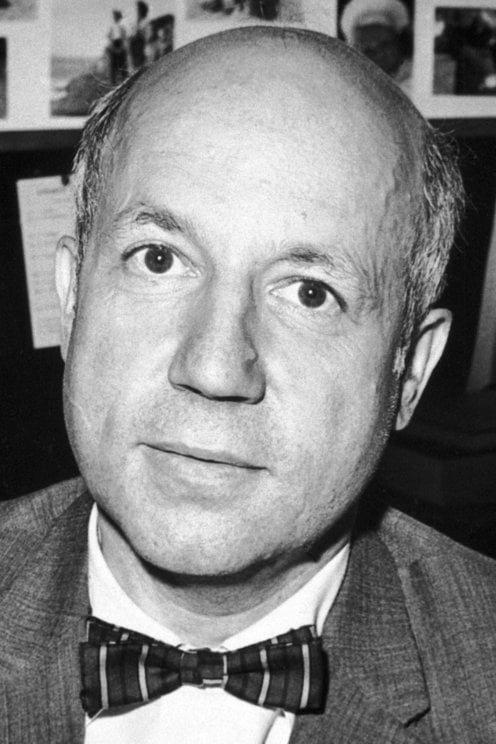
2415) Melvin Calvin
Gist:
Work
One of the most fundamental processes of life is photosynthesis. Green plants use energy from sunlight to make carbohydrates out of water and carbon dioxide in the air. Through studies during the early 1950s, particularly of single-cell green algae, Melvin Calvin and his colleagues traced the path taken by carbon through different stages of photosynthesis. For this they made use of tools such as radioactive isotopes and chromatography. Their findings included insight into the important role played by phosphorous compounds during the composition of carbohydrates.
Summary
Melvin Ellis Calvin (April 8, 1911 – January 8, 1997) was an American biochemist known for discovering the Calvin cycle along with Andrew Benson and James Bassham, for which he was awarded the 1961 Nobel Prize in Chemistry. He spent most of his five-decade career at the University of California, Berkeley.
Early life and education
Melvin Calvin was born in St. Paul, Minnesota, the son of Elias Calvin and Rose Herwitz, Jewish immigrants from the Russian Empire (now known as Lithuania and Georgia).
At an early age, Melvin Calvin’s family moved to Detroit, Michigan where his parents ran a grocery store to earn their living. Melvin Calvin was often found exploring his curiosity by looking through all of the products that made up their shelves.
After he graduated from Central High School in 1928, he went on to study at Michigan College of Mining and Technology (now known as Michigan Technological University) where he received the school’s first Bachelors of Science in Chemistry. He went on to earn his PhD at the University of Minnesota in 1935. While under the mentorship of George Glocker, he studied and wrote his thesis on the electron affinity of halogens. He was invited to join the lab of Michael Polanyi as a Post Doctoral student at the University of Manchester. The two years he spent at the lab were focused on studying the structure and behavior of organic molecules. In 1942, He married Marie Genevieve Jemtegaard, and they had three daughters, Elin, Sowie, and Karole, and a son, Noel.
Career
On a visit to the University of Manchester, Joel Hildebrand, the director of UC Radiation Laboratory, invited Calvin to join the faculty at the University of California, Berkeley. This made him the first non-Berkeley graduate hired by the chemistry department in +25 years. He invited Calvin to push forward in radioactive carbon research because "now was the time". Calvin's original research at UC Berkeley was based on the discoveries of Martin Kamen and Sam Ruben in long-lived radioactive carbon-14 in 1940.
In 1947, he was promoted to a Professor of Chemistry and the director of the Bio-Organic Chemistry group in the Lawrence Radiation Laboratory. The team he formed included: Andrew Benson, James A. Bassham, and several others. Andrew Benson was tasked with setting up the photosynthesis laboratory. The purpose of this lab was to discover the path of carbon fixation through the process of photosynthesis. The greatest impact of the research was discovering the way that light energy converts into chemical energy. Using the carbon-14 isotope as a tracer, Calvin, Andrew Benson and James Bassham mapped the complete route that carbon travels through a plant during photosynthesis, starting from its absorption as atmospheric carbon dioxide to its conversion into carbohydrates and other organic compounds. The process is part of the photosynthesis cycle. It was given the name the Calvin–Benson–Bassham Cycle, named for the work of Melvin Calvin, Andrew Benson, and James Bassham. There were many people who contributed to this discovery but ultimately Melvin Calvin led the charge.
In 1963, Calvin was given the additional title of Professor of Molecular Biology. He was founder and Director of the Laboratory of Chemical Biodynamics, known as the “Roundhouse”, and simultaneously Associate Director of Berkeley Radiation Laboratory, where he conducted much of his research until his retirement in 1980. In his final years of active research, he studied the use of oil-producing plants as renewable sources of energy. He also spent many years testing the chemical evolution of life and wrote a book on the subject that was published in 1969.
Details
Melvin Calvin (born April 8, 1911, St. Paul, Minnesota, U.S.—died January 8, 1997, Berkeley, California) was an American biochemist who received the 1961 Nobel Prize for Chemistry for his discovery of the chemical pathways of photosynthesis.
Calvin was the son of immigrant parents. His father was from Kalvaria, Lithuania, so the Ellis Island immigration authorities renamed him Calvin; his mother was from Russian Georgia. Soon after his birth, the family moved to Detroit, Michigan, where Calvin showed an early interest in science, especially chemistry and physics. In 1927 he received a full scholarship from the Michigan College of Mining and Technology (now Michigan Technological University) in Houghton, where he was the school’s first chemistry major. Few chemistry courses were offered, so he enrolled in mineralogy, geology, paleontology, and civil engineering courses, all of which proved useful in his later interdisciplinary scientific research. Following his sophomore year, he interrupted his studies for a year, earning money as an analyst in a brass factory.
Calvin earned a bachelor’s degree in 1931, and then he attended the University of Minnesota in Minneapolis, from which he received a doctorate in 1935 with a dissertation on the electron affinity of halogen atoms. With a Rockefeller Foundation grant, he researched coordination catalysis, activation of molecular hydrogen, and metalloporphyrins (porphyrin and metal compounds) at the University of Manchester in England with Michael Polanyi, who introduced him to the interdisciplinary approach. In 1937 Calvin joined the faculty of the University of California, Berkeley, as an instructor. (He was the first chemist trained elsewhere to be hired by the school since 1912.) He rose through the ranks to become director (1946) of the bioorganic chemistry group at the school’s Lawrence Radiation Laboratory (now the Lawrence Livermore National Laboratory), director of the Laboratory of Chemical Biodynamics (1963), associate director of Lawrence Livermore (1967), and University Professor of Chemistry (1971).
At Berkeley, Calvin continued his work on hydrogen activation and began work on the colour of organic compounds, leading him to study the electronic structure of organic molecules. In the early 1940s, he worked on molecular genetics, proposing that hydrogen bonding is involved in the stacking of nucleic acid bases in chromosomes. During World War II, he worked on cobalt complexes that bond reversibly with oxygen to produce an oxygen-generating apparatus for submarines or destroyers. In the Manhattan Project, he employed chelation and solvent extraction to isolate and purify plutonium from other fission products of uranium that had been irradiated. Although not developed in time for wartime use, his technique was later used for laboratory separations.
In 1942 Calvin married Genevieve Jemtegaard, with later Nobel chemistry laureate Glenn T. Seaborg as best man. The married couple collaborated on an interdisciplinary project to investigate the chemical factors in the Rh blood group system. Genevieve was a juvenile probation officer, but, according to Calvin’s autobiography, “she spent a great deal of time actually in the laboratory working with the antigenic material. This was her first chemical laboratory experience but not her last by any means.” Together they helped to determine the structure of one of the Rh antigens, which they named elinin for their daughter Elin. Following the oil embargo after the 1973 Arab-Israeli War, they sought suitable plants, e.g., genus Euphorbia, to convert solar energy to hydrocarbons for fuel, but the project failed to be economically feasible.
In 1946 Calvin began his Nobel prize-winning work on photosynthesis. After adding carbon dioxide with trace amounts of radioactive carbon-14 to an illuminated suspension of the single-cell green alga Chlorella pyrenoidosa, he stopped the alga’s growth at different stages and used paper chromatography to isolate and identify the minute quantities of radioactive compounds. This enabled him to identify most of the chemical reactions in the intermediate steps of photosynthesis—the process in which carbon dioxide is converted into carbohydrates. He discovered the “Calvin cycle,” in which the “dark” photosynthetic reactions are impelled by compounds produced in the “light” reactions that occur on absorption of light by chlorophyll to yield oxygen. Also using isotopic tracer techniques, he followed the path of oxygen in photosynthesis. This was the first use of a carbon-14 tracer to explain a chemical pathway.
Calvin’s research also included work on electronic, photoelectronic, and photochemical behaviour of porphyrins; chemical evolution and organic geochemistry, including organic constituents of lunar rocks for the U.S. National Aeronautics and Space Administration (NASA); free radical reactions; the effect of deuterium (“heavy hydrogen”) on biochemical reactions; chemical and viral carcinogenesis; artificial photosynthesis (“synthetic chloroplasts”); radiation chemistry; the biochemistry of learning; brain chemistry; philosophy of science; and processes leading to the origin of life.
Calvin’s bioorganic group eventually required more space, so he designed the new Laboratory of Chemical Biodynamics (the “Roundhouse” or “Calvin Carousel”). This circular building contained open laboratories and numerous windows but few walls to encourage the interdisciplinary interaction that he had carried out with his photosynthesis group at the old Radiation Laboratory. He directed this laboratory until his mandatory age retirement in 1980, when it was renamed the Melvin Calvin Laboratory. Although officially retired, he continued to come to his office until 1996 to work with a small research group.
Calvin was the author of more than 600 articles and 7 books, and he was the recipient of several honorary degrees from U.S. and foreign universities. His numerous awards included the Priestley Medal (1978), the American Chemical Society’s highest award, and the U.S. National Medal of Science (1989), the highest U.S. civilian scientific award.
It appears to me that if one wants to make progress in mathematics, one should study the masters and not the pupils. - Niels Henrik Abel.
Nothing is better than reading and gaining more and more knowledge - Stephen William Hawking.
Offline
#1853 2026-01-21 17:11:56
- Jai Ganesh
- Administrator
- Registered: 2005-06-28
- Posts: 53,831
Re: crème de la crème
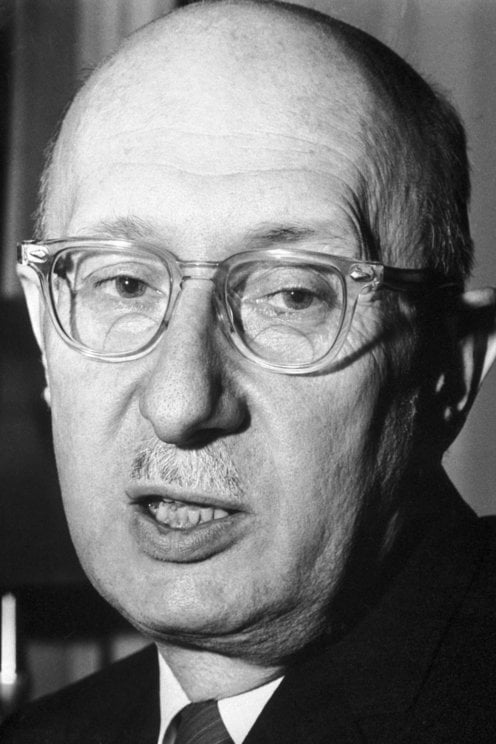
2416) Georg von Békésy
Gist:
Work
Our hearing works because sound waves from the surrounding world are converted in the ear into vibrations in membranes and bones. These are further converted into electrical impulses that are passed on to the brain, resulting in auditory impressions. In a series of studies from 1940 to the 1960s, Georg von Békésy clarified how processes in the cochlea in the inner ear proceed, in part by studying vibrations in membranes with the help of a microscope and sequences of photographs as well as by measuring variations in electrical charges in the receptors.
Summary
Georg von Békésy (born June 3, 1899, Budapest, Hungary—died June 13, 1972, Honolulu, Hawaii, U.S.) was an American physicist and physiologist who received the 1961 Nobel Prize for Physiology or Medicine for his discovery of the physical means by which sound is analyzed and communicated in the cochlea, a portion of the inner ear.
As director of the Hungarian Telephone System Research Laboratory (1923–46), Békésy worked on problems of long-distance communication and became interested in the mechanics of human hearing. At the telephone laboratory, the University of Budapest (1939–46), the Karolinska Institute, Stockholm (1946–47), and Harvard University (1947–66) he conducted intensive research that led to the construction of two cochlea models and highly sensitive instruments that made it possible to understand the hearing process, differentiate between certain forms of deafness, and select proper treatment more accurately.
Since the mid-19th century, it had been known that the vibratory tissue most important for hearing is the basilar membrane, stretching the length of the snail-shaped cochlea and dividing it into two interior canals. Békésy found that sound travels along the basilar membrane in a series of waves, and he demonstrated that these waves peak at different places on the membrane: low frequencies toward the end of the cochlea and high frequencies near its entrance, or base. He discovered that the location of the nerve receptors and the number of receptors involved are the most important factors in determining pitch and loudness.
Békésy became professor of sensory sciences at the University of Hawaii in 1966. His books include Experiments in Hearing (1960) and Sensory Inhibition (1967).
Details
Georg von Békésy (3 June 1899 – 13 June 1972) was a Hungarian-American biophysicist.
By using strobe photography and silver flakes as a marker, he was able to observe that the basilar membrane moves like a surface wave when stimulated by sound. Because of the structure of the cochlea and the basilar membrane, different frequencies of sound cause the maximum amplitudes of the waves to occur at different places on the basilar membrane along the coil of the cochlea. High frequencies cause more vibration at the base of the cochlea while low frequencies create more vibration at the apex.
He concluded that his observations showed how different sound wave frequencies are locally dispersed before exciting different nerve fibers that lead from the cochlea to the brain.
In 1961, he was awarded the Nobel Prize in Physiology or Medicine for his research on the function of the cochlea in the mammalian hearing organ.
Biography
Békésy was born on 3 June 1899 in Budapest, Hungary, as the first of three children (György 1899, Lola 1901 and Miklós 1903) to Sándor Békésy (1860–1923), an economic diplomat, and to his mother Paula Mazaly.
The Békésy family was originally Reformed but converted to Catholicism. His mother, Paula Mazaly (1877–1974) was born in Szagolyca (now Čađavica, Croatia). His maternal grandfather was from Pécs. His father was born in Kolozsvár (now Cluj-Napoca, Romania).
Békésy went to school in Budapest, Munich, and Zürich. He studied chemistry in Bern and received his PhD in physics on the subject: "Fast way of determining molecular weight" from the University of Budapest in 1926.
He then spent one year working in an engineering firm. He published his first paper on the pattern of vibrations of the inner ear in 1928. He was offered a position at Uppsala University by Róbert Bárány, which he declined because of the hard Swedish winters.
Before and during World War II, Békésy worked for the Hungarian Post Office (1923 to 1946), where he did research on telecommunications signal quality. This research led him to become interested in the workings of the ear. In 1946, he left Hungary to follow this line of research at the Karolinska Institute in Sweden.
In 1947, he moved to the United States, working at Harvard University until 1966. In 1962 he was elected a Member of the German Academy of Sciences Leopoldina. After his lab was destroyed by fire in 1965, he was invited to lead a research laboratory of sense organs in Honolulu, Hawaii. He became a professor at the University of Hawaiʻi in 1966 and died in Honolulu.
He became a well-known expert in Asian art. He had a large collection which he donated to the Nobel Foundation in Sweden. His brother, Dr. Miklós Békésy (1903-1980), stayed in Hungary and became a famous agrobiologist who was awarded the Kossuth Prize.
Research
Békésy contributed most notably to our understanding of the mechanism by which sound frequencies are registered in the inner ear. He developed a method for dissecting the inner ear of human cadavers while leaving the cochlea partly intact. By using strobe photography and silver flakes as a marker, he was able to observe that the basilar membrane moves like a surface wave when stimulated by sound. Because of the structure of the cochlea and the basilar membrane, different frequencies of sound cause the maximum amplitudes of the waves to occur at different places on the basilar membrane along the coil of the cochlea. High frequencies cause more vibration at the base of the cochlea while low frequencies create more vibration at the apex.
Békésy concluded from these observations that by exciting different locations on the basilar membrane different sound wave frequencies excite different nerve fibers that lead from the cochlea to the brain. He theorized that, due to its placement along the cochlea, each sensory cell (hair cell) responds maximally to a specific frequency of sound (the so-called tonotopy). Békésy later developed a mechanical model of the cochlea, which confirmed the concept of frequency dispersion by the basilar membrane in the mammalian cochlea.
In an article published posthumously in 1974, Békésy reviewed progress in the field, remarking "In time, I came to the conclusion that the dehydrated cats and the application of Fourier analysis to hearing problems became more and more a handicap for research in hearing," referring to the difficulties in getting animal preparations to behave as when alive, and the misleading common interpretations of Fourier analysis in hearing research.
It appears to me that if one wants to make progress in mathematics, one should study the masters and not the pupils. - Niels Henrik Abel.
Nothing is better than reading and gaining more and more knowledge - Stephen William Hawking.
Offline
#1854 2026-01-22 18:06:17
- Jai Ganesh
- Administrator
- Registered: 2005-06-28
- Posts: 53,831
Re: crème de la crème
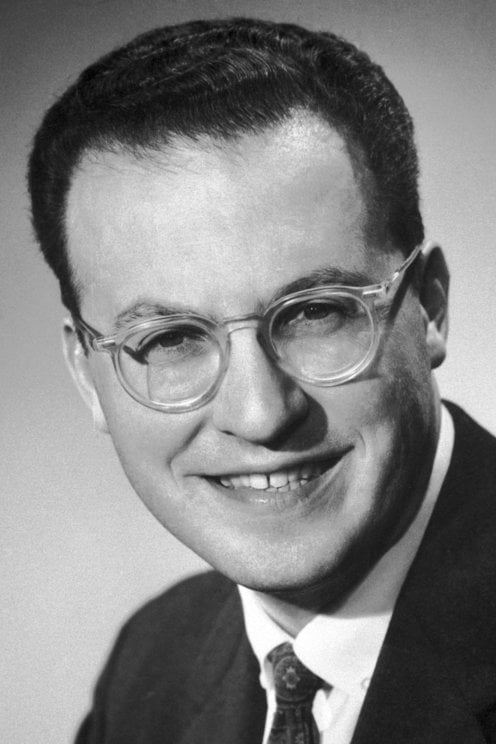
2417) Donald Glaser
Gist:
Life
Donald Glaser was born in Cleveland, Ohio to Russian immigrants. His father was a businessman. After first studying at Case School of Applied Science in Cleveland, he later received his PhD in physics from California Institute of Technology, Pasadena, in 1949. He then moved to the University of Michigan in Ann Arbor, where he carried out the research that led to his Nobel Prize, before moving to the University of California, Berkeley, in 1959. Beginning in the 1960s, Glaser devoted himself to molecular biology. He was married twice and had two children from his first marriage.
Work
Our ability to study the smallest components of our world took a giant leap forward when C.T.R. Wilson invented the cloud chamber, where the trails of charged particles can be observed. Donald Glaser's invention of the bubble chamber in 1952 made it possible to study particles with higher energies. When charged particles rush forward through the chamber filled with a liquid at near-boiling point, they ionize atoms they pass by. When the pressure inside the chamber is then reduced, bubbles form around these charged atoms. The particles' tracks can then be photographed and analyzed.
Summary
Donald A. Glaser (born September 21, 1926, Cleveland, Ohio, U.S.—died February 28, 2013, Berkeley, California) was an American physicist and recipient of the 1960 Nobel Prize for Physics for his invention (1952) and development of the bubble chamber, a research instrument used in high-energy physics laboratories to observe the behaviour of subatomic particles.
After graduating from Case Institute of Technology, Cleveland, in 1946, Glaser attended the California Institute of Technology, Pasadena, where he received a Ph.D. in physics and mathematics in 1950. He then began teaching at the University of Michigan, where he became a professor in 1957.
Glaser conducted research with Nobelist Carl Anderson, who was using cloud chambers to study cosmic rays. Glaser, recognizing that cloud chambers had a number of limitations, created a bubble chamber to learn about the pathways of subatomic particles. Because of the relatively high density of the bubble-chamber liquid (as opposed to the vapour that filled cloud chambers), collisions producing rare reactions were more frequent and were observable in finer detail. New collisions could be recorded every few seconds when the chamber was exposed to bursts of high-speed particles from particle accelerators. As a result, physicists were able to discover the existence of a host of new particles, notably quarks. At the age of 34, Glaser became one of the youngest scientists ever to be awarded a Nobel Prize.
In 1959 Glaser joined the staff of the University of California, Berkeley, where he became a professor of physics and molecular biology in 1964. In 1971 he cofounded the Cetus Corp., a biotechnology company that developed interleukin-2 and interferon for cancer therapy. The firm was sold (1991) to Chiron Corp., which was later acquired by Novartis. In the 1980s Glaser turned to the field of neurobiology and conducted experiments on vision and how it is processed by the human brain.
Details
Donald Arthur Glaser (September 21, 1926 – February 28, 2013) was an American physicist and biologist who received the Nobel Prize in Physics in 1960 for his invention of the bubble chamber.
Personal life
Donald Arthur Glaser was born on September 21, 1926, in Cleveland, Ohio, to Russian Jewish immigrants, Lena and William J. Glaser, a businessman. He enjoyed music and played the piano, violin, and viola. He went to Cleveland Heights High School, where he became interested in physics as a means to understand the physical world. He died in his sleep at the age of 86 on February 28, 2013, in Berkeley, California.
Education and career
Glaser attended Case School of Applied Science (now Case Western Reserve University), where he completed his Bachelor of Science degree in physics and mathematics in 1946. During the course of his education there, he became especially interested in particle physics. He played viola in the Cleveland Philharmonic while at Case, and taught mathematics classes at the college after graduation. He continued on to the California Institute of Technology (Caltech), where he pursued his PhD in physics. His interest in particle physics led him to work with Nobel laureate Carl David Anderson, studying cosmic rays with cloud chambers. He preferred the accessibility of cosmic ray research over that of nuclear physics. While at Caltech he learned to design and build the equipment he needed for his experiments, and this skill would prove to be useful throughout his career. He also attended molecular genetics seminars led by Nobel laureate Max Delbrück; he would return to this field later. Glaser completed his doctoral thesis, The Momentum Distribution of Charged Cosmic Ray Particles Near Sea Level, after starting as an instructor at the University of Michigan in 1949. He received his PhD from Caltech in 1950, and he was promoted to professor at Michigan in 1957 He joined the faculty of UC Berkeley in 1959 as a professor of physics. During this time, his research concerned short-lived elementary particles. The bubble chamber enabled him to observe the paths and lifetimes of the particles. Starting in 1962, Glaser changed his field of research to molecular biology, starting with a project on ultraviolet-induced cancer. In 1964, he was given the additional title of professor of molecular biology. Glaser's position (since 1989) was professor of physics and neurobiology in the graduate school.
Bubble chamber
While teaching at Michigan, Glaser began to work on experiments that led to the creation of the bubble chamber. His experience with cloud chambers at Caltech had shown him that they were inadequate for studying elementary particles. In a cloud chamber, particles pass through gas and collide with metal plates that obscure the scientists' view of the event. The cloud chamber also needs time to reset between recording events and cannot keep up with accelerators' rate of particle production.
He experimented with using superheated liquid in a glass chamber. Charged particles would leave a track of bubbles as they passed through the liquid, and their tracks could be photographed. He created the first bubble chamber with ether. He experimented with hydrogen while visiting the University of Chicago, showing that hydrogen would also work in the chamber.
It has often been claimed that Glaser was inspired to his invention by the bubbles in a glass of beer; however, in a 2006 talk, he refuted this story, saying that although beer was not the inspiration for the bubble chamber, he did experiments using beer to fill early prototypes.
His new invention was ideal for use with high-energy accelerators, so Glaser traveled to Brookhaven National Laboratory with some students to study elementary particles using the accelerator there. The images that he created with his bubble chamber brought recognition of the importance of his device, and he was able to get funding to continue experimenting with larger chambers. Glaser was then recruited by Nobel laureate Luis Alvarez, who was working on a hydrogen bubble chamber at the University of California at Berkeley. Glaser accepted an offer to become a professor of physics there in 1959.
Nobel Prize
Glaser was awarded the 1960 Nobel Prize for Physics for the invention of the bubble chamber. His invention allowed scientists to observe what happens to high-energy beams from an accelerator, thus paving the way for many important discoveries.
It appears to me that if one wants to make progress in mathematics, one should study the masters and not the pupils. - Niels Henrik Abel.
Nothing is better than reading and gaining more and more knowledge - Stephen William Hawking.
Offline
#1855 2026-01-27 21:06:40
- Jai Ganesh
- Administrator
- Registered: 2005-06-28
- Posts: 53,831
Re: crème de la crème
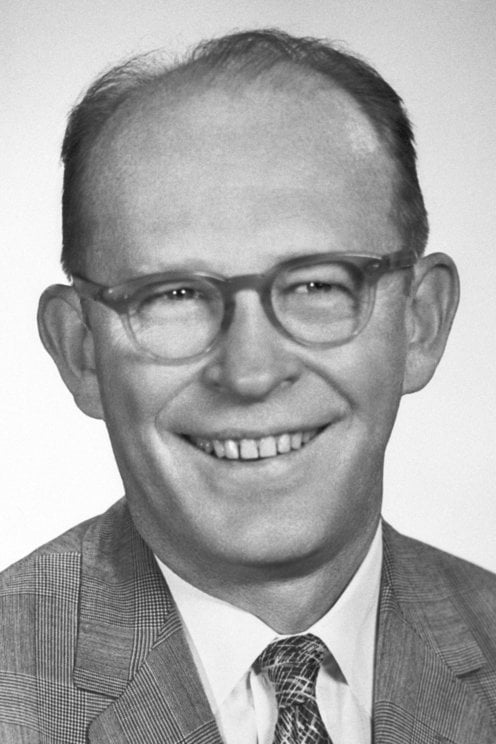
2418) Willard Libby
Gist:
Work
Carbon is a fundamental component in all living material. In nature there are two variants, or isotopes: carbon-12, which is stable, and carbon-14, which is radioactive. Carbon-14 forms in the atmosphere when acted upon by cosmic radiation and then deteriorates. When an organism dies and the supply of carbon from the atmosphere ceases, the content of carbon-14 declines through radioactive decay at a fixed rate. In 1949 Willard Libby developed a method for applying this to determine the age of fossils and archeological relics.
Summary
Willard Frank Libby (December 17, 1908 – September 8, 1980) was an American physical chemist noted for his role in the 1949 development of radiocarbon dating, a process which revolutionized archaeology and palaeontology. For his contributions to the team that developed this process, Libby was awarded the Nobel Prize in Chemistry in 1960.
A 1931 chemistry graduate of the University of California, Berkeley, from which he received his doctorate in 1933, he studied radioactive elements and developed sensitive Geiger counters to measure weak natural and artificial radioactivity. During World War II he worked in the Manhattan Project's Substitute Alloy Materials (SAM) Laboratories at Columbia University, developing the gaseous diffusion process for uranium enrichment.
After the war, Libby accepted a professorship at the University of Chicago's Institute for Nuclear Studies, where he developed the technique for dating organic compounds using carbon-14. He also discovered that tritium similarly could be used for dating water, and therefore wine. In 1950, he became a member of the General Advisory Committee (GAC) of the Atomic Energy Commission (AEC). He was appointed a commissioner in 1954, becoming its sole scientist. He sided with Edward Teller on pursuing a crash program to develop the hydrogen bomb, participated in the Atoms for Peace program, and defended the administration's atmospheric nuclear testing.
Libby resigned from the AEC in 1959 to become professor of chemistry at University of California, Los Angeles (UCLA), a position he held until his retirement in 1976. In 1962, he became the director of the University of California statewide Institute of Geophysics and Planetary Physics (IGPP). He started the first Environmental Engineering program at UCLA in 1972, and as a member of the California Air Resources Board, he worked to develop and improve California's air pollution standards.
Details
Willard Frank Libby (born Dec. 17, 1908, Grand Valley, Colo., U.S.—died Sept. 8, 1980, Los Angeles, Calif.) was an American chemist whose technique of carbon-14 (or radiocarbon) dating provided an extremely valuable tool for archaeologists, anthropologists, and earth scientists. For this development he was honoured with the Nobel Prize for Chemistry in 1960.
Libby, the son of farmer Ora Edward Libby and his wife, Eva May (née Rivers), attended the University of California at Berkeley, where he received a bachelor’s degree (1931) and a doctorate (1933). After graduation, he joined the faculty at Berkeley, where he rose through the ranks from instructor (1933) to assistant professor (1938) to associate professor (1945). In 1940 he married Leonor Hickey, by whom he had twin daughters. In 1966 he was divorced and married Leona Woods Marshall, a staff member at the RAND Corporation of Santa Monica, Calif.
In 1941 Libby received a Guggenheim fellowship to work at Princeton University in New Jersey, but his work was interrupted by the entry of the United States into World War II. He was sent on leave to the Columbia War Research Division of Columbia University in New York City, where he worked with Nobel chemistry laureate Harold C. Urey until 1945. Libby became professor of chemistry at the Institute for Nuclear Studies (now the Enrico Fermi Institute for Nuclear Studies) and the department of chemistry at the University of Chicago (1945–59). He was appointed by Pres. Dwight D. Eisenhower to the U.S. Atomic Energy Commission (1955–59). From 1959 Libby was a professor of chemistry at the University of California, Los Angeles, and director of its Institute of Geophysics and Planetary Physics (from 1962) until his death. He was the recipient of numerous honours, awards, and honourary degrees.
During the late 1950s, Libby and physicist Edward Teller, both committed to the Cold War and both prominent advocates of nuclear weapons testing, opposed Nobel chemistry and peace laureate Linus Pauling’s petition for a ban on nuclear weapons. To prove the survivability of nuclear war, Libby built a fallout shelter at his house, an event that was widely publicized. The shelter and house burned down several weeks later, however, which caused physicist and nuclear testing critic Leo Szilard to joke, “This proves not only that there is a God but that he has a sense of humor.”
While associated with the Manhattan Project (1941–45), Libby helped develop a method for separating uranium isotopes by gaseous diffusion, an essential step in the creation of the atomic bomb. In 1946 he showed that cosmic rays in the upper atmosphere produce traces of tritium, the heaviest isotope of hydrogen, which can be used as a tracer for atmospheric water. By measuring tritium concentrations, he developed a method for dating well water and wine, as well as for measuring circulation patterns of water and the mixing of ocean waters.
Because it had been known since 1939 that cosmic rays create showers of neutrons on striking atoms in the atmosphere, and because the atmosphere contains about 78 percent nitrogen, which absorbs neutrons to decay into the radioactive isotope carbon-14, Libby concluded that traces of carbon-14 should always exist in atmospheric carbon dioxide. Also, because carbon dioxide is continuously absorbed by plants and becomes part of their tissues, plants should contain traces of carbon-14. Since animals consume plants, animals should likewise contain traces of carbon-14. After a plant or other organism dies, no additional carbon-14 should be incorporated into its tissues, while that which is already present should decay at a constant rate. The half-life of carbon-14 was determined by its codiscoverer, chemist Martin D. Kamen, to be 5,730 years, which, compared with the age of the Earth, is a short time but one long enough for the production and decay of carbon-14 to reach equilibrium. In his Nobel presentation speech, Swedish chemist Arne Westgren summarized Libby’s method: “Because the activity of the carbon atoms decreases at a known rate, it should be possible, by measuring the remaining activity, to determine the time elapsed since death, if this occurred during the period between approximately 500 and 30,000 years ago.”
Libby verified the accuracy of his method by applying it to samples of fir and redwood trees whose ages had already been found by counting their annual rings and to artifacts, such as wood from the funerary boat of Pharaoh Sesostris III, whose ages were already known. By measuring the radioactivity of plant and animal material obtained globally from the North Pole to the South Pole, he showed that the carbon-14 produced by cosmic-ray bombardment varied little with latitude. On March 4, 1947, Libby and his students obtained the first age determination using the carbon-14 dating technique. He also dated linen wrappings from the Dead Sea Scrolls, bread from Pompeii buried in the eruption of Vesuvius (ad 79), charcoal from a Stonehenge campsite, and corncobs from a New Mexico cave, and he showed that the last North American ice age ended about 10,000 years ago, not 25,000 years ago as previously believed by geologists. The most publicized and controversial case of radiocarbon dating is probably that of the Shroud of Turin, which believers claim once covered the body of Jesus Christ but which Libby’s method applied by others shows to be from a period between 1260 and 1390. In nominating Libby for the Nobel Prize, one scientist stated, “Seldom has a single discovery in chemistry had such an impact on the thinking in so many fields of human endeavour. Seldom has a single discovery generated such wide public interest.”
It appears to me that if one wants to make progress in mathematics, one should study the masters and not the pupils. - Niels Henrik Abel.
Nothing is better than reading and gaining more and more knowledge - Stephen William Hawking.
Offline
#1856 2026-01-28 20:22:42
- Jai Ganesh
- Administrator
- Registered: 2005-06-28
- Posts: 53,831
Re: crème de la crème
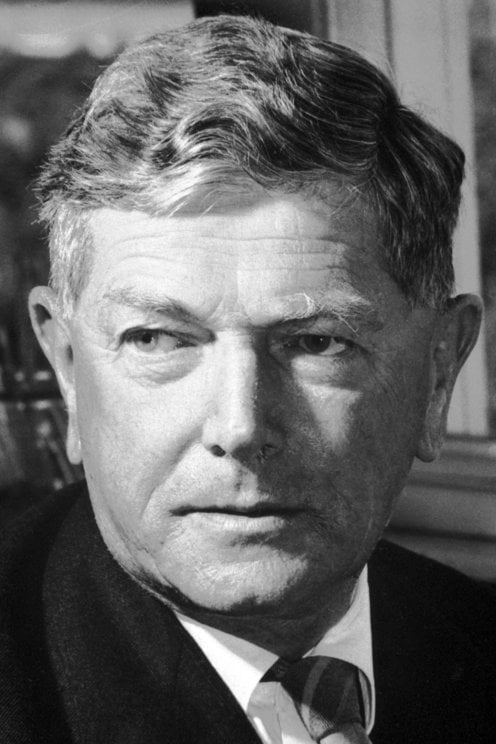
2419) Macfarlane Burnet
Gist:
Work
Our immune system protects us against attacks by microorganisms and rejects foreign tissue. Part of our immunity has a hereditary basis, but part of it is acquired and is not present in the fetus. In 1949 Macfarlane Burnet theorized that the ability to distinguish between one’s own and foreign tissue is not hereditary but is acquired during the fetus stage. The theory was substantiated when Peter Medawar succeeded in performing transplants of tissue between different mouse fetuses. The results had significance for organ transplants.
Summary
Sir Frank Macfarlane Burnet (3 September 1899 – 31 August 1985), usually known as Macfarlane or Mac Burnet, was an Australian virologist known for his contributions to immunology. He won a Nobel Prize in 1960 for predicting acquired immune tolerance. He also developed the theory of clonal selection.
Burnet received his Doctor of Medicine degree from the University of Melbourne in 1924, and his PhD from the University of London in 1928. He went on to conduct pioneering research in microbiology and immunology at the Walter and Eliza Hall Institute of Medical Research, Melbourne, and served as director of the Institute from 1944 to 1965. From 1965 until his retirement in 1978, Burnet worked at the University of Melbourne. Throughout his career he played an active role in the development of public policy for the medical sciences in Australia and was a founding member of the Australian Academy of Science (AAS), and served as its president from 1965 to 1969.
Burnet's major achievements in microbiology included discovering the causative agents of Q-fever and psittacosis; developing assays for the isolation, culture and detection of influenza virus; describing the recombination of influenza strains; demonstrating that the myxomatosis virus does not cause disease in humans. Modern methods for producing influenza vaccines are still based on Burnet's work improving virus growing processes in hen's eggs.
For his contributions to Australian science, Burnet was made the first Australian of the Year in 1960, and in 1978 a Knight of the Order of Australia. He was recognised internationally for his achievements: in addition to the Nobel, he received the Lasker Award and the Royal and Copley Medal from the Royal Society, honorary doctorates, and distinguished service honours from the Commonwealth of Nations and Japan.
Details
Sir Macfarlane Burnet (born Sept. 3, 1899, Traralgon, Australia—died Aug. 31, 1985, Melbourne) was an Australian physician, immunologist, and virologist who, with Sir Peter Medawar, was awarded the 1960 Nobel Prize for Physiology or Medicine for the discovery of acquired immunological tolerance, the concept on which tissue transplantation is founded.
Burnet received his medical degree in 1924 from the University of Melbourne and performed research (1925–27) at the Lister Institute of Preventive Medicine, London. After receiving his Ph.D. from the University of London (1928), he became assistant director of the Walter and Eliza Hall Institute of Medical Research at Royal Melbourne Hospital in 1934 and later (1944–65) was its director and professor of experimental medicine at the University of Melbourne. He was knighted in 1951.
Early in his career, Burnet conducted fundamental experiments with bacteriophages, and he developed a technique—now standard laboratory practice—of culturing viruses in living chick embryos. He increased knowledge of the way influenza viruses cause infection, and he carried out or was associated with research on myxomatosis, Murray Valley encephalitis, toxic staphylococcal infection, polio, psittacosis, herpes simplex, poxviruses, and Q fever. He isolated the causal organism of Q fever, Rickettsia burnetii (Coxiella burnetii).
Although Burnet’s work in virology was important, his most significant achievements in science were made in immunology. He helped unravel the question of how the vertebrate immune system learns to distinguish between its own cells and foreign materials (antigens), such as those of infectious agents, and how during development a vertebrate becomes able to tolerate those components belonging to itself—the concept called immunological tolerance. He also developed a model, called the clonal selection theory of antibody formation, that explains how the body is able to recognize and respond to a virtually limitless number of foreign antigens. The theory states that an antigen entering the body does not induce the formation of an antibody specific to itself—as some immunologists believed—but instead it binds to one unique antibody selected from a vast repertoire of antibodies produced early in the organism’s life. Although controversial at first, this theory became the foundation of modern immunology.
Among Burnet’s publications are Viruses and Man (1953), Principles of Animal Virology (1955), The Clonal Selection Theory of Acquired Immunity (1959), Immunological Surveillance (1970), and Credo and Comment: A Scientist Reflects (1979).
It appears to me that if one wants to make progress in mathematics, one should study the masters and not the pupils. - Niels Henrik Abel.
Nothing is better than reading and gaining more and more knowledge - Stephen William Hawking.
Offline
#1857 2026-01-31 20:14:08
- Jai Ganesh
- Administrator
- Registered: 2005-06-28
- Posts: 53,831
Re: crème de la crème
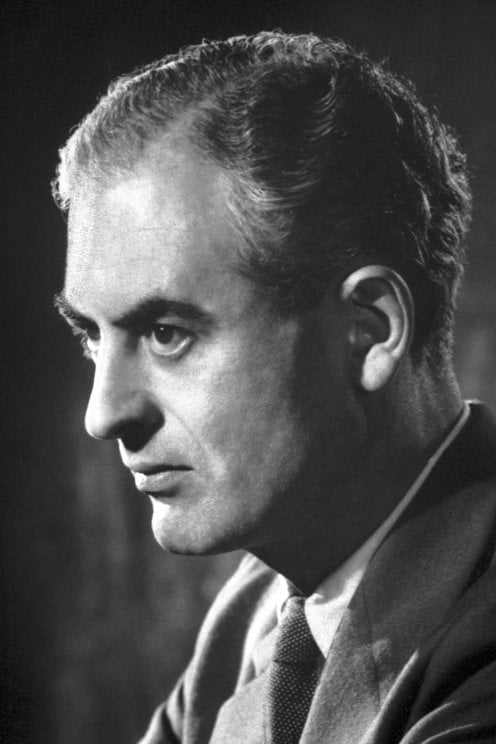
2420) Peter Medawar
Gist:
Work
Our immune system protects us against attacks by microorganisms and rejects foreign tissue. Part of our immunity has a hereditary basis, but part of it is acquired and is not present in the fetus. After Macfarlane Burnet theorized that the ability to distinguish between one’s own and foreign tissue is acquired during the fetus stage, Peter Medawar successfully transplanted tissue between mouse fetuses without rejection in 1951. He could perform new transplants on the mice when they became adults, something that did not work when the transplants were not performed during the fetus stage. The results had significance for organ transplants.
Summary
Sir Peter B. Medawar (born Feb. 28, 1915, Rio de Janeiro, Brazil—died Oct. 2, 1987, London, Eng.) was a Brazilian-born British zoologist who received, with Sir Frank Macfarlane Burnet, the Nobel Prize for Physiology or Medicine in 1960 for developing and proving the theory of acquired immunological tolerance, a model that paved the way for successful organ and tissue transplantation.
Medawar was born in Brazil and moved to England as a young boy. In 1935 he took a degree in zoology from Magdalen College, Oxford, and in 1938 he became a fellow of the college. During World War II at the Burns Unit of the Glasgow Royal Infirmary in Scotland, he carried out research on tissue transplants, particularly skin grafting. That work led him to recognize that graft rejection is an immunological response. After the war, Medawar continued his transplant research and learned of the work done by Australian immunologist Frank Macfarlane Burnet, who first advanced the theory of acquired immunological tolerance. According to that hypothesis, during early embryological development and soon after birth, vertebrates develop the ability to distinguish between substances that belong to its body and those that are foreign. The idea contradicted the view that vertebrates inherit this ability at conception. Medawar lent support to Burnet’s theory when he found that fraternal cattle twins accept skin grafts from each other, indicating that certain substances known as antigens “leak” from the yolk sac of each embryo twin into the sac of the other. In a series of experiments on mice, he produced evidence indicating that, although each animal cell contains certain genetically determined antigens important to the immunity process, tolerance can also be acquired because the recipient injected as an embryo with the donor’s cells will accept tissue from all parts of the donor’s body and from the donor’s twin. Medawar’s work resulted in a shift of emphasis in the science of immunology from one that assumed a fully developed immune mechanism to one that attempts to alter the immune mechanism itself, as in the attempt to suppress the body’s rejection of organ transplants.
Medawar was professor of zoology at the University of Birmingham (1947–51) and University College, London (1951–62), director of the National Institute for Medical Research, London (1962–71), professor of experimental medicine at the Royal Institution (1977–83), and president of the Royal Postgraduate Medical School (1981–87). He was knighted in 1965 and awarded the Order of Merit in 1981.
Medawar’s works include The Uniqueness of the Individual (1957), The Future of Man (1959), The Art of the Soluble (1967), The Hope of Progress (1972), The Life Science (1977), Pluto’s Republic (1982), and his autobiography, Memoir of a Thinking Radish (1986).
Details
Sir Peter Brian Medawar (28 February 1915 – 2 October 1987) was a British biologist and writer, whose works on graft rejection and the discovery of acquired immune tolerance have been fundamental to the medical practice of tissue and organ transplants. For his scientific works, he is regarded as the "father of transplantation". He is remembered for his wit both in person and in popular writings. Richard Dawkins referred to him as "the wittiest of all scientific writers"; Stephen Jay Gould as "the cleverest man I have ever known".
Medawar was the youngest child of a Lebanese father and a British mother, and was both a Brazilian and British citizen by birth. He studied at Marlborough College and Magdalen College, Oxford, and was professor of zoology at the University of Birmingham and University College London. Until he was partially disabled by a cerebral infarction, he was Director of the National Institute for Medical Research at Mill Hill. With his doctoral student Leslie Brent and postdoctoral fellow Rupert E. Billingham, he demonstrated the principle of acquired immunological tolerance (the phenomenon of unresponsiveness of the immune system to certain molecules), which was theoretically predicted by Sir Frank Macfarlane Burnet. This became the foundation of tissue and organ transplantation. He and Burnet shared the 1960 Nobel Prize in Physiology or Medicine "for discovery of acquired immunological tolerance".
Early life and education
Medawar was born in Petrópolis, a town 40 miles north of Rio de Janeiro, Brazil, where his parents were living. He was the third child of Lebanese Nicholas Agnatius Medawar, born in the village of Jounieh, north of Beirut, Lebanon, and British mother Edith Muriel (née Dowling). He had a brother Philip and a sister Pamela. (Pamela was later married to Sir David Hunt, who served as Private Secretary to prime ministers Clement Attlee and Winston Churchill.) His father, a Maronite Catholic, became a naturalised British citizen and worked for a British dental supplies manufacturer that sent him to Brazil as an agent. He later described his father's profession as selling "false teeth in South America". His status as a British citizen was acquired at birth, as he said, "My birth was registered at the British Consulate in good time to acquire the status of 'natural-born British subject'."
Medawar left Brazil with his family for England at the end of World War I, in 1918 and he lived there for the rest of his life. According to other accounts, he moved to England when he was 13 (i.e., 1928–1929) or 14 (i.e., 1929–1930). Under Brazilian nationality law, he had Brazilian citizenship from having been born there (jus soli). When he turned 18, the age at which Brazilians are liable to conscription, he applied for exemption to Joaquim Pedro Salgado Filho, his godfather and the then Minister of Aviation. This was denied by President Eurico Gaspar Dutra, so Medawar renounced his Brazilian citizenship.
In 1928, Medawar went to Marlborough College in Marlborough, Wiltshire. He hated the college because "they were critical and querulous at the same time, wondering what kind of person a Lebanese was—something foreign you can be sure", and also because of its preference for sports, in which he was weak. An experience of bullying and racism made him feel the rest of his life "resentful and disgusted at the manners and mores of [Marlborough's] essentially tribal institution," and likened it to the training schools for the Nazi SS as all "founded upon the twin pillars of sex and sadism." His proudest moments at the college were with his teacher Ashley Gordon Lowndes, to whom he credited the beginning of his career in biology. He said Lowndes was "barely literate" but "a very, very good biology teacher". Lowndes had taught eminent biologists including John Z. Young and Richard Julius Pumphrey. Yet Medawar was inherently weak in dissection and was constantly irked by their dictum: "Bloody foolish is the boy whose drawing of his dissection differs in any way whatsoever from the diagram in the textbook."
In 1932, he went on to Magdalen College, Oxford, graduating with a first-class honours degree in zoology in 1935. Medawar was appointed Christopher Welch scholar and senior demy of Magdalen in 1935. He also worked at the Sir William Dunn School of Pathology supervised by Howard Florey (later Nobel laureate, and who inspired him to take up immunology) and completed his doctoral thesis in 1941. In 1938, he became Fellow of Magdalen through an examination, the position he held until 1944. It was there that he started working with J. Z. Young on the regeneration of nerves. His invention of a nerve glue proved useful in surgical operations of severed nerves during World War II.
The University of Oxford approved his Doctor of Philosophy thesis titled "Growth promoting and growth inhibiting factors in normal and abnormal development" in 1941, but because of the prohibitive cost of supplication (the process by which the degree is officially conferred), he spent the money on his urgent appendicectomy instead. The University of Oxford later awarded him a Doctor of Science degree in 1947.
Career and research
After completing his PhD, Medawar was appointed a Rolleston Prizeman in 1942, senior research fellow of St John's College, Oxford, in 1944, and a university demonstrator in zoology and comparative anatomy, also in 1944. He was re-elected fellow of Magdalen from 1946 to 1947. In 1947, he became Mason Professor of Zoology at the University of Birmingham and worked there until 1951. He transferred to University College London in 1951 as Jodrell Professor of Zoology and Comparative Anatomy.
In 1962, he was appointed director of the National Institute for Medical Research. His predecessor Sir Charles Harrington was an able administrator such that taking over his post was, as he described, "[N]o more strenuous than ... sliding over into the driving-seat of a Rolls-Royce". He was head of the transplantation section of the Medical Research Council's clinical research centre at Harrow from 1971 to 1986. He became professor of experimental medicine at the Royal Institution (1977–1983), and president of the Royal Postgraduate Medical School (1981–1987).
It appears to me that if one wants to make progress in mathematics, one should study the masters and not the pupils. - Niels Henrik Abel.
Nothing is better than reading and gaining more and more knowledge - Stephen William Hawking.
Offline
#1858 2026-02-01 18:06:46
- Jai Ganesh
- Administrator
- Registered: 2005-06-28
- Posts: 53,831
Re: crème de la crème
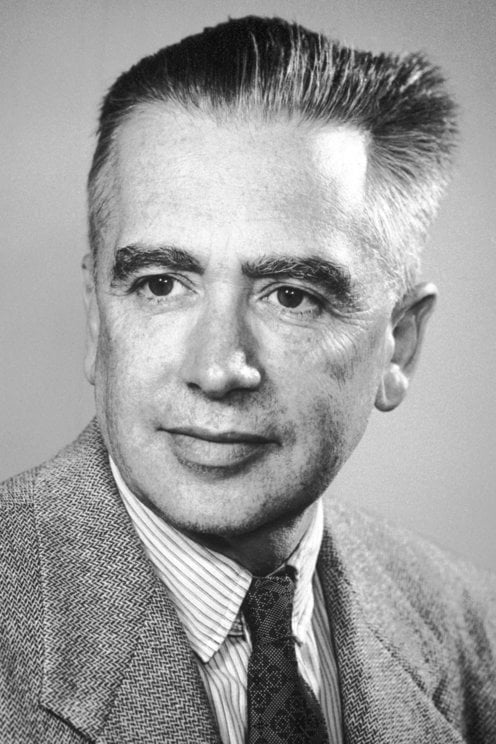
2421) Emilio Segrè
Gist:
Work
The matter around us has a kind of mirror image—antimatter. A particle and its antiparticle have an opposite electrical charge, among other things. The electron’s antiparticle positron was the first to be discovered. With high concentrations of energy, a pair of particles and antiparticles can be created, but when a particle and an antiparticle meet, both are annihilated and their mass is converted into radiation. In a 1955 experiment with a powerful particle accelerator, Emilio Segrè and Owen Chamberlain confirmed the existence of the proton’s antiparticle, the antiproton.
Summary
Emilio Gino Segrè (1 February 1905 – 22 April 1989) was an Italian-American nuclear physicist and radiochemist who discovered the elements technetium and astatine, and the antiproton, a subatomic antiparticle, for which he was awarded the Nobel Prize in Physics in 1959, along with Owen Chamberlain.
Born in Tivoli, near Rome, Segrè studied engineering at the University of Rome La Sapienza before taking up physics in 1927. Segrè was appointed assistant professor of physics at the University of Rome in 1932 and worked there until 1936, becoming one of the Via Panisperna boys. From 1936 to 1938 he was director of the Physics Laboratory at the University of Palermo. After a visit to Ernest O. Lawrence's Berkeley Radiation Laboratory, he was sent a molybdenum strip from the laboratory's cyclotron accelerator in 1937, which was emitting anomalous forms of radioactivity. Using careful chemical and theoretical analysis, Segrè was able to prove that some of the radiation was being produced by a previously unknown element, named technetium, the first artificially synthesized chemical element that does not occur in nature.
In 1938 and while Segrè was visiting the Berkeley Radiation laboratory, Benito Mussolini's fascist government passed antisemitic laws barring Jews from university positions. As a Jew, Segrè was rendered an indefinite émigré. At the Berkeley Radiation Lab, Lawrence offered him an underpaid job as a research assistant. There, Segrè helped discover the element astatine and the isotope plutonium-239, which was later used to make the Fat Man nuclear bomb dropped on Nagasaki. From 1943 to 1946 he worked at the Los Alamos National Laboratory as a group leader for the Manhattan Project. He found in April 1944 that Thin Man, the proposed plutonium gun-type nuclear weapon, would not work due to the presence of plutonium-240 impurities. In 1944, he became a naturalized citizen of the United States. On his return to Berkeley in 1946, he became a professor of physics and of history of science, serving until 1972. Segrè and Owen Chamberlain co-headed a research group at the Lawrence Radiation Laboratory that discovered the antiproton, for which the two shared the 1959 Nobel Prize in Physics.
Segrè was an active photographer who took many pictures documenting events and people in the history of modern science, which were donated to the American Institute of Physics after his death. The American Institute of Physics named its photographic archive of physics history in his honor.
Details
Emilio Segrè (born January 30, 1905, Tivoli, Italy—died April 22, 1989, Lafayette, California, U.S.) was an Italian-born American physicist who, with Owen Chamberlain, received the Nobel Prize for Physics in 1959 for the discovery of the antiproton, an antiparticle having the same mass as a proton but opposite in electrical charge.
Segrè initially began studies in engineering at the University of Rome in 1922 but later studied under Enrico Fermi and received his doctorate in physics in 1928. In 1932 Segrè was appointed assistant professor of physics at the University of Rome, and two years later he participated in neutron experiments directed by Fermi, in which many elements, including uranium, were bombarded with neutrons, and elements heavier than uranium were created. In 1935 they discovered slow neutrons, which have properties important to the operation of nuclear reactors.
Emilio Segrè was born on January 30, 1905, but government records say otherwise. “My father reported my arrival to the civil authorities later than prescribed by law,” Segrè wrote in his autobiography, “and to avoid complications, I was registered as having been born on February 1, which became my official birthday.”
Segrè left Rome in 1936 to become director of the physics laboratory at the University of Palermo. One year later he discovered technetium, the first element to be artificially produced. While visiting California in 1938, Segrè was dismissed from the University of Palermo by the Fascist government, so he remained in the United States as a research associate at the University of California, Berkeley. Continuing his research, he and his associates discovered the element astatine in 1940, and later, with another group, he discovered the isotope plutonium-239, which he found to be fissionable, much like uranium-235. Plutonium-239 was used in the first atomic bomb and in the bomb dropped on Nagasaki.
From 1943 to 1946 Segrè was a group leader at the Los Alamos Scientific Laboratory in Los Alamos, New Mexico. He was naturalized as a U.S. citizen in 1944 and became professor of physics at Berkeley (1946–72). In 1955, using the new bevatron particle accelerator, Segrè and Chamberlain produced and identified antiprotons and thus set the stage for the discovery of many additional antiparticles. He was appointed professor of nuclear physics at the University of Rome in 1974.
Segrè wrote several books, including Experimental Nuclear Physics (1953), Nuclei and Particles (1964), Enrico Fermi: Physicist (1970), and two books on the history of physics, From X-rays to Quarks: Modern Physicists and Their Discoveries (1980) and From Falling Bodies to Radio Waves (1984). His autobiography, A Mind Always in Motion, was published posthumously, in 1993.
Shortly after winning the Nobel Prize, Segrè wrote the entry on the proton for the 1960 printing of the 14th edition of the Encyclopædia Britannica.
It appears to me that if one wants to make progress in mathematics, one should study the masters and not the pupils. - Niels Henrik Abel.
Nothing is better than reading and gaining more and more knowledge - Stephen William Hawking.
Offline
#1859 2026-02-02 16:55:47
- Jai Ganesh
- Administrator
- Registered: 2005-06-28
- Posts: 53,831
Re: crème de la crème
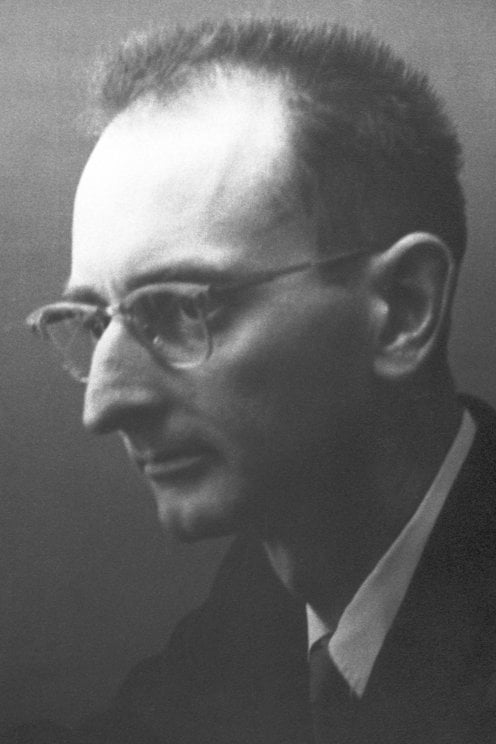
2422) Owen Chamberlain
Gist:
Work
The matter around us has a kind of mirror image—antimatter. A particle and its antiparticle have an opposite electrical charge, among other things. The electron’s antiparticle positron was the first to be discovered. With high concentrations of energy, a pair of particles and antiparticles can be created, but when a particle and an antiparticle meet, both are annihilated and their mass is converted into radiation. In a 1955 experiment with a powerful particle accelerator, Owen Chamberlain and Emilio Segrè confirmed the existence of the proton’s antiparticle, the antiproton.
Summary
Owen Chamberlain (born July 10, 1920, San Francisco, California, U.S.—died February 28, 2006, Berkeley, California) was an American physicist, who shared the Nobel Prize for Physics in 1959 with Emilio Segrè for their discovery of the antiproton. This previously postulated subatomic particle was the second antiparticle to be discovered and led directly to the discovery of many additional antiparticles.
Chamberlain attended Dartmouth College (B.A., 1941) and the University of California at Berkeley before working on the Manhattan Project, a U.S. research project that produced the first atom bombs. Later, while completing a Ph.D. (1948) at the University of Chicago, he worked at Argonne National Laboratory in Illinois. In 1948 he joined the faculty of the University of California at Berkeley, where he became a full professor in 1958 and professor emeritus in 1989. There he conducted research on alpha particle decay, neutron diffraction in liquids, and high-energy nuclear particle reactions. He and Segrè used the bevatron (a powerful particle accelerator) to produce antiprotons in 1955, and the following year they confirmed the existence of the antineutron.
Details
Owen Chamberlain (July 10, 1920 – February 28, 2006) was an American physicist who shared with Emilio Segrè the Nobel Prize in Physics for the discovery of the antiproton, a sub-atomic antiparticle.
Biography
Born in San Francisco, California, Chamberlain graduated from Germantown Friends School in Philadelphia in 1937. He studied physics at Dartmouth College, where he was a member of Alpha Theta chapter of Theta Chi fraternity, and at the University of California, Berkeley. He remained in school until the start of World War II, and joined the Manhattan Project in 1942, where he worked with Segrè, both at Berkeley and in Los Alamos, New Mexico. He married Beatrice Babette Copper (d. 1988) in 1943, with whom he had four children.
In 1946, after the war, Chamberlain continued with his doctoral studies at the University of Chicago under physicist Enrico Fermi. Fermi acted as an important guide and mentor for Chamberlain, encouraging him to leave behind theoretical physics for experimental physics, for which Chamberlain had a particular aptitude. Chamberlain received his PhD from the University of Chicago in 1949.
In 1948, having completed his experimental work, Chamberlain returned to Berkeley as a member of its faculty. There he, Segrè, and other physicists investigated proton-proton scattering. In 1955, a series of proton scattering experiments at Berkeley's Bevatron led to the discovery of the anti-proton, a particle like a proton but negatively charged. Chamberlain's later research work included the time projection chamber (TPC), and work at the Stanford Linear Accelerator Center (SLAC).
Chamberlain was politically active on issues of peace and social justice, and outspoken against the Vietnam War. He was a member of Scientists for Sakharov, Orlov, and Shcharansky, three physicists of the former Soviet Union imprisoned for their political beliefs. In the 1980s, he helped found the nuclear freeze movement. In 2003 he was one of 22 Nobel Laureates who signed the Humanist Manifesto.
After the death of his first wife in 1988, Chamberlain married artist June Steingart Greenfield, who died in 1991. His third wife, Senta Pugh-Chamberlain (née Gaiser) was the widow of physicist Howell Pugh.
Chamberlain was diagnosed with Parkinson's disease in 1985, and retired from teaching in 1989. He died of complications from the disease on February 28, 2006, in Berkeley at the age of 85. He was survived by his third wife, his four children from his first marriage, and two step-daughters from his third marriage.
Chamberlain plays a central role in Jacob M. Appel's Sherwood Anderson Award-winning short story, "Measures of Sorrow".
It appears to me that if one wants to make progress in mathematics, one should study the masters and not the pupils. - Niels Henrik Abel.
Nothing is better than reading and gaining more and more knowledge - Stephen William Hawking.
Offline
#1860 2026-02-03 18:06:46
- Jai Ganesh
- Administrator
- Registered: 2005-06-28
- Posts: 53,831
Re: crème de la crème
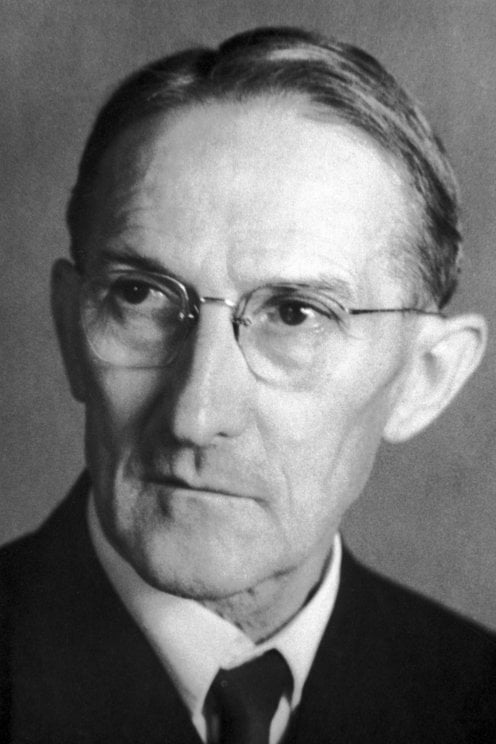
2423) Jaroslav Heyrovský
Gist:
Work
Chemical and electrical phenomena are often associated, as in the case of redox reactions, when electrons are emitted and absorbed. In 1922 Jaroslav Heyrovsky discovered a method for analyzing the occurrence and content of various substances in solutions using electrical measurements. The solution is analyzed with two electrodes, one of which is a dropping mercury electrode. At a voltage specific for different substances, redox reactions cause the current to rapidly increase to a level dependent on the concentration of the substance.
Summary
Jaroslav Heyrovský (born December 20, 1890, Prague, Bohemia, Austro-Hungarian Empire [now in Czech Republic]—died March 27, 1967, Prague, Czechoslovakia) was a Czech chemist who received the Nobel Prize for Chemistry in 1959 for his discovery and development of polarography.
Educated at the Charles University (Universita Karlova) of Prague and at University College, London, Heyrovský worked in London under Sir William Ramsay and F.G. Donnan. After holding several posts at the Charles University, he became professor and director of the department of physical chemistry (1926–54), and he was director of the Polarography Institute at the Czechoslovak Academy of Sciences (1950, 1952–63).
The work that eventually led to the discovery of polarography was begun in London at Donnan’s suggestion. Polarography is an instrumental method of chemical analysis used for qualitative and quantitative determinations of reducible or oxidizable substances. Heyrovský’s instrument measures the current that flows when a predetermined potential is applied to two electrodes immersed in the solution to be analyzed. Within 10 years of the demonstration of the first polarograph (1924) the method was in common use. Heyrovský’s monograph Polarographie appeared in 1941.
Details
Jaroslav Heyrovský (20 December 1890 – 27 March 1967) was a Czech chemist and inventor who received the Nobel Prize in Chemistry in 1959 for his invention of polarography.
Life and work
Jaroslav Heyrovský was born in Prague on 20 December 1890, the fifth child of Leopold Heyrovský, Professor of Roman Law at the Charles University in Prague, and his wife Clara, née Hanl von Kirchtreu. He obtained his early education at secondary school until 1909 when he began his study of chemistry, physics, and mathematics at the Charles University in Prague. From 1910 to 1914 he continued his studies at University College London, under Professors Sir William Ramsay, W. C. McC. Lewis, and F. G. Donnan, taking his B.Sc. degree in 1913. He was particularly interested in working with Professor Donnan, on electrochemistry.
During the First World War Heyrovský worked in a military hospital as a dispensing chemist and radiologist, which enabled him to continue his studies and to take his Ph.D. degree in Prague in 1918 and D.Sc. in London in 1921.
Heyrovský started his university career as assistant to Professor B. Brauner in the Institute of Analytical Chemistry of the Charles University, Prague; he was promoted to Associate Professor in 1922 and in 1926 he became the university's first professor of physical chemistry.
Heyrovský's invention of the polarographic method dates from 1922 and he concentrated his whole further scientific activity on the development of this new branch of electrochemistry. He formed a school of Czech polarographers in the university, and was himself in the forefront of polarographic research. In 1950 Heyrovský was appointed as the Director of the newly established Polarographic Institute, which was incorporated into the Czechoslovak Academy of Sciences in 1952.
In 1926 Professor Heyrovský married Marie (Mary) Koranová, and the couple had two children, a daughter, Jitka, and a son, Michael.
Jaroslav Heyrovský died on 27 March 1967. He was interred in the Vyšehrad cemetery in Prague.
Honors, awards, legacy
Many universities and seats of learning honored Heyrovský. He was elected Fellow of University College, London, in 1927, and received honorary doctorates from the Technical University, Dresden in 1955, the University of Warsaw in 1956, the University Aix-Marseille in 1959, and the University of Paris in 1960. He was granted honorary membership in the American Academy of Arts and Sciences in 1933; in the Hungarian Academy of Sciences in 1955; the Indian Academy of Sciences, Bangalore, in 1955; the Polish Academy of Sciences, Warsaw, in 1962; was elected Corresponding Member of the German Academy of Sciences, Berlin, in 1955; member of the German Academy of Natural Scientists, Leopoldina (Halle-Saale) in 1956; Foreign Member of the Royal Danish Academy of Sciences, Copenhagen, in 1962; Vice-President of the International Union of Physics from 1951 to 1957; President and first honorary member of the Polarographic Society, London; honorary member of the Polarographic Society of Japan; honorary member of the Chemical Societies of Czechoslovakia, Austria, Poland, England and India. In 1965, Heyrovský was elected a Foreign Member of the Royal Society (ForMemRS) in 1965.
In Czechoslovakia Heyrovský was awarded the State Prize, First Grade, in 1951, and in 1955 the Order of the Czechoslovak Republic.
Heyrovský lectured on polarography in the United States in 1933, the USSR in 1934, England in 1946, Sweden in 1947, the People's Republic of China in 1958, and in U.A.R. (Egypt) in 1960 and 1961.
The crater Heyrovský on the Moon is named in his honour.
It appears to me that if one wants to make progress in mathematics, one should study the masters and not the pupils. - Niels Henrik Abel.
Nothing is better than reading and gaining more and more knowledge - Stephen William Hawking.
Offline
#1861 2026-02-04 17:04:25
- Jai Ganesh
- Administrator
- Registered: 2005-06-28
- Posts: 53,831
Re: crème de la crème
2424) Arthur Kornberg
Gist:
Work
The substances known as DNA and RNA bear organisms' genetic code and also determine their vital processes. Arthur Kornberg took an interest in the way DNA and RNA are formed, and which enzymes steer this process. Enzymes are substances that speed up chemical processes inside organisms' cells without being consumed. By studying bacteria, Kornberg succeeded in isolating DNA polymerase in 1956–an enzyme that is active in the formation of DNA. Using a DNA molecule as a blueprint, the enzyme builds a copy of the DNA molecule from nucleotides, which are the building blocks of DNA.
Summary
Arthur Kornberg (born March 3, 1918, Brooklyn, N.Y., U.S.—died Oct. 26, 2007, Stanford, Calif.) was an American biochemist and physician who received (with Severo Ochoa) the 1959 Nobel Prize for Physiology or Medicine for discovering the means by which deoxyribonucleic acid (DNA) molecules are duplicated in the bacterial cell, as well as the means for reconstructing this duplication process in the test tube.
At the U.S. National Institutes of Health, Bethesda, Md. (1942–53), Kornberg directed research on enzymes and intermediary metabolism. He also helped discover the chemical reactions in the cell that result in the construction of flavine adenine dinucleotide (FAD) and diphosphopyridine nucleotide (DPN), coenzymes that are important hydrogen-carrying intermediaries in biological oxidations and reductions.
Appointed professor and director of the microbiology department at Washington University, St. Louis, Mo. (1953–59), he continued to study the way in which living organisms manufacture nucleotides, which consist of a nitrogen-containing organic base linked to a five-carbon sugar ring—ribose or deoxyribose—linked to a phosphate group. Nucleotides are the building blocks for the giant nucleic acids DNA and RNA (ribonucleic acid, which is essential to the construction of cell proteins according to the specifications dictated by the “message” contained in DNA).
This research led Kornberg directly to the problem of how nucleotides are strung together (polymerized) to form DNA molecules. Adding nucleotides “labeled” with radioactive isotopes to extracts prepared from cultures of the common intestinal bacterium Escherichia coli, he found (1956) evidence of an enzyme-catalyzed polymerization reaction. He isolated and purified an enzyme (now known as DNA polymerase) that—in combination with certain nucleotide building blocks—could produce precise replicas of short DNA molecules (known as primers) in a test tube.
Kornberg became a professor of biochemistry at Stanford University, Palo Alto, Calif., in 1959. From 1959 to 1969 he was department chairman. His writings include Enzymatic Synthesis of DNA (1961). Kornberg’s son Roger D. Kornberg won the 2006 Nobel Prize for Chemistry. They became the sixth father-son tandem to win Nobel Prizes.
Details
Arthur Kornberg (March 3, 1918 – October 26, 2007) was an American biochemist who won the Nobel Prize in Physiology or Medicine in 1959 for the discovery of "the mechanisms in the biological synthesis of ribonucleic acid and deoxyribonucleic acid" together with Spanish biochemist and physician Severo Ochoa of New York University. He was also awarded the Paul-Lewis Award in Enzyme Chemistry from the American Chemical Society in 1951, an L.H.D. degree from Yeshiva University in 1962, and the National Medal of Science in 1979. In 1991, Kornberg received the Golden Plate Award of the American Academy of Achievement and the Gairdner Foundation Award in 1995.
Kornberg's primary research interests were in biochemistry, especially enzyme chemistry, deoxyribonucleic acid synthesis (DNA replication) and studying the nucleic acids which control heredity in animals, plants, bacteria and viruses.
Early life and education
Born in New York City, Kornberg was the son of Jewish parents Joseph and Lena (née Katz) Kornberg, who emigrated to New York from Austrian Galicia (now part of Poland) in 1900 before they were married. His paternal grandfather had changed the family name from Queller (also spelled Kweller) to avoid the draft by taking on the identity of someone who had already completed military service. Joseph married Lena in 1904. Joseph worked as a sewing machine operator in the sweat shops of the Lower East Side, Manhattan for almost 30 years, and when his health failed, opened a small hardware store in Brooklyn, where Arthur assisted customers at the age of nine. Joseph spoke at least six languages although he had no formal education.
Arthur Kornberg was educated first at Abraham Lincoln High School and then at City College of New York. He received a B.S. in 1937, followed by a Doctor of Medicine at the University of Rochester in 1941. Kornberg had a mildly elevated level of bilirubin in his blood— jaundice due to a hereditary genetic condition known as Gilbert's syndrome—and, while at medical school, he took a survey of fellow students to discover how common the condition was. The results were published in Kornberg's first research paper in 1942.
Kornberg's internship was at Strong Memorial Hospital in Rochester, New York, in 1941–1942. After completing his medical training, he joined the armed services as a lieutenant in the United States Coast Guard, serving as a ship's doctor in 1942 in the Caribbean. Rolla Dyer, the Director of National Institutes of Health, had noticed his paper and invited him to join the research team at the Nutrition Laboratory of the NIH. From 1942 to 1945, Kornberg's work was the feeding of specialized diets to rats to discover new vitamins.
Research and career
The feeding of rats was boring work, and Kornberg became fascinated by enzymes. He transferred to Dr Severo Ochoa's laboratory at New York University in 1946, and took summer courses at Columbia University to fill out the gaps in his knowledge of organic and physical chemistry while learning the techniques of enzyme purification at work. He became Chief of the Enzyme and Metabolism Section at NIH from 1947–1953, working on understanding of ATP production from NAD and NADP. This led to his work on how DNA is built up from simpler molecules.
While working at NIH, he also researched at Washington University in St. Louis (in the lab of Carl Ferdinand Cori and Gerty Cori in 1947), and the University of California, Berkeley (in the lab of Horace Barker in 1951).
In 1953 he became professor and head of the department of microbiology, Washington University in St. Louis, until 1959. Here he continued experimenting with the enzymes which created DNA. In 1956 he isolated the first DNA polymerizing enzyme, now known as DNA polymerase I. This got him elected to the United States National Academy of Sciences in 1957 and won him the Nobel prize in 1959.
In 1960, he was elected to the American Philosophical Society, received a LL.D. again from City College and a D.Sc. at the University of Rochester in 1962. He became professor and executive head of the department of biochemistry, Stanford University, in 1959. In an interview in 1997, Arthur Kornberg (referring to Josh Lederberg) said: "Lederberg really wanted to join my department. I knew him; he's a genius, but he'd be unable to focus and to operate within a small family group like ours, and so, I was instrumental in establishing a department of genetics [at Stanford] of which he would be chairman."
Kornberg's mother died of gas gangrene from a spore infection after a routine gall bladder operation in 1939. This started his lifelong fascination with spores, and he devoted some of his research efforts to understanding them while at Washington University. From 1962 to 1970, in the midst of his work on DNA synthesis, Kornberg devoted half his research effort to determining how DNA is stored in the spore, what replication mechanisms are included, and how the spore generates a new cell. This was an unfashionable but complex area of science, and although some progress was made, eventually Kornberg abandoned this research.
The Arthur Kornberg Medical Research Building at the University of Rochester Medical Center was named in his honor in 1999.
Until his death, Kornberg maintained an active research laboratory at Stanford and regularly published scientific journal articles. For several years the focus of his research was the metabolism of inorganic polyphosphate.
The "Kornberg school" of biochemistry refers to Arthur Kornberg's many graduate students and post-doctoral fellows, i.e., his intellectual children, and the trainees of his trainees, i.e., his intellectual grandchildren. Kornberg's intellectual children include I. Robert Lehman, Charles C. Richardson, Randy Schekman, William T. Wickner, James Rothman, Arturo Falaschi and Ken-ichi Arai.
It appears to me that if one wants to make progress in mathematics, one should study the masters and not the pupils. - Niels Henrik Abel.
Nothing is better than reading and gaining more and more knowledge - Stephen William Hawking.
Offline
#1862 2026-02-05 18:43:16
- Jai Ganesh
- Administrator
- Registered: 2005-06-28
- Posts: 53,831
Re: crème de la crème
2425) Severo Ochoa
Gist:
Work
The substances known as DNA and RNA bear organisms' genetic code and also determine their vital processes. Severo Ochoa investigated how DNA and RNA are formed and which enzymes control this process. By studying bacteria, Ochoa and Marianne Grunberg-Manago discovered an enzyme in 1955 that can join nucleotides–the building blocks of RNA and DNA–together. Initially, it was thought that this enzyme assembled RNA based on information contained in DNA. This was later proven to be incorrect, although the enzyme proved to have other important functions nonetheless.
Summary
Severo Ochoa (born Sept. 24, 1905, Luarca, Spain—died Nov. 1, 1993, Madrid) was a biochemist and molecular biologist who received (with the American biochemist Arthur Kornberg) the 1959 Nobel Prize for Physiology or Medicine for his discovery of an enzyme in bacteria that enabled him to synthesize ribonucleic acid (RNA), a substance of central importance to the synthesis of proteins by the cell.
Ochoa was educated at the University of Madrid, where he received his M.D. in 1929. He then spent two years studying the biochemistry and physiology of muscle under the German biochemist Otto Meyerhof at the University of Heidelberg. He also served as head of the physiology division, Institute for Medical Research, at the University of Madrid (1935). He investigated the function in the body of thiamine (vitamin B1) at the University of Oxford (1938–41) and became a research associate in medicine (1942) and professor of pharmacology (1946) at New York University, New York City, where he became professor of biochemistry and chairman of the department in 1954. From 1974 to 1985 he was associated with the Roche Institute of Molecular Biology; thereafter he taught at the Autonomous University of Madrid. Ochoa became a U.S. citizen in 1956.
Ochoa made the discovery for which he received the Nobel Prize in 1955, while conducting research on high-energy phosphates. He named the enzyme he discovered polynucleotide phosphorylase. It was subsequently determined that the enzyme’s function is to degrade RNA, not synthesize it; under test-tube conditions, however, it runs its natural reaction in reverse. The enzyme has been singularly valuable in enabling scientists to understand and re-create the process whereby the hereditary information contained in genes is translated, through RNA intermediaries, into enzymes that determine the functions and character of each cell.
Details
Severo Ochoa de Albornoz (24 September 1905 – 1 November 1993) was a Spanish physician and biochemist, and winner of the 1959 Nobel Prize in Physiology or Medicine together with Arthur Kornberg for their discovery of "the mechanisms in the biological synthesis of deoxyribonucleic acid (DNA)".
Education and early life
Ochoa was born in Luarca (Asturias), Spain. His father was Severo Manuel Ochoa (who he was named after), a lawyer and businessman, and his mother was Carmen de Albornoz. Ochoa was the nephew of Álvaro de Albornoz (President of the Second Spanish Republic in exile and former Foreign Minister), and a cousin of the poet and critic Aurora de Albornoz. His father died when Ochoa was seven, and he and his mother moved to Málaga, where he attended elementary school through high school. His interest in biology was stimulated by the publications of the Spanish neurologist and Nobel laureate Santiago Ramón y Cajal. In 1923, he went to the University of Madrid Medical School, where he hoped to work with Ramón y Cajal, but Ramón y Cajal retired. He studied with father Pedro Arrupe, and Juan Negrín was his teacher:
Negrin opened wide, fascinating vistas to my imagination, not only through his lectures and laboratory teaching, but through his advice, encouragement, and stimulation to read scientific monographs and textbooks in languages other than Spanish.
Negrín encouraged Ochoa and another student, José Valdecasas, to isolate creatinine from urine. The two students succeeded and also developed a method to measure small levels of muscle creatinine. Ochoa spent the summer of 1927 at University of Glasgow working with D. Noel Paton on creatine metabolism and improving his English skills. He also refined the assay procedure further and upon returning to Spain he and Valdecasas submitted a paper describing the work to the Journal of Biological Chemistry, where it was rapidly accepted, marking the beginning of Ochoa's biochemistry career.
Ochoa completed his undergraduate medical degree in the summer of 1929 and decide to go abroad again to gain further research experience. His creatine and creatinine work led to an invitation to join Otto Meyerhof's laboratory at the Kaiser Wilhelm Institute for Biology in Berlin-Dahlem in 1929. At that time the institute was a "hot bed" of the rapidly evolving discipline of biochemistry, and thus Ochoa had the experience of meeting and interacting with scientists such as Otto Heinrich Warburg, Carl Neuberg, Einar Lundsgaard, and Fritz Lipmann in addition to Meyerhof who had received the Nobel Prize in Physiology and Medicine less than a decade earlier.
In 1930 Ochoa returned to Madrid to complete research for his MD thesis, which he defended that year. In 1931, a newly minted MD, he married Carmen García Cobián. They did not have any children. He then began postdoctoral study at the National Institute for Medical Research in London, where he worked with Henry Hallett Dale. His London research involved the enzyme glyoxalase and was an important departure in Ochoa's career in two respects. First, the work marked the beginning of Ochoa's lifelong interest in enzymes. Second, the project was at the cutting edge of the rapidly evolving study of intermediary metabolism.
Career and research
In 1933 the Ochoas returned to Madrid where he began to study glycolysis in heart muscle. Within two years, he was offered the directorship of the Physiology Section in a newly created Institute for Medical Research at the University of Madrid Medical School. Unfortunately the appointment was made just as the Spanish Civil War erupted. Ochoa decided that trying to perform research in such an environment would destroy forever his "chances of becoming a scientist." Thus, "after much thought, my wife and I decided to leave Spain." In September 1936 they began what he later called the "wander years" as they traveled from Spain to Germany, to England, and ultimately to the United States within a span of four years.
Ochoa left Spain and returned to Meyerhof's Kaiser Wilhelm Institute for Biology now relocated in Heidelberg, where Ochoa found a profoundly changed research focus. During his 1930 visit the laboratory work was "classical physiology," which Ochoa described as "one could see muscles twitching everywhere". By 1936 Meyerhof's laboratory had become one of the world's foremost biochemical facilities focused on processes such as glycolysis and fermentation. Rather than studying muscles "twitch," the lab was now purifying and characterizing the enzymes involved in muscle action and those involved in yeast fermentation.
From then until 1938, he held many positions and worked with many people at many places. For example, Otto Meyerhof appointed him Guest Research Assistant at the Kaiser Wilhelm Institute for Medical Research in Heidelberg for one year. From 1938 until 1941 he was Demonstrator and Nuffield Research Assistant at the University of Oxford.
Ochoa continued research on protein synthesis and replication of RNA viruses until 1985, when he returned to now democratic Spain where he was a science advisor. Ochoa was also a recipient of U.S. National Medal of Science in 1978.
Severo Ochoa died in Madrid, Spain on 1 November 1993. Carmen García Cobián had died in 1986.
Long after his death, Spanish actress Sara Montiel claimed that she and Severo Ochoa were involved in a romantic relationship in the 1950s, as stated in an interview in Spanish newspaper El País: "The great love of my life was Severo Ochoa. But it was an impossible love. Clandestine. He was married, and besides, him doing research and me doing films wasn't a good match."
Legacy
A research center that was planned in the 1970s was opened in 1975 (CBM) in the Autonomous University of Madrid (UAM). After his death, it was named the Centro de Biología Molecular Severo Ochoa.
In Leganés, Madrid, a hospital bears his name, as does the Madrid Metro station serving it, Hospital Severo Ochoa.
The asteroid 117435 Severochoa is also named in his honor.
In 2003, the Spanish General Post Office (Correos) issued a €0,76 postage stamp honoring Ochoa, as one of a pair featuring Spanish medical Nobel Prize winners[14] alongside Santiago Ramón y Cajal.
In June 2011, the United States Postal Service issued a stamp honoring him, as part of the American Scientists collection, along with Melvin Calvin, Asa Gray, and Maria Goeppert-Mayer. This was the third volume in the series.
The main road in to the tourist resort Benidorm is named Avenida Dr. Severo Ochoa in his honor.
It appears to me that if one wants to make progress in mathematics, one should study the masters and not the pupils. - Niels Henrik Abel.
Nothing is better than reading and gaining more and more knowledge - Stephen William Hawking.
Offline
#1863 2026-02-06 17:31:29
- Jai Ganesh
- Administrator
- Registered: 2005-06-28
- Posts: 53,831
Re: crème de la crème
2426) Pavel Cherenkov
Gist:
Work
In certain media the speed of light is lower than in a vacuum and particles can travel faster than light. One result of this was discovered in 1934 by Pavel Cherenkov, when he saw a bluish light around a radioactive preparation placed in water. Igor Tamm and Ilya Frank explained the phenomenon in 1937. On their way through a medium, charged particles disturb electrons in the medium. When these resume their position, they emit light. Normally this does not produce any light that can be observed, but if the particle moves faster than light, a kind of backwash of light appears.
Summary
Pavel Alekseyevich Cherenkov (born July 15 [July 28, New Style], 1904, Novaya Chigla, Russia—died Jan. 6, 1990, U.S.S.R.) was a Soviet physicist who shared the 1958 Nobel Prize for Physics with fellow Soviet scientists Igor Y. Tamm and Ilya M. Frank for the discovery and theoretical interpretation of the phenomenon of Cherenkov radiation.
A peasant’s son, Cherenkov graduated from Voronezh State University in 1928; he later became a research student at the P.N. Lebedev Physical Institute. In 1934, working on his dissertation under the guidance of and in collaboration with Sergei Ivanovich Vavilov, he observed that electrons produce a faint blue glow when passing through a transparent liquid at high velocity. This Cherenkov radiation, which was correctly explained by Tamm and Frank in 1937, led to the development of the Cherenkov counter, or Cherenkov detector, that later was used extensively in experimental nuclear and particle physics. Cherenkov continued to do research in nuclear and cosmic-ray physics at the P.N. Lebedev Physical Institute. Cherenkov was elected to the U.S.S.R. Academy of Sciences as a corresponding (1964) and subsequently full (1970) member.
Details
Pavel Alekseyevich Cherenkov (28 July 1904 – 6 January 1990) was a Soviet physicist who shared the 1958 Nobel Prize in Physics with Ilya Frank and Igor Tamm "for the discovery and interpretation of the Cherenkov effect".
Biography
Cherenkov was born into a Russian family on July 28, 1904, to Alexey Cherenkov and Mariya Cherenkova in the small village of Novaya Chigla. This town is in present-day Voronezh Oblast, Russia.
In 1928, he graduated from the Department of Physics and Mathematics of Voronezh State University. In 1930, he took a post as a senior researcher in the Lebedev Physical Institute. That same year he married Maria Putintseva, daughter of A.M. Putintsev, a Professor of Russian Literature. They had a son, Alexey, and a daughter, Yelena.
Cherenkov was promoted to section leader, and in 1940 was awarded the degree of Doctor of Physico-Mathematical Sciences. In 1953, he was confirmed as Professor of Experimental Physics. Starting in 1959, he headed the institute's photo-meson processes laboratory. He remained a professor for fourteen years. In 1970, he became Academician of the USSR Academy of Sciences.
Cherenkov died in Moscow on 6 January 1990 and was buried in Novodevichy Cemetery.
Discoveries in physics
In 1934, while working under S. I. Vavilov, Cherenkov observed the emission of blue light from a bottle of water subjected to radioactive bombardment. This phenomenon, associated with charged subatomic particles moving at velocities greater than the phase velocity of light, proved to be of great importance in subsequent experimental work in nuclear physics, and for the study of cosmic rays. Eponymously, it was dubbed the Cherenkov effect, as was the Cherenkov detector, which has become a standard piece of equipment in particle-physics research for observing the existence and velocity of high-speed particles. Such a device was installed in Sputnik 3.
Pavel Cherenkov also shared in the development and construction of electron accelerators and in the investigation of photo-nuclear and photo-meson reactions.
Awards and honours
Cherenkov was awarded two Stalin Prizes, the first in 1946, sharing the honor with Vavilov, Frank and Tamm, and another in 1952. He was also awarded the USSR State Prize in 1977. In 1958, he was awarded the Nobel Prize in Physics for the discovery of the Cherenkov effect. He was also awarded the Soviet Union's Hero of Socialist Labour title in 1984. Cherenkov was a member of the Communist Party of the Soviet Union since 1946.
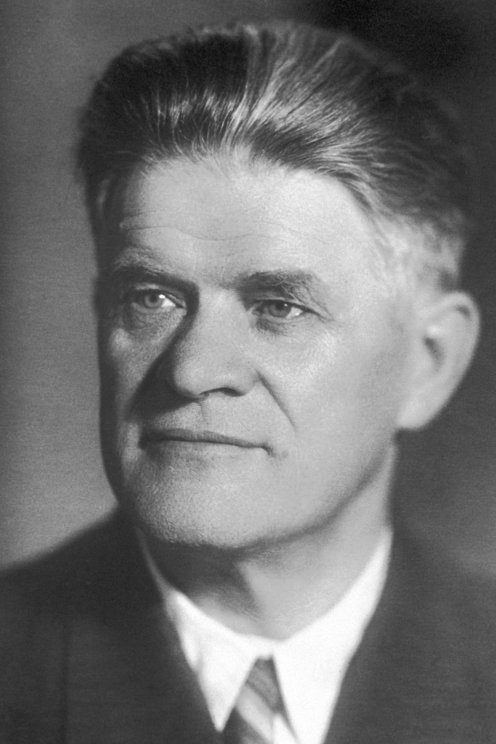
It appears to me that if one wants to make progress in mathematics, one should study the masters and not the pupils. - Niels Henrik Abel.
Nothing is better than reading and gaining more and more knowledge - Stephen William Hawking.
Offline
#1864 2026-02-07 18:35:44
- Jai Ganesh
- Administrator
- Registered: 2005-06-28
- Posts: 53,831
Re: crème de la crème
2427) Ilya Frank
Gist:
Work
In certain media the speed of light is lower than in a vacuum and particles can travel faster than light. One result of this was discovered in 1934 by Pavel Cherenkov, when he saw a bluish light around a radioactive preparation placed in water. Ilya Frank and Igor Tamm explained the phenomenon in 1937. On their way through a medium, charged particles disturb electrons in the medium. When these resume their position, they emit light. Normally this does not produce any light that can be observed, but if the particle moves faster than light, a kind of backwash of light appears.
Summary
Ilya Mikhaylovich Frank (born October 10 [October 23, New Style], 1908, St. Petersburg, Russia—died June 22, 1990, Moscow, Russia, U.S.S.R.) was a Soviet winner of the Nobel Prize for Physics in 1958 jointly with Pavel A. Cherenkov and Igor Y. Tamm, also of the Soviet Union. He received the award for explaining the phenomenon of Cherenkov radiation.
After graduating from Moscow State University in 1930, Frank worked at the Leningrad Optical Institute. He returned to Moscow to work at the P.N. Lebedev Physical Institute (1934–70) and from 1940 was a professor at Moscow State University.
In 1937 Frank and Tamm provided the theoretical explanation of Cherenkov radiation, an effect discovered by Cherenkov in 1934 in which light is emitted when charged particles travel through an optically transparent medium at speeds greater than the speed of light in that medium. The effect led to the development of Cherenkov counters for detecting and measuring the velocity of high-speed particles, allowing discoveries of new elementary particles such as the antiproton.
Frank later worked on theoretical and experimental nuclear physics and the design of reactors, and from 1957 he headed the neutron laboratory at the Joint Institute for Nuclear Research in Dubna. In 1946 Frank was elected a corresponding member, and in 1968 a full member, of the U.S.S.R. Academy of Sciences.
Details
Ilya Mikhailovich Frank (23 October 1908 – 22 June 1990) was a Soviet physicist who received the 1958 Nobel Prize in Physics, jointly with Pavel Alekseyevich Cherenkov and Igor Y. Tamm, also of the Soviet Union. He received the award for his work in explaining the phenomenon of Cherenkov radiation. He received the Stalin prize in 1946 and 1953 and the USSR state prize in 1971.
Life and career
Ilya Frank was born on 23 October 1908 in St. Petersburg. His father, Mikhail Lyudvigovich Frank, was a talented mathematician descended from a Jewish family, while his mother, Yelizaveta Mikhailovna Gratsianova, was a Russian Orthodox physician. His father participated in the student revolutionary movement, and as a result was expelled from Moscow University. After the October Revolution, he was reinstated and appointed professor. Ilya's uncle, Semyon Frank, a philosopher, was expelled from Soviet Russia in 1922 together with 160 other intellectuals. Ilya had one elder brother, Gleb Mikhailovich Frank, who became an eminent biophysicist and member of the Academy of Sciences of the USSR.
Ilya Frank studied mathematics and theoretical physics at Moscow State University. From his second year he worked in the laboratory of Sergey Ivanovich Vavilov, whom he regarded as his mentor. After graduating in 1930, on recommendation of Vavilov, he started working at the State Optical Institute in Leningrad. There he wrote his first publication—about luminescence— with Vavilov. The work he did there would form the basis of his doctoral dissertation in 1935.
In 1934, Frank moved to the Institute of Physics and Mathematics of the USSR Academy of Sciences (which shortly would be moved to Moscow, where it was transformed into the Institute of Physics). Here he started working on nuclear physics, a new field for him. He became interested in the effect discovered by Pavel Cherenkov, that charged particles moving through water at high speeds emit light. Together with Igor Tamm, he developed a theoretical explanation: the effect occurs when charged particles travel through an optically transparent medium at speeds greater than the speed of light in that medium, causing a shock wave in the electromagnetic field. The amount of energy radiated in this process is given by the Frank–Tamm formula.
The discovery and explanation of the effect resulted in the development of new methods for detecting and measuring the velocity of high-speed nuclear particles and became of great importance for research in nuclear physics. Cherenkov radiation is also widely used in biomedical research for detection of radioactive isotopes. In 1946, Cherenkov, Vavilov, Tamm, and Frank were awarded a Stalin Prize for their discovery, and 1958 Cherenkov, Tamm, and Frank received the Nobel Prize in Physics.
In 1944, Frank was appointed professor and became head of a department at the Institute of Physics and of the Nuclear Physics Laboratory (which was later transferred to the Institute of Nuclear Research). Frank's laboratory was involved in the (then secret) study of nuclear reactors. In particular, they studied the diffusion and thermalization of neutrons.
In 1957, Frank also become director of the Laboratory of Neutron Physics at the Joint Institute for Nuclear Research. The laboratory was based on the neutron fast-pulse reactor (IBR) then under construction at the site. Under Frank's supervision the reactor was used in the development of neutron spectroscopy techniques.
Personal life and death
Frank married the noted historian, Ella Abramovna Beilikhis, in 1937. Their son, Alexander, was born in the same year, and would continue much of the studies of his father as a physicist.
Frank died on 22 June 1990 in Moscow at the age 81.
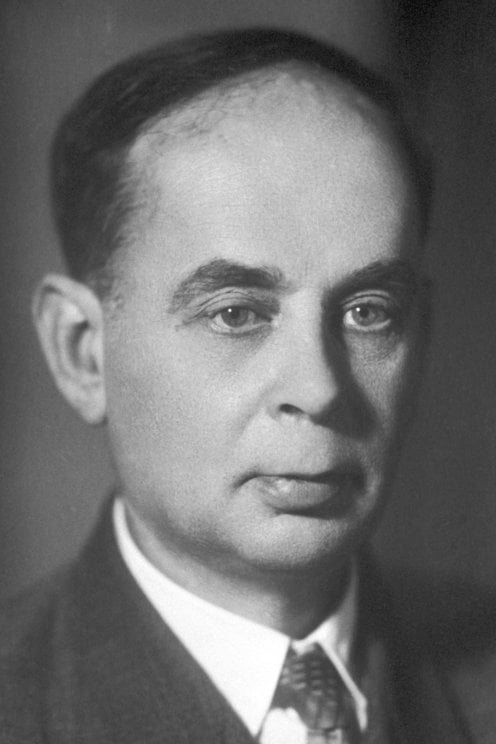
It appears to me that if one wants to make progress in mathematics, one should study the masters and not the pupils. - Niels Henrik Abel.
Nothing is better than reading and gaining more and more knowledge - Stephen William Hawking.
Offline
#1865 2026-02-08 17:39:58
- Jai Ganesh
- Administrator
- Registered: 2005-06-28
- Posts: 53,831
Re: crème de la crème
2428) Igor Tamm
Gist:
Work
In certain media the speed of light is lower than in a vacuum and particles can travel faster than light. One result of this was discovered in 1934 by Pavel Cherenkov, when he saw a bluish light around a radioactive preparation placed in water. Igor Tamm and Ilya Frank explained the phenomenon in 1937. On their way through a medium, charged particles disturb electrons in the medium. When these resume their position, they emit light. Normally this does not produce any light that can be observed, but if the particle moves faster than light, a kind of backwash of light appears.
Summary
Igor Yevgenyevich Tamm (born July 8 [June 26, Old Style], 1895, Vladivostok, Siberia, Russia—died April 12, 1971, Moscow, Russia, Soviet Union) was a Soviet physicist who shared the 1958 Nobel Prize for Physics with Pavel A. Cherenkov and Ilya M. Frank for his efforts in explaining Cherenkov radiation. Tamm was one of the theoretical physicists who contributed to the construction of the first Soviet thermonuclear bomb.
Tamm’s father was an engineer in the city of Yelizavetgrad (now Kirovohrad, Ukr.), where he was responsible for building and managing electric power stations and water systems. Tamm graduated from the gymnasium there in 1913 and went abroad to study at the University of Edinburgh. The following year he returned to Moscow State University, and he graduated in 1918. In 1924 he became a lecturer in the physics department, and in 1930 he succeeded his mentor, Leonid I. Mandelstam, to the chair of theoretical physics. In 1933 Tamm was elected a corresponding member of the Soviet Academy of Sciences. The following year, he joined the P.N. Lebedev Physics Institute of the Soviet Academy of Sciences (FIAN), where he organized and headed the theoretical division, a position he occupied until his death.
Tamm’s early studies of unique forms of electron bonding (“Tamm surface levels”) on the surfaces of crystalline solids had important applications in the later development of solid-state semiconductor devices. In 1934 Cherenkov had discovered that light is emitted when gamma rays pass through a liquid medium. In 1937 Tamm and Frank explained this phenomenon as the emission of light waves by electrically charged particles moving faster than the speed of light in a medium. Tamm developed this theory more fully in a paper published in 1939. For these discoveries Tamm, Frank, and Cherenkov received the 1958 Nobel Prize for Physics.
Immediately after World War II, Tamm, though a major theoretician, was not assigned to work on the atomic bomb project, possibly for political reasons. In particular, he was branded a “bourgeois idealist” and his brother an “enemy of the state.” Nevertheless, in June 1948, when physicist Igor V. Kurchatov needed a strong team to investigate the feasibility of creating a thermonuclear bomb, Tamm was recruited to organize the theoretical division of FIAN in Moscow. The Tamm group came to include physicists Yakov B. Zeldovich, Vitaly L. Ginzburg, Semyon Z. Belenky, Andrey D. Sakharov, Efim S. Fradkin, Yuri A. Romanov, and Vladimir Y. Fainberg. Between March and April 1950, Tamm and several members of his group were sent to the secret installation known as Arzamas-16 (near the present-day village of Sarov) to work under physicist Yuly Khariton’s direction on a thermonuclear bomb project. One bomb design, known as the Sloika (“Layer Cake”), was successfully tested on Aug. 12, 1953. Tamm was elected a full member of the Academy of Sciences in October 1953 and the same year was awarded a Hero of Socialist Labour. On Nov. 22, 1955, the Soviet Union successfully tested a more modern thermonuclear bomb that was analogous to the design of the American physicists Edward Teller and Stanislaw Ulam.
Tamm spent the latter decades of his career at the Lebedev Institute, where he worked on building a fusion reactor to control fusion, using a powerful magnetic field in a donut-shaped device known as a Tokamak reactor.
Britannica Quiz
Details
Igor Yevgenyevich Tamm (8 July 1895 – 12 April 1971) was a Soviet physicist who received the 1958 Nobel Prize in Physics, jointly with Pavel Alekseyevich Cherenkov and Ilya Mikhailovich Frank, for their 1934 discovery and demonstration of Cherenkov radiation. He also predicted the quasi-particle of sound: the phonon; and in 1951, together with Andrei Sakharov, proposed the Tokamak system.
Biography
Igor Tamm was born in 1895 in Vladivostok into the family of Eugene Tamm, a civil engineer, and his wife Olga Davydova. According to Russian sources, Tamm had German noble descent on his father's side through his grandfather Theodor Tamm, who emigrated from Thuringia. Although his surname "Tamm" is rather common in Estonia, other sources state he was Jewish or had Jewish ancestry.
He studied at a gymnasium in Elisavetgrad (now Kropyvnytskyi, Ukraine). In 1913–1914 he studied at the University of Edinburgh together with his school-friend Boris Hessen.
At the outbreak of World War I in 1914 he joined the army as a volunteer field medic. In 1917 he joined the Revolutionary movement and became an active anti-war campaigner, serving on revolutionary committees after the March Revolution. He returned to the Moscow State University from which he graduated in 1918.
Tamm married Nataliya Shuyskaya (1894–1980) in September 1917. Shе belonged to a noble Rurikid Shuysky family. They eventually had two children, Irina (1921–2009, chemist) and Evgeny (1926–2008, experimental physicist and famous mountain climber, leader of the Soviet Everest expedition in 1982[).
On 1 May 1923, Tamm began teaching physics at the Second Moscow State University. The same year, he finished his first scientific paper, Electrodynamics of the Anisotropic Medium in the Special Theory of Relativity. In 1928, he spent a few months with Paul Ehrenfest at the University of Leiden and made a life-long friendship with Paul Dirac. From 1934 until his death in 1971 Tamm was the head of the theoretical department at Lebedev Physical Institute in Moscow.
In 1932, Tamm published a paper with his proposal of the concept of surface states. This concept is important for metal–oxide–semiconductor field-effect transistor (MOSFET) physics.
In 1934, Tamm and Semen Altshuller suggested that the neutron has a non-zero magnetic moment, the idea was met with scepticism at that time, as the neutron was supposed to be an elementary particle with zero charge, and thus could not have a magnetic moment. The same year, Tamm coined an idea that proton-neutron interactions can be described as an exchange force transmitted by a yet unknown massive particle, this idea was later developed by Hideki Yukawa into a theory of meson forces.
In 1945 he developed an approximation method for many-body physics. As Sidney Dancoff developed it independently in 1950, it is now called the Tamm-Dancoff approximation.
He was the Nobel Laureate in Physics for the year 1958 together with Pavel Cherenkov and Ilya Frank for the discovery and the interpretation of the Cherenkov-Vavilov effect.
In late 1940s to early 1950s Tamm was involved in the Soviet thermonuclear bomb project; in 1949–1953 he spent most of his time in the "secret city" of Sarov, working as a head of the theoretical group developing the hydrogen bomb, however he retired from the project and returned to the Moscow Lebedev Physical Institute after the first successful test of a hydrogen bomb in 1953.
In 1951, together with Andrei Sakharov, Tamm proposed a tokamak system for the realization of controlled thermonuclear fusion on the basis of toroidal magnetic thermonuclear reactor and soon after the first such devices were built by the INF. Results from the T-3 Soviet magnetic confinement device in 1968, when the plasma parameters unique for that time were obtained, showed temperatures in their machine to be over an order of magnitude higher than what was expected by the rest of the community. The western scientists visited the experiment and verified the high temperatures and confinement, sparking a wave of optimism for the prospects of the tokamak as well as construction of new experiments, which is still the dominant magnetic confinement device today.
In 1964 he was elected a Member of the German Academy of Sciences Leopoldina.
Tamm was a student of Leonid Isaakovich Mandelshtam in science and life.
Tamm was an atheist.
Tamm died in Moscow, Soviet Union on 12 April 1971, the Lunar crater Tamm is named after him. He is buried at Novodevichy Cemetery.
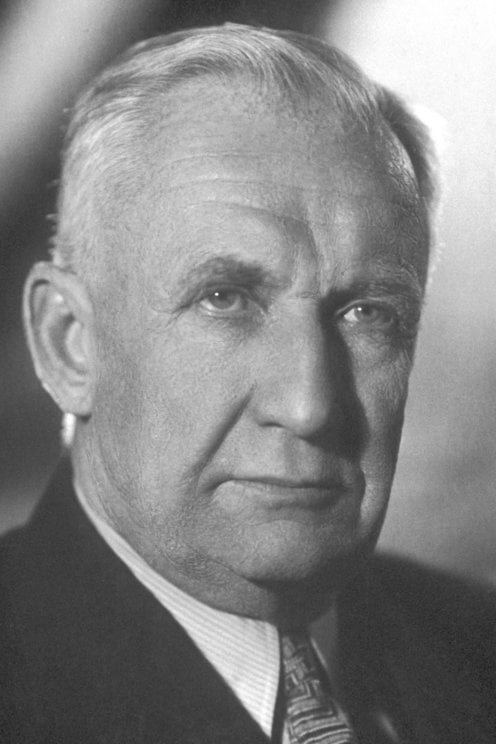
It appears to me that if one wants to make progress in mathematics, one should study the masters and not the pupils. - Niels Henrik Abel.
Nothing is better than reading and gaining more and more knowledge - Stephen William Hawking.
Offline
#1866 2026-02-09 18:45:44
- Jai Ganesh
- Administrator
- Registered: 2005-06-28
- Posts: 53,831
Re: crème de la crème
2429) Fredrick Sanger
Gist:
Life
Frederick Sanger was born in the small village of Rendcomb, England. His father was a doctor. After having converted to quakerism he brought up his sons as quakers. Frederick Sanger studied and received his PhD at the University of Cambridge in 1943. He remained in Cambridge for the rest of his career. Frederick Sanger was married with three children.
Work
Proteins, which are molecules made up of chains of amino acids, play a pivotal role in life processes in our cells. One important protein is insulin, a hormone that regulates sugar content in blood. Beginning in the 1940s, Frederick Sanger studied the composition of the insulin molecule. He used acids to break the molecule into smaller parts, which were separated from one another with the help of electrophoresis and chromatography. Further analyses determined the amino acid sequences in the molecule’s two chains, and in 1955 Sanger identified how the chains are linked together.
Summary
Frederick Sanger (born August 13, 1918, Rendcombe, Gloucestershire, England—died November 19, 2013, Cambridge) was an English biochemist who was twice the recipient of the Nobel Prize for Chemistry. He was awarded the prize in 1958 for his determination of the structure of the insulin molecule. He shared the prize (with Paul Berg and Walter Gilbert) in 1980 for his determination of base sequences in nucleic acids. Sanger was the fourth two-time recipient of the Nobel Prize.
Education
Sanger was the middle child of Frederick Sanger, a medical practitioner, and Cicely Crewsdon Sanger, the daughter of a wealthy cotton manufacturer. The family expected him to follow in his father’s footsteps and become a medical doctor. After much thought, he decided to become a scientist. In 1936 Sanger entered St. John’s College, Cambridge. He initially concentrated on chemistry and physics, but he was later attracted to the new field of biochemistry. He received a bachelor’s degree in 1939 and stayed at Cambridge an additional year to take an advanced course in biochemistry. He and Joan Howe married in 1940 and subsequently had three children.
Because of his Quaker upbringing, Sanger was a conscientious objector and was assigned as an orderly to a hospital near Bristol when World War II began. He soon decided to visit Cambridge to see if he could enter the doctoral program in biochemistry. Several researchers there were interested in having a student, especially one who did not need money. He studied lysine metabolism with biochemist Albert Neuberger. They also had a project in support of the war effort, analyzing nitrogen from potatoes. Sanger received a doctorate in 1943.
Insulin research
Biochemist Albert C. Chibnall and his protein research group moved from Imperial College in London to the safer wartime environment of the biochemistry department at Cambridge. Two schools of thought existed among protein researchers at the time. One group thought proteins were complex mixtures that would not readily lend themselves to chemical analysis. Chibnall was in the other group, which considered a given protein to be a distinct chemical compound.
Chibnall was studying insulin when Sanger joined the group. At Chibnall’s suggestion, Sanger set out to identify and quantify the free-amino groups of insulin. Sanger developed a method using dinitrofluorobenzene to produce yellow-coloured derivatives of amino groups (see amino acid). Information about a new separation technique, partition chromatography, had recently been published. In a pattern that typified Sanger’s career, he immediately recognized the utility of the new technique in separating the hydrolysis products of the treated protein. He identified two terminal amino groups for insulin, phenylalanine and glycine, suggesting that insulin is composed of two types of chains. Working with his first graduate student, Rodney Porter, Sanger used the method to study the amino terminal groups of several other proteins. (Porter later shared the 1972 Nobel Prize for Physiology or Medicine for his work in determining the chemical structure of antibodies.)
On the assumption that insulin chains are held together by disulphide linkages, Sanger oxidized the chains and separated two fractions. One fraction had phenylalanine at its amino terminus; the other had glycine. Whereas complete acid hydrolysis degraded insulin to its constituent amino acids, partial acid hydrolysis generated insulin peptides composed of several amino acids. Using another recently introduced technique, paper chromatography, Sanger was able to sequence the amino-terminal peptides of each chain, demonstrating for the first time that a protein has a specific sequence at a specific site. A combination of partial acid hydrolysis and enzymatic hydrolysis allowed Sanger and the Austrian biochemist Hans Tuppy to determine the complete sequence of amino acids in the phenylalanine chain of insulin. Similarly, Sanger and the Australian biochemist E.O.P. Thompson determined the sequence of the glycine chain.
Two problems remained: the distribution of the amide groups and the location of the disulphide linkages. With the completion of those two puzzles in 1954, Sanger had deduced the structure of insulin. For being the first person to sequence a protein, Sanger was awarded the 1958 Nobel Prize for Chemistry.
Sanger and his coworkers continued their studies of insulin, sequencing insulin from several other species and comparing the results. Utilizing newly introduced radiolabeling techniques, Sanger mapped the amino acid sequences of the active centres from several enzymes. One of these studies was conducted with another graduate student, Argentine-born immunologist César Milstein. (Milstein later shared the 1984 Nobel Prize for Physiology or Medicine for discovering the principle for the production of monoclonal antibodies.)
RNA research
In 1962 the Medical Research Council opened its new laboratory of molecular biology in Cambridge. The Austrian-born British biochemist Max Perutz, British biochemist John Kendrew, and British biophysicist Francis Crick moved to the new laboratory. Sanger joined them as head of the protein division. It was a banner year for the group, as Perutz and Kendrew shared the 1962 Nobel Prize for Chemistry and Crick shared the 1962 Nobel Prize for Physiology or Medicine with the American geneticist James D. Watson and the New Zealand-born British biophysicist Maurice Wilkins for the discovery of DNA (deoxyribonucleic acid).
Sanger’s interaction with nucleic acid groups at the new laboratory led to his pursuing studies on ribonucleic acid (RNA). RNA molecules are much larger than proteins, so obtaining molecules small enough for technique development was difficult. The American biochemist Robert W. Holley and his coworkers were the first to sequence RNA when they sequenced alanine-transfer RNA. They used partial hydrolysis methods somewhat like those Sanger had used for insulin. Unlike other RNA types, transfer RNAs have many unusual nucleotides. This partial hydrolysis method would not work well with other RNA molecules, which contain only four types of nucleotides, so a new strategy was needed.
The goal of Sanger’s lab was to sequence a messenger RNA and determine the genetic code, thereby solving the puzzle of how groups of nucleotides code for amino acids. Working with British biochemists George G. Brownlee and Bart G. Barrell, Sanger developed a two-dimensional electrophoresis method for sequencing RNA. By the time the sequence methods were worked out, the code had been broken by other researchers, mainly the American biochemist Marshall Nirenberg and the Indian-born American biochemist Har Gobind Khorana, using in vitro protein synthesis techniques. The RNA sequence work of Sanger’s group did confirm the genetic code.
DNA research
By the early 1970s Sanger was interested in deoxyribonucleic acid (DNA). DNA sequence studies had not developed because of the immense size of DNA molecules and the lack of suitable enzymes to cleave DNA into smaller pieces. Building on the enzyme copying approach used by the Swiss chemist Charles Weissmann in his studies on bacteriophage RNA, Sanger began using the enzyme DNA polymerase to make new strands of DNA from single-strand templates, introducing radioactive nucleotides into the new DNA. DNA polymerase requires a primer that can bind to a known region of the template strand. Early success was limited by the lack of suitable primers. Sanger and British colleague Alan R. Coulson developed the “plus and minus” method for rapid DNA sequencing. It represented a radical departure from earlier methods in that it did not utilize partial hydrolysis. Instead, it generated a series of DNA molecules of varying lengths that could be separated by using polyacrylamide gel electrophoresis. For both plus and minus systems, DNA was synthesized from templates to generate random sets of DNA molecules from very short to very long. When both plus and minus sets were separated on the same gel, the sequence could be read from either system, one confirming the other. In 1977 Sanger’s group used this system to deduce most of the DNA sequence of bacteriophage ΦX174, the first complete genome to be sequenced.
A few problems remained with the plus and minus system. Sanger, Coulson, and British colleague Steve Nicklen developed a similar procedure using dideoxynucleotide chain-terminating inhibitors. DNA was synthesized until an inhibitor molecule was incorporated into the growing DNA chain. Using four reactions, each with a different inhibitor, sets of DNA fragments were generated ending in every nucleotide. For example, in the A reaction, a series of DNA fragments ending in A (adenine) was generated. In the C reaction, a series of DNA fragments ending in C (cytosine) was generated, and so on for G (guanine) and T (thymine). When the four reactions were separated side by side on a gel and an autoradiograph developed, the sequence was read from the film. Sanger and his coworkers used the dideoxy method to sequence human mitochondrial DNA. For his contributions to DNA sequencing methods, Sanger shared the 1980 Nobel Prize for Chemistry. He retired in 1983.
Additional Honors
Sanger’s additional honours included election as a fellow of the Royal Society (1954), being named a Commander of the Order of the British Empire (CBE; 1963), receiving the Royal Society’s Royal Medal (1969) and Copley Medal (1977), and election to the Order of the Companions of Honour (CH; 1981) and the Order of Merit (OM; 1986). In 1993 the Wellcome Trust and the British Medical Research Council established a genome research centre, honouring Sanger by naming it the Wellcome Trust Sanger Institute.
Details
Frederick Sanger (13 August 1918 – 19 November 2013) was a British biochemist who received the Nobel Prize in Chemistry twice.
He won the 1958 Chemistry Prize for determining the amino acid sequence of insulin and numerous other proteins, demonstrating in the process that each had a unique, definite structure; this was a foundational discovery for the central dogma of molecular biology.
At the newly constructed Laboratory of Molecular Biology in Cambridge, he developed and subsequently refined the first-ever DNA sequencing technique, which vastly expanded the number of feasible experiments in molecular biology and remains in widespread use today. The breakthrough earned him the 1980 Nobel Prize in Chemistry, which he shared with Walter Gilbert and Paul Berg.
He is one of only three people to have won multiple Nobel Prizes in the same category (the others being John Bardeen in physics and Karl Barry Sharpless in chemistry), and one of five persons with two Nobel Prizes.
Early life and education
Frederick Sanger was born on 13 August 1918 in Rendcomb, a small village in Gloucestershire, England, the second son of Frederick Sanger, a general practitioner, and his wife, Cicely Sanger (née Crewdson). He was one of three children. His brother, Theodore, was only a year older, while his sister May (Mary) was five years younger. His father had worked as an Anglican medical missionary in China but returned to England because of ill health. He was 40 in 1916 when he married Cicely, who was four years younger. Sanger's father converted to Quakerism soon after his two sons were born and brought up the children as Quakers. Sanger's mother was the daughter of an affluent cotton manufacturer and had a Quaker background, but was not a Quaker.
When Sanger was around five years old the family moved to the small village of Tanworth-in-Arden in Warwickshire. The family was reasonably wealthy and employed a governess to teach the children. In 1927, at the age of nine, he was sent to the Downs School, a residential preparatory school run by Quakers near Malvern. His brother Theo was a year ahead of him at the same school. In 1932, at the age of 14, he was sent to the recently established Bryanston School in Dorset. This used the Dalton system and had a more liberal regime which Sanger much preferred. At the school he liked his teachers and particularly enjoyed scientific subjects. Able to complete his School Certificate a year early, for which he was awarded seven credits, Sanger was able to spend most of his last year of school experimenting in the laboratory alongside his chemistry master, Geoffrey Ordish, who had originally studied at Cambridge University and been a researcher in the Cavendish Laboratory. Working with Ordish made a refreshing change from sitting and studying books and awakened Sanger's desire to pursue a scientific career. In 1935, prior to heading off to college, Sanger was sent to Schule Schloss Salem in southern Germany on an exchange program. The school placed a heavy emphasis on athletics, which caused Sanger to be much further ahead in the course material compared to the other students. He was shocked to learn that each day was started with readings from Hitler's Mein Kampf, followed by a Sieg Heil salute.
In 1936 Sanger went to St John's College, Cambridge, to study natural sciences. His father had attended the same college. For Part I of his Tripos he took courses in physics, chemistry, biochemistry and mathematics but struggled with physics and mathematics. Many of the other students had studied more mathematics at school. In his second year he replaced physics with physiology. He took three years to obtain his Part I. For his Part II he studied biochemistry and obtained a 1st Class Honours. Biochemistry was a relatively new department founded by Gowland Hopkins with enthusiastic lecturers who included Malcolm Dixon, Joseph Needham and Ernest Baldwin.
Both his parents died from cancer during his first two years at Cambridge. His father was 60 and his mother was 58. As an undergraduate Sanger's beliefs were strongly influenced by his Quaker upbringing. He was a pacifist and a member of the Peace Pledge Union. It was through his involvement with the Cambridge Scientists' Anti-War Group that he met his future wife, Joan Howe, who was studying economics at Newnham College. They courted while he was studying for his Part II exams and married after he had graduated in December 1940. Sanger, although brought up and influenced by his religious upbringing, later began to lose sight of his Quaker related ways. He began to see the world through a more scientific lens, and with the growth of his research and scientific development he slowly drifted farther from the faith he grew up with. He had nothing but respect for the religious and states he took two things from it, truth and respect for all life. Under the Military Training Act 1939 he was provisionally registered as a conscientious objector, and again under the National Service (Armed Forces) Act 1939, before being granted unconditional exemption from military service by a tribunal. In the meantime he undertook training in social relief work at the Quaker centre, Spicelands, Devon and served briefly as a hospital orderly.
Sanger began studying for a PhD in October 1940 under N.W. "Bill" Pirie. His project was to investigate whether edible protein could be obtained from grass. After little more than a month Pirie left the department and Albert Neuberger became his adviser. Sanger changed his research project to study the metabolism of lysine and a more practical problem concerning the nitrogen of potatoes. His thesis had the title, "The metabolism of the amino acid lysine in the animal body". He was examined by Charles Harington and Albert Charles Chibnall and awarded his doctorate in 1943.
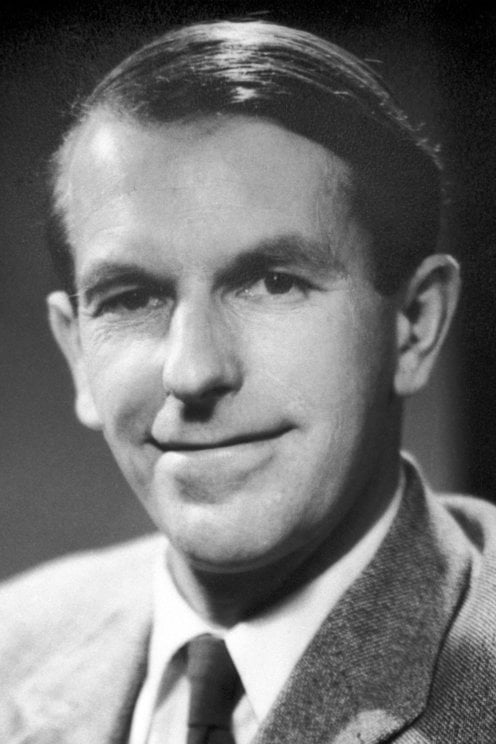
It appears to me that if one wants to make progress in mathematics, one should study the masters and not the pupils. - Niels Henrik Abel.
Nothing is better than reading and gaining more and more knowledge - Stephen William Hawking.
Offline
#1867 2026-02-10 16:54:37
- Jai Ganesh
- Administrator
- Registered: 2005-06-28
- Posts: 53,831
Re: crème de la crème
2430) George Beadle
Gist:
Work
Organisms' metabolism–the chemical processes within its cells–are regulated by substances called enzymes. George Beadle and Edward Tatum proved in 1941 that our genetic code‚ our genes, govern the formation of enzymes. They exposed a type of mold to x-rays, causing mutations, or changes in its genes. They later succeeded in proving that this led to definite changes in enzyme formation. The conclusion was that each enzyme corresponds to a particular gene.
Summary
George Wells Beadle (born Oct. 22, 1903, Wahoo, Neb., U.S.—died June 9, 1989, Pomona, Calif.) was an American geneticist who helped found biochemical genetics when he showed that genes affect heredity by determining enzyme structure. He shared the 1958 Nobel Prize for Physiology or Medicine with Edward Tatum and Joshua Lederberg.
After earning his doctorate in genetics from Cornell University (1931), Beadle went to the laboratory of Thomas Hunt Morgan at the California Institute of Technology, where he did work on the fruit fly, Drosophila melanogaster. Beadle soon realized that genes must influence heredity chemically.
In 1935, with Boris Ephrussi at the Institut de Biologie Physico-Chimique in Paris, he designed a complex technique to determine the nature of these chemical effects in Drosophila. Their results indicated that something as apparently simple as eye colour is the product of a long series of chemical reactions and that genes somehow affect these reactions.
After a year at Harvard University, Beadle pursued gene action in detail at Stanford University in 1937. Working there with Tatum, he found that the total environment of a red bread mold, Neurospora, could be varied in such a way that the researchers could locate and identify genetic changes, or mutants, with comparative ease. They exposed the mold to X rays and studied the altered nutritional requirements of the mutants thus produced. These experiments enabled them to conclude that each gene determined the structure of a specific enzyme that, in turn, allowed a single chemical reaction to proceed. This “one gene–one enzyme” concept won Beadle and Tatum (with Lederberg) the Nobel Prize in 1958.
In addition, the use of genetics to study the biochemistry of microorganisms, outlined in the landmark paper “Genetic Control of Biochemical Reactions in Neurospora” (1941), by Beadle and Tatum, opened up a new field of research with far-reaching implications. Their methods immediately revolutionized the manufacture of penicillin and provided insights into many biochemical processes.
In 1946 Beadle became professor and chairman of the biology division at the California Institute of Technology and served there until 1960, when he was invited to succeed R. Wendel Harrison as chancellor of the University of Chicago; the title of president was reassigned to the position a year later. He retired from the university to direct (1968–70) the American Medical Association’s Institute for Biomedical Research.
His major works include An Introduction to Genetics (1939; with A.H. Sturtevant), Genetics and Modern Biology (1963), and The Language of Life (1966; with Muriel M. Beadle).
Details
George Wells Beadle (October 22, 1903 – June 9, 1989) was an American geneticist. In 1958 he shared one-half of the Nobel Prize in Physiology or Medicine with Edward Tatum for their discovery of the role of genes in regulating biochemical events within cells. He served as the 7th president of the University of Chicago from 1961 to 1968.
Beadle and Tatum's key experiments involved exposing the bread mold Neurospora crassa to x-rays, causing mutations. In a series of experiments, they showed that these mutations caused changes in specific enzymes involved in metabolic pathways. These experiments led them to propose a direct link between genes and enzymatic reactions, known as the One gene-one enzyme hypothesis.
Education and early life
George Wells Beadle was born in Wahoo, Nebraska. He was the son of Chauncey Elmer Beadle and Hattie Albro, who owned and operated a 40-acre (160,000 sq m) farm nearby.[9] George was educated at the Wahoo High School and might himself have become a farmer if one of his teachers at school had not directed his mind towards science and persuaded him to go to the College of Agriculture in Lincoln, Nebraska. In 1926 he earned his Bachelor of Science degree at the University of Nebraska and subsequently worked for a year with Professor F.D. Keim, who was studying hybrid wheat. In 1927 he earned his Master of Science degree, and Professor Keim secured for him a post as Teaching Assistant at Cornell University, where he worked, until 1931, with Professors R.A. Emerson and L.W. Sharp on Mendelian asynapsis in Zea mays. For this work he obtained, in 1931, his Doctor of Philosophy degree.
Career and research
In 1931 Fellowship at the California Institute of Technology at Pasadena, where he remained from 1931 until 1936. During this period he continued his work on Indian corn and began, in collaboration with Professors Theodosius Dobzhansky, S. Emerson, and Alfred Sturtevant, work on crossing-over in the fruit fly, Drosophila melanogaster.
In 1935 Beadle visited Paris for six months to work with Professor Boris Ephrussi at the Institut de Biologie physico-chimique. Together they began the study of the development of eye pigment in Drosophila which later led to the work on the biochemistry of the genetics of the fungus Neurospora for which Beadle and Edward Lawrie Tatum were together awarded the 1958 Nobel Prize for Physiology or Medicine.
In 1936 Beadle left the California Institute of Technology to become Assistant Professor of Genetics at Harvard University. A year later he was appointed Professor of Biology (Genetics) at Stanford University and there he remained for nine years, working for most of this period in collaboration with Tatum. This work of Beadle and Tatum led to an important generalization. This was that most mutants unable to grow on minimal medium, but able to grow on “complete” medium, each require addition of only one particular supplement for growth on minimal medium. If the synthesis of a particular nutrient (such as an amino acid or vitamin) was disrupted by mutation, that mutant strain could be grown by adding the necessary nutrient to the minimal medium. This finding suggested that most mutations affected only a single metabolic pathway. Further evidence obtained soon after the initial findings tended to show that generally only a single step in the pathway is blocked. Following their first report of three such auxotroph mutants in 1941, Beadle and Tatum used this method to create series of related mutants and determined the order in which amino acids and some other metabolites were synthesized in several metabolic pathways. The obvious inference from these experiments was that each gene mutation affects the activity of a single enzyme. This led directly to the one gene-one enzyme hypothesis, which, with certain qualifications and refinements, has remained essentially valid to the present day. As recalled by Horowitz, the work of Beadle and Tatum also demonstrated that genes have an essential role in biosynthesis. At the time of the experiments (1941), non-geneticists still generally believed that genes governed only trivial biological traits, such as eye color, and bristle arrangement in fruit flies, while basic biochemistry was determined in the cytoplasm by unknown processes. Also, many respected geneticists thought that gene action was far too complicated to be resolved by any simple experiment. Thus Beadle and Tatum brought about a fundamental revolution in our understanding of genetics.
In 1946 Beadle returned to the California Institute of Technology as Professor of Biology and Chairman of the Division of Biology. Here he remained until January 1961 when he was elected Chancellor of the University of Chicago and, in the autumn of the same year, President of this university.
After retiring, Beadle undertook a remarkable experiment in maize genetics. In several laboratories he grew a series of Teosinte/Maize crosses. Then he crossed these progeny with each other. He looked for the rate of appearance of parent phenotypes among this second generation. The vast majority of these plants were intermediate between maize and Teosinte in their features, but about 1 in 500 of the plants were identical to either the parent maize or the parent teosinte. Using the mathematics of Mendelian genetics, he calculated that this showed a difference between maize and teosinte of about 5 or 6 genetic loci. This demonstration was so compelling that most scientists now agree that Teosinte is the wild progenitor of maize.
During his career, Beadle received many honors. These included honorary Doctor of Science degrees from Yale (1947), Nebraska (1949), Northwestern University (1952), Rutgers University (1954), Kenyon College (1955), Wesleyan University (1956), the University of Birmingham and the University of Oxford, England (1959), Pomona College (1961), and Lake Forest College (1962). In 1962 he was also given the honorary degree of LL.D. by the University of California, Los Angeles. He was elected a Fellow of the American Academy of Arts and Sciences in 1946.[15] He also received the Lasker Award of the American Public Health Association (1950), the Dyer Award (1951), the Emil Christian Hansen Prize of Denmark (1953), the Albert Einstein Commemorative Award in Science (1958), the Nobel Prize in Physiology or Medicine 1958 with Edward Tatum and Joshua Lederberg, the National Award of the American Cancer Society (1959), and the Kimber Genetics Award of the National Academy of Sciences (1960).
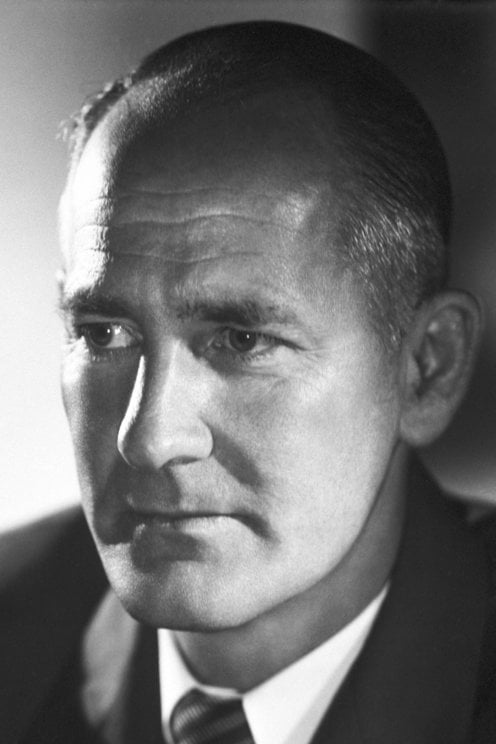
It appears to me that if one wants to make progress in mathematics, one should study the masters and not the pupils. - Niels Henrik Abel.
Nothing is better than reading and gaining more and more knowledge - Stephen William Hawking.
Offline
#1868 2026-02-11 17:33:51
- Jai Ganesh
- Administrator
- Registered: 2005-06-28
- Posts: 53,831
Re: crème de la crème
2431) Edward Tatum
Gist:
Work
Organisms' metabolism–the chemical processes within its cells–are regulated by substances called enzymes. Edward Tatum and George Beadle proved in 1941 that our genetic code‚ our genes, govern the formation of enzymes. They exposed a type of mold to x-rays, causing mutations, or changes in its genes. They later succeeded in proving that this led to definite changes in enzyme formation. The conclusion was that each enzyme corresponds to a particular gene.
Summary
Edward L. Tatum (born Dec. 14, 1909, Boulder, Colo., U.S.—died Nov. 5, 1975, New York, N.Y.) was an American biochemist who helped demonstrate that genes determine the structure of particular enzymes or otherwise act by regulating specific chemical processes in living things. His research helped create the field of molecular genetics and earned him (with George Beadle and Joshua Lederberg) the Nobel Prize for Physiology or Medicine in 1958.
Tatum earned his doctorate from the University of Wisconsin in 1934. As a research associate at Stanford University (1937–41), Tatum collaborated with Beadle in an attempt to confirm the following concepts: all biochemical processes in all organisms are ultimately controlled by genes; all these processes are resolvable into series of individual sequential chemical reactions (pathways); each reaction is in some way controlled by a single gene; and the mutation of a single gene results only in an alteration in the ability of the cell to carry out a single chemical reaction.
At Stanford, Tatum and Beadle used X rays to induce mutations in strains of the pink bread mold Neurospora crassa. They found that some of the mutants lost the ability to produce an essential amino acid or vitamin. Tatum and Beadle then crossed these strains with normal strains of the mold and found that their offspring inherited the metabolic defect as a recessive trait, thereby proving that the mutations were in fact genetic defects. Their research showed that when a genetic mutation can be shown to affect a specific chemical reaction, the enzyme catalyzing that reaction will be altered or missing. Thus, they showed that each gene in some way determines the structure of a specific enzyme (the one-gene–one-enzyme hypothesis).
As a professor at Yale University (1945–48), Tatum successfully applied his methods of inducing mutations and studying biochemical processes in Neurospora to bacteria. With Lederberg, he discovered the occurrence of genetic recombination, or “sex,” between Escherichia coli bacteria of the K-12 strain. Largely because of their efforts, bacteria became the primary source of information concerning the genetic control of biochemical processes in the cell.
Tatum returned to Stanford in 1948 and joined the staff of the Rockefeller Institute for Medical Research (now Rockefeller University), New York City, in 1957.
Details
Edward Lawrie Tatum (December 14, 1909 – November 5, 1975) was an American geneticist. He shared half of the Nobel Prize in Physiology or Medicine in 1958 with George Beadle for showing that genes control individual steps in metabolism. The other half of that year's award went to Joshua Lederberg. Tatum was an elected member of the United States National Academy of Sciences, the American Philosophical Society, and the American Academy of Arts and Sciences.
Education
Edward Lawrie Tatum was born on December 14, 1909, in Boulder, Colorado to Arthur L. Tatum and Mabel Webb Tatum. Arthur L. Tatum was a chemistry professor, who by 1925 was a professor of pharmacology at the University of Wisconsin at Madison.
Edward Lawrie Tatum attended college at the University of Chicago for two years, before transferring to the University of Wisconsin–Madison, where he received his BA in 1931 and PhD in 1934. His dissertation was Studies in the biochemistry of microorganisms (1934).
Career
Starting in 1937, Tatum worked at Stanford University, where he began his collaboration with Beadle. He then moved to Yale University in 1945 where he mentored Lederberg. He returned to Stanford in 1948 and then joined the faculty of Rockefeller Institute in 1957. He remained there until his death on November 5, 1975, in New York City. A heavy cigarette smoker, Tatum died of heart failure complicated by chronic emphysema. His last wife Elsie Bergland died in 1998.
Research
Tatum and Beadle carried out pioneering studies of biochemical mutations in Neurospora, published in 1941. Their work provided a prototype of the investigation of gene action and a new and effective experimental methodology for the analysis of mutations in biochemical pathways. Beadle and Tatum's key experiments involved exposing the bread mold Neurospora crassa to x-rays, causing mutations. In a series of experiments, they showed that these mutations caused changes in specific enzymes involved in metabolic pathways. This led them to propose a direct link between genes and enzymatic reactions, known as the "one gene, one enzyme" hypothesis.
Tatum spent his career studying biosynthetic pathways and the genetics of bacteria. An active area of research in his laboratory was to understand the basis of Tryptophan biosynthesis in Escherichia coli. Tatum and his student Joshua Lederberg showed that E. coli could share genetic information through recombination.
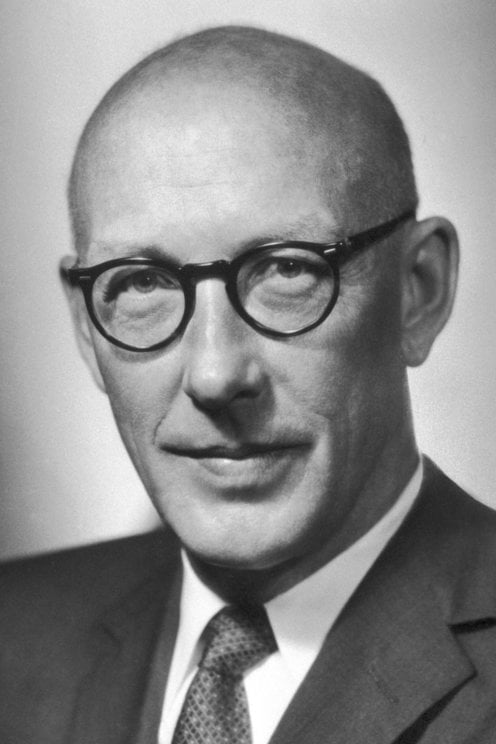
It appears to me that if one wants to make progress in mathematics, one should study the masters and not the pupils. - Niels Henrik Abel.
Nothing is better than reading and gaining more and more knowledge - Stephen William Hawking.
Offline
#1869 2026-02-12 19:29:42
- Jai Ganesh
- Administrator
- Registered: 2005-06-28
- Posts: 53,831
Re: crème de la crème
2432) Joshua Lederberg
Gist:
Work
It was long thought that bacteria multiply by dividing, so that all bacteria have the same genetic make-up. Joshua Lederberg and Edward Tatum demonstrated in 1946 that bacteria's genes can also change in a way similar to that of sexual reproduction seen in more complex organisms. Bacteria can go through a phase in which two bacteria exchange genetic material with one another by passing pieces of DNA across a bridge-like connection. Lederberg also proved the phenomenon known as transduction, in which DNA is transferred between bacteria via bacteriophages.
Summary
Joshua Lederberg (born May 23, 1925, Montclair, N.J., U.S.—died Feb. 2, 2008, New York, N.Y.) was an American geneticist and a pioneer in the field of bacterial genetics. He shared the 1958 Nobel Prize for Physiology or Medicine (with George W. Beadle and Edward L. Tatum) for discovering the mechanisms of genetic recombination in bacteria.
Lederberg studied under Tatum at Yale (Ph.D., 1948) and taught at the University of Wisconsin (1947–59), where he established a department of medical genetics. In 1959 he joined the faculty of the Stanford Medical School, serving as director of the Kennedy Laboratories of Molecular Medicine there from 1962 to 1978, when he moved to New York City to become president of Rockefeller University. He held that post until 1990.
With Tatum he published “Gene Recombination in Escherichia coli” (1946), in which he reported that the mixing of two different strains of a bacterium resulted in genetic recombination between them and thus to a new, crossbred strain of the bacterium. Scientists had previously thought that bacteria only reproduced asexually—i.e., by cells splitting in two; Lederberg and Tatum showed that they could also reproduce sexually, and that bacterial genetic systems are similar to those of multicellular organisms.
While biologists who had not previously believed that “sex” existed in bacteria such as E. coli were still confirming Lederberg’s discovery, he and his student Norton D. Zinder reported another and equally surprising finding. In the paper “Genetic Exchange in Salmonella” (1952), they revealed that certain bacteriophages (bacteria-infecting viruses) were capable of carrying a bacterial gene from one bacterium to another, a phenomenon they termed transduction.
Lederberg’s discoveries greatly increased the utility of bacteria as a tool in genetics research, and it soon became as important as the fruit fly Drosophila and the bread mold Neurospora. Moreover, his discovery of transduction provided the first hint that genes could be inserted into cells. The realization that the genetic material of living things could be directly manipulated eventually bore fruit in the field of genetic engineering, or recombinant DNA technology.
At the dawn of space exploration, Lederberg coined the term exobiology to describe the scientific study of life outside Earth’s atmosphere. He later served as a consultant to NASA’s Viking mission to Mars.
Details
Joshua Lederberg (May 23, 1925 – February 2, 2008) was an American molecular biologist known for his work in microbial genetics, artificial intelligence, and the United States space program. He was 33 years old when he won the 1958 Nobel Prize in Physiology or Medicine for discovering that bacteria can mate and exchange genes (bacterial conjugation). He shared the prize with Edward Tatum and George Beadle, who won for their work with genetics.
In addition to his contributions to biology, Lederberg did extensive research in artificial intelligence. This included work in the NASA experimental programs seeking life on Mars and the chemistry expert system Dendral.
Early life and education
Lederberg was born in Montclair, New Jersey, to a Jewish family, son of Esther Goldenbaum Schulman Lederberg and Rabbi Zvi Hirsch Lederberg, in 1925, and moved to Washington Heights, Manhattan as an infant. He had two younger brothers. Lederberg graduated from Stuyvesant High School in New York City at the age of 15 in 1941. After graduation, he was allowed lab space as part of the American Institute Science Laboratory, a forerunner of the Westinghouse Science Talent Search. He enrolled in Columbia University in 1941, majoring in zoology. Under the mentorship of Francis J. Ryan, he conducted biochemical and genetic studies on the bread mold Neurospora crassa. Intending to receive his MD and fulfill his military service obligations, Lederberg worked as a hospital corpsman during 1943 in the clinical pathology laboratory at St. Albans Naval Hospital, where he examined sailors' blood and stool samples for malaria. He went on to receive his undergraduate degree in 1944.
Bacterial genetics
Joshua Lederberg began medical studies at Columbia's College of Physicians and Surgeons while continuing to perform experiments. Inspired by Oswald Avery's discovery of the importance of DNA, Lederberg began to investigate his hypothesis that, contrary to prevailing opinion, bacteria did not simply pass down exact copies of genetic information, making all cells in a lineage essentially clones. After making little progress at Columbia, Lederberg wrote to Edward Tatum, Ryan's post-doctoral mentor, proposing a collaboration. In 1946 and 1947, Lederberg took a leave of absence to study under the mentorship of Tatum at Yale University. Lederberg and Tatum showed that the bacterium Escherichia coli entered a sexual phase during which it could share genetic information through bacterial conjugation. With this discovery and some mapping of the E. coli chromosome, Lederberg was able to receive his Ph.D. from Yale University in 1947. Joshua married Esther Miriam Zimmer (herself a student of Edward Tatum) on December 13, 1946.
Instead of returning to Columbia to finish his medical degree, Lederberg chose to accept an offer of an assistant professorship in genetics at the University of Wisconsin–Madison. His wife Esther Lederberg went with him to Wisconsin. She received her doctorate there in 1950.
Joshua Lederberg and Norton Zinder showed in 1951 that genetic material could be transferred from one strain of the bacterium Salmonella typhimurium to another using viral material as an intermediary step. This process is called transduction. In 1956, M. Laurance Morse, Esther Lederberg and Joshua Lederberg also discovered specialized transduction. The research in specialized transduction focused upon lambda phage infection of E. coli. Transduction and specialized transduction explained how bacteria of different species could gain resistance to the same antibiotic very quickly.
During her time in Joshua Lederberg's laboratory, Esther Lederberg also discovered fertility factor F, later publishing with Joshua Lederberg and Luigi Luca Cavalli-Sforza. In 1956, the Society of Illinois Bacteriologists simultaneously awarded Joshua Lederberg and Esther Lederberg the Pasteur Medal, for "their outstanding contributions to the fields of microbiology and genetics".
In 1957, Joshua Lederberg founded the Department of Medical Genetics at the University of Wisconsin–Madison. He has held visiting professorship in Bacteriology at the University of California, Berkeley in summer 1950 and University of Melbourne (1957). Also in 1957, he was elected to the National Academy of Sciences.
Sir Gustav Nossal views Lederberg as his mentor, describing him as "lightning fast" and "loving a robust debate."
Post Nobel Prize research
In 1958, Joshua Lederberg received the Nobel Prize and moved to Stanford University, where he was the founder and chairman of the Department of Genetics. He collaborated with Frank Macfarlane Burnet to study viral antibodies.
With the launching of Sputnik in 1957, Lederberg became concerned about the biological impact of space exploration. In a letter to the National Academies of Sciences, he outlined his concerns that extraterrestrial microbes might gain entry to Earth onboard spacecraft, causing catastrophic diseases. He also argued that, conversely, microbial contamination of manmade satellites and probes may obscure the search for extraterrestrial life. He advised quarantine for returning astronauts and equipment and sterilization of equipment prior to launch. Teaming up with Carl Sagan, his public advocacy for what he termed exobiology helped expand the role of biology in NASA.
Lederberg was elected to the American Academy of Arts and Sciences in 1959 and the American Philosophical Society in 1960.
In the 1960s, he collaborated with Edward Feigenbaum in Stanford's computer science department to develop DENDRAL.
In 1978, he became the president of Rockefeller University, until he stepped down in 1990 and became professor-emeritus of molecular genetics and informatics at Rockefeller University, reflecting his extensive research and publications in these disciplines.
Throughout his career, Lederberg was active as a scientific advisor to the U.S. government. Starting in 1950, he was a member of various panels of the Presidential Science Advisory Committee. In 1979, he became a member of the U.S. Defense Science Board and the chairman of President Jimmy Carter's President's Cancer Panel. In 1989, he received National Medal of Science for his contributions to the scientific world. In 1994, he headed the Department of Defense's Task Force on Persian Gulf War Health Effects, which investigated Gulf War Syndrome.
During a 1986 fact finding mission of the 1979 Soviet Union epidemic of anthrax bacteria that killed 66 people in the city of Sverdlovsk (now Yekaterinburg, Russia), Lederberg sided with Soviets that the anthrax outbreak was from animal to human transmission stating, "Wild rumors do spread around every epidemic." "The current Soviet account is very likely to be true." After the fall of the Soviet Union and subsequent US investigations in the early 1990s, a team of scientists confirmed the outbreak was caused by a release of an aerosol of anthrax pathogen from a nearby military facility, the lab leak is one of the deadliest ever documented.
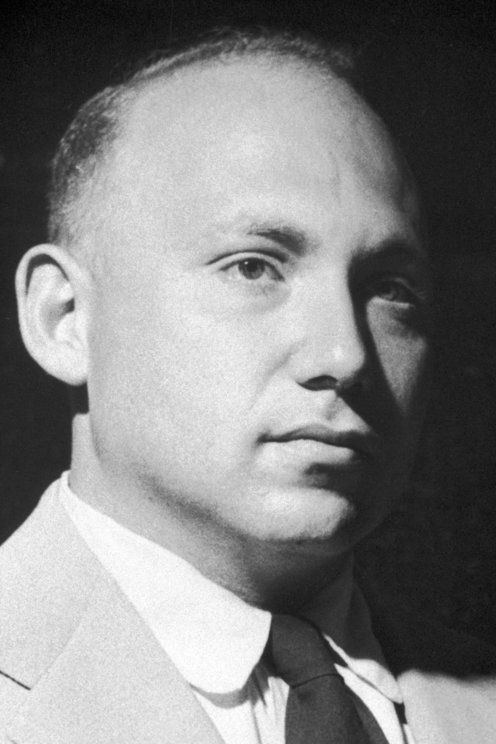
It appears to me that if one wants to make progress in mathematics, one should study the masters and not the pupils. - Niels Henrik Abel.
Nothing is better than reading and gaining more and more knowledge - Stephen William Hawking.
Offline
#1870 2026-02-13 22:08:18
- Jai Ganesh
- Administrator
- Registered: 2005-06-28
- Posts: 53,831
Re: crème de la crème
2433) Yang Chen-Ning
Gist:
Work
For a long time, physicists assumed that various symmetries characterized nature. In a kind of “mirror world” where right and left were reversed and matter was replaced by antimatter, the same physical laws would apply, they posited. The equality of these laws was questioned concerning the decay of certain elementary particles, however, and in 1956 Chen Ning Yang and Tsung Dao Lee formulated a theory that the left-right symmetry law is violated by the weak interaction. Measurements of electrons’ direction of motion during a cobalt isotope’s beta decay confirmed this.
Summary
Chen Ning Yang (born October 1, 1922, Hofei, Anhwei, China—died October 18, 2025, Beijing, China) was a Chinese-born American theoretical physicist whose research with Tsung-Dao Lee showed that parity—the symmetry between physical phenomena occurring in right-handed and left-handed coordinate systems—is violated when certain elementary particles decay. Until this discovery it had been assumed by physicists that parity symmetry was as universal a law as the conservation of energy or electric charge. This and other studies in particle physics earned Yang and Lee the Nobel Prize for Physics for 1957.
Life
Yang’s father, Yang Ko-chuen (also known as Yang Wu-chih), was a professor of mathematics at Tsinghua University, near Peking. While still young, Yang read the autobiography of Benjamin Franklin and adopted “Franklin” as his first name. After graduation from the Southwest Associated University, in K’unming, he took his B.Sc. in 1942 and his M.S. in 1944. On a fellowship, he studied in the United States, enrolling at the University of Chicago in 1946. He took his Ph.D. in nuclear physics with Edward Teller and then remained in Chicago for a year as an assistant to Enrico Fermi, the physicist who was probably the most influential in Yang’s scientific development. Lee had also come to Chicago on a fellowship, and the two men began the collaboration that led eventually to their Nobel Prize work on parity. In 1949 Yang went to the Institute for Advanced Study in Princeton, New Jersey, and became a professor there in 1955. He became a U.S. citizen in 1964.
Work
Almost from his earliest days as a physicist, Yang had made significant contributions to the theory of the weak interactions—the forces long thought to cause elementary particles to disintegrate. (The strong forces that hold nuclei together and the electromagnetic forces that are responsible for chemical reactions are parity-conserving. Since these are the dominant forces in most physical processes, parity conservation appeared to be a valid physical law, and few physicists before 1955 questioned it.) By 1953 it was recognized that there was a fundamental paradox in this field since one of the newly discovered mesons—the so-called K meson—seemed to exhibit decay modes into configurations of differing parity. Since it was believed that parity had to be conserved, this led to a severe paradox.
After exploring every conceivable alternative, Lee and Yang were forced to examine the experimental foundations of parity conservation itself. They discovered, in early 1956, that, contrary to what had been assumed, there was no experimental evidence against parity nonconservation in the weak interactions. The experiments that had been done, it turned out, simply had no bearing on the question. They suggested a set of experiments that would settle the matter, and, when these were carried out by several groups over the next year, large parity-violating effects were discovered. In addition, the experiments also showed that the symmetry between particle and antiparticle, known as charge conjugation symmetry, is also broken by the weak decays.
In addition to his work on weak interactions, Yang, in collaboration with Lee and others, carried out important work in statistical mechanics—the study of systems with large numbers of particles—and later investigated the nature of elementary particle reactions at extremely high energies. From 1965 Yang was Albert Einstein professor at the Institute of Science, State University of New York at Stony Brook, Long Island. During the 1970s he was a member of the board of Rockefeller University and the American Association for the Advancement of Science and, from 1978, of the Salk Institute for Biological Studies, San Diego. He was also on the board of Ben-Gurion University, Beersheba, Israel. He received the Einstein Award in 1957 and the Rumford Prize in 1980; in 1986 he received the Liberty Award and the National Medal of Science.
Details
Yang Chen-Ning (1 October 1922 – 18 October 2025) also known as C.N. Yang and Franklin Yang, was a Chinese-American theoretical physicist who made significant contributions to statistical mechanics, integrable systems, gauge theory, particle physics and condensed matter physics.
Yang is known for his collaboration with Robert Mills in 1954 in developing non-abelian gauge theory, widely known as the Yang–Mills theory, which describes the nuclear forces in the Standard Model of particle physics.
Yang and Tsung-Dao Lee received the 1957 Nobel Prize in Physics for their work on parity non-conservation of the weak interaction, which was confirmed by the Wu experiment in 1956. The two proposed that the conservation of parity, a physical law observed to hold in all other physical processes, is violated in weak nuclear reactions – those nuclear processes that result in the emission of beta or alpha particles.
Early life and education
Yang was born in Hefei, Anhui, China, on 1 October 1922. His mother was Luo Meng-hua and his father, Ko-Chuen Yang (1896–1973), was a mathematician.
Yang attended elementary school and high school in Beijing, and in the autumn of 1937 his family moved to Hefei after the Japanese invaded China. In 1938 they moved to Kunming, Yunnan, where National Southwestern Associated University was located. In the same year, as a second-year student, Yang passed the entrance examination and studied at National Southwestern Associated University. He received a Bachelor of Science in 1942, with his thesis on the application of group theory to molecular spectra, under the supervision of Ta-You Wu.
Yang continued to study graduate courses there for two years under the supervision of Wang Zhuxi (J.S. Wang), working on statistical mechanics. In 1944, he received a Master of Science from National Tsing Hua University, which had moved to Kunming during the Sino-Japanese War (1937–1945). Yang was then awarded a scholarship from the Boxer Indemnity Scholarship Program, set up by the United States government using part of the money China had been forced to pay following the Boxer Rebellion. His departure for the United States was delayed for one year, during which time he taught in a middle school as a teacher and studied field theory.
Yang entered the University of Chicago in January 1946 and studied with Edward Teller. He received a Doctor of Philosophy in 1948.
Career
Yang remained at the University of Chicago for a year as an assistant to Enrico Fermi. In 1949 he was invited to do his research at the Institute for Advanced Study in Princeton, New Jersey, where he began a period of fruitful collaboration with Tsung-Dao Lee. Lee and Yang published 32 papers together. He was made a permanent member of the Institute in 1952, and full professor in 1955. In 1963, Princeton University Press published his textbook, Elementary Particles. In 1965 he moved to Stony Brook University, where he was named the Albert Einstein Professor of Physics and the first director of the newly founded Institute for Theoretical Physics. Today this institute is known as the C. N. Yang Institute for Theoretical Physics. Yang retired from Stony Brook University in 1999.
Yang visited the Chinese mainland in 1971 for the first time after the thaw in China–US relations, and subsequently worked to help the Chinese physics community rebuild the research atmosphere, which later eroded due to political movements during the Cultural Revolution. After retiring from Stony Brook, he returned to Beijing as an honorary director of Tsinghua University, where he was the first Huang Jibei-Lu Kaiqun Professor at the Center for Advanced Study (CASTU). He was also one of the two Shaw Prize Founding Members and was a Distinguished Professor-at-Large at the Chinese University of Hong Kong.
Yang helped to establish the Theoretical Physics Division at the Chern Institute of Mathematics in 1986 at the request of Shiing-Shen Chern who was serving as the inaugural director of the Institute at the time.
Personal life and death
Yang married Tu Chih-li, a teacher, in 1950; they had two sons and a daughter together. His father-in-law was the Kuomintang general Du Yuming. Tu died in October 2003. In January 2005, Yang married Weng Fan, a university student. They met in 1995 at a physics seminar; the couple reestablished contact in February 2004 when Yang moved to China to become affiliated with Tsinghua University. Yang called Weng, who was 54 years his junior, his "final blessing from God".
Yang obtained U.S. citizenship during his research within the country. According to the state-run Xinhua News Agency, Yang said the decision was painful as his father never forgave him for that. According to Xinhua and other mainstream Chinese media, he formally renounced his American citizenship on April 1, 2015. He acknowledged that while the U.S. was a beautiful country that gave him good opportunities to study science, China since his youth had offered the best secondary and undergraduate institutions, though the US had the top graduate studies. However, circumstances changed in favor of China's growth by the turn of the century.
His son Guangnuo was a computer scientist. His second son Guangyu is an astronomer, and his daughter Youli is a doctor.
Yang turned 100 on 1 October 2022, and died in Beijing on 18 October 2025, at the age of 103. The day after the announcement of his death, people gathered and waited in line at Tsinghua University to pay tributes to Yang.
Views on the CEPC
Yang is known for having opposed the construction of the Circular Electron Positron Collider (CEPC), a 100 km circumference particle collider in China that would study the Higgs boson. He catalogued the project as "guess" work and without guaranteed results. Yang said that "even if they see something with the machine, it's not going to benefit the life of Chinese people any sooner."
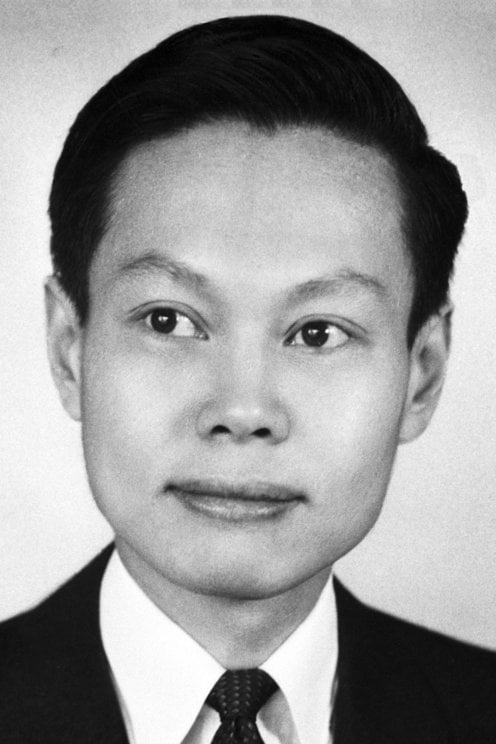
It appears to me that if one wants to make progress in mathematics, one should study the masters and not the pupils. - Niels Henrik Abel.
Nothing is better than reading and gaining more and more knowledge - Stephen William Hawking.
Offline
#1871 2026-02-14 18:16:42
- Jai Ganesh
- Administrator
- Registered: 2005-06-28
- Posts: 53,831
Re: crème de la crème
2434) Tsung-Dao Lee
Gist:
Work
For a long time, physicists assumed that various symmetries characterized nature. In a kind of “mirror world” where right and left were reversed and matter was replaced by antimatter, the same physical laws would apply, they posited. The equality of these laws was questioned concerning the decay of certain elementary particles, however, in 1956 and Tsung-Dao Lee and Chen Ning Yang formulated a theory that the left-right symmetry law is violated by the weak interaction. Measurements of electrons’ direction of motion during a cobalt isotope’s beta decay confirmed this.
Summary
Tsung-Dao Lee (born November 24, 1926, Shanghai, China—died August 4, 2024, San Francisco, California, U.S.) was a Chinese-born American physicist who, with Chen Ning Yang, received the Nobel Prize for Physics in 1957 for work in discovering violations of the principle of parity conservation (the quality of space reflection symmetry of subatomic particle interactions), thus bringing about major refinements in particle physics theory.
In 1946 Lee was awarded a scholarship to study in the United States, and, although he had no undergraduate degree, he entered the graduate school in physics at the University of Chicago, where Enrico Fermi selected him as a doctoral student. After working briefly at the University of Chicago’s Yerkes Astronomical Observatory in Wisconsin, the University of California at Berkeley, and for two years with Yang at the Institute for Advanced Study, Princeton, New Jersey, Lee was appointed assistant professor of physics at Columbia University in 1953.
In 1956 Lee and Yang concluded that the theta-meson and tau-meson, previously thought to be different because they decay by modes of differing parity, are in fact the same particle (now called the K-meson). Because the law of parity conservation prohibits a single particle from having decay modes exhibiting opposite parity, the only possible conclusion was that, for weak interactions at least, parity is not conserved. They suggested experiments to test their hypothesis, and in 1956–57 Chien-Shiung Wu, working at Columbia University, experimentally confirmed their theoretical conclusions.
In 1960 Lee was appointed professor of physics at the Institute for Advanced Study, and three years later he returned to Columbia to assume the first Enrico Fermi professorship in physics; he retired as professor emeritus in 2012. Beginning in 1964, he made important contributions to the explanation of the violations of time-reversal invariance, which occur during certain weak interactions.
Details
Tsung-Dao Lee (November 24, 1926 – August 4, 2024) was a Chinese-American physicist known for his work on parity violation, the Lee–Yang theorem, particle physics, relativistic heavy ion (RHIC) physics, nontopological solitons, and soliton stars. He was a university professor emeritus at Columbia University in New York City, where he taught from 1953 until his retirement in 2012.
In 1957, at the age of 30, Lee won the Nobel Prize in Physics with Chen Ning Yang for their work on the violation of the parity law in weak interactions, which Chien-Shiung Wu experimentally proved from 1956 to 1957, with her well known Wu experiment.
Lee remains the youngest Nobel laureate in the science fields after World War II. He is the third-youngest Nobel laureate in sciences in history after William L. Bragg (who won the prize at 25 with his father William H. Bragg in 1915) and Werner Heisenberg (who won in 1932 also at 30). Lee and Yang were the first Chinese laureates. Since he became a naturalized American citizen in 1963, Lee is also the youngest American ever to have won a Nobel Prize.
Biography:
Family
Lee was born in Shanghai, China, with his ancestral home in nearby Suzhou. His father Chun-kang Lee, one of the first graduates of the University of Nanking, was a chemical industrialist and merchant who was involved in China's early development of modern synthesized fertilizer. Lee's grandfather Chong-tan Lee was the first Chinese Methodist Episcopal senior pastor of St. John's Church in Suzhou [zh].
Lee had four brothers and one sister. Educator Robert C. T. Lee was one of T. D.'s brothers. Lee's mother Chang and brother Robert C. T. moved to Taiwan in the 1950s.
Early life
Lee received his secondary education in Shanghai (High School Affiliated to Soochow University) and Jiangxi (Jiangxi Joint High School). Due to the Second Sino-Japanese War, Lee's high school education was interrupted, thus he did not obtain his secondary diploma. Nevertheless, in 1943, Lee directly applied to and was admitted by the National Chekiang University (now Zhejiang University). Initially, Lee registered as a student in the Department of Chemical Engineering. Very quickly, Lee's talent was discovered and his interest in physics grew rapidly. Several physics professors, including Shu Xingbei and Wang Ganchang, largely guided Lee, and he soon transferred into the Department of Physics of National Che Kiang University, where he studied in 1943–1944.
However, again disrupted by a further Japanese invasion, Lee continued at the National Southwestern Associated University in Kunming the next year in 1945, where he studied with Professor Wu Ta-You.
Life and research in the U.S.
Professor Wu nominated Lee for a Chinese government fellowship for graduate study in the United States. In 1946, Lee went to the University of Chicago and was selected by Professor Enrico Fermi to become his PhD student. Lee received his PhD under Fermi in 1950 for his research work Hydrogen Content of White Dwarf Stars. Lee served as research associate and lecturer in physics at the University of California at Berkeley from 1950 to 1951.
In 1953, Lee joined Columbia University, where he remained until retirement. His first work at Columbia was on a solvable model of quantum field theory better known as the Lee model. Soon, his focus turned to particle physics and the developing puzzle of K meson decays. Lee realized in early 1956 that the key to the puzzle was parity non-conservation. At Lee's suggestion, the first experimental test was on hyperon decay by the Steinberger group. At that time, the experimental result gave only an indication of a 2 standard deviation effect of possible parity violation. Encouraged by this feasibility study, Lee made a systematic study of possible Time reversal (T), Parity (P), Charge Conjugation (C), and CP violations in weak interactions with collaborators, including C. N. Yang. After the definitive experimental confirmation by Chien-Shiung Wu and her assistants that showed that parity was not conserved, Lee and Yang were awarded the 1957 Nobel Prize in Physics. Wu was not awarded the Nobel prize, which is considered a notable controversy in Nobel committee history.
In the early 1960s, Lee and collaborators initiated the important field of high-energy neutrino physics. In 1964, Lee, with M. Nauenberg, analyzed the divergences connected with particles of zero rest mass, and described a general method known as the KLN theorem for dealing with these divergences, which still plays an important role in contemporary work in QCD, with its massless, self-interacting gluons. In 1974–75, Lee published several papers on "A New Form of Matter in High Density", which led to the modern field of RHIC physics, now dominating the entire high-energy nuclear physics field.
Besides particle physics, Lee was active in statistical mechanics, astrophysics, hydrodynamics, many body system, solid state, and lattice QCD. In 1983, Lee wrote a paper entitled, "Can Time Be a Discrete Dynamical Variable?"; which led to a series of publications by Lee and collaborators on the formulation of fundamental physics in terms of difference equations, but with exact invariance under continuous groups of translational and rotational transformations. Beginning in 1975, Lee and collaborators established the field of non-topological solitons, which led to his work on soliton stars and black holes throughout the 1980s and 1990s.
From 1997 to 2003, Lee was director of the RIKEN-BNL Research Center (now director emeritus), which together with other researchers from Columbia, completed a 1 teraflops supercomputer QCDSP for lattice QCD in 1998 and a 10 teraflops QCDOC machine in 2001. Leading up to 2005, Lee and Richard M. Friedberg developed a new method to solve the Schrödinger equation, leading to convergent iterative solutions for the long-standing quantum degenerate double-wall potential and other instanton problems. They also did work on the neutrino mapping matrix.
Lee was one of the 20 American recipients of the Nobel Prize in Physics to sign a letter addressed to President George W. Bush in May 2008, urging him to "reverse the damage done to basic science research in the Fiscal Year 2008 Omnibus Appropriations Bill" by requesting additional emergency funding for the Department of Energy's Office of Science, the National Science Foundation, and the National Institute of Standards and Technology.
Educational activities
Soon after the re-establishment of China-American relations with the PRC, Lee and his wife, Jeannette Hui-Chun Chin, were able to go to the PRC, where Lee gave a series of lectures and seminars, and organized the CUSPEA (China-U.S. Physics Examination and Application).
In 1998, Lee established the Chun-Tsung Endowment ) in memory of his wife, who had died three years earlier. The Chun-Tsung scholarships, supervised by the United Board for Christian Higher Education in Asia (New York), are awarded to undergraduates, usually in their 2nd or 3rd year, at six universities, which are Shanghai Jiaotong University, Fudan University, Lanzhou University, Soochow University, Peking University, and Tsinghua University. Students selected for such scholarships are named "Chun-Tsung Scholars".
Personal life and death
Lee and Jeannette Hui-Chun Chin married in 1950 and had two sons: James Lee and Stephen Lee. His wife died in 1996. James donated his father's Nobel Prize medal to Shanghai Jiao Tong University in 2014 where it is on display in the Tsung-Dao Lee Library.
Tsung-Dao Lee died in San Francisco on August 4, 2024, at the age of 97.
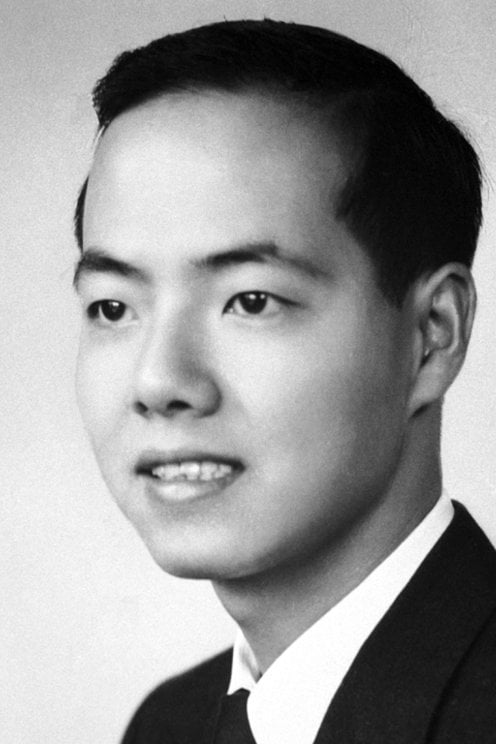
It appears to me that if one wants to make progress in mathematics, one should study the masters and not the pupils. - Niels Henrik Abel.
Nothing is better than reading and gaining more and more knowledge - Stephen William Hawking.
Offline
#1872 2026-02-15 19:48:51
- Jai Ganesh
- Administrator
- Registered: 2005-06-28
- Posts: 53,831
Re: crème de la crème
2435) Alec Todd
Gist:
Work
The substances known as deoxyribonucleic acid (DNA) and ribonucleic acid (RNA) are found in nearly all cells in almost all organisms. The building blocks of DNA and RNA consist of nucleotides. In turn, these consist of what scientists call a nitrogen base, a sugar molecule, and one or more phosphate groups. Around 1940, Alexander Todd began to examine the composition of nucleotides more closely. Using chemical methods, Todd split nucleotides apart and compared their parts with substances that had been constructed from known components in a way that was already understood.
Summary
Alexander Robertus Todd, Baron Todd (born Oct. 2, 1907, Glasgow, Scot.—died Jan. 10, 1997, Cambridge, Eng.) was a British biochemist whose research on the structure and synthesis of nucleotides, nucleosides, and nucleotide coenzymes gained him the 1957 Nobel Prize for Chemistry.
After receiving doctorates from the universities of Frankfurt am Main (1931) and Oxford (1933), Todd held posts with the Lister Institute of Preventive Medicine, London, and the University of London before becoming professor of organic chemistry at the University of Manchester (1938–44) and then at Cambridge (1944–71), where he was also master of Christ’s College (1963–78). He was named chancellor of the University of Strathclyde in 1975 and was visiting professor at Hatfield Polytechnic (1978–86).
While at Manchester he began work on nucleosides, compounds that form the structural units of nucleic acids (DNA and RNA). In 1949 he synthesized a related substance, adenosine triphosphate (ATP), which is vital to energy utilization in living organisms. He synthesized two other important compounds, flavin adenine dinucleotide (FAD) in 1949 and uridine triphosphate in 1954. In 1955 he elucidated the structure of vitamin B12.
Todd also worked on the structure and synthesis of vitamin B1, vitamin E, and alkaloid substances found in marijuana and hashish. He studied other alkaloids as well, plant and insect pigments, and mold products, including penicillin. He served as chairman (1952–64) of the British government’s advisory committee on scientific policy, and in 1975 he was elected president of the Royal Society. Knighted in 1954, he was created a life peer in 1962 and made a member of the Royal Order of Merit in 1977.
Details
Alexander Robertus Todd, Baron Todd (2 October 1907 – 10 January 1997) was a British biochemist whose research on the structure and synthesis of nucleotides, nucleosides, and nucleotide coenzymes gained him the Nobel Prize for Chemistry in 1957.
Early life and education
Todd was born at Cathcart in outer Glasgow, the elder son of Alexander Todd, a clerk with the Glasgow Subway, and his wife, Jane Lowry.
He attended Allan Glen's School and graduated from the University of Glasgow with a bachelor's degree (BSc) in 1928. He received a doctorate (Dr Phil.nat.) from Goethe University Frankfurt in 1931 for his thesis on the chemistry of the bile acids.
Todd was awarded an 1851 Research Fellowship from the Royal Commission for the Exhibition of 1851, and, after studying at Oriel College, Oxford, he received another doctorate (DPhil) in 1933.
Career
Todd held posts with the Lister Institute, the University of Edinburgh (staff, 1934–1936) and the University of London, where he was appointed Reader in biochemistry.
In 1938, Alexander Todd spent six months as a visiting professor at California Institute of Technology, eventually declining an offer of faculty position.
Todd became the Sir Samuel Hall Chair of Chemistry and director of the Chemical Laboratories of the University of Manchester in 1938, where he began working on nucleosides, compounds that form the structural units of nucleic acids (DNA and RNA). At 31, he was the youngest professor of chemistry since Frankland. He was elected to membership of the Manchester Literary and Philosophical Society in 1938.
In 1944, he was appointed to the 1702 Chair of Chemistry in the University of Cambridge, which he held until his retirement in 1971. In 1949, he synthesised adenosine triphosphate (ATP) and flavin adenine dinucleotide (FAD). Todd served as a visiting professor at the University of Chicago in Autumn 1948 and University of Sydney in 1950.
By 1951, Todd and collaborators at Cambridge had determined by biochemical methods how the backbone of DNA is structured via the successive linking of carbon atoms 3 and 5 of the sugar to phosphates. This helped corroborate Francis Crick and James_Watson's X-ray structural work published in 1953.
In 1955, he helped elucidate the structure of vitamin B12, although the final formula and definite structure was determined by Dorothy Hodgkin and her team, and later worked on the structure and synthesis of vitamin B1 and vitamin E, the anthocyanins (the pigments of flowers and fruits) from insects (aphids, beetles) and studied alkaloids found in cannabis. He served as chairman of the Government of the United Kingdom's advisory committee on scientific policy from 1952 to 1964.
He is credited as the first person to synthesize H4-CBD and H2-CBD from Cannabidiol by hydrogenation as early as 1940.
He received the 1957 Nobel Prize in Chemistry "for his work on nucleotides and nucleotide co-enzymes."
Elected a Fellow of Christ's College, Cambridge in 1944, he served as Master from 1963 to 1978. Lord Todd became the first Chancellor of the new University of Strathclyde in 1965, and a visiting professor at Hatfield Polytechnic (1978–1986). Among his many honours, including over 40 honorary degrees, he was elected a Fellow of the Royal Society in 1942, a member of the United States National Academy of Sciences in 1955, a member of the American Academy of Arts and Sciences in 1957, and the American Philosophical Society in 1965. President of the Royal Society from 1975 to 1980, The Queen awarded him the Order of Merit in 1977.
In 1981, Todd became a founding member of the World Cultural Council.
Personal life and death
In 1937, Todd married Alison Sarah Dale (d. 1987), daughter of Nobel Prize winner Henry Hallett Dale, who like Todd, served as President of the Royal Society of London. They had a son and two daughters:
* Dr the Hon Alexander Henry Todd (b. 1939), educated at Oriel College, Oxford, Master Salters' Company (1999/2000), m. 1stly 1967 (div 1981) Joan Margaret Koester, m. 2ndly Patricia Mary Harvey Jones, daughter of Brigadier Alan Harvey Jones CBE TD, of Somerford Booths, Cheshire;
* The Hon Helen Jean Todd (b. 1941), m. 1963 Philip Edgar Brown, and has two sons and a daughter;
* The Hon Hilary Alison Todd (b. 1946).
Todd died in Cambridge on 10 January 1997 at the age of 89 following a heart attack.
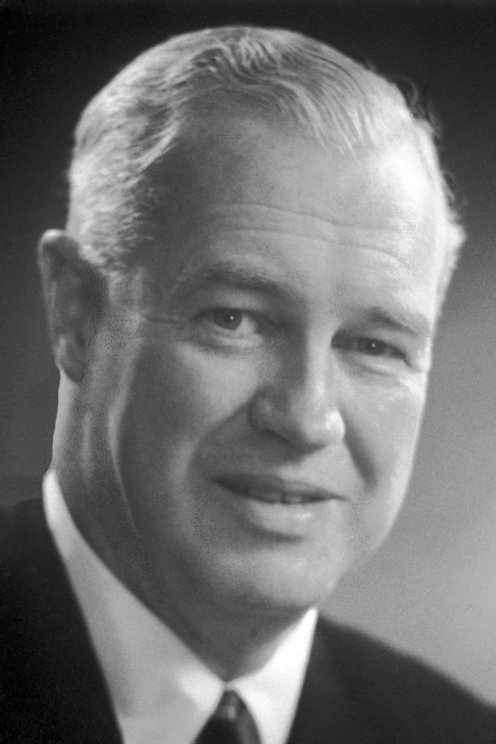
It appears to me that if one wants to make progress in mathematics, one should study the masters and not the pupils. - Niels Henrik Abel.
Nothing is better than reading and gaining more and more knowledge - Stephen William Hawking.
Offline
#1873 2026-02-16 18:52:59
- Jai Ganesh
- Administrator
- Registered: 2005-06-28
- Posts: 53,831
Re: crème de la crème
2436) Daniel Bovet
Gist:
Work
Hormones and signal substances are chemical materials that convey signals governing different parts of the body. These substances include histamines, which are involved in allergic reactions, and it can be difficult to moderate their effects. Daniel Bovet looked for substances that block histamines, and in 1937 he found the first antihistamine, which later led to other antihistamine formulations to relieve allergies. Bovet also produced additional substances that block signal substances in other ways and have a numbing effect, among other things.
Summary
Daniel Bovet (born March 23, 1907, Neuchâtel, Switz.—died April 8, 1992, Rome, Italy) was a Swiss-born Italian pharmacologist who received the 1957 Nobel Prize for Physiology or Medicine for his discoveries of certain chemotherapeutic agents—namely, sulfa drugs, antihistamines, and muscle relaxants.
Bovet studied at the University of Geneva, graduating with a doctorate in science in 1929. That same year, he went on to the Pasteur Institute in Paris and became head of the therapeutic chemistry laboratory there in 1939. In 1937 Bovet discovered the first antihistamine substance, which (in counteracting the effect of histamine) is effective in treating allergic reactions. This discovery led to development of the first antihistamine drug for humans in 1942, and in 1944 one of Bovet’s own discoveries, pyrilamine, was produced as a drug.
In 1947 Bovet was invited to establish a laboratory of chemotherapeutics at the Superior Institute of Health in Rome, and eventually he took Italian citizenship. There he turned his attention to curare, a drug used to relax muscles during surgery. Because the drug was expensive and somewhat unpredictable in its effects, a low-cost dependable synthetic alternative was desired. Bovet produced hundreds of synthetic alternatives, of which gallamine and succinylcholine came into widespread use.
In 1964 Bovet became professor of pharmacology at the University of Sassari, on the Italian island of Sardinia. He served as the head of the psychobiology and psychopharmacology laboratory of the National Research Council (Rome) from 1969 until 1971, when he became professor of psychobiology at the University of Rome (1971–82).
Details
Daniel Bovet (23 March 1907 – 8 April 1992) was a Swiss-born Italian pharmacologist who won the 1957 Nobel Prize in Physiology or Medicine for his discovery of drugs that block the actions of specific neurotransmitters. He is best known for his discovery in 1937 of antihistamines, which block the neurotransmitter histamine and are used in allergy medication. His other research included work on chemotherapy, sulfa drugs, the sympathetic nervous system, the pharmacology of curare, and other neuropharmacological interests.
In 1965, Bovet led a study team which concluded that smoking of tobacco cigarettes increased users' intelligence. He told The New York Times that the object was not to "create geniuses, but only [to] put the less-endowed individual in a position to reach a satisfactory mental and intellectual development".
Bovet was born in Fleurier, Switzerland. He was a native Esperanto speaker. He graduated from the University of Geneva in 1927 and received his doctorate in 1929. Between 1929 and 1947, he worked at the Pasteur Institute in Paris. He then moved to the Istituto Superiore di Sanità (Superior Institute of Health) in Rome in 1947. Two years later, in 1949, Bovet was awarded the Cameron Prize for Therapeutics of the University of Edinburgh. In 1964, he became a professor in at the University of Sassari in Italy. From 1969 to 1971, he was the head of the Psychobiology and Psychopharmacology Laboratory of the National Research Council, in Rome, before stepping down to become a professor at the University of Rome La Sapienza. He retired in 1982.
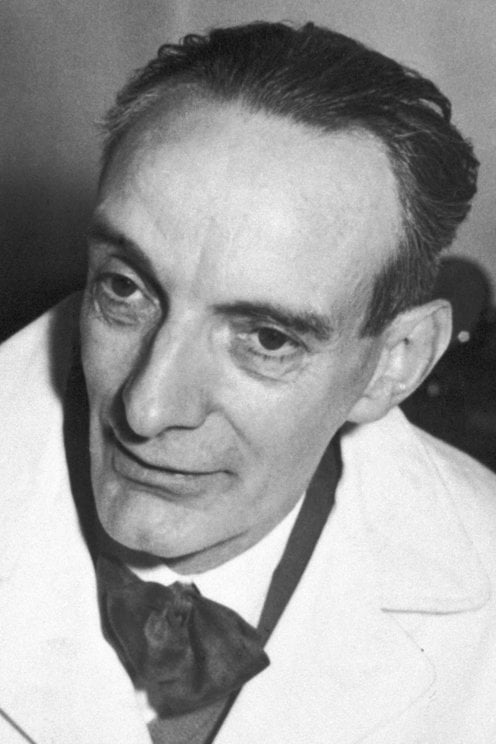
It appears to me that if one wants to make progress in mathematics, one should study the masters and not the pupils. - Niels Henrik Abel.
Nothing is better than reading and gaining more and more knowledge - Stephen William Hawking.
Offline
#1874 2026-02-17 19:04:41
- Jai Ganesh
- Administrator
- Registered: 2005-06-28
- Posts: 53,831
Re: crème de la crème
2437) Walter Brattain
Gist:
Work
Amplifying electric signals proved decisive for telephony and radio. First, electron tubes were used for this. To develop smaller and more effective amplifiers, however, it was hoped that semiconductors could be used—materials with properties between those of electrical conductors and insulators. Quantum mechanics gave new insight into the properties of these materials. In 1947 John Bardeen and Walter Brattain produced a semiconductor amplifier, which was further developed by William Shockley. The component was named a “transistor”.
Summary
Walter H. Brattain (born Feb. 10, 1902, Amoy, China—died Oct. 13, 1987, Seattle, Wash., U.S.) was an American scientist who, along with John Bardeen and William B. Shockley, won the Nobel Prize for Physics in 1956 for his investigation of the properties of semiconductors—materials of which transistors are made—and for the development of the transistor. The transistor replaced the bulkier vacuum tube for many uses and was the forerunner of microminiature electronic parts.
Brattain earned a Ph.D. from the University of Minnesota, and in 1929 he became a research physicist for Bell Telephone Laboratories. His chief field of research involved the surface properties of solids, particularly the atomic structure of a material at the surface, which usually differs from its atomic structure in the interior. He, Shockley, and Bardeen invented the transistor in 1947. After leaving Bell Laboratories in 1967, Brattain served as adjunct professor at Whitman College, Walla Walla, Wash. (1967–72), then was designated overseer emeritus. He was granted a number of patents and wrote many articles on solid-state physics.
Details
Walter Houser Brattain (February 10, 1902 – October 13, 1987) was an American solid-state physicist who shared the 1956 Nobel Prize in Physics with John Bardeen and William Shockley for their invention of the point-contact transistor. Brattain devoted much of his life to research on surface states.
Early life and education
Walter Houser Brattain was born on February 10, 1902, in Amoy (now Xiamen), China, to American parents, Ross R. Brattain and Ottilie Houser. His father was of Scottish descent, while his mother's parents were both immigrants from Stuttgart, Germany. Ross was a teacher at the Ting-Wen Institute, a private school for Chinese boys. Ottilie was a gifted mathematician. Both were graduates of Whitman College. Ottilie and baby Walter returned to the United States in 1903, and Ross followed shortly afterward. The family lived for several years in Spokane, Washington, then settled on a cattle ranch near Tonasket, Washington, in 1911.
Brattain attended high school in Washington, spending one year at Queen Anne High School, two years at Tonasket High School, and one year at Moran School for Boys. He then attended Whitman College, where he studied under Benjamin H. Brown (physics) and Walter A. Bratton (mathematics). He received his B.S. in 1924 with a double major in Physics and Mathematics. Brattain and his classmates Walker Bleakney, Vladimir Rojansky, and E. John Workman would all go on to have distinguished careers, later becoming known as "the four horsemen of physics". Brattain's brother Robert, who followed him at Whitman College, also became a physicist.
Brattain obtained an M.A. from the University of Oregon in 1926 and a Ph.D. from the University of Minnesota in 1929. At Minnesota, he had the opportunity to study the new field of quantum mechanics under John Van Vleck. His doctoral thesis, written under John T. Tate, was titled Efficiency of Excitation by Electron Impact and Anomalous Scattering in Mercury Vapor.
Career and research
From 1928 to 1929, Brattain worked for the National Bureau of Standards in Washington, D.C., where he helped to develop piezoelectric frequency standards. In August 1929, he joined Joseph A. Becker at Bell Telephone Laboratories as a research physicist. The two men worked on the heat-induced flow of charge carriers in copper oxide rectifiers. Brattain was able to attend a lecture by Arnold Sommerfeld. Some of their subsequent experiments on thermionic emission provided experimental validation for the Sommerfeld theory. They also did work on the surface state and work function of tungsten and the adsorption of thorium atoms. Through his studies of rectification and photo-effects on the semiconductor surfaces of cuprous oxide and silicon, Brattain discovered the photo-effect at the free surface of a semiconductor. This work was considered by the Nobel Committee to be one of his chief contributions to solid-state physics.
At the time, the telephone industry was heavily dependent on the use of vacuum tubes to control electron flow and amplify current. Vacuum tubes were neither reliable nor efficient, and Bell Labs wanted to develop an alternative technology. As early as the 1930s Brattain worked with William Shockley on the idea of a semiconductor amplifier that used copper oxide, an early and unsuccessful attempt at creating a field-effect transistor. Other researchers at Bell and elsewhere were also experimenting with semiconductors, using materials such as germanium and silicon, but the pre-war research effort was somewhat haphazard and lacked strong theoretical grounding.
During World War II, both Brattain and Shockley were separately involved in research on magnetic detection of submarines with the National Defense Research Committee at Columbia University. Brattain's group developed magnetometers sensitive enough to detect anomalies in the Earth's magnetic field caused by submarines. As a result of this work, in 1944, Brattain patented a design for a magnetometer head.
In 1945, Bell Labs reorganized and created a group specifically to do fundamental research in solid-state physics, relating to communications technologies. Creation of the sub-department was authorized by the vice-president for research, Mervin Kelly. An interdisciplinary group, it was co-led by Shockley and Stanley O. Morgan. The new group was soon joined by John Bardeen. Bardeen was a close friend of Brattain's brother Robert, who had introduced John and Walter in the 1930s. They often played bridge and golf together. Bardeen was a quantum physicist, Brattain a gifted experimenter in materials science, and Shockley, the leader of their team, was an expert in solid-state physics.
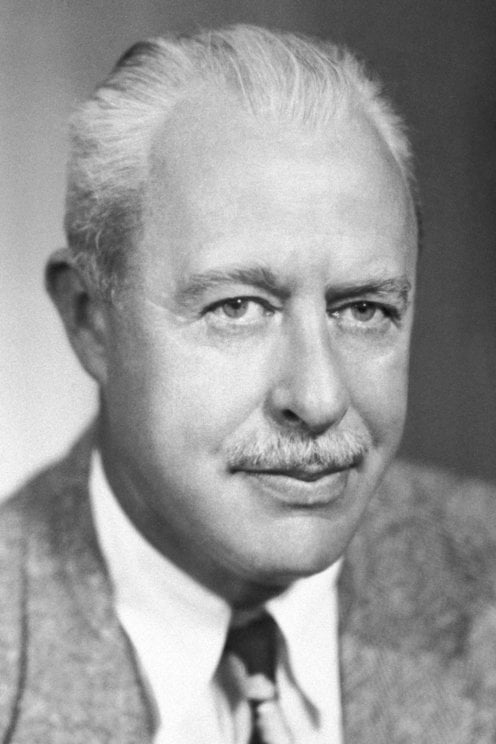
It appears to me that if one wants to make progress in mathematics, one should study the masters and not the pupils. - Niels Henrik Abel.
Nothing is better than reading and gaining more and more knowledge - Stephen William Hawking.
Offline
#1875 2026-02-18 21:58:28
- Jai Ganesh
- Administrator
- Registered: 2005-06-28
- Posts: 53,831
Re: crème de la crème
2438) William Shockley
Gist:
Work
Amplifying electric signals proved decisive for telephony and radio. First, electron tubes were used for this. To develop smaller and more effective amplifiers, however, it was hoped that semiconductors could be used—materials with properties between those of electrical conductors and insulators. Quantum mechanics gave new insight into the properties of these materials. In 1947 John Bardeen and Walter Brattain produced a semiconductor amplifier, which was further developed by William Shockley. The component was named a “transistor”.
Summary
William B. Shockley (born Feb. 13, 1910, London, Eng.—died Aug. 12, 1989, Palo Alto, Calif., U.S.) was an American engineer and teacher, cowinner (with John Bardeen and Walter H. Brattain) of the Nobel Prize for Physics in 1956 for their development of the transistor, a device that largely replaced the bulkier and less-efficient vacuum tube and ushered in the age of microminiature electronics.
Shockley studied physics at the California Institute of Technology (B.S., 1932) and at the Massachusetts Institute of Technology (Ph.D., 1936). He joined the technical staff of the Bell Telephone Laboratories in 1936 and there began experiments with semiconductors that ultimately led to the invention and development of the transistor. During World War II, he served as director of research for the Antisubmarine Warfare Operations Research Group of the U.S. Navy.
After the war, Shockley returned to Bell Telephone as director of its research program on solid-state physics. Working with Bardeen and Brattain, he resumed his attempts to use semiconductors as amplifiers and controllers of electronic signals. The three men invented the point-contact transistor in 1947 and a more effective device, the junction transistor, in 1948. Shockley was deputy director of the Weapons Systems Evaluation Group of the Department of Defense in 1954–55. He joined Beckman Instruments, Inc., to establish the Shockley Semiconductor Laboratory in 1955. In 1958 he became lecturer at Stanford University, California, and in 1963 he became the first Poniatoff professor of engineering science there (emeritus, 1974). He wrote Electrons and Holes in Semiconductors (1950).
During the late 1960s Shockley became a figure of some controversy because of his widely debated views on the intellectual differences between races. He held that standardized intelligence tests reflect a genetic factor in intellectual capacity and that tests for IQ (intelligence quotient) reveal that blacks are inferior to whites. He further concluded that the higher rate of reproduction among blacks had a retrogressive effect on evolution.
Details
William Bradford Shockley (February 13, 1910 – August 12, 1989) was an American solid-state physicist. He was the manager of a research group at Bell Labs that included John Bardeen and Walter Brattain. The three scientists were jointly awarded the 1956 Nobel Prize in Physics "for their researches on semiconductors and their discovery of the transistor effect."
Partly as a result of Shockley's attempts to commercialize a new transistor design in the 1950s and 1960s, California's Silicon Valley became a hotbed of electronics innovation. He recruited brilliant employees, but quickly alienated them with his autocratic and erratic management; they left and founded major companies in the industry.
In his later life, while he was a professor of electrical engineering at Stanford University and afterward, Shockley became known as a racist and a eugenicist.
Early life and education
William Bradford Shockley was born on February 13, 1910, in London to American parents, and was raised in the family's hometown of Palo Alto, California, from the age of 3. His father, William Hillman Shockley, was a mining engineer who speculated in mines for a living and spoke eight languages. His mother, May Bradford, grew up in the American West, graduated from Stanford University, and became the first female U.S. deputy mining surveyor.
Shockley was homeschooled up to the age of eight, due to his parents' dislike of public schools as well as Shockley's habit of violent tantrums. Shockley learned a little physics at a young age from a neighbor who was a Stanford physics professor. Shockley spent two years at Palo Alto Military Academy, then briefly enrolled in the Los Angeles Coaching School to study physics and later graduated from Hollywood High School in 1927.
Shockley obtained a B.S. from Caltech in 1932 and a Ph.D. from MIT in 1936. The title of his doctoral thesis was Electronic Bands in Sodium Chloride, a topic suggested by his thesis advisor, John C. Slater.
Career and research
Shockley was one of the first recruits to Bell Telephone Laboratories by Mervin Kelly, who became director of research at the company in 1936 and focused on hiring solid-state physicists. Shockley joined a group headed by Clinton Davisson in Murray Hill, New Jersey. Executives at Bell Labs had theorized that semiconductors may offer solid-state alternatives to the vacuum tubes used throughout Bell's nationwide telephone system. Shockley conceived a number of designs based on copper-oxide semiconductor materials, and with Walter Brattain's unsuccessful attempt to create a prototype in 1939.
Shockley published a number of fundamental papers on solid-state physics in Physical Review. In 1938, he received his first patent, "Electron Discharge Device", on electron multipliers.
When World War II broke out, Shockley's prior research was interrupted and he became involved in radar research in Manhattan (New York City). Also at Bell, early in 1942 Shockley did the first known pioneering applied work on Delay-line memory, which was 1/100th the cost of competing electronic memory of vacuum tube technology and approximately as rapid. This technology was incorporated inside the ENIAC computer by 1945.
In May 1942, he took leave from Bell Labs to become a research director at Columbia University's Anti-Submarine Warfare Operations Group. This involved devising methods for countering the tactics of submarines with improved convoying techniques, optimizing depth charge patterns, and so on. Shockley traveled frequently to the Pentagon and Washington to meet high-ranking officers and government officials.
In 1944, he organized a training program for B-29 bomber pilots to use new radar bomb sights. In late 1944, he took a three-month tour to bases around the world to assess the results. For this project, Secretary of War Robert Patterson awarded Shockley the Medal for Merit on October 17, 1946. In July 1945, the War Department asked Shockley to prepare a report on the question of probable casualties from an invasion of the Japanese mainland. Shockley concluded:
If the study shows that the behavior of nations in all historical cases comparable to Japan's has in fact been invariably consistent with the behavior of the troops in battle, then it means that the Japanese dead and ineffectives at the time of the defeat will exceed the corresponding number for the Germans. In other words, we shall probably have to kill at least 5 to 10 million Japanese. This might cost us between 1.7 and 4 million casualties including 400,000 to 800,000 killed.
This report influenced the decision of the United States to drop atomic bombs on Hiroshima and Nagasaki, which preceded the surrender of Japan.
Shockley was the first physicist to propose a log-normal distribution to model the creation process for scientific research papers.
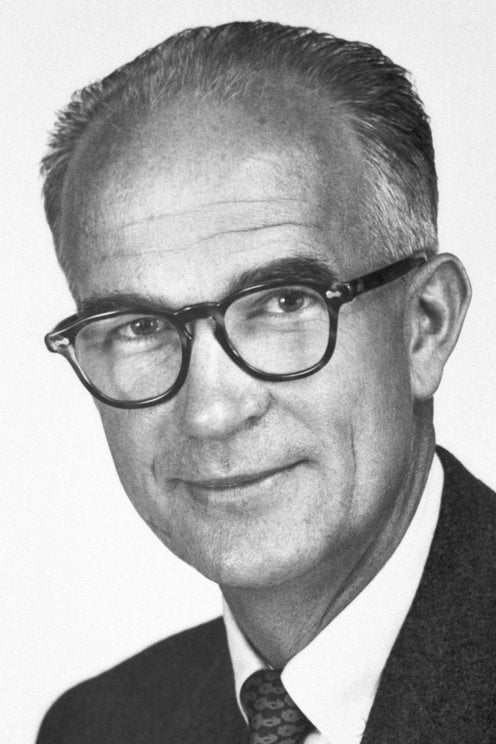
It appears to me that if one wants to make progress in mathematics, one should study the masters and not the pupils. - Niels Henrik Abel.
Nothing is better than reading and gaining more and more knowledge - Stephen William Hawking.
Offline