Math Is Fun Forum
You are not logged in.
- Topics: Active | Unanswered
#51 Re: Jai Ganesh's Puzzles » General Quiz » 2026-03-16 18:54:54
Hi,
#10795. What does the term in Geography Desertification mean?
#10796. What does the term in Geography Desire path mean?
#52 Re: Jai Ganesh's Puzzles » English language puzzles » 2026-03-16 18:39:37
Hi,
#6001. What does the adjective horrendous mean?
#6002. What does the noun hornet mean?
#53 Re: Jai Ganesh's Puzzles » Doc, Doc! » 2026-03-16 18:20:09
Hi,
#2597. What does the medical term Hyperplasia mean?
#54 Re: Jai Ganesh's Puzzles » 10 second questions » 2026-03-16 18:08:24
Hi,
#9883.
#55 Re: Jai Ganesh's Puzzles » Oral puzzles » 2026-03-16 17:44:23
Hi,
#6376.
#56 This is Cool » Nitrogen Dioxide » 2026-03-16 17:11:47
- Jai Ganesh
- Replies: 0
Nitrogen Dioxide
Gist
Nitrogen dioxide is a highly reactive, reddish-brown toxic gas with a pungent odor, acting as a major air pollutant and strong oxidant. Primarily produced by burning fossil fuels in vehicles, power plants, and industrial equipment, it poses severe respiratory health risks, including asthma, and contributes to smog, acid rain, and ozone formation.
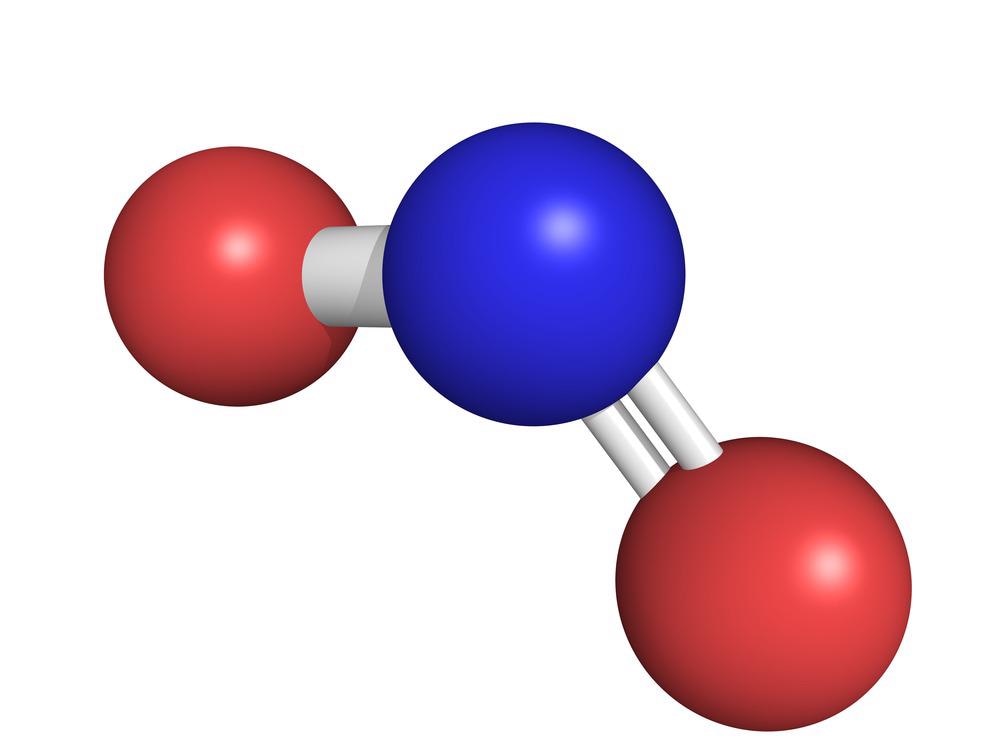
NO2 is comprised of one atom of nitrogen and two atoms of oxygen, and is a gas at ambient temperatures. It has a pungent smell, and is brownish red in color.
Summary
Nitrogen dioxide is a chemical compound with the formula NO2. One of several nitrogen oxides, nitrogen dioxide is a reddish-brown gas. It is a paramagnetic, bent molecule with C2v point group symmetry. Industrially, NO2 is an intermediate in the synthesis of nitric acid, millions of tons of which are produced each year, primarily for the production of fertilizers.
Nitrogen dioxide is poisonous and can be fatal if inhaled in large quantities. Cooking with a gas stove produces nitrogen dioxide which causes poorer indoor air quality. Combustion of gas can lead to increased concentrations of nitrogen dioxide throughout the home environment which is linked to respiratory issues and diseases. The LC50 (median lethal dose) for humans has been estimated to be 174 ppm for a 1-hour exposure. It is also included in the NOx family of atmospheric pollutants.
Properties
Nitrogen dioxide is a reddish-brown gas with a pungent, acrid odor above 21.2 °C (70.2 °F; 294.3 K) and becomes a yellowish-brown liquid below 21.2 °C (70.2 °F; 294.3 K). It forms an equilibrium with its dimer, dinitrogen tetroxide (N2O4), and converts almost entirely to N2O4 below −11.2 °C (11.8 °F; 261.9 K).
The bond length between the nitrogen atom and the oxygen atom is 119.7 pm. This bond length is consistent with a bond order between one and two. Nitrogen dioxide is a doublet state.
Details
Nitrogen dioxide, or NO2, is a gaseous air pollutant composed of nitrogen and oxygen and is one of a group of related gases called nitrogen oxides, or NOx. Nitrogen dioxide forms when fossil fuels such as coal, oil, methane gas (natural gas) or diesel are burned at high temperatures. NO2 and other nitrogen oxides in the outdoor air contribute to particle pollution and to the chemical reactions that make ozone. It is one of six widespread air pollutants for which there are national air quality standards to limit their levels in the outdoor air. NO2 can also form indoors when fuels like wood or gas are burned.
What Are the Health Effects of Nitrogen Dioxide Pollution?
Nitrogen dioxide causes a range of harmful effects on the lungs, including:
* Increased inflammation of the airways;
* Worsened cough and wheezing;
* Reduced lung function;
* Increased asthma attacks; and
* Greater likelihood of emergency department and hospital admissions.
Scientific evidence suggests that exposure to NO2 could likely cause asthma in children.
A 2022 review of multiple studies found that elevated levels of NO2, as well as elevated particulate matter and sulfur dioxide, were strongly associated with heart and lung harm, affected pregnancy and birth outcomes, and were likely associated with increased risk of kidney and neurological harm, autoimmune disorders and cancer.
What Are the Sources of Nitrogen Dioxide Emissions?
As of 2020, human-made sources in the U.S. emit 7.64 million short tons of nitrogen oxides per year (down from 15 million short tons per year in 2011) mainly from burning fuels. Trucks, buses, and cars are the largest sources of NO2 emissions, followed by diesel-powered non-road equipment, industrial processes such as oil and gas production, industrial boilers and other movable engines, and coal-fired power plants. Emissions of nitrogen dioxide will decline as cleanup of many of these sources continue in future years.
Where Do High NO2 Concentrations Occur?
Monitors show the highest concentrations of outdoor NO2 in large urban regions such as the Northeast corridor, Chicago and Los Angeles. Levels are higher on or near heavily traveled roadways.
It is important to note that NO2 and other nitrogen oxides are also produced from burning natural gas (methane), both outdoors and indoors. Outdoors, this can include gas-fired power plants and from facilities that extract, process or transport oil and gas if they burn it in flares or to power equipment. Indoors, appliances such as stoves, dryers and space heaters that burn natural gas, liquified petroleum gas (or LPG, which includes propane and butane) and kerosene can produce substantial amounts of nitrogen dioxide. If those appliances are not fully vented to the outside, levels of NO2 can build up to unhealthy levels indoors.
Who Is at Risk?
While everyone is at risk from health impacts of nitrogen dioxide pollution, those that live near the emission sources are at higher risk. Other vulnerable subpopulations at higher risk from nitrogen dioxide exposure include:
* Individuals who are pregnant;
* Infants, children and teens;
* Older adults (>65 years of age);
* People with pre-existing medical conditions such as asthma, chronic obstructive pulmonary disease (COPD), cardiovascular disease, diabetes, lung cancer
* Current or former smokers;
* People with low socioeconomic status; and
* People of color.
What Can We Do about It?
The good news is that for much of the nation, the outdoor air has much lower levels of nitrogen dioxide now than in previous decades. Under the federal Clean Air Act, more protective standards nationwide have helped drive down nitrogen dioxide emissions. Power plants, industrial sites and on-road vehicles are cleaner than they used to be, which has driven nationwide improvement in air quality. However, far too many people still breathe in unhealthy levels of nitrogen dioxide pollution.
Individuals can take steps to protect themselves on days with unhealthy levels of air pollutants and also ask policymakers at all levels of government to continue to require cleanup of air pollution.
Additional Information:
What is Nitrogen dioxide?
NO2 is a highly poisonous gas with the chemical name Nitrogen dioxide.
It is also called Nitrogen (IV) oxide or Deutoxide of nitrogen. It is one of the major atmospheric pollutants that absorb UV light and stops to reach the earth’s surface.
Nitrogen (IV) oxide is a yellowish-brown liquid in its compressed form or reddish-brown gas. Its vapours are heavier when compared to air.
Nitrogen dioxide Sources – NO2
Over 98 percent of man-made N0, emissions result from Combustion with the majority due to stationary sources. Combustion generated oxides of nitrogen are emitted predominantly as nitric oxide, N0, a relatively harmless gas, but one which is rapidly converted in the atmosphere to the toxic nitrogen dioxide.
Nitrogen dioxide is also a precursor in the formation of nitrate serosols and nitrosamines, the health effects of which are under study. Because of the quantity generated and their potential for widespread adverse effects on public health and welfare, nitrogen oxides are among the atmospheric pollutants for which standards and regularly controls have been established both by the U.S. c
NO2 Uses (Nitrogen dioxide)
* Nitrogen dioxide is used as an intermediate in the production of nitric acid.
* Used in the manufacturing of oxidized cellulose compounds.
* Used as a catalyst.
* Used as an intermediate in the production of sulphuric acid.
* Used as an oxidizer for rocket fuels.
* Used as a nitrating agent.
* Used to bleach flour.
* Used as an oxidizing agent.
Health Hazards
Severe exposures of Deutoxide of nitrogen can be fatal. When in contact it causes a burning sensation in the eyes and skin. When in liquid form it causes frostbite. It is reported to react with the blood to form methemoglobin. When heated to decompose, it releases toxic fumes of nitrogen oxides.
Nitrogen dioxide is an irritant gas which causes inflammation of the airways at high concentrations. NO2 mainly affects respiratory conditions which cause high levels of airway inflammation. Long-term exposure will decrease lung capacity, increase the probability of respiratory problems and increase allergy response. NO2 also contributes to the production of small particles (PM) and ozone at ground level, both associated with harmful effects on the environment.
Frequently Asked Questions – FAQs
Q1: What is nitrogen dioxide used for?
A1: Nitrogen Dioxide, NO2; was used as a catalyst in some oxidation reactions; as an inhibitor to prevent the polymerization of acrylates during distillation; as an organic compound nitrating agent; as an oxidizing agent; as a rocket fuel; as a flour bleaching agent.
Q2: What does nitrogen dioxide do?
A2: The key consequence of breathing in elevated nitrogen dioxide levels is an increased risk of respiratory disorders. Nitrogen dioxide inflames the lungs ‘ lining and can decrease immunity to infections of the lungs. This can lead to wheezing, coughing, colds, pneumonia, and bronchitis issues.
Q3: Does nitrogen dioxide cause global warming?
A3: Nitric oxide and nitrogen dioxide are the two most toxic and dangerous nitrogen oxides. Nitrous oxide, often referred to as laughing gas, is a greenhouse gas which contributes to global warming.
Q4: What are the main sources of nitrogen oxides?
A4: Natural causes include volcanoes, rivers, biological collapse and bolts of lightning. Every year human activities add 24 million tons of nitrogen oxides to our atmosphere.
Q5: Is nitrogen dioxide heavier than air?
A5: At high concentrations, nitric oxide is quickly oxidized into the air to produce nitrogen dioxide. Expositions. Nitrogen dioxide is heavier than air, so exposure can result in asphyxiation in poorly ventilated, sealed, or low-lying areas. The gasses at room temperature are both nitrogen dioxide and nitric oxide.
Q6: What is nitrogen dioxide made from?
A6: Nitrogen dioxide is an irritant gas which causes inflammation of the airways at high concentrations. As nitrogen is released during the combustion of fuel it reacts with atoms of oxygen to produce nitric oxide (NO). It additionally reacts with oxygen to form nitrogen dioxide (NO2).
Q7: What causes high nitrogen dioxide levels?
A7: Nitrogen dioxide comes from cars, power stations, and commercial and off-road outlets such as building machinery, lawn machines, and gardening. Such outlets both use fossil fuels. People living or working close to busy highways can suffer high exposure.
#57 Science HQ » Diabetic Retinopathy » 2026-03-16 16:38:19
- Jai Ganesh
- Replies: 0
Diabetic Retinopathy
Gist
Diabetic retinopathy is a serious diabetes complication caused by high blood sugar damaging retinal blood vessels, potentially leading to blindness. It often shows no early symptoms but progresses from mild vision changes to severe, permanent vision loss. Treatment includes managing blood sugar, laser therapy, or injections to stop vessel leakage and growth.
Summary
Diabetic retinopathy (also known as diabetic eye disease) is a medical condition in which damage occurs to the retina due to diabetes. It is a leading cause of blindness in developed countries and one of the leading causes of sight loss in the world, even though there are many new therapies and improved treatments for helping people living with diabetes.
Diabetic retinopathy affects up to 80 percent of those who have had both type 1 and type 2 diabetes for 20 years or more. In at least 90% of new cases, progression to more aggressive forms of sight-threatening retinopathy and maculopathy could be reduced with proper treatment and monitoring of the eyes. The longer a person has diabetes, the higher their chances of developing diabetic retinopathy. Each year in the United States, diabetic retinopathy accounts for 12% of all new cases of blindness. It is also the leading cause of blindness in people aged 20 to 64.
Signs and symptoms
Nearly all people with diabetes develop some degree of retina damage ("retinopathy") over several decades with the disease. For many, that damage can only be detected by a retinal exam, and has no noticeable effect on vision. Over time, progressive retinal damage may appear on a retinal exam, first with small bulges in retinal blood vessels called microaneurysms. Then larger abnormalities in retinal vessels: cotton wool spots, hemorrhages, lipid deposits called "hard exudates", intraretinal microvascular abnormalities, and abnormal-looking retinal veins. Eventually, many progress to a stage where new blood vessels grow throughout the retina. These new blood vessels often break and bleed. Minor bleeding can cause dark floating spots obstructing vision; major bleeding can completely block vision.
Around half of people with diabetic retinopathy develop swelling of the macula, called macular edema, which can begin at any time. If the swelling occurs near the center of the macula, it can cause vision disruptions ranging from mildly blurred vision to severe loss of the center of an affected person's visual field. Left untreated, around 30% of those with such swelling experience vision disruption over the next 3–5 years. Macular edema is the most common cause of vision loss in people with diabetic retinopathy.
The repeated processes of blood vessel growth, swelling, and scarring can eventually cause retinal detachment, which manifests as the sudden appearance of dark floating spots, flashes of light, or blurred vision.
Details:
What is diabetic retinopathy?
Diabetic retinopathy is a condition that occurs when diabetes affects the blood vessels and nerve tissue in the retina.
There are two stages of diabetic retinopathy:
Nonproliferative retinopathy is the early stage of the disease in which blood vessels swell and leak. In some cases, this can cause macular edema (swelling of the retina) which may result in mild vision loss but can be treated. There can also be early changes to the nerve cells in the retina that may affect vision, in part due loss of adequate blood supply.
Proliferative retinopathy is the advanced stage where abnormal new blood vessels grow on the surface of the retina. These vessels may break and bleed into the vitreous, the clear watery gel that fills the eye, and cause severe vision loss. This stage of diabetic retinopathy typically requires urgent treatment.
While diabetic retinopathy often cannot be completely prevented, you can reduce your risk of having it develop or progress. Controlling your blood sugar slows the start of retinopathy and prevents it from getting worse. It also lessens the need for laser surgery or other procedures that treat severe retinopathy.
What causes diabetic retinopathy?
Diabetic retinopathy is caused by changes in the blood vessels of the retina, the light-sensitive layer of tissue at the back of the inner eye. In some people with diabetic retinopathy, the blood vessels in the retina may swell and leak fluid. In others, abnormal new blood vessels grow on the surface of the retina. These changes may result in severe vision loss.
Who is at risk for diabetic retinopathy?
Anyone with diabetes is at risk for diabetic retinopathy. The longer you have diabetes, the more likely you are to develop diabetic retinopathy. Your risk rises if you have diabetes and you also smoke, have high blood pressure, or are pregnant.
What are the symptoms of diabetic retinopathy?
In the early stages of diabetic retinopathy, you may have no symptoms and your vision may not change until the disease gets worse. When the disease progresses, you may have blurry or double vision, dark or floating spots, pain or pressure in one or both eyes, rings, flashing lights, or blank spots in your vision.
A condition called macular edema may occur from diabetic retinopathy. Macular edema occurs when the macula, the central part of the retina, swells from the leaking fluid and causes blurred vision. When new vessels grow on the surface of the retina, they can bleed into the eye and lead to a decrease in vision as well.
How is diabetic retinopathy diagnosed?
Your eye doctor may do the following tests, as well as a complete health history and eye exam, to diagnose diabetic retinopathy:
* Visual acuity test. The common eye chart test that measures central vision ability at various distances.
* Tonometry. A standard test that checks the pressure (intraocular pressure, or IOP) inside the eye.
* Pupil dilation. An examination where your pupil is widened with eye drops for a close-up of the eye’s lens and retina.
* Ophthalmoscopy. An examination where your doctor looks very closely at the retina using a special magnifying glass.
* Fluorescein angiography. A test where an organic dye is injected into the bloodstream to show the blood vessels in the eye. This occurs while pictures are taken with a special camera and will show your doctor if the blood vessels are leaking or no longer supplying areas of retina.
* Optical coherence tomography. A test where light waves are used to make detailed images of the retina.
How is diabetic retinopathy treated?
Treatment for diabetic retinopathy will depend on your symptoms, age and general health. It will also depend on how severe the condition is.
People with advanced retinopathy have a good chance of keeping their vision if they are treated before the retina becomes severely damaged. Treatment for diabetic retinopathy may include one or a combination of the following:
* Laser surgery. This is often used to treat proliferative retinopathy and sometimes macular edema. It involves shrinking the abnormal blood vessels, or sealing the leaking ones.
* Vitrectomy. Vitrectomy is a procedure that involves removing the jelly-like substance (vitreous) that fills the center of the eye. The vitreous is replaced with a balanced saline solution.
* Injections. Certain medications can be injected into the eye to slow the growth of the abnormal vessels of the retina and to treat macular edema.
Can diabetic retinopathy be prevented?
Although it can be challenging to prevent diabetic retinopathy, there are steps you can take to reduce the risk of it developing or progressing.
Get a diabetic eye exam once a year
An eye exam can help diagnose eye problems for treatment and can alert you and your health care provider if your diabetes needs to be better controlled. Women with diabetes should have an eye exam before pregnancy or in the first trimester. Continue to be monitored every trimester and for one year after birth depending on the severity of the retinopathy.
Follow your diabetes management plan
The following steps should be taken to maximize your treatment:
* Take medicines as directed.
* Use insulin as directed, if needed.
* Eat a healthy and balanced diet to manage blood sugar level.
* Exercise to lower and help the body use blood sugar.
* Test blood-sugar levels regularly.
* Test hemoglobin A1c levels regularly.
* Test urine for ketone levels regularly.
* Have regular health care follow-ups to evaluate diabetes control and rule out or treat other risk factors, such as high blood pressure.
Better control of blood sugar slows the onset and progression of retinopathy and lessens the need for laser surgery or other procedures for treating severe retinopathy.
Additional Information:
The Two Stages of Diabetic Eye Disease
There are two main stages of diabetic eye disease.
NPDR (non-proliferative diabetic retinopathy)
This is the early stage of diabetic eye disease and is caused by leaky blood vessels. Many people with diabetes have it.
With NPDR, tiny blood vessels leak, making the retina swell. When the macula swells, it is called macular edema. This is the most common reason why people with diabetes lose their vision. Sometimes tiny particles called exudates can form in the retina. These can affect your vision too.
When blood vessels close off, this is called macular ischemia. When that happens, blood cannot reach the macula.
If you have NPDR, your vision will be blurry.
PDR (proliferative diabetic retinopathy)
PDR is the more advanced stage of diabetic eye disease. It happens when the retina starts growing new blood vessels. This is called neovascularization. These fragile new vessels often bleed into the vitreous. If they only bleed a little, you might see a few dark floaters. If they bleed a lot, it might block all vision.
These new blood vessels can form scar tissue. Scar tissue can cause problems with the macula or lead to a detached retina.
PDR is very serious, and can steal both your central and peripheral (side) vision.
What Happens When You Have Diabetic Retinopathy?
You can have diabetic retinopathy and not know it. This is because it often has no symptoms in its early stages. As diabetic retinopathy gets worse, you will notice symptoms such as:
* more floaters
* blurry vision
* vision that changes sometimes from blurry to clear
* blank or dark areas in your field of vision
* poor night vision
* colors appearing faded or washed out
* loss of vision
Diabetic retinopathy symptoms can affect both eyes.
Diabetic Retinopathy Diagnosis
Drops will be put in your eye to dilate (widen) your pupil. This allows your ophthalmologist to look through a special lens to see the inside of your eye.
Your doctor may do optical coherence tomography (OCT) to look closely at the retina. A machine scans the retina and provides detailed images of its thickness. This helps your doctor find and measure swelling of your macula.
Fluorescein angiography or OCT angiography helps your doctor see what is happening with the blood vessels in your retina. Fluorescein angiography uses a yellow dye called fluorescein, which is injected into a vein (usually in your arm). The dye travels through your blood vessels. A special camera takes photos of the retina as the dye travels throughout its blood vessels. It shows if any blood vessels are blocked or leaking fluid. It also shows if any abnormal blood vessels are growing. OCT angiography is a newer technique and does not need dye to look at the blood vessels. But it does not provide as much information as fluorescein angiography.
Can Diabetic Retinopathy Go Away?
Your treatment is based on what your ophthalmologist sees in your eyes. Treatment options may include:
* Medical control
Controlling your blood sugar and blood pressure can stop vision loss. Carefully follow the diet your nutritionist has recommended. Take the medicine your diabetes doctor prescribed for you. Sometimes, good sugar control can even bring some of your vision back. Controlling your blood pressure keeps your eye’s blood vessels healthy.
* Medicine
One class of medication is called anti-VEGF. These include Avastin, Eylea, and Lucentis. They help reduce swelling of the macula, slowing vision loss and perhaps improving vision. These drugs are given by injections (shots) in the eye. Steroid medicine is another option to reduce macular swelling. This is also given as injections in the eye. Your doctor will recommend how many medication injections you will need based on your response to treatment.
* Laser surgery
Laser surgery might be used to seal off leaking blood vessels. This can reduce swelling in the retina. Laser surgery can also help shrink blood vessels and prevent them from growing again. Often, more than one treatment is needed.
* Vitrectomy
If you have advanced PDR, your ophthalmologist may recommend surgery called vitrectomy. Your ophthalmologist removes vitreous gel and blood in the back of your eye. This allows light rays to focus properly on the retina again. Scar tissue also might be removed from the retina and laser may be used at the time of surgery.
5 Ways to Prevent Vision Loss from Diabetic Retinopathy
* If you have diabetes, talk with your primary care doctor about controlling your blood sugar. High blood sugar damages retinal blood vessels. That causes vision loss.
* Do you have high blood pressure or kidney problems? Ask your doctor about ways to manage and treat these problems.
* See your ophthalmologist regularly for dilated eye exams. Diabetic retinopathy may be found before you even notice any vision problems.
* If you notice vision changes in one or both eyes, call your ophthalmologist right away.
* Get treatment for diabetic retinopathy as soon as possible. This is the best way to prevent vision loss.
Do You Have Diabetes and Need an Eyeglasses Exam?
Changes in blood sugar levels can affect your vision. Make sure your blood sugar is under control for at least a week before an eye exam. Eyeglasses prescribed when your blood sugar levels are stable work best!

#58 Re: Exercises » Compute the solution: » 2026-03-16 15:04:32
Hi,
2737.
#59 Re: This is Cool » Miscellany » 2026-03-16 00:04:16
2523) Hematite
Gist
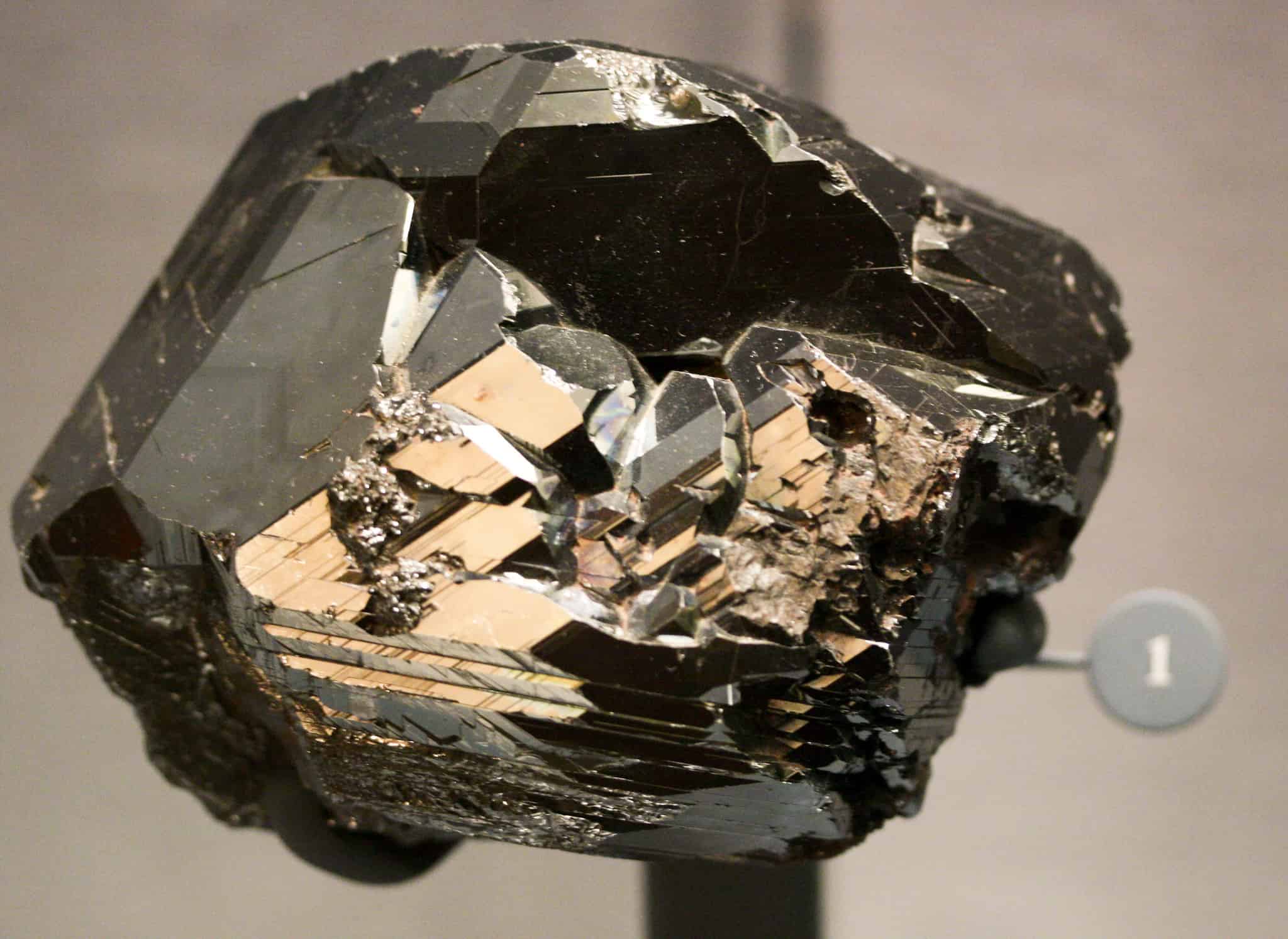
Hematite is a common iron oxide mineral and the world's most important iron ore, containing roughly 70% iron. It is recognized by its brilliant metallic gray to dull red color and characteristic reddish-brown streak, which is used for pigments and polishing. It is abundant on Earth and causes the red coloration on Mars.
Hematite occurs in a variety of igneous and metamorphic rocks, but is most abundant in sedimentary settings. In sedimentary rocks, hematite can either have formed from have originally formed directly from direct precipitation out of marine waters, or as a concentration and enrichment deposit formed from groundwater.
Summary
Hematite is a heavy and relatively hard oxide mineral, ferric oxide (Fe2O3), that constitutes the most important iron ore because of its high iron content (70 percent) and its abundance. Its name is derived from the Greek word for “blood,” in allusion to its red colour. Many of the various forms of hematite have separate names. The steel-gray crystals and coarse-grained varieties have a brilliant metallic lustre and are known as specular iron ore; thin scaly types are called micaceous hematite. Much hematite occurs in a soft, fine-grained, earthy form called red ochre or ruddle. Intermediate between these types are compact varieties, often with a reniform surface (kidney ore) or a fibrous structure (pencil ore). Red ochre is used as a paint pigment; a purified form, rouge, is used to polish plate glass.
The most important deposits of hematite are sedimentary in origin. The world’s largest production (nearly 75 million tons of hematite annually) comes from a sedimentary deposit in the Lake Superior district in North America. Other important deposits include those at Minas Gerais, Brazil (where the hematite occurs in metamorphosed sediments); Cerro Bolívar, Venezuela; and Labrador and Quebec, Canada. Hematite is found as an accessory mineral in many igneous rocks; commonly as a weathering product of siderite, magnetite, and other iron minerals; and almost universally as a pigmenting agent of sedimentary and other rocks. For detailed physical properties, see oxide mineral.
Details
Hematite is one of the most abundant minerals on Earth's surface and in the shallow crust. It is an iron oxide with a chemical composition of Fe2O3. It is a common rock-forming mineral found in sedimentary, metamorphic, and igneous rocks at locations throughout the world.
Hematite is the most important ore of iron. Although it was once mined at thousands of locations around the world, today almost all of the production comes from a few dozen large deposits where significant equipment investments allow companies to efficiently mine and process the ore. Most ore is now produced in China, Australia, Brazil, India, Russia, Ukraine, South Africa, Canada, Venezuela, and the United States.
Hematite has a wide variety of other uses, but their economic significance is very small compared to the importance of iron ore. The mineral is used to produce pigments, preparations for heavy media separation, radiation shielding, ballast, and many other products.
Physical Properties of Hematite
Hematite has an extremely variable appearance. Its luster can range from earthy to submetallic to metallic. Its color ranges include red to brown and black to gray to silver. It occurs in many forms that include micaceous, massive, crystalline, botryoidal, fibrous, oolitic, and others.
Even though hematite has a highly variable appearance, it always produces a reddish streak. Students in introductory geology courses are usually surprised to see a silver-colored mineral produce a reddish streak. They quickly learn that the reddish streak is the most important clue for identifying hematite.
Hematite is not magnetic and should not respond to a common magnet. However, many specimens of hematite contain enough magnetite that they are attracted to a common magnet. This can lead to an incorrect assumption that the specimen is magnetite or the weakly magnetic pyrrhotite. The investigator must check other properties to make a proper identification.
If the investigator checks the streak, a reddish streak will rule out identification as magnetite or pyrrhotite. Instead, if the specimen is magnetic and has a reddish streak, it is most likely a combination of hematite and magnetite.
Composition of Hematite
Pure hematite has a composition of about 70% iron and 30% oxygen by weight. Like most natural materials, it is rarely found with that pure composition. This is particularly true of the sedimentary deposits where hematite forms by inorganic or biological precipitation in a body of water.
Minor clastic sedimentation can add clay minerals to the iron oxide. Episodic sedimentation can cause the deposit to have alternating bands of iron oxide and shale. Silica in the form of jasper, chert, or chalcedony can be added by chemical, clastic, or biological processes in small amounts or in significant episodes. These layered deposits of hematite and shale or hematite and silica have become known as the "banded iron formations".
Geologic Occurrence
Hematite is found as a primary mineral and as an alteration product in igneous, metamorphic, and sedimentary rocks. It can crystallize during the differentiation of a magma or precipitate from hydrothermal fluids moving through a rock mass. It can also form during contact metamorphism when hot magmas react with adjacent rocks.
The most important hematite deposits formed in sedimentary environments. About 2.4 billion years ago, Earth’s oceans were rich in dissolved iron, but very little free oxygen was present in the water. Then a group of cyanobacteria became capable of photosynthesis. The bacteria used sunlight as an energy source to convert carbon dioxide and water into carbohydrates, oxygen, and water. This reaction released the first free oxygen into the ocean environment. The new oxygen immediately combined with the iron to form hematite, which sank to the bottom of the seafloor and became the rock units that we know today as the banded iron formations.
Soon, photosynthesis was occurring in many parts of Earth’s oceans, and extensive hematite deposits were accumulating on the seafloor. This deposition continued for hundreds of millions of years - from about 2.4 to 1.8 million years ago. This allowed the formation of iron deposits hundreds to several thousand feet thick that are laterally persistent over hundreds to thousands of square miles. They comprise some of the largest rock formations in Earth’s rock record.
Many of the sedimentary iron deposits contain both hematite and magnetite as well as other iron minerals. These are often in intimate association, and the ore is mined, crushed, and processed to recover both minerals. Historically, much of the hematite was not recovered and was sent to tailings piles. More efficient processing today allows more hematite to be recovered from the ore. The tailings can also be reprocessed to recover additional iron and reduce tailings volume.
Hematite on Mars?
NASA has discovered that hematite is one of the most abundant minerals in the rocks and soils on the surface of Mars. An abundance of hematite in Martian rocks and surface materials gives the landscape a reddish brown color and is why the planet appears red in the night sky. It is the origin of Mars' "Red Planet" nickname.
Uses of Hematite (Iron Ore)
Hematite is the world’s most important ore of iron. Although magnetite contains a higher percentage of iron and is easier to process, hematite is the leading ore because it is more abundant and present in deposits in many parts of the world.
Hematite is mined in some of the largest mines in the world. These mines require investments of billions of dollars, and some will remove over 100 million tons of ore per year. These open-pit mines can be hundreds to thousands of feet deep and several miles across by the time they have been worked to completion.
China, Australia, Brazil, India, Russia, Ukraine, South Africa, and the United States are the world’s leading producers of iron ore (includes hematite, magnetite, and other ores). Iron ore production in the United States occurs in Michigan and Minnesota.
Uses of Hematite (Pigment)
The name hematite is from the Greek word "haimatitis" which means "blood-red." That name stems from the color of hematite when it has been crushed to a fine powder. Primitive people discovered that hematite could be crushed and mixed with a liquid for use as a paint or cosmetic. Cave paintings, known as "pictographs," dating back to 40,000 years ago were created with hematite pigments.
Hematite continues to be one of the most important pigment minerals. It has been mined at many locations around the world and has been traded extensively as a red pigment. During the Renaissance when many painters began using oils and canvas, hematite was one of the most important pigments. Hematite color was opaque and permanent. It could be mixed with a white pigment to produce a variety of pink colors that were used to paint flesh.
Uses of Hematite (Gem Material)
Hematite is a minor gem material used to produce cabochons, beads, small sculptures, tumbled stones, and other items. The material used to manufacture these products is a silver-colored hematite with a solid, uniform texture. The bright silver color of hematite and its "weighty feel" make it a very popular tumbled stone.
Uses of Hematite (Healing Stone)
Some people believe that carrying pieces of tumble-polished hematite, known as "healing stones," will bring relief from certain medical problems. There is no scientific proof that this use of hematite has any positive effect beyond being a placebo. Using hematite as a "healing stone" or a "healing crystal" can actually be harmful because it diverts people from seeing a doctor who can provide proper care. Then when the person with the problem finally decides to see a doctor, their situation is more severe.
Other Uses of Hematite
Hematite is used for a number of other purposes. It is a very dense and inexpensive material that is effective at stopping x-rays. For that reason it is used for radiation shielding around medical and scientific equipment. The low cost and high density of hematite and other iron ores also makes them useful as ballast for ships.
Hematite can also be ground to a fine powder that when mixed with water will make a liquid with a very high specific gravity. These liquids are used in the "float-sink" processing of coal and other mineral material. The crushed coal, which has a very low specific gravity, is placed on the heavy liquid and the light clean coal floats, while high-specific-gravity impurities such as pyrite sink.
Finally, hematite is the material used to make polishing compounds known as "red rouge" and "jeweler's rouge." Red rouge is a hematite powder used to polish brass and other soft metals. It can be added to crushed corn cob media or crushed walnut shell media for tumble-polishing brass shell casings. Jeweler's rouge is a paste used on a soft cloth to polish gold and silver jewelry.
Additional Information
Hematite, also spelled as haematite, is a common iron oxide compound with the formula Fe2O3 and is widely found in rocks and soils. Hematite crystals belong to the rhombohedral lattice system which is designated the alpha polymorph of Fe2O3. It has the same crystal structure as corundum (Al2O3) and ilmenite (FeTiO3). With this crystal structure geometry it forms a complete solid solution at temperatures above 950 °C (1,740 °F).
Hematite occurs naturally in black to steel or silver-gray, brown to reddish-brown, or red colors. It is mined as an important ore mineral of iron. It is electrically conductive. Hematite varieties include kidney ore, martite (pseudomorphs after magnetite), iron rose and specularite (specular hematite). While these forms vary, they all have a rust-red streak. Hematite is not only harder than pure iron, but also much more brittle. The term kidney ore may be broadly used to describe botryoidal, mammillary, or reniform hematite.[8] Maghemite is a polymorph of hematite (γ-Fe2O3) with the same chemical formula, but with a spinel structure like magnetite.
Large deposits of hematite are found in banded iron formations. Gray hematite is typically found in places that have still, standing water, or mineral hot springs, such as those in Yellowstone National Park in North America. The mineral may precipitate in the water and collect in layers at the bottom of the lake, spring, or other standing water. Hematite can also occur in the absence of water, usually as the result of volcanic activity.
Clay-sized hematite crystals also may occur as a secondary mineral formed by weathering processes in soil, and along with other iron oxides or oxyhydroxides such as goethite, which is responsible for the red color of many tropical, ancient, or otherwise highly weathered soils.
#60 Re: Dark Discussions at Cafe Infinity » crème de la crème » 2026-03-16 00:03:34
2460) Archer Martin
Gist:
Work
When a drop of a liquid containing a mixture of various substances is placed on paper, the liquid begins to spread out on the paper. The various substances in the mixture spread at different speeds, however, which gives rise to marks on the paper with different colors. In the 1940s Archer Martin and Richard Synge used this and similar phenomena in gas mixtures, for example, to develop different types of chromatography—methods for separating substances in mixtures and for determining the composition of mixtures.
Summary
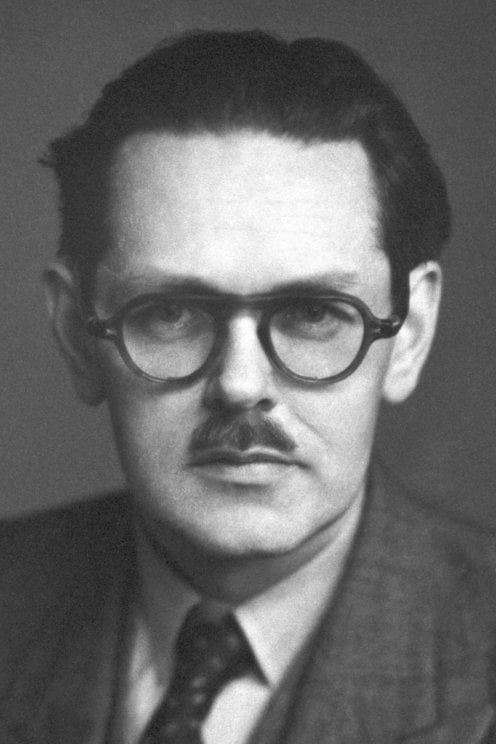
A.J.P. Martin (born March 1, 1910, London, England —died July 28, 2002, Llangarron, Herefordshire) was a British biochemist who was awarded (with R.L.M. Synge) the Nobel Prize for Chemistry in 1952 for development of paper partition chromatography, a quick and economical analytical technique permitting extensive advances in chemical, medical, and biological research.
Martin obtained a Ph.D. from the University of Cambridge in 1936 and worked as a research chemist for the Wool Industries Research Association in Leeds from 1938 to 1946. He then became head of biochemical research at the Boots Pure Drug Company, Nottingham, and held the post until 1948, when he was appointed to the staff of the British Medical Research Council. From 1959 to 1970 he was director of Abbotsbury Laboratories, Ltd. Martin also taught at the University of Houston in Texas (1974–79).
Martin and Synge invented paper partition chromatography in 1944. Partition chromatography depends on the partition, or distribution, of each component of a mixture between two immiscible liquids. One of the liquids is held stationary by strong adsorption on the surface of a finely divided solid while the other flows through the interstices of the solid particles. Any substance that preferentially dissolves in the mobile liquid is more rapidly transported in the direction of flow than is a substance that has greater affinity for the stationary liquid. In 1953 Martin and A.T. James helped perfect gas chromatography, the separation of chemical vapours by differential absorption on a porous solid.
Details
Archer John Porter Martin (1 March 1910 – 28 July 2002) was a British chemist who shared the 1952 Nobel Prize in Chemistry for the invention of partition chromatography with Richard Synge.
Early life
Martin's father was a GP. Martin was educated at Bedford School, and Peterhouse, Cambridge.
Career
Working first in the Physical Chemistry Laboratory, he moved to the Dunn Nutritional Laboratory, and in 1938 moved to Wool Industries Research Institution in Leeds. He was head of the biochemistry division of Boots Pure Drug Company from 1946 to 1948, when he joined the Medical Research Council. There, he was appointed head of the physical chemistry division of the National Institute for Medical Research in 1952, and was chemical consultant from 1956 to 1959.
He specialised in biochemistry, in some aspects of vitamins E and B2, and in techniques that laid the foundation for several new types of chromatography. He developed partition chromatography whilst working on the separation of amino acids, and later developed gas-liquid chromatography with Anthony T. James. Amongst many honours, he received his Nobel Prize in 1952.
After his retirement from the University of Sussex, he was visiting professor at both the University of Houston in Texas and the EPFL (École Polytechnique Fédérale de Lausanne) in Switzerland.
He published far fewer papers than the typical Nobel winners—only 70 in all—but his ninth paper contained the work that would eventually win him the Nobel Prize. The University of Houston dropped him from its chemistry faculty in 1979 (when he was 69 years old) because he was not publishing enough.
Awards
Archer Martin shared the 1952 Nobel Prize in Chemistry for the invention of partition chromatography with Richard Synge.
Archer Martin's 1954 paper with Anthony T. James, "Gas-Liquid Chromatography: A Technique for the Analysis and Identification of Volatile Materials" reported the discovery of gas-liquid chromatography. This was performed at the National Institute for Medical Research in Mill Hill, London, which became the Francis Crick Institute in 2016. It was honoured by a Citation for Chemical Breakthrough Award from the Division of History of Chemistry of the American Chemical Society presented in 2016 to the Francis Crick Institute.
Martin was elected a Fellow of the Royal Society in 1950, and made a CBE in 1960.
Personal life
In 1943 he married Judith Bagenal (1918–2006), and together they had two sons and three daughters. In the last years of his life he suffered from Alzheimer's disease.
#61 Jokes » Nut Jokes - V » 2026-03-16 00:03:13
- Jai Ganesh
- Replies: 0
Q: How do you catch a squirrel for the holidays?
A: Climb a tree and act like nutmeg.
* * *
Q: How do you catch an Irish squirrel?
A: Climb a tree and act like a green pistachio nut.
* * *
Q: How do you catch a European Squirrel?
A: Climb a tree and act like a metric nut.
* * *
Q: How do you catch an English Squirrel?
A: Climb a tree and act like nutty.
* * *
Q: How do you catch a rich squirrel?
A: Climb a tree and act like a cashew.
* * *
#62 Dark Discussions at Cafe Infinity » Comfort Quotes - I » 2026-03-16 00:02:51
- Jai Ganesh
- Replies: 0
Comfort Quotes - I
1. The superior man thinks always of virtue; the common man thinks of comfort. - Confucius
2. Just try new things. Don't be afraid. Step out of your comfort zones and soar, all right? - Michelle Obama
3. All strange and terrible events are welcome, but comforts we despise. - Cleopatra
4. Too often we... enjoy the comfort of opinion without the discomfort of thought. - John F. Kennedy
5. If you look for truth, you may find comfort in the end; if you look for comfort you will not get either comfort or truth only soft soap and wishful thinking to begin, and in the end, despair. - C. S. Lewis
6. The game of basketball has been everything to me. My place of refuge, place I've always gone where I needed comfort and peace. It's been the site of intense pain and the most intense feelings of joy and satisfaction. It's a relationship that has evolved over time, given me the greatest respect and love for the game. - Michael Jordan
7. Cure sometimes, treat often, comfort always. - Hippocrates
8. This is no time for ease and comfort. It is time to dare and endure. - Winston Churchill.
#63 This is Cool » Magnesium Hydroxide » 2026-03-15 18:02:43
- Jai Ganesh
- Replies: 0
Magnesium Hydroxide
Gist
Magnesium hydroxide, with the molecular formula Mg(OH)2, is an inorganic compound used as an antacid to relieve indigestion and a saline laxative to treat occasional constipation. Common side effects include diarrhea, abdominal cramping, and nausea. It works by neutralizing stomach acid and drawing water into the intestines to soften stool.
Magnesium hydroxide is used to treat occasional constipation in children and adults on a short-term basis. Magnesium hydroxide is in a class of medications called saline laxatives. It works by causing water to be retained with the stool.
Summary
Naturally, it occurs in the form of a mineral brucite and is a common compound found in antacids. The chemical formula of Magnesium hydroxide is Mg(OH)2.
Uses of Magnesium hydroxide (Mg(OH)2)
* Magnesium hydroxide is an excellent thermal conductor and poor electrical conductor.
* It is used in suspensions as a laxative or antacid.
* Used as a food additive.
* It is widely used in waste-water treatment.
* Used as a fire retardant.
* It is used in wet plate collodion process as a photographic fixer.
* It is used in gold mining.
* Used in warehouses.
Effects on Health
Flushing or drowsiness are side effects of magnesium hydroxide. Consuming this compound on a daily basis can result in electrolyte disturbances. Excessive use can result in nausea, diarrhoea, and abdominal cramping. Symptoms include watery diarrhoea or gastrointestinal irritation may occur. Poisoning causes hypomagnesemia which includes symptoms such as: vomiting, hypotension, confusion, muscle weakness, cardiac arrhythmias, Cardiac arrest, nausea, flushing, thirst, drowsiness, loss of tendon reflexes, respiratory depression, and coma.
Frequently Asked Questions – FAQs
Q1: What is magnesium hydroxide used for?
A1. Magnesium hydroxide is used to soothe chronic constipation as a laxative. Magnesium hydroxide is also used as an antacid to treat indigestion, heartburn and acidic stomach
Q2: Is Milk of Magnesia the same as magnesium?
A2: Magnesia milk can reduce constipation and improve heartburn and indigestion. Magnesium milk is sometimes referred to as magnesium hydroxide which is its chemical name. Magnesia milk is available to purchase without a prescription over the counter.
Q3: Is magnesium hydroxide a precipitate?
A3: Mg(OH)2 is given partial precipitation with NH4OH by the magnesium ion (Mg2+). Mg(OH)2 is very sparsely soluble in water but is readily soluble in solutions of ammonium salts. Zirconium hydroxide is precipitated by the solutions NH4OH and NaOH.
Q4: What is the pH value of magnesium hydroxide?
A4: The base is magnesium hydroxide. It has approximately a pH of 10. Magnesium hydroxide is usually called magnesium milk.
Q5: Is magnesium hydroxide a weak base?
A5: Unlike lime, it is also much more difficult to treat magnesium hydroxide than it is caustic (NaOH). At neutral pH levels and higher, magnesium hydroxide is nearly insoluble in water. Keeping this in mind, mag has little to no effect on water alkalinity above 7.0 pH.
Details
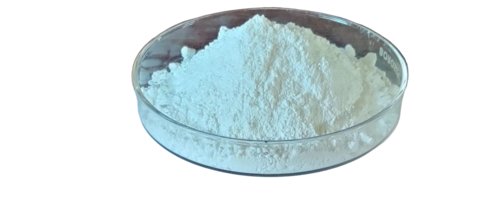
Magnesium hydroxide is an inorganic compound with the chemical formula Mg(OH)2. It occurs in nature as the mineral brucite. It is a white solid with low solubility in water.
Magnesium hydroxide is a common component of antacids, such as milk of magnesia.
Uses:
Precursor of MgO
Most Mg(OH)2 that is produced industrially, as well as the small amount that is mined, is converted to fused magnesia (MgO). Magnesia is valuable because it is both a poor electrical conductor and an excellent thermal conductor.
Medical
Only a small amount of the magnesium from magnesium hydroxide is usually absorbed by the intestine (unless one is deficient in magnesium). However, magnesium is mainly excreted by the kidneys; so long-term, daily consumption of milk of magnesia by someone suffering from kidney failure could lead in theory to hypermagnesemia. Unabsorbed magnesium is excreted in feces; absorbed magnesium is rapidly excreted in urine.
Applications:
Antacid
As an antacid, magnesium hydroxide is dosed at approximately 0.5–1.5 g in adults and works by simple neutralization, in which the hydroxide ions from the Mg(OH)2 combine with acidic H+ ions (or hydronium ions) produced in the form of hydrochloric acid by parietal cells in the stomach, to produce water.
Laxative
As a laxative, magnesium hydroxide is dosed at 5–10 grams (0.18–0.35 oz), and works in a number of ways. First, Mg2+ is poorly absorbed from the intestinal tract, so it draws water from the surrounding tissue by osmosis. Not only does this increase in water content to soften the feces, it also increases the volume of feces in the intestine (intraluminal volume) which naturally stimulates intestinal motility. Furthermore, Mg2+ ions cause the release of cholecystokinin (CCK), which results in intraluminal accumulation of water and electrolytes, and increased intestinal motility. Some sources claim that the hydroxide ions themselves do not play a significant role in the laxative effects of milk of magnesia, as alkaline solutions (i.e., solutions of hydroxide ions) are not strongly laxative, and non-alkaline Mg2+ solutions, like MgSO4, are equally strong laxatives, mole for mole.
Additional Information
Magnesium hydroxide suspension is a laxative that treats occasional constipation. Constipation occurs when bowel movements become less frequent and stools become difficult to pass. You can take this liquid medication by mouth after measuring each dose in a specially marked spoon or container.
What is this medication?
Magnesium Hydroxide treats occasional constipation. It works by increasing the amount of water your intestine absorbs. This softens the stool, making it easier to have a bowel movement. It also increases pressure, which prompts the muscles in your intestines to move stool. It belongs to a group of medications called laxatives.
This medicine may be used for other purposes; ask your health care provider or pharmacist if you have questions.
What should I tell my care team before I take this medication?
They need to know if you have any of these conditions:
* Bowel, intestinal, or stomach disease
* Change in bowel habits for more than 14 days
* Kidney disease
* Low magnesium diet
* Nausea, vomiting
* Stomach pain or blockage
* An unusual or allergic reaction to magnesium hydroxide, other medications, foods, dyes, or preservatives
* Pregnant or trying to get pregnant
* Breast-feeding
How should I use this medication?
Take this medication by mouth. Follow the directions on the package or prescription label. Shake well before using. Use a specially marked spoon or dropper to measure each dose. Ask your pharmacist if you do not have one. Household spoons are not accurate. After taking this medication, drink a full glass of water. Take your medication at regular intervals. Do not take your medication more often than directed.
Talk to your care team about the use of this medication in children. While this medication may be used in children for selected conditions, precautions do apply.
Overdosage: If you think you have taken too much of this medicine contact a poison control center or emergency room at once.
NOTE: This medicine is only for you. Do not share this medicine with others.
What if I miss a dose?
If you miss a dose, take it as soon as you can. If it is almost time for your next dose, take only that dose. Do not take double or extra doses.
What may interact with this medication?
* Antibiotics, such as ciprofloxacin or tetracycline
* Digoxin
* Iron supplements
* Thyroid hormones, such as levothyroxine
This medication may affect how well your body can absorb other medications. Talk to your care team about when to take your medications to avoid this problem.
This list may not describe all possible interactions. Give your health care provider a list of all the medicines, herbs, non-prescription drugs, or dietary supplements you use. Also tell them if you smoke, drink alcohol, or use illegal drugs. Some items may interact with your medicine.
What should I watch for while using this medication?
Tell your care team if your symptoms do not start to get better or if they get worse. Do not treat yourself for constipation with this medication for more than 1 week. See your care team if you have black tarry stools, rectal bleeding, or if you feel unusually tired. Do not change to another laxative product without advice.
If you are taking other medications, leave an interval of at least 2 hours before or after taking this medication.
To help reduce constipation, drink several glasses of water a day.
What side effects may I notice from receiving this medication?
Side effects that you should report to your care team as soon as possible:
* Allergic reactions—skin rash, itching, hives, swelling of the face, lips, tongue, or throat
* High magnesium level—confusion, drowsiness, facial flushing, redness, sweating, muscle weakness, fast or irregular heartbeat, trouble breathing
Side effects that usually do not require medical attention (report to your care team if they continue or are bothersome):
* Diarrhea
* Stomach cramping
This list may not describe all possible side effects. Call your doctor for medical advice about side effects. You may report side effects to FDA at 1-800-FDA-1088.
Where should I keep my medication?
Keep out of the reach of children.
Store at room temperature between 15 and 30 degrees C (59 and 86 degrees F). Do not freeze. Protect from light and moisture. Throw away any unused medication after the expiration date.
#64 Science HQ » Endoscopy » 2026-03-15 16:57:49
- Jai Ganesh
- Replies: 0
Endoscopy
Gist
Endoscopy is a minimally invasive, non-surgical procedure using a flexible tube with a camera (endoscope) to examine internal organs, primarily the digestive tract, in real-time. It is used to diagnose issues like inflammation, ulcers, or tumors and can treat conditions via biopsy or polyp removal.
The main purpose of endoscopy is to visually examine the inside of the body, diagnose problems, monitor conditions, and perform minimally invasive treatments, using a flexible tube with a camera (endoscope) inserted through a natural opening or small incision. It helps doctors investigate symptoms like pain or bleeding, detect diseases such as cancer, inflammation, or ulcers, take tissue samples (biopsies), and even remove polyps or stop bleeding, all without major surgery.
Summary
An endoscopy is a procedure used in medicine to look inside the body. The endoscopy procedure uses an endoscope to examine the interior of a hollow organ or cavity of the body. Unlike many other medical imaging techniques, endoscopes are inserted directly into the organ.
There are many types of endoscopies. Depending on the site in the body and type of procedure, an endoscopy may be performed by a doctor or a surgeon. During the procedure, a patient may be fully conscious or anaesthetised. Most often, the term endoscopy is used to refer to an examination of the upper part of the gastrointestinal tract, known as an esophagogastroduodenoscopy.
Similar instruments are called borescopes for nonmedical use.
Details
An endoscopy uses a scope that goes inside your body to take pictures or videos of organs and other structures. Healthcare providers use them to screen, diagnose and treat conditions. There are many types of endoscopy that view different organs. The most common types of endoscopy include colonoscopy, upper endoscopy and laparoscopy.
Overview:
What is an endoscopy?
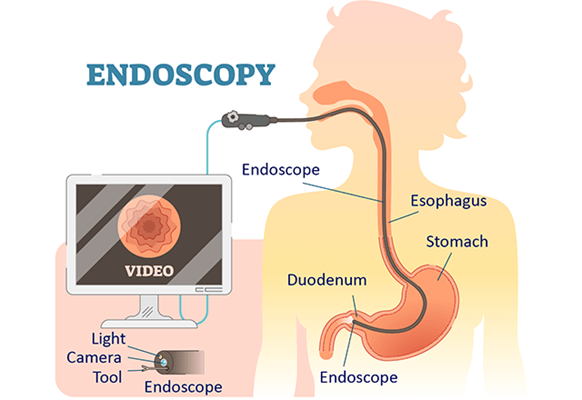
An endoscopy is a procedure done to examine structures inside your body up close. During an endoscopy, a healthcare provider places a long, thin tube (endoscope) inside your body until it reaches the organ or area they need to check. Most endoscopes have a light and special camera at the end. The scope captures images or videos of organs or other body parts. It displays them on a screen your provider sees.
Many endoscopes have special channels inside. Providers can insert operating instruments to remove tissue or perform surgery during an endoscopy.
What are the types of endoscopy?
There are many types of endoscopy procedures. But they all work in the same basic way. A healthcare provider gently inserts a scope into a body opening or small incision. The scope allows them direct access to parts of your body they need to examine or treat.
Key differences include:
* The procedure name. The name usually reflects the organ your provider is checking. For example, a “colonoscopy” is an endoscopy that examines your colon.
* The type of scope. The name usually reflects the organ, too. So the endoscope used for a colonoscopy is called a colonoscope. Endoscopes differ depending on the tasks they help your provider complete. Some are flexible, while others are rigid. Some have channels inside that hold tools that can remove tissue, seal wounds or perform other treatments.
The procedure specifics, including the body parts your provider is examining and where the scope goes in, are different, too.
* Arthroscopy: Scope goes through an incision above your joint to look for damage or conditions like arthritis.
* Bronchoscopy: Scope goes through your mouth or nostril to look at your trachea (windpipe) and lungs.
* Colonoscopy: Scope goes through your math to look at your entire large intestine (colon).
* Cystoscopy: Scope goes through your urethra (the tube that allows pee out of your body) to look at it and your bladder.
* Enteroscopy: Scope goes through your mouth (for upper enteroscopy) or your anal (for lower enteroscopy) to look at your small intestine.
* Esophagogastroduodenoscopy (EGD) or upper endoscopy: Scope goes through your mouth to look at your esophagus, stomach and the upper part of your small intestine.
* Laparoscopy: Scope goes through an incision in your abdomen to look at your abdominal and reproductive organs.
* Laryngoscopy: Scope goes through your mouth or nostril to look at your voice box (larynx).
* Mediastinoscopy: Scope goes through an incision above your breast bone to look at the area between your lungs that includes your heart, esophagus and windpipe (mediastinum).
* Neuroendoscopy: Scope goes through an incision in your skull to look at your brain.
* Proctoscopy (rigid sigmoidoscopy): Scope goes through your anal to look at your anal and rectum.
* Sigmoidoscopy (flexible sigmoidoscopy): Scope goes through your math to look at the* lower part of your colon (called the sigmoid) and your rectum.
* Thoracoscopy (also called a pleuroscopy): Scope goes through an incision in your chest to look at your lungs and the area around your lungs, including your diaphragm, esophagus and chest walls.
* Ureteroscopy: Scope goes through your urethra to look at the tubes that connect your kidneys to your bladder (ureters).
Advanced endoscopy techniques
Researchers and scientists continually develop new technologies to make endoscopies even less invasive. For example, a capsule endoscopy shows your organs up close without a scope. Instead, you swallow a vitamin-sized capsule with a camera inside. As the capsule travels through your esophagus, stomach and small intestine, it takes pictures that can help diagnose bleeding and tumors in your digestive system.
What does an endoscopy test for?
Healthcare providers use endoscopies to screen for conditions and diagnose diseases. A colonoscopy is probably the most well-known endoscopy used to screen for diseases. It’s used to detect colon cancer. One of the most well-known diagnostic uses of endoscopy is that it allows providers to remove abnormal tissue for lab testing. This is called a biopsy. Biopsies can show if growths are cancerous or noncancerous.
When providers first used endoscopy, they primarily used it to examine organs. Now, they can use endoscopy for many different treatments, such as fixing a bleeding stomach ulcer. In the past, a problem like this could’ve required surgery.
Diseases an endoscopy can detect
An endoscopy can detect diseases that affect your:
* Digestive system, including gastrointestinal diseases, colon polyps and colon cancer.
* Head and neck, including swallowing disorders and laryngitis.
* Joints, including arthritis, tears and dislocations.
* Nervous system, including brain tumors.
* Respiratory system, including lung disease and infections.
* Urinary system, including urinary tract infections (UTIs) and kidney stones.
* Reproductive system, including abnormal uterine bleeding, endometriosis and fertility issues.
Endoscopy treatments
Some endoscopes can be used with instruments that allow providers to:
* Seal wounds.
* Inject medicine.
* Drain fluid.
* Stop internal bleeding.
* Remove damaged tissue or tumors.
* Fix blockages or widen organs that are too narrow.
* Place stents (tiny tubes that open a blocked or damaged organ).
* Perform surgeries.
During a laparoscopy, providers operate on organs through tiny incisions instead of a large opening. This is sometimes called keyhole surgery. It’s much less invasive than traditional surgery. It’s the preferred technique for treating many conditions.
Test Details:
How do I prepare for an endoscopy?
You’ll receive instructions based on the type of endoscopy. You may be asked to:
* Complete required pre-tests and procedures. You may need a urine test (urinalysis) to check for a UTI before procedures involving your urinary tract. You may need a pregnancy test before a hysteroscopy.
* Provide a medical history. Alert your healthcare provider of any conditions and medications or supplements you’re taking.
* Fast. You may need to stop eating or drinking for a certain amount of time before your endoscopy. Or, you may need to limit yourself to only certain types of food and drink.
* Cleanse your bowels. You may be asked to complete a bowel prep, which involves flushing the feces (poop) out of your intestines. Colonoscopies, enteroscopies and other procedures involving your lower digestive tract involve bowel prep.
* Stop taking certain medicines. You may need to stop taking blood thinners like warfarin (Coumadin® or Jantoven®) and aspirin. You may need to switch prescription medicines briefly before the procedure. Follow your provider’s guidance.
* Stop smoking. You may need to stop smoking and using tobacco products before your procedure.
* Arrange for someone to drive you home. You won’t be able to drive yourself if you receive sedation or anesthesia for your procedure and go home the same day. Most people need to arrange for a driver.
What should I expect during an endoscopy?
An endoscopy typically takes 30 minutes to two hours, depending on the procedure type. Most people go home on the day of their endoscopy, but some endoscopies require an overnight hospital stay.
Providers use moderate sedation for most endoscopies so that you’re asleep and pain-free during the procedure. General anesthesia (which involves intubation, or placement of a breathing tube) is necessary in a small percentage of cases. Some people may instead get local anesthesia and a sedative. Local anesthesia numbs a particular area instead of putting you to sleep completely. Sedatives help you relax.
Once you’re completely relaxed or asleep, the provider gently inserts the scope until it reaches the area they want to examine. They’ll adjust the scope to display the correct organs or structures on the screen. They’ll note irregular areas and remove tissue or provide treatment if needed.
They’ll close any incisions.
How painful is an endoscopy?
The anesthesia and sedatives prevent you from experiencing pain during the procedure. With some procedures, like a colonoscopy, you may feel pressure when the scope goes in, but the feeling passes quickly.
Additional Information
Endoscopy is a procedure that lets your doctor look inside your body. It uses an instrument called an endoscope, or scope for short. Scopes have a tiny camera attached to a long, thin tube. The doctor moves it through a body passageway or opening to see inside an organ. Sometimes scopes are used for surgery, such as for removing polyps from the colon.
There are many different kinds of endoscopy. Here are the names of some of them and where they look.:
Arthroscopy: joints
Bronchoscopy: lungs
Colonoscopy and sigmoidoscopy: large intestine
Cystoscopy and ureteroscopy: urinary system
Laparoscopy: abdomen or pelvis
Upper gastrointestinal endoscopy: esophagus and stomach
What is an endoscopy?
A doctor or specialist nurse, called an endoscopist does the test. The endoscopist uses these to look inside different parts of the body.
The endoscopist can use the camera to take photographs or videos of the areas they are looking at. They can also pass fine surgical instruments through the endoscopes.
The name of the test you have will depend on which part of the body the endoscopist is looking at.
Why do I need an endoscopy?
You might have an endoscopy to help find out what is causing your symptoms. During this test the endoscopist can also take a sample () of any abnormal looking tissue through the endoscope.
Sometimes you might have an endoscopy for treatment. For example, to control bleeding or to put in a .
You are most likely to have an endoscopy to look at the inside of your:
* food pipe (oesophagus)
* stomach
* duodenum, which is the first part of the small bowel that attaches to the stomach
This test is called a gastroscopy or oesophago gastric duodenoscopy (OGD).
You may have this test if you have symptoms such as:
* abnormal bleeding
* indigestion
* low levels of iron (iron deficiency anaemia)
* difficulty swallowing
If you have you'll have regular gastroscopies to check for any changes to cells in the lining of your food pipe. The endoscopist looks down the endoscope to see if there are any abnormal looking areas. If any are found they can take biopsies through the endoscope.
#65 Re: Jai Ganesh's Puzzles » General Quiz » 2026-03-15 16:08:34
Hi,
#10793. What does the term in Biology Infection mean?
#10794. What does the term in Biology Insulin mean?
#66 Re: Jai Ganesh's Puzzles » English language puzzles » 2026-03-15 15:53:28
Hi,
#5999. What does the noun loophole mean?
#6000. What does the noun loot mean?
#67 Re: Jai Ganesh's Puzzles » Doc, Doc! » 2026-03-15 15:42:38
Hi,
#2596. What does the medical term Erythromelalgia, or Mitchell's disease mean?
#68 Re: Jai Ganesh's Puzzles » 10 second questions » 2026-03-15 15:28:31
Hi,
#9882.
#69 Re: Jai Ganesh's Puzzles » Oral puzzles » 2026-03-15 15:15:11
Hi,
#6375.
#70 Re: Exercises » Compute the solution: » 2026-03-15 14:39:07
Hi,
2736.
#71 Re: This is Cool » Miscellany » 2026-03-15 00:06:38
2522) Automobile
Gist
An automobile is a wheeled, self-propelled motor vehicle designed primarily for transporting passengers on roads, typically featuring four wheels and an engine. Developed in the late 19th century, these vehicles have evolved from early internal combustion models to include modern electric powertrains. There are over 1.6 billion cars in use worldwide, profoundly influencing global transportation and industry.
An automobile is a self-propelled, wheeled motor vehicle primarily designed for transporting people on roads, commonly featuring four wheels and powered by an internal combustion engine or electric motor, though the term also covers vehicles like trucks and motorcycles. Essentially, it's a "self-moving" vehicle, combining the Greek auto (self) and Latin mobilis (movable).
Summary
A car, or an automobile, is a motor vehicle with wheels. Most definitions of cars state that they run primarily on roads, seat 1-8 people, have four wheels, and mainly transport people rather than cargo. There are over 1.6 billion cars in use worldwide as of 2025.
The French inventor Nicolas-Joseph Cugnot built the first steam-powered road vehicle in 1769, while the Swiss inventor François Isaac de Rivaz designed and constructed the first internal combustion-powered automobile in 1808. The modern car—a practical, marketable automobile for everyday use—was invented in 1886, when the German inventor Carl Benz patented his Benz Patent-Motorwagen. Commercial cars became widely available during the 20th century. The 1901 Oldsmobile Curved Dash and the 1908 Ford Model T, both American cars, are widely considered the first mass-produced and mass-affordable cars, respectively. Cars were rapidly adopted in the US, where they replaced horse-drawn carriages. In Europe and other parts of the world, demand for automobiles did not increase until after World War II. In the 21st century, car usage is still increasing rapidly, especially in China, India, and other newly industrialised countries.
Cars have controls for driving, parking, passenger comfort, and a variety of lamps. Over the decades, additional features and controls have been added to vehicles, making them progressively more complex. These include rear-reversing cameras, air conditioning, navigation systems, and in-car entertainment. Most cars in use in the early 2020s are propelled by an internal combustion engine, fueled by the combustion of fossil fuels. Electric cars, which were invented early in the history of the car, became commercially available in the 2000s and widespread in the 2020s. The transition from fossil-fuel-powered cars to electric cars is a central feature of most climate change mitigation scenarios.
There are costs and benefits to car use. The costs to the individual include acquiring the vehicle, interest payments (if the car is financed), repairs and maintenance, fuel, depreciation, driving time, parking fees, taxes, and insurance. The costs to society include resources used to produce cars and fuel, maintaining roads, land-use, road congestion, air pollution, noise pollution, public health, and disposing of the vehicle at the end of its life. Traffic collisions are the largest cause of injury-related deaths worldwide. Personal benefits include on-demand transportation, mobility, independence, and convenience. Societal benefits include economic benefits, such as job and wealth creation from the automotive industry, transportation provision, and societal wellbeing from leisure and travel opportunities. People's ability to move flexibly from place to place has far-reaching implications for society.
Details
An automobile is a usually four-wheeled vehicle designed primarily for passenger transportation and commonly propelled by an internal-combustion engine using a volatile fuel.
Automotive design
The modern automobile is a complex technical system employing subsystems with specific design functions. Some of these consist of thousands of component parts that have evolved from breakthroughs in existing technology or from new technologies such as electronic computers, high-strength plastics, and new alloys of steel and nonferrous metals. Some subsystems have come about as a result of factors such as air pollution, safety legislation, and competition between manufacturers throughout the world.
Passenger cars have emerged as the primary means of family transportation, with an estimated 1.4 billion in operation worldwide. About one-quarter of these are in the United States, where more than three trillion miles (almost five trillion kilometres) are traveled each year. In recent years, Americans have been offered hundreds of different models, about half of them from foreign manufacturers. To capitalize on their proprietary technological advances, manufacturers introduce new designs ever more frequently. With some 70 million new units built each year worldwide, manufacturers have been able to split the market into many very small segments that nonetheless remain profitable.
New technical developments are recognized to be the key to successful competition. Research and development engineers and scientists have been employed by all automobile manufacturers and suppliers to improve the body, chassis, engine, drivetrain, control systems, safety systems, and emission-control systems.
These outstanding technical advancements are not made without economic consequences. According to a study by Ward’s Communications Incorporated, the average cost for a new American car increased $4,700 (in terms of the value of the dollar in 2000) between 1980 and 2001 because of mandated safety and emission-control performance requirements (such as the addition of air bags and catalytic converters). New requirements continued to be implemented in subsequent years. The addition of computer technology was another factor driving up car prices, which increased by 29 percent between 2009 and 2019. This is in addition to the consumer costs associated with engineering improvements in fuel economy, which may be offset by reduced fuel purchases.
Vehicle design depends to a large extent on its intended use. Automobiles for off-road use must be durable, simple systems with high resistance to severe overloads and extremes in operating conditions. Conversely, products that are intended for high-speed, limited-access road systems require more passenger comfort options, increased engine performance, and optimized high-speed handling and vehicle stability. Stability depends principally on the distribution of weight between the front and rear wheels, the height of the centre of gravity and its position relative to the aerodynamic centre of pressure of the vehicle, suspension characteristics, and the selection of which wheels are used for propulsion. Weight distribution depends principally on the location and size of the engine. The common practice of front-mounted engines exploits the stability that is more readily achieved with this layout. The development of aluminum engines and new manufacturing processes has, however, made it possible to locate the engine at the rear without necessarily compromising stability.
Body
Automotive body designs are frequently categorized according to the number of doors, the arrangement of seats, and the roof structure. Automobile roofs are conventionally supported by pillars on each side of the body. Convertible models with retractable fabric tops rely on the pillar at the side of the windshield for upper body strength, as convertible mechanisms and glass areas are essentially nonstructural. Glass areas have been increased for improved visibility and for aesthetic reasons.
The high cost of new factory tools makes it impractical for manufacturers to produce totally new designs every year. Completely new designs usually have been programmed on three- to six-year cycles with generally minor refinements appearing during the cycle. In the past, as many as four years of planning and new tool purchasing were needed for a completely new design. Computer-aided design (CAD), testing by use of computer simulations, and computer-aided manufacturing (CAM) techniques may now be used to reduce this time requirement by 50 percent or more. See machine tool: Computer-aided design and computer-aided manufacturing (CAD/CAM).
Automotive bodies are generally formed out of sheet steel. The steel is alloyed with various elements to improve its ability to be formed into deeper depressions without wrinkling or tearing in manufacturing presses. Steel is used because of its general availability, low cost, and good workability. For certain applications, however, other materials, such as aluminum, fibreglass, and carbon-fibre reinforced plastic, are used because of their special properties. Polyamide, polyester, polystyrene, polypropylene, and ethylene plastics have been formulated for greater toughness, dent resistance, and resistance to brittle deformation. These materials are used for body panels. Tooling for plastic components generally costs less and requires less time to develop than that for steel components and therefore may be changed by designers at a lower cost.
To protect bodies from corrosive elements and to maintain their strength and appearance, special priming and painting processes are used. Bodies are first dipped in cleaning baths to remove oil and other foreign matter. They then go through a succession of dip and spray cycles. Enamel and acrylic lacquer are both in common use. Electrodeposition of the sprayed paint, a process in which the paint spray is given an electrostatic charge and then attracted to the surface by a high voltage, helps assure that an even coat is applied and that hard-to-reach areas are covered. Ovens with conveyor lines are used to speed the drying process in the factory. Galvanized steel with a protective zinc coating and corrosion-resistant stainless steel are used in body areas that are more likely to corrode.
Chassis
In most passenger cars through the middle of the 20th century, a pressed-steel frame—the vehicle’s chassis—formed a skeleton on which the engine, wheels, axle assemblies, transmission, steering mechanism, brakes, and suspension members were mounted. The body was flexibly bolted to the chassis during a manufacturing process typically referred to as body-on-frame construction. This process is used today for heavy-duty vehicles, such as trucks, which benefit from having a strong central frame, subjected to the forces involved in such activities as carrying freight, including the absorption of the movements of the engine and axle that is allowed by the combination of body and frame.
In modern passenger-car designs, the chassis frame and the body are combined into a single structural element. In this arrangement, called unit-body (or unibody) construction, the steel body shell is reinforced with braces that make it rigid enough to resist the forces that are applied to it. Separate frames or partial “stub” frames have been used for some cars to achieve better noise-isolation characteristics. The heavier-gauge steel present in modern component designs also tends to absorb energy during impacts and limit intrusion in accidents.
Engine
A wide range of engines has been used experimentally and in automotive production. The most successful for automobiles has been the gasoline-fueled reciprocating-piston internal-combustion engine, operating on a four-stroke cycle, while diesel engines are widely used for trucks and buses. The gasoline engine was originally selected for automobiles because it could operate more flexibly over a wide range of speeds, and the power developed for a given weight engine was reasonable; it could be produced by economical mass-production methods; and it used a readily available, moderately priced fuel. Reliability, compact size, exhaust emissions, and range of operation later became important factors.
There has been an ongoing reassessment of these priorities with new emphasis on the reduction of greenhouse gases (see greenhouse effect) or pollution-producing characteristics of automotive power systems. This has created new interest in alternate power sources and internal-combustion engine refinements that previously were not close to being economically feasible. Several limited-production battery-powered electric vehicles are marketed today. In the past they had not proved to be competitive, because of costs and operating characteristics. The gasoline engine, with new emission-control devices to improve emission performance, has been challenged in recent years by hybrid power systems that combine gasoline or diesel engines with battery systems and electric motors. Such designs are, however, more complex and therefore more costly.
The evolution of higher-performance engines in the United States led the industry away from long, straight engine cylinder layouts to compact six- and eight-cylinder V-type layouts for larger cars (with horsepower ratings up to about 350). Smaller cars depend on smaller four-cylinder engines. European automobile engines were of a much wider variety, ranging from 1 to 12 cylinders, with corresponding differences in overall size, weight, piston displacement, and cylinder bores. A majority of the models had four cylinders and horsepower ratings up to 120. Most engines had straight or in-line cylinders. There were, however, several V-type models and horizontally opposed two- and four-cylinder makes. Overhead camshafts were frequently employed. The smaller engines were commonly air-cooled and located at the rear of the vehicle; compression ratios were relatively low. Increased interest in improved fuel economy brought a return to smaller V-6 and four-cylinder layouts, with as many as five valves per cylinder to improve efficiency. Variable valve timing to improve performance and lower emissions has been achieved by manufacturers in all parts of the world. Electronic controls automatically select the better of two profiles on the same cam for higher efficiency when engine speeds and loads change.
Fuel
Specially formulated gasoline is essentially the only fuel used for automobile operation, although diesel fuels are used for many trucks and buses and a few automobiles, and compressed liquefied hydrogen has been used experimentally. The most important requirements of a fuel for automobile use are proper volatility, sufficient antiknock quality, and freedom from polluting by-products of combustion. The volatility is reformulated seasonally by refiners so that sufficient gasoline vaporizes, even in extremely cold weather, to permit easy engine starting. Antiknock quality is rated by the octane number of the gasoline. The octane number requirement of an automobile engine depends primarily on the compression ratio of the engine but is also affected by combustion-chamber design, the maintenance condition of engine systems, and chamber-wall deposits. In the 21st century regular gasoline carried an octane rating of 87 and high-test in the neighbourhood of 93.
Automobile manufacturers have lobbied for regulations that require the refinement of cleaner-burning gasolines, which permit emission-control devices to work at higher efficiencies. Such gasoline was first available at some service stations in California, and from 2017 the primary importers and refiners of gasoline throughout the United States were required to remove sulfur particles from fuel to an average level of 10 parts per million (ppm).
Vehicle fleets fueled by natural gas have been in operation for several years. Carbon monoxide and particulate emissions are reduced by 65 to 90 percent. Natural-gas fuel tanks must be four times larger than gasoline tanks for equivalent vehicles to have the same driving range. This compromises cargo capacity.
Ethanol (ethyl alcohol) is often blended with gasoline (15 parts to 85 parts) to raise its octane rating, which results in a smoother-running engine. Ethanol, however, has a lower energy density than gasoline, which results in decreased range per tankful.
Lubrication
All moving parts of an automobile require lubrication. Without it, friction would increase power consumption and damage the parts. The lubricant also serves as a coolant, a noise-reducing cushion, and a sealant between engine piston rings and cylinder walls. The engine lubrication system incorporates a gear-type pump that delivers filtered oil under pressure to a system of drilled passages leading to various bearings. Oil spray also lubricates the cams and valve lifters.
Wheel bearings and universal joints require a fairly stiff grease; other chassis joints require a soft grease that can be injected by pressure guns. Hydraulic transmissions require a special grade of light hydraulic fluid, and manually shifted transmissions use a heavier gear oil similar to that for rear axles to resist heavy loads on the gear teeth. Gears and bearings in lightly loaded components, such as generators and window regulators, are fabricated from self-lubricating plastic materials. Hydraulic fluid is also used in other vehicle systems in conjunction with small electric pumps and motors.
Cooling system
Almost all automobiles employ liquid cooling systems for their engines. A typical automotive cooling system comprises (1) a series of channels cast into the engine block and cylinder head, surrounding the combustion chambers with circulating water or other coolant to carry away excessive heat, (2) a radiator, consisting of many small tubes equipped with a honeycomb of fins to radiate heat rapidly, which receives and cools hot liquid from the engine, (3) a centrifugal-type water pump with which to circulate coolant, (4) a thermostat, which maintains constant temperature by automatically varying the amount of coolant passing into the radiator, and (5) a fan, which draws fresh air through the radiator.
For operation at temperatures below 0 °C (32 °F), it is necessary to prevent the coolant from freezing. This is usually done by adding some compound, such as ethylene glycol, to depress the freezing point of the coolant. By varying the amount of additive, it is possible to protect against freezing of the coolant down to any minimum temperature normally encountered. Coolants contain corrosion inhibitors designed to make it necessary to drain and refill the cooling system only every few years.
Air-cooled cylinders operate at higher, more efficient temperatures, and air cooling offers the important advantage of eliminating not only freezing and boiling of the coolant at temperature extremes but also corrosion damage to the cooling system. Control of engine temperature is more difficult, however, and high-temperature-resistant ceramic parts are required when design operating temperatures are significantly increased.
Pressurized cooling systems have been used to increase effective operating temperatures. Partially sealed systems using coolant reservoirs for coolant expansion if the engine overheats were introduced in the early 1970s. Specially formulated coolants that do not deteriorate over time eliminate the need for annual replacement.
Electrical system
The electrical system comprises a storage battery, generator, starting (cranking) motor, lighting system, ignition system, and various accessories and controls. Originally, the electrical system of the automobile was limited to the ignition equipment. With the advent of the electric starter on a 1912 Cadillac model, electric lights and horns began to replace the kerosene and acetylene lights and the bulb horns. Electrification was rapid and complete, and, by 1930, 6-volt systems were standard everywhere.
Increased engine speeds and higher cylinder pressures made it increasingly difficult to meet high ignition voltage requirements. The larger engines required higher cranking torque. Additional electrically operated features—such as radios, window regulators, and multispeed windshield wipers—also added to system requirements. To meet these needs, 12-volt systems replaced the 6-volt systems in the late 1950s around the world.
The ignition system provides the spark to ignite the air-fuel mixture in the cylinders of the engine. The system consists of the spark plugs, coil, distributor, and battery. In order to jump the gap between the electrodes of the spark plugs, the 12-volt potential of the electrical system must be stepped up to about 20,000 volts. This is done by a circuit that starts with the battery, one side of which is grounded on the chassis and leads through the ignition switch to the primary winding of the ignition coil and back to the ground through an interrupter switch. Interrupting the primary circuit induces a high voltage across the secondary terminal of the coil. The high-voltage secondary terminal of the coil leads to a distributor that acts as a rotary switch, alternately connecting the coil to each of the wires leading to the spark plugs.
Solid-state or transistorized ignition systems were introduced in the 1970s. These distributor systems provided increased durability by eliminating the frictional contacts between breaker points and distributor cams. The breaker point was replaced by a revolving magnetic-pulse generator in which alternating-current pulses trigger the high voltage needed for ignition by means of an amplifier electronic circuit. Changes in engine ignition timing are made by vacuum or electronic control unit (microprocessor) connections to the distributor.
The source of energy for the various electrical devices of the automobile is a generator, or alternator, that is belt-driven from the engine crankshaft. The design is usually an alternating-current type with built-in rectifiers and a voltage regulator to match the generator output to the electric load and also to the charging requirements of the battery, regardless of engine speed.
A lead-acid battery serves as a reservoir to store excess output of the generator. This provides energy for the starting motor and power for operating other electric devices when the engine is not running or when the generator speed is not sufficiently high for the load.
The starting motor drives a small spur gear so arranged that it automatically moves in to mesh with gear teeth on the rim of the flywheel as the starting-motor armature begins to turn. When the engine starts, the gear is disengaged, thus preventing damage to the starting motor from overspeeding. The starting motor is designed for high current consumption and delivers considerable power for its size for a limited time.
Headlights must satisfactorily illuminate the highway ahead of the automobile for driving at night or in inclement weather without temporarily blinding approaching drivers. This was achieved in modern cars with double-filament bulbs with a high and a low beam, called sealed-beam units. Introduced in 1940, these bulbs found widespread use following World War II. Such units could have only one filament at the focal point of the reflector. Because of the greater illumination required for high-speed driving with the high beam, the lower beam filament was placed off centre, with a resulting decrease in lighting effectiveness. Separate lamps for these functions can also be used to improve illumination effectiveness.
Dimming is automatically achieved on some cars by means of a photocell-controlled switch in the lamp circuit that is triggered by the lights of an oncoming car. Lamp clusters behind aerodynamic plastic covers permitted significant front-end drag reduction and improved fuel economy. In this arrangement, steerable headlights became possible with an electric motor to swivel the lamp assembly in response to steering wheel position. The regulations of various governments dictate brightness and field of view requirements for vehicle lights.
Signal lamps and other special-purpose lights have increased in usage since the 1960s. Amber-coloured front and red rear signal lights are flashed as a turn indication; all these lights are flashed simultaneously in the “flasher” (hazard) system for use when a car is parked along a roadway or is traveling at a low speed on a high-speed highway. Marker lights that are visible from the front, side, and rear also are widely required by law. Red-coloured rear signals are used to denote braking, and cornering lamps, in connection with turning, provide extra illumination in the direction of an intended turn. Backup lights provide illumination to the rear and warn anyone behind the vehicle when the driver is backing up. High-voltage light-emitting diodes (LEDs) have been developed for various signal and lighting applications.
Transmission
The gasoline engine must be disconnected from the driving wheels when it is started and when idling. This characteristic necessitates some type of unloading and engaging device to permit gradual application of load to the engine after it has been started. The torque, or turning effort, that the engine is capable of producing is low at low crankshaft speeds, increasing to a maximum at some fairly high speed representing the maximum, or rated, horsepower.
The efficiency of an automobile engine is highest when the load on the engine is high and the throttle is nearly wide open. At moderate speeds on level pavement, the power required to propel an automobile is only a fraction of this. Under normal driving conditions at constant moderate speed, the engine may operate at an uneconomically light load unless some means is provided to change its speed and power output.
The transmission is such a speed-changing device. Installed in the power train between the engine and the driving wheels, it permits the engine to operate at a higher speed when its full power is needed and to slow down to a more economical speed when less power is needed. Under some conditions, as in starting a stationary vehicle or in ascending steep grades, the torque of the engine is insufficient, and amplification is needed. Most devices employed to change the ratio of the speed of the engine to the speed of the driving wheels multiply the engine torque by the same factor by which the engine speed is increased.
The simplest automobile transmission is the sliding-spur gear type with three or more forward speeds and reverse. The desired gear ratio is selected by manipulating a shift lever that slides a spur gear into the proper position to engage the various gears. A clutch is required to engage and disengage gears during the selection process. The necessity of learning to operate a clutch is eliminated by an automatic transmission. Most automatic transmissions employ a hydraulic torque converter, a device for transmitting and amplifying the torque produced by the engine. Each type provides for manual selection of reverse and low ranges that either prevent automatic upshifts or employ lower gear ratios than are used in normal driving. Grade-retard provisions are also sometimes included to supply dynamic engine braking on hills. Automatic transmissions not only require little skill to operate but also make possible better performance than is obtainable with designs that require clutch actuation.
In hydraulic transmissions, shifting is done by a speed-sensitive governing device that changes the position of valves that control the flow of hydraulic fluid. The vehicle speeds at which shifts occur depend on the position of the accelerator pedal, and the driver can delay upshifts until higher speed is attained by depressing the accelerator pedal further. Control is by hydraulically engaged bands and multiple-disk clutches running in oil, either by the driver’s operation of the selector lever or by speed- and load-sensitive electronic control in the most recent designs. Compound planetary gear trains with multiple sun gears and planet pinions have been designed to provide a low forward speed, intermediate speeds, a reverse, and a means of locking into direct drive. This unit is used with various modifications in almost all hydraulic torque-converter transmissions. All transmission control units are interconnected with vehicle emission control systems that adjust engine timing and air-to-fuel ratios to reduce exhaust emissions.
Oil in the housing is accelerated outward by rotating vanes in the pump impeller and, reacting against vanes in the turbine impeller, forces them to rotate, as shown schematically in the figure. The oil then passes into the stator vanes, which redirect it to the pump. The stator serves as a reaction member providing more torque to turn the turbine than was originally applied to the pump impeller by the engine. Thus, it acts to multiply engine torque by a factor of up to 2 1/2 to 1.
Blades in all three elements are specially contoured for their specific function and to achieve particular multiplication characteristics. Through a clutch linkage, the stator is allowed gradually to accelerate until it reaches the speed of the pump impeller. During this period torque multiplication gradually drops to approach 1 to 1.
The hydraulic elements are combined with two or more planetary gear sets, which provide further torque multiplication between the turbine and the output shaft.
Continuously (or infinitely) variable transmissions provide a very efficient means of transferring engine power and, at the same time, automatically changing the effective input-to-output ratio to optimize economy by keeping the engine running within its best power range. Most designs employ two variable-diameter pulleys connected by either a steel or high-strength rubber V-belt. The pulleys are split so that effective diameters may be changed by an electrohydraulic actuator to change the transmission ratio. This permits the electronic control unit to select the optimum ratio possible for maximum fuel economy and minimum emissions at all engine speeds and loads. Originally these units were limited to small cars, but belt improvements have made them suitable for larger cars.
Additional Information
The four-wheeled transportation vehicle symbolizes the promise and the pitfalls of the modern age.
An automobile is a self-propelled motor vehicle intended for passenger transportation on land. It usually has four wheels and an internal combustion engine fueled most often by gasoline, a liquid petroleum product. Known more commonly as a car, formerly as a motorcar, it is one of the most universal of modern technologies, manufactured by one of the world’s largest industries. More than 73 million new automobiles were produced worldwide in the year 2017.
The scientific and technical building blocks of the automobile go back several hundred years. For example, in the late 1600s, Dutch scientist Christiaan Huygens invented a type of internal combustion engine sparked by gunpowder. The “horseless carriage” in its modern form had been developed by the end of the 19th century. At that time, it was not clear which of three fuel sources would become most commercially successful: steam, electric power, or gasoline. Cars run by steam engines could go at high speeds but had a short range and were inconvenient to start. Battery-powered electric cars had a 38 percent share of the United States automobile market in 1900, but they also had a limited range and recharging stations were hard to find.
The gasoline-powered automobile won the competition. By 1920, it had overtaken the streets and byways of Europe and the United States. The manufacturing methods introduced by U.S. carmaker Henry Ford revolutionized industrial manufacturing. Ford was the first to install assembly lines in his factory to speed up production. Such techniques reduced the price of Ford’s Model T until it became affordable for most middle-class families. As the 20th century progressed, modern life came to seem increasingly inconceivable, or at least highly inconvenient, without access to a car. Nowadays, the U.S. population drives more than 4.8 trillion kilometers (three trillion miles) every year on average.
But this fundamental component of industrial and consumer society has played a major role in destabilizing Earth’s atmosphere, on which all living things depend. The average automobile emits between four and nine tons (3,629 to 8,165 kilograms; 8,000 to 18,000 pounds) of carbon dioxide and other greenhouse gases per year. Every gallon of gasoline burned to operate a car emits just under 9.1 kilograms (20 pounds) of carbon dioxide. The transportation sector as a whole, including cars, trucks, trains, and aircraft, became the largest source of U.S. greenhouse gas emissions in 2017. Air pollution from automobile exhaust is also a major problem, as are car accidents, which killed more than 100 people per day in the United States in 2016, according to the National Highway Traffic Safety Administration.
:max_bytes(150000):strip_icc():format(webp)/GettyImages-1186091457-0c53b6749ceb49b79053f61f583eef03.jpg)
#72 Jokes » Nut Jokes - IV » 2026-03-15 00:06:25
- Jai Ganesh
- Replies: 0
Q: How do you catch a squirrel interested in ornithology?
A: Climb a tree and act like a nuthatch (Sitta carolinensis).
* * *
Q: How do you catch a Polynesian squirrel?
A: Climb a tree and act like a coconut.
* * *
Q: How can you catch a little squirrel?
A: Climb a tree and pretend to be an almond (botanically speaking, almonds are fruits).
* * *
Q: How do you catch a squirrel with a Katy Perry fixation?
A: Climb a tree and act like a chestnut.
* * *
Q: How do you catch a mechanically inclined squirrel?
A: Climb a tree and act like a 9/16 12N nut.
* * *
#73 Re: Dark Discussions at Cafe Infinity » crème de la crème » 2026-03-15 00:05:54
2459) Edward Mills Purcell
Gist:
Life
Edward Mills Purcell was born in Taylorville, Illinois. His father worked for a telephone company. Purcell studied electrical engineering at Purdue University in Indiana and physics at Harvard University. During World War II Purcell worked on the development of radar at MIT, but he returned afterwards to Harvard, where he did his Nobel Prize-awarded work and continued to work for the rest of his career. Purcell was married and had two sons.
Work
Protons and neutrons in nuclei act like small, rotating magnets. Atoms and molecules therefore align in a magnetic field. Radio waves can disturb their direction of rotation, but only in certain stages, in accordance with quantum mechanics. When the atoms return to their original positions, they emit electromagnetic radio waves with frequencies characteristic of different elements and isotopes. In 1946, Edward Purcell and Felix Bloch developed methods for precise measurement, making it possible to study different materials’ compositions.
Summary
E.M. Purcell (born Aug. 30, 1912, Taylorville, Ill., U.S.—died March 7, 1997, Cambridge, Mass.) was an American physicist who shared, with Felix Bloch of the United States, the Nobel Prize for Physics in 1952 for his independent discovery (1946) of nuclear magnetic resonance in liquids and in solids. Nuclear magnetic resonance (NMR) has become widely used to study the molecular structure of pure materials and the composition of mixtures.
During World War II Purcell headed a group studying radar problems at the Radiation Laboratory of the Massachusetts Institute of Technology, Cambridge. In 1946 he developed his NMR detection method, which was extremely accurate and a major improvement over the atomic-beam method devised by the American physicist Isidor I. Rabi.
Purcell became professor of physics at Harvard University in 1949 and in 1952 detected the 21-centimetre-wavelength radiation emitted by neutral atomic hydrogen in interstellar space. Such radio waves had been predicted by the Dutch astronomer H.C. van de Hulst in 1944, and their study enabled astronomers to determine the distribution and location of hydrogen clouds in galaxies and to measure the rotation of the Milky Way. In 1960 Purcell became Gerhard Gade professor at Harvard, and in 1979 he received the National Medal of Science. In 1980 he became professor emeritus.
Details
Edward Mills Purcell (August 30, 1912 – March 7, 1997) was an American physicist who shared the 1952 Nobel Prize for Physics for his independent discovery (published 1946) of nuclear magnetic resonance in liquids and in solids. Nuclear magnetic resonance (NMR) has become widely used to study the molecular structure of pure materials and the composition of mixtures. Friends and colleagues knew him as Ed Purcell.
Biography
Born and raised in Taylorville, Illinois, Purcell received his BSEE in electrical engineering from Purdue University, followed by his M.A. and Ph.D. in physics from Harvard University. He was a member of the Alpha Xi chapter of the Phi Kappa Sigma fraternity while at Purdue. After spending the years of World War II working at the MIT Radiation Laboratory on the development of microwave radar, Purcell returned to Harvard to do research. In December 1945, he discovered nuclear magnetic resonance (NMR) with his colleagues Robert Pound and Henry Torrey. NMR provides scientists with an elegant and precise way of determining chemical structure and properties of materials, and is widely used in physics and chemistry. It also is the basis of magnetic resonance imaging (MRI), one of the most important medical advances of the 20th century. For his discovery of NMR, Purcell shared the 1952 Nobel Prize in physics with Felix Bloch of Stanford University.
Purcell also made contributions to astronomy as the first to detect radio emissions from neutral galactic hydrogen (the famous 21 cm line due to hyperfine splitting), affording the first views of the spiral arms of the Milky Way. This observation helped launch the field of radio astronomy, and measurements of the 21 cm line are still an important technique in modern astronomy. He has also made seminal contributions to solid state physics, with studies of spin-echo relaxation, nuclear magnetic relaxation, and negative spin temperature (important in the development of the laser). With Norman F. Ramsey, he was the first to question the CP symmetry of particle physics.
Purcell was the recipient of many awards for his scientific, educational, and civic work. He served as science advisor to Presidents Dwight D. Eisenhower, John F. Kennedy, and Lyndon B. Johnson. He was president of the American Physical Society, and a member of the American Philosophical Society, the National Academy of Sciences, and the American Academy of Arts and Sciences. He was awarded the National Medal of Science in 1979, and the Jansky Lectureship before the National Radio Astronomy Observatory. Purcell was also inducted into his Fraternity's (Phi Kappa Sigma) Hall of Fame as the first Phi Kap ever to receive a Nobel Prize.
Purcell was the author of the innovative introductory text Electricity and Magnetism. The book, a Sputnik-era project funded by an NSF grant, was influential for its use of relativity in the presentation of the subject at this level. The 1965 edition, now freely available due to a condition of the federal grant, was originally published as a volume of the Berkeley Physics Course. The book is also in print as a commercial third edition, as Purcell and Morin. Purcell is also remembered by biologists for his famous lecture "Life at Low Reynolds Number", in which he explained forces and effects dominating in limiting flow regimes (often at the micro scale). He also emphasized the time-reversibility of low Reynolds number flows with a principle referred to as the Scallop theorem.
Purcell died on March 7, 1997, in Cambridge, Massachusetts, aged 84.
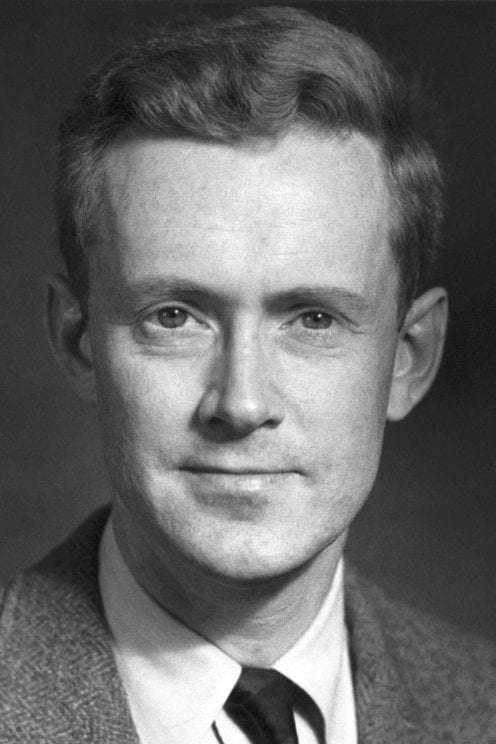
#74 Dark Discussions at Cafe Infinity » Comedy Quotes - III » 2026-03-15 00:05:36
- Jai Ganesh
- Replies: 0
Comedy Quotes - III
1. The male is always the pawn in a romantic comedy. Come together, break up, go chase her, get her, roll credits. That's what happens in all of them. - Matthew McConaughey
2. When I tried to branch out into comedy, I didn't do very well at it, so I went back to doing what I do naturally well, or what the audience expects from me - action pictures. - Sylvester Stallone
3. As for doing more dramatic work over comedy, I do whatever turns me on at the moment. - Sandra Bullock
4. You know, if you look all my stuff... If you go back to 'Saturday Night Live,' my stuff always has music, even a bunch of my comedy stuff - like in 'Shrek,' the donkey is always singing. Music is always there. - Eddie Murphy
5. All I need to make a comedy is a park, a policeman and a pretty girl. - Charlie Chaplin.
#75 This is Cool » Silver Nitrate » 2026-03-14 17:40:56
- Jai Ganesh
- Replies: 0
Silver Nitrate
Gist
Silver nitrate is a colorless, odorless inorganic compound commonly used as a versatile chemical precursor in photography, electroplating, and for manufacturing mirrors. It is widely used in medicine as a topical antiseptic and cauterizing agent for wound care and warts. It is prepared by dissolving silver in nitric acid and must be handled with care due to its corrosive nature.
Silver nitrate is used medically as an antiseptic, antibacterial, and cauterizing agent for wound care, wart removal, and controlling bleeding by releasing silver ions that kill microbes and form protective scabs, while industrially it serves as a precursor for silver compounds, in photographic emulsions, and for analytical chemistry (like testing for halides). It is applied topically to treat wounds, burns, and skin tags, though its use in newborns for eye infections is largely replaced by other treatments in the U.S.
Summary
Details
Silver nitrate is an inorganic compound with chemical formula AgNO3. It is a versatile precursor to many other silver compounds, such as those used in photography. It is far less sensitive to light than the halides.[citation needed] It was once called lunar caustic because silver was called luna by ancient alchemists who associated silver with the moon. In solid silver nitrate, the silver ions are three-coordinated in a trigonal planar arrangement.
Uses:
Precursor to other silver compounds
Silver nitrate is the least expensive salt of silver; it offers several other advantages as well. It is non-hygroscopic, in contrast to silver fluoroborate and silver perchlorate. In addition, it is relatively stable to light, and it dissolves in numerous solvents, including water. The nitrate can be easily replaced by other ligands, rendering AgNO3 versatile. Treatment with solutions of halide ions gives a precipitate of AgX (X = Cl, Br, I). When making photographic film, silver nitrate is treated with halide salts of sodium or potassium to form insoluble silver halide in situ in photographic gelatin, which is then applied to strips of tri-acetate or polyester. Similarly, silver nitrate is used to prepare some silver-based explosives, such as the fulminate, azide, or acetylide, through a precipitation reaction.
Halide abstraction
The silver cation, Ag+, reacts quickly with halide sources to produce the insoluble silver halide, which is a cream precipitate if Br− is used, a white precipitate if Cl− is used and a yellow precipitate if I− is used. This reaction is commonly used in inorganic chemistry to abstract halides.
Other silver salts with non-coordinating anions, namely silver tetrafluoroborate and silver hexafluorophosphate are used for more demanding applications.
Similarly, this reaction is used in analytical chemistry to confirm the presence of chloride, bromide, or iodide ions. Samples are typically acidified with dilute nitric acid to remove interfering ions, e.g. carbonate ions and sulfide ions. This step avoids confusion of silver sulfide or silver carbonate precipitates with that of silver halides. The color of precipitate varies with the halide: white (silver chloride), pale yellow/cream (silver bromide), yellow (silver iodide). AgBr and especially AgI photo-decompose to the metal, as evidenced by a grayish color on exposed samples.
The same reaction was used on steamships in order to determine whether or not boiler feedwater had been contaminated with seawater. It is still used to determine if moisture on formerly dry cargo is a result of condensation from humid air, or from seawater leaking through the hull.
Organic synthesis
Silver nitrate is used in many ways in organic synthesis, e.g. for deprotection and oxidations. Ag+ binds alkenes reversibly, and silver nitrate has been used to separate mixtures of alkenes by selective absorption. The resulting adduct can be decomposed with ammonia to release the free alkene. Silver nitrate is highly soluble in water but is poorly soluble in most organic solvents, except acetonitrile (111.8 g/100 g, 25 °C).
Biology
In histology, silver nitrate is used for silver staining, for demonstrating reticular fibers, proteins and nucleic acids. For this reason it is also used to demonstrate proteins in polyacrylamide gel electrophoresis (PAGE) gels. It can be used as a stain in scanning electron microscopy.
Cut flower stems can be placed in a silver nitrate solution, which prevents the production of ethylene. This delays ageing of the flower.
Indelible ink
Silver nitrate produces long-lasting stain when applied to skin and is one of indelible ink’s ingredients. An electoral stain makes use of this to mark a finger of people who have voted in an election, allowing easy identification to prevent double-voting.
In addition to staining skin, silver nitrate has a history of use in stained glass. In the 14th century, artists began using a "silver stain" (also known as a yellow stain) made from silver nitrate to create a yellow effect on clear glass. The stain would produce a stable color that could range from pale lemon to deep orange or gold. Silver stain was often used with glass paint, and was applied to the opposite side of the glass as the paint. It was also used to create a mosaic effect by reducing the number of pieces of glass in a window. Despite the age of the technique, this process of creating stained glass remains almost entirely unchanged.
Medicine:
Silver salts have antiseptic properties. In 1881 Credé introduced a method known as Credé's prophylaxis, which used of dilute (2%) solutions of silver nitrate in newborn babies' eyes at birth to prevent contraction of gonorrhea from the mother, which could cause blindness via ophthalmia neonatorum. (Modern antibiotics are now used instead).
Fused silver nitrate, shaped into sticks, was traditionally called "lunar caustic". It is used as a cauterizing agent, for example to remove granulation tissue around a stoma. General Sir James Abbott noted in his journals that in India in 1827 it was infused by a British surgeon into wounds in his arm resulting from the bite of a mad dog to cauterize the wounds and prevent the onset of rabies.
Silver nitrate is used to cauterize superficial blood vessels in the nose to help prevent nosebleeds.
Dentists sometimes use silver nitrate-infused swabs to heal oral ulcers. Silver nitrate is used by some podiatrists to kill cells located in the nail bed.
The Canadian physician C. A. Douglas Ringrose researched the use of silver nitrate for sterilization procedures, believing that silver nitrate could be used to block and corrode the fallopian tubes. The technique was ineffective.
Disinfection
Much research has been done in evaluating the ability of the silver ion at inactivating Escherichia coli, a microorganism commonly used as an indicator for fecal contamination and as a surrogate for pathogens in drinking water treatment. Concentrations of silver nitrate evaluated in inactivation experiments range from 10–200 micrograms per liter as Ag+. Silver's antimicrobial activity saw many applications prior to the discovery of modern antibiotics, when it fell into near disuse. Its association with argyria made consumers wary and led them to turn away from it when given an alternative.
Against warts
Repeated daily application of silver nitrate can induce adequate destruction of cutaneous warts, but occasionally pigmented scars may develop. In a placebo-controlled study of 70 patients, silver nitrate given over nine days resulted in clearance of all warts in 43% and improvement in warts in 26% one month after treatment compared to 11% and 14%, respectively, in the placebo group.
Safety
As an oxidant, silver nitrate should be properly stored away from organic compounds. It reacts explosively with ethanol. Despite its common usage in extremely low concentrations to prevent gonorrhea and control nosebleeds, silver nitrate is still very toxic and corrosive. Brief exposure will not produce any immediate side effects other than the purple, brown or black stains on the skin, but upon constant exposure to high concentrations, side effects will be noticeable, which include burns. Long-term exposure may cause eye damage. Silver nitrate is known to be a skin and eye irritant. Silver nitrate has not been thoroughly investigated for potential carcinogenic effect.
Silver nitrate is currently unregulated in water sources by the United States Environmental Protection Agency. However, if more than 1 gram of silver is accumulated in the body, a condition called argyria may develop. Argyria is a permanent cosmetic condition in which the skin and internal organs turn a blue-gray color. The United States Environmental Protection Agency used to have a maximum contaminant limit for silver in water until 1990, when it was determined that argyria did not impact the function of any affected organs despite the discolouration. Argyria is more often associated with the consumption of colloidal silver solutions rather than with silver nitrate, since it is only used at extremely low concentrations to disinfect the water. However, it is still important to be wary before ingesting any sort of silver-ion solution.
Additional Information
Silver nitrate is a chemical compound with the formula AgNO3. It consists of an ionic bond between the silver cation (Ag+) and the nitrate anion (NO3–). Due to the ionic nature of this compound, it readily dissolves in water and dissociates into its constituent ions.
Silver nitrate is a precursor to many compounds of silver, including the silver compounds used in photography. When compared to silver halides, which are used in photography due to their sensitivity to light, AgNO3 is quite stable when exposed to light.
Structure of AgNO3
The nitrate ion described above consists of one nitrogen atom which is surrounded by three oxygen atoms. The nitrogen-oxygen bonds in this ion are similar to each other. The formal charge assigned to the nitrogen atom is -1, whereas each oxygen atom holds a charge of -⅔. The net charge associated with the nitrate ion is -1, which is quenched by the +1 charge held by the Ag+ ion via an ionic bond in AgNO3. It can be noted that the structure of the nitrate ion is stabilized by resonance.
Properties of Silver Nitrate
Some important physical and chemical properties of silver nitrate are listed in this subsection.
Physical Properties
* The molar mass of silver nitrate is 169.872 grams per mole.
* AgNO3 has a colourless appearance in its solid-state and is odourless.
* In its solid state, it has a density of 4.35 grams per cubic centimetre. Its density in the liquid state at a temperature of 210 degrees C corresponds to 3.97 g/{cm}^{3}.
* The melting and boiling points of silver nitrate are 482.8 K and 713 K respectively. However, this compound tends to decompose at temperatures approaching its boiling point.
* Silver nitrate, like most ionic compounds, dissolves readily in water. Its solubility in water corresponds to 122 g /100mL at 0 oC and 256g / 100mL at a temperature of 25 degrees centigrade.
* The crystal structure of AgNO3 is orthorhombic.
Chemical Properties
* The hazards of AgNO3 include its toxic and corrosive nature.
* The reaction between silver nitrate and ethanol is explosive.
* The silver present in the silver nitrate compound is displaced by copper, which forms copper nitrate. The chemical equation for this reaction is given by
2AgNO3 + Cu → Cu(NO3)2 + 2Ag
* When heated to 440 oC, this compound completely decomposes to give oxygen, nitrogen dioxide, and silver.
* Silver nitrate on decomposition gives silver, oxygen gas and nitrite.
* It can be noted that even though metal nitrates generally decompose to yield metal oxides, the decomposition reaction of silver nitrate gives rise to elemental silver because silver oxide decomposes at an even lower temperature than AgNO3.
Uses of Silver Nitrate
Silver nitrate has a wide range of applications in many fields such as biology, chemical synthesis, and medicine. Some of these uses of AgNO3 are listed below.
* Silver nitrate is a very versatile compound because the nitrate ion can be replaced by other ligands that can bind to the silver ion.
* Due to the ability of this compound to form a precipitate of silver halides when treated with halide ions, it is used while making photographic films.
* Many silver-based explosives can be prepared with a precipitation reaction of silver nitrate.
* In the field of inorganic chemistry, halides are extracted with the help of this compound.
* The branch of chemistry known as analytical chemistry uses this reaction to check for the presence of halide anions such as the iodide, bromide, or chloride ions.
* Mixtures of alkenes can be separated with the help of this compound since the silver cation binds with alkenes in a reversible fashion.
* When diluted with water to a concentration of 0.5%, silver nitrate can serve as an antiseptic in many medical setups.
* A diluted solution of AgNO3 can be administered to the eyes of a baby which is born to a mother suffering from gonorrhea, which combats the gonorrhoea bacteria and protects the baby from the onset of blindness.
* This compound is also known to be used for the treatment and the removal of unwanted warts in human beings.
Frequently Asked Questions:
What are the uses of silver nitrate?
Silver nitrate is widely used in many organic synthesis reactions in several ways. For example, for the deprotection and oxidation reactions. The Ag+ ion reversibly binds alkenes, and selectively adsorbing silver nitrate can be used to isolate alkene mixtures. The resulting adduct can be decomposed (in order to release the free alkene) with ammonia. Silver nitrate has been, in the past, used for silver staining (a process that employs silver or silver compounds to selectively change the appearance of a specific object). This compound is also used in medicine owing to its antiseptic qualities.
Is silver nitrate dangerous?
Silver nitrate is an oxidant and must, therefore, be kept away from organic compounds. Despite its widespread usage (especially in extremely low amounts) for the prevention of gonorrhoea and to stop bleeding from the nose, silver nitrate is often highly toxic and corrosive. Short-term exposure to this compound does not cause any immediate side effects apart from the development of a violet, brown or black stain on the part of the skin that was in contact with the silver nitrate. However, exposure to this compound over long periods of time is often accompanied by damage to the eyes. This compound is widely classified as an irritant to the skin and the eyes.
How is silver nitrate prepared?
Silver nitrate is usually prepared by combining silver with nitric acid. Common silver objects used in these reactions include silver bullions and silver foils. The products formed in this reaction include silver nitrate, water, and nitrogen oxides. The by-products of this chemical reaction depend on the nitric acid concentration that is used. It is important to note that this reaction must be carried out under a fume hood because of the evolution of poisonous oxides of nitrogen during the chemical reaction.