Math Is Fun Forum
You are not logged in.
- Topics: Active | Unanswered
#401 Re: Jai Ganesh's Puzzles » Oral puzzles » 2026-02-25 14:39:54
Hi,
#6358.
#402 Re: Exercises » Compute the solution: » 2026-02-25 14:25:47
Hi,
2718.
#403 Re: This is Cool » Miscellany » 2026-02-25 00:48:00
2504) Hydraulic Press
Gist
A hydraulic press works on the principle of Pascal's law, which states that when pressure is applied to a confined fluid, the pressure change occurs throughout the entire fluid.
In hydraulic presses, Pascal's law is applied: pressure in a confined fluid is transmitted equally in all directions. In mechanical presses, kinetic energy is stored in a flywheel and transmitted via clutch/crank mechanisms to the ram.
Summary
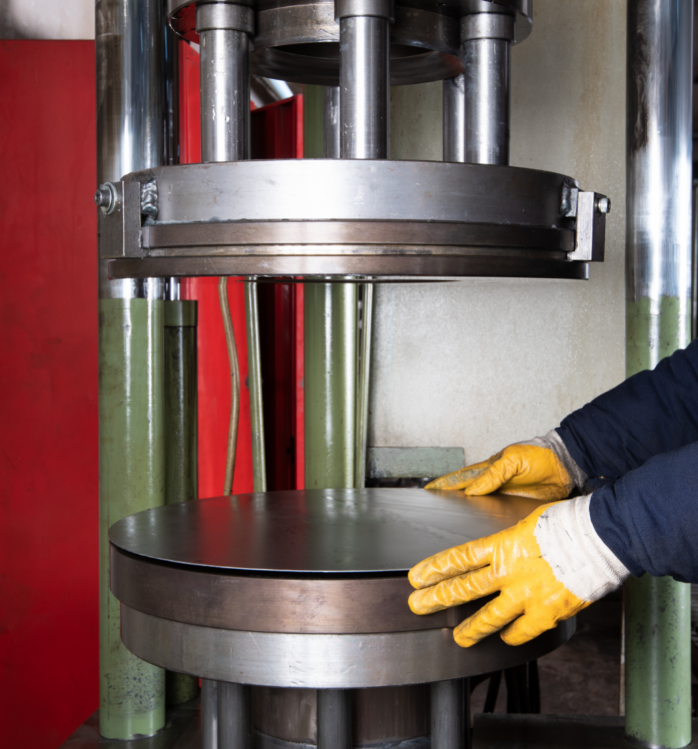
A hydraulic press uses a hydraulic cylinder to produce a compressive force. Within a hydraulic press, there is a plate where the sample is placed to be pressed for sample preparation.
How Does a Hydraulic Press Work?
A hydraulic press works on the principle of Pascal’s law, which states that when pressure is applied to a confined fluid, the pressure change occurs throughout the entire fluid. Within the hydraulic press, there is a piston that works as a pump, that provides a modest mechanical force to a small area of the sample. There is also a piston with a larger area, which produces a larger mechanical force.
Advantages
There are a variety of advantages to using hydraulic presses. This is evident in hand-fed hydraulic systems, where the ease and speed of sample switching is considerably improved.
These instruments are also extremely beneficial for high-volume sample preparation, also increasing the speed of sampling.
Details
A hydraulic press is a machine press using a hydraulic cylinder to generate a compressive force. It uses the hydraulic equivalent of a mechanical lever, and was also known as a Bramah press after the inventor, Joseph Bramah. He invented and was issued a patent on this press in 1795. As Bramah installed toilets and developed the modern flush toilet, he studied existing literature on the motion of fluids to develop the press.
Main principle
The hydraulic press depends on Pascal's principle. The pressure throughout a closed system is constant. One part of the system is a piston acting as a pump, with a modest mechanical force acting on a small cross-sectional area; the other part is a piston with a larger area which generates a correspondingly large mechanical force. Only small-diameter tubing (which more easily resists pressure) is needed if the pump is separated from the press cylinder.
Application
Hydraulic presses are commonly used for assembly and disassembly of tightly-fitting components. In manufacturing, they are used for forging, clinching, molding, blanking, punching, deep drawing, and metal forming operations. Hydraulic presses are also used for stretch forming, rubber pad forming, and powder compacting. The hydraulic press is advantageous in manufacturing, as it gives the ability to create more intricate shapes than other methods and can be economical with materials. A hydraulic press will take up less space compared to a mechanical press of the same capability. Hydraulic presses are also used for waste processing operations such as in garbage trucks and car crushers to reduce the size of waste material for easier more economic transportation.
In geology a tungsten carbide coated hydraulic press is used in the rock crushing stage of preparing samples for geochemical analyses in topics such as understanding the origins of volcanism.
In popular culture
The room featured in Fermat's Room has a design similar to that of a hydraulic press. Boris Artzybasheff also created a drawing of a hydraulic press, in which the press was created out of the shape of a robot.
In 2015, the Hydraulic Press Channel, a YouTube channel dedicated to crushing objects with a hydraulic press, was created by Lauri Vuohensilta, a factory owner from Tampere, Finland. The Hydraulic Press Channel has since grown to over 10 million subscribers on YouTube. There are numerous other YouTube channels that publish videos involving hydraulic presses that are tasked with crushing many different items, such as bowling balls, soda cans, plastic toys, and metal tools.
A hydraulic press is featured prominently in the Sherlock Holmes story "The Adventure of the Engineer's Thumb".
Additional Information
A hydraulic press, by definition, is a mechanical apparatus that leverages the static pressure of a liquid as explained by Pascal's principle. It's employed to form, reshape, and alter various materials including metals, plastics, rubber, and wood. The primary components of a hydraulic press comprise the mainframe, the power system, and the control mechanisms.
According to Pascal's principle, if pressure is exerted on a confined fluid, the pressure change spreads consistently throughout the liquid. In a hydraulic press, this applied pressure emanates from a piston, acting similarly to a pump to produce mechanical force.
The hydraulic press is a powerful machine widely used in industrial applications for metal forming, assembly, molding, and material compaction. The hydraulic press operates by forcing hydraulic fluid into a double-acting piston, relying on Pascal's Law to multiply force for heavy-duty tasks. The compressive force generated within the smaller hydraulic cylinder pushes the hydraulic oil (fluid) into a larger cylinder, where much greater force and pressure are applied. As the larger piston moves, it forces the fluid back into the smaller piston cylinder, maintaining a constant hydraulic pressure throughout the system.
This controlled fluid exchange between the two pistons increases mechanical pressure, creating the substantial force needed to drive the anvil of the hydraulic press downward onto a workpiece, shaping, compacting, or cutting the material into its desired form. Once the forming, punching, or pressing process is complete, the pressure is safely released, allowing the anvil and die to return to their original positions. Hydraulic presses are highly valued for their precision, repeatability, and ability to perform a variety of material processing operations, making them a cornerstone in manufacturing, automotive, aerospace, and fabrication industries.
How a Hydraulic Press Works
A typical hydraulic press consists of two cylinders, two pipes, and two pistons. One cylinder functions as the ram, while the other acts as the plunger; they are connected by a high-strength chamber filled with hydraulic fluid, often a specialized oil designed for high-pressure environments. The configuration of these components directly enables the powerful compression and shaping abilities for which hydraulic presses are known.
* Main Cylinder (Ram): Delivers force to the workpiece.
* Plunger: Initiates pressure transfer by pushing hydraulic fluid.
* Pipes and Hoses: Ensure secure fluid movement between components, preventing leaks and ensuring safety.
* Hydraulic Fluid Reservoir: Stores and supplies fluid to support continuous operation.
* Control Valves: Direct fluid flow, manage pressure, and ensure precise operation for various press functions such as forging, stamping, and embossing.
Ram
In advanced hydraulic systems, multiple rams are used, and the number depends on the required working load. Utilizing several smaller rams rather than a single larger one allows for finer control over the hydraulic thrust force, which is essential for delicate metal forming or precision stamping. Hydraulic fluid is routed to these rams by a hydraulic pump and an accumulator, which moderates pressure between the rams and pump, ensuring optimal performance for high-tonnage applications such as deep drawing, blanking, or coining.
Accumulator
The hydraulic accumulator is a critical component that stores pressurized hydraulic fluid, releasing it as needed to maintain system efficiency and responsiveness. It typically consists of a durable cylinder with a spring-loaded or pneumatic piston separator. The accumulator functions as an energy storage device, enabling the hydraulic press to quickly respond to sudden demands without requiring the hydraulic pump to operate continuously. The constant pressure provided by the accumulator is crucial for consistent operation in heavy manufacturing processes, energy efficiency, and reducing mechanical wear. Properly sized accumulators enhance the safety, speed, and reliability of industrial hydraulic press systems.
Pump
There are three main types of hydraulic pumps used in presses: vane, gear, and piston, with piston pumps prevailing in high-performance equipment due to their efficiency and durability under high loads. Hydraulic presses utilize positive displacement pumps, which deliver a precise, constant volume of hydraulic oil during each cycle, maintaining high forces required in automotive component manufacturing, metal stamping, and plastic molding applications. Positive displacement pumps can be either fixed or variable; fixed pumps operate at set speeds, while variable pumps allow for speed and direction changes, enabling customized pressure control based on specific pressing or forming requirements. Piston pumps—available as axial, bent axis, or radial designs—are especially suited for hydraulic press systems because they handle high pressure, provide superior volumetric efficiency, and minimize fluid leakage, ensuring long-term operational reliability in industrial and commercial environments.
Cylinders
The number and size of cylinders in a hydraulic press depend on the design and intended tonnage capacity. These cylinders generate the immense compressive force that drives the press ram and die to shape or cut metal, plastic, rubber, or composites. In a typical two-cylinder design, the cylinder paired with the ram has a larger diameter to produce maximum force, while the plunger cylinder is smaller and initiates fluid movement. Both are made from robust, pressure-rated steel, featuring input/output ports for controlled hydraulic fluid circulation to support heavy pressing operations.
Cylinders are interconnected via hydraulic pipes and hoses, which transmit high-pressure fluid. When the plunger's downward stroke applies pressure to the hydraulic oil, the resulting force is transferred to the main ram. This unidirectional force—delivered via a linear actuator—enables consistent, dynamic motion, critical for applications such as metalforming, compression molding, powder compacting, and precision stamping.
Hydraulic Press Process
The hydraulic press process is the foundation of modern metal forming, fabrication, and materials engineering. The animation below demonstrates how consistent hydraulic pressure from the system's cylinders powers the main ram, driving the press anvil downward onto the workpiece or slug positioned in the die cavity. The result is precise, repeatable compression, shaping, or assembly of materials into components for the automotive, aerospace, electronics, and appliance industries. Because hydraulic presses can deliver adjustable force, stroke length, and speed, they are ideal for a diverse range of processes, including forging, deep drawing, extrusion, lamination, and powder metallurgy. Their versatility and controllability ensure ideal results and cost-effective production in both high-volume and custom-manufacturing environments.
Choosing the Right Hydraulic Press for your production needs involves evaluating not only the type of hydraulic system, but also key factors such as required tonnage, workspace dimensions, safety features, energy consumption, and cycle speed. Leading hydraulic press manufacturers offer custom solutions designed for processes such as metal stamping, plastic injection, rubber molding, and powder compaction. When evaluating suppliers and comparing models, consider the quality of components (cylinders, pumps, seals, frames), after-sales technical support, and maintenance requirements to ensure long-term reliability and maximum return on investment.
#404 Re: Dark Discussions at Cafe Infinity » crème de la crème » 2026-02-25 00:16:38
2441) André Frédéric Cournand
Gist:
Life
André Cournand was born in Paris. His father was a doctor, and Cournand studied natural science and medicine in Paris. After becoming a medical doctor, he made his way to the U.S. in 1930 to spend a year at Bellevue Hospital and Columbia University in New York. There he began a prolonged collaboration with Dickinson Richards and decided to stay in the U.S. Cournand married Sibylle Blumer, who was a widow, and adopted her son. The couple had three more children.
Work
Even though Werner Forssmann succeeded in inserting a catheter into his own heart in 1929, there was great hesitance about continuing this type of research. Nonetheless, beginning in 1941 André Cournand and Dickinson Richards published a series of studies that established use of cardiac catheterization, among other things, to introduce contrast fluid for X-ray images and to measure pressure and oxygen content. Because it was possible to reach the upper chambers of the heart, blood pressure and the blood’s oxygen content could be measured on the way from the heart to the lungs, which was impossible before.
Summary
André F. Cournand (born Sept. 24, 1895, Paris, France—died Feb. 19, 1988, Great Barrington, Mass., U.S.) was a French-American physician and physiologist who in 1956 shared the Nobel Prize for Physiology or Medicine with Dickinson W. Richards and Werner Forssmann for discoveries concerning heart catheterization and circulatory changes.
His medical studies interrupted by World War I, Cournand graduated from the University of Paris in 1930. He studied at Bellevue Hospital, New York City, where he met Richards. Together they collaborated in clinical lung and heart research and perfected Forssmann’s procedure, now termed cardiac catheterization, whereby a tube is passed into the heart from a vein at the elbow. With this procedure it became possible to study the functioning of the diseased human heart and to make more accurate diagnoses of the underlying anatomic defects. Cournand and Richards also used the catheter to examine the pulmonary artery, thus enabling improvement in the diagnosis of lung diseases as well.
Cournand joined the faculty of the College of Physicians and Surgeons of Columbia University in 1934, retiring as emeritus professor of medicine in 1964. He remained active as a special lecturer until his final illness. He became a naturalized citizen of the United States in 1941.
Details
André Frédéric Cournand (September 24, 1895 – February 19, 1988) was a French-American physician and physiologist.
Biography
Cournand was awarded the Nobel Prize in Physiology or Medicine in 1956 along with Werner Forssmann and Dickinson W. Richards for the development of cardiac catheterization.
Born in Paris, Cournand emigrated to the United States in 1930 and, in 1941, became a naturalized citizen. For most of his career, Cournand was a professor at the Columbia University College of Physicians and Surgeons and worked at Bellevue Hospital in New York City.
Many seats of medical research have recognized his work, and he has received the Anders Retzius Silver Medal of the Swedish Society for Internal Medicine (1946), the Albert Lasker Award for Basic Medical Research (1949), the John Philipps Memorial Award of the American College of Physicians (1952), the Gold Medal of the Académie Royale de Médecine de Belgique and of the Académie Nationale de Médecine, Paris (1956). He was elected Doctor (honoris causa) of the Universities of Strasbourg (1957), Lyon (1958), Brussels (1959), Pisa (1961), and D.Sc. of the University of Birmingham (1961).
In 1981, Cournand became a founding member of the World Cultural Council.
His widow Beatrice died in 1993 aged 90.

#405 Jokes » Junk Food Jokes - II » 2026-02-25 00:04:23
- Jai Ganesh
- Replies: 0
Q: What do you get if you divide the circumference of a bowl of ice cream by its diameter?
A: Pi a'la mode.
* * *
Q: Why did the ice cream truck break down?
A: Because of the Rocky Road.
* * *
Q: When can a pizza marry a hot dog?
A: After they have a very frank relationship!
* * *
Q: What is a man's idea of a balanced diet?
A: A bag of potato chips in each hand!
* * *
Q: How do you learn how to make ice cream?
A: In Sunday (Sundae) School.
* * *
#406 Dark Discussions at Cafe Infinity » Come Quotes - XIII » 2026-02-25 00:04:04
- Jai Ganesh
- Replies: 0
Come Quotes - XIII
1. I dream for a living. Once a month the sky falls on my head, I come to, and I see another movie I want to make. - Steven Spielberg
2. True love doesn't come to you it has to be inside you. - Julia Roberts
3. People always fear change. People feared electricity when it was invented, didn't they? People feared coal, they feared gas-powered engines... There will always be ignorance, and ignorance leads to fear. But with time, people will come to accept their silicon masters. - Bill Gates
4. The talent of success is nothing more than doing what you can do well, and doing well whatever you do without thought of fame. If it comes at all it will come because it is deserved, not because it is sought after. - Henry Wadsworth Longfellow
5. I happened to come along in the music business when there was no trend. - Elvis Presley
6. I live now on borrowed time, waiting in the anteroom for the summons that will inevitably come. And then - I go on to the next thing, whatever it is. One doesn't, luckily, have to bother about that. - Agatha Christie
7. All treaties between great states cease to be binding when they come in conflict with the struggle for existence. - Otto von Bismarck
8. Now, as a nation, we don't promise equal outcomes, but we were founded on the idea everybody should have an equal opportunity to succeed. No matter who you are, what you look like, where you come from, you can make it. That's an essential promise of America. Where you start should not determine where you end up. - Barack Obama.
#407 This is Cool » Cyclotron » 2026-02-24 23:30:03
- Jai Ganesh
- Replies: 0
Cyclotron
Gist
A cyclotron is a compact particle accelerator that uses a constant magnetic field to bend charged particles into a spiral path and a rapidly varying electric field to accelerate them to high speeds. Invented by Ernest Lawrence in 1929–1930, it is primarily used in medicine to produce short-lived radioisotopes for cancer diagnosis (PET scans) and treatment. (PET : Positron Emission Tomography).
Cyclotrons are particle accelerators used in medicine (producing radioisotopes for imaging/therapy, cancer treatment via proton beams) and nuclear physics research (bombarding nuclei for experiments, studying atomic properties, creating new elements/isotopes). Their compact size makes them practical for generating high-energy particle beams for these scientific and medical applications, offering advantages over linear accelerators in certain scenarios.
Summary
A cyclotron is a particle accelerator that uses magnetic and electric fields to speed up charged particles to very high speeds and powers many of the tools, treatments, and discoveries that improve our daily lives.
If you have ever had a PET scan at a hospital or heard about radiation treatment for cancer or brain tumours, there's a good chance a cyclotron was involved.
But what is a cyclotron and how is it used?
Let’s break it down.
A cyclotron is a type of particle accelerator. It uses magnetic and electric fields to speed up charged particles like protons or ions to very high speeds. This allows the particles to collide with target materials to produce radioisotopes through nuclear reactions.
Radioisotopes have several uses, including in life saving medical treatments, scientific research, and even clean energy technologies.
The cyclotron was invented in 1931 by American physicist Ernest O. Lawrence and his student M. Stanley Livingston at the University of California, Berkeley. Their early prototype - just about 10 cm wide - was already capable of accelerating particles to high energy levels. Lawrence’s groundbreaking work earned him the Nobel Prize in Physics in 1939.
How does a Cyclotron Work?
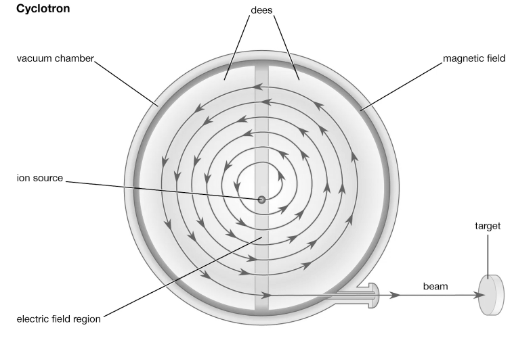
The process begins when charged particles like positive or negative ions are injected into the centre of the cyclotron, where they start to move outward in a spiral path.
Inside the cyclotron, are two hollow, D-shaped metal electrodes called ‘dees’, placed between the poles of a large magnet. The magnetic field forces the particles into a circular path, while an alternating electric field boosts the particle’s energy every time it crosses the gap between two dees. As the particles gain speed and energy, they continue to spiral outward.
Once the particles reach the outer edge of the cyclotron, they are directed toward a target. When the accelerated particles collide with the target, they can cause nuclear reactions, producing radioactive isotopes.
Nearly a century after their invention, cyclotrons remain in high demand because of their reliability, efficiency, and versatility.
What’s the Difference Between Cyclotrons and other Particle Accelerators?
Particle accelerators have many applications in medicine, industry and research. These machines accelerate charged particles, such as electrons and protons, to high speeds, sometimes even close to the speed of light.
While all particle accelerators share a common goal - boosting the energy of particles - they achieve this in different ways.
Cyclotrons accelerate particles in a spiral path using a constant magnetic field and an alternating electric field. The spiral design is one of the cyclotron’s main advantages. It allows for continuous acceleration in a relatively small space. As a result, cyclotrons are typically smaller, often room-sized, and more affordable than other accelerators. They can be installed in hospitals or university labs without needing massive facilities. Cyclotrons are also well-suited for producing specific types of radioactive isotopes needed in medical imaging and cancer treatment, and for other localized applications in research or industry.
In contrast, linear accelerators, or linacs, propel particles in a straight line using a series of electric fields. While linacs can be simpler in design, they often require much more space to achieve the same energy levels as a cyclotron. They are commonly used in radiotherapy, where precise targeted beams of radiation are used to treat tumours.
Another type of accelerator is the synchrotron - a much larger and more complex machine found in national research centres. Like cyclotrons, they guide particles in a circular path, but with variable magnetic fields and radiofrequency acceleration. These machines can reach extremely high energies, making them suitable for research in particle physics, materials science, and even drug development. However, due to their size and cost, they are typically used by national or international research centres, not hospitals or small labs.
Details
A cyclotron is a type of particle accelerator invented by Ernest Lawrence in 1929–1930 at the University of California, Berkeley, and patented in 1932. A cyclotron accelerates charged particles outwards from the center of a flat cylindrical vacuum chamber along a spiral path. The particles are held to a spiral trajectory by a static magnetic field and accelerated by a rapidly varying electric field. Lawrence was awarded the 1939 Nobel Prize in Physics for this invention.
The cyclotron was the first "cyclical" accelerator. The primary accelerators before the development of the cyclotron were electrostatic accelerators, such as the math–Walton generator and the Van de Graaff generator. In these accelerators, particles would cross an accelerating electric field only once. Thus, the energy gained by the particles was limited by the maximum electrical potential that could be achieved across the accelerating region. This potential was in turn limited by electrostatic breakdown to a few million volts. In a cyclotron, by contrast, the particles encounter the accelerating region many times by following a spiral path, so the output energy can be many times the energy gained in a single accelerating step.
Cyclotrons were the most powerful particle accelerator technology until the 1950s, when they were surpassed by the synchrotron. Nonetheless, they are still widely used to produce particle beams for nuclear medicine and basic research. As of 2020, close to 1,500 cyclotrons were in use worldwide for the production of radionuclides for nuclear medicine and ultimately, for the production of radiopharmaceuticals. In addition, cyclotrons can be used for particle therapy, where particle beams are directly applied to patients.
Usage:
Basic research
For several decades, cyclotrons were the best source of high-energy beams for nuclear physics experiments. With the advent of strong focusing synchrotrons, cyclotrons were supplanted as the accelerators capable of producing the highest energies. However, due to their compactness, and therefore lower expense compared to high-energy synchrotrons, cyclotrons are still used to create beams for research where the primary consideration is not achieving the maximum possible energy. Cyclotron-based nuclear physics experiments are used to measure basic properties of isotopes (particularly short lived radioactive isotopes) including half-life, mass, interaction cross sections, and decay schemes.
Medical uses:
Radioisotope production
Cyclotron beams can be used to bombard other atoms to produce short-lived isotopes with a variety of medical uses, including medical imaging and radiotherapy. Positron and gamma emitting isotopes, such as fluorine-18, carbon-11, and technetium-99m are used for PET and SPECT imaging. While cyclotron produced radioisotopes are widely used for diagnostic purposes, therapeutic uses are still largely in development. Proposed isotopes include astatine-211, palladium-103, rhenium-186, and bromine-77, among others.
Beam therapy
The first suggestion that energetic protons could be an effective treatment method was made by Robert R. Wilson in a paper published in 1946 while he was involved in the design of the Harvard Cyclotron Laboratory.
Beams from cyclotrons can be used in particle therapy to treat cancer. Ion beams from cyclotrons can be used, as in proton therapy, to penetrate the body and kill tumors by radiation damage, while minimizing damage to healthy tissue along their path.
As of 2020, there were approximately 80 facilities worldwide for radiotherapy using beams of protons and heavy ions, consisting of a mixture of cyclotrons and synchrotrons. Cyclotrons are primarily used for proton beams, while synchrotrons are used to produce heavier ions.
PET : Positron Emission Tomography.
SPECT : Single Photon Emission Computed Tomography.
Advantages and limitations
Livingston and Lawrence with the 69 cm (27 in) cyclotron at the Lawrence Radiation Laboratory. The metal arch supports the magnet's core, and the large cylindrical boxes contain the coils of wire that generate the magnetic field. The vacuum chamber containing the "dee" electrodes is in the center between the magnet's poles.
The most obvious advantage of a cyclotron over a linear accelerator is that because the same accelerating gap is used many times, it is both more space efficient and more cost efficient; particles can be brought to higher energies in less space, and with less equipment. The compactness of the cyclotron reduces other costs as well, such as foundations, radiation shielding, and the enclosing building. Cyclotrons have a single electrical driver, which saves both equipment and power costs. Furthermore, cyclotrons are able to produce a continuous beam of particles at the target, so the average power passed from a particle beam into a target is relatively high compared to the pulsed beam of a synchrotron.
However, as discussed above, a constant frequency acceleration method is only possible when the accelerated particles are approximately obeying Newton's laws of motion. If the particles become fast enough that relativistic effects become important, the beam slips out of phase with the oscillating electric field, and cannot receive any additional acceleration. The classical cyclotron (constant field and frequency) is therefore only capable of accelerating particles up to a few percent of the speed of light. Synchro-, isochronous, and other types of cyclotrons can overcome this limitation, with the tradeoff of increased complexity and cost.
An additional limitation of cyclotrons is due to space charge effects – the mutual repulsion of the particles in the beam. As the amount of particles (beam current) in a cyclotron beam is increased, the effects of electrostatic repulsion grow stronger until they disrupt the orbits of neighboring particles. This puts a functional limit on the beam intensity, or the number of particles which can be accelerated at one time, as distinct from their energy.
Additional Information
The cyclotron was one of the earliest types of particle accelerators, and is still used as the first stage of some large multi-stage particle accelerators. It makes use of the magnetic force on a moving charge to bend moving charges into a semicircular path between accelerations by an applied electric field. The applied electric field accelerates electrons between the "dees" of the magnetic field region. The field is reversed at the cyclotron frequency to accelerate the electrons back across the gap.
#408 Science HQ » Intramuscular Injection » 2026-02-24 22:51:05
- Jai Ganesh
- Replies: 0
Intramuscular Injection
Gist
Intramuscular (IM) injections deliver medication deep into muscle tissue for rapid systemic absorption, usually in volumes of 2–5 mL. Common sites include the deltoid (arm), vastus lateralis (thigh), and ventrogluteal (hip) muscles. Injections require a 90-degree angle, proper site identification, and sterile technique to avoid complications like pain, infection, or nerve damage.
Intramuscular (IM) injections deliver medicine deep into muscle tissue for fast absorption, used for vaccines (like flu shots, MMR), antibiotics, hormones (like Depo-Provera), emergency meds (epinephrine, glucagon), and antipsychotics, especially when oral intake is impossible or less effective, providing quicker action than oral routes or sustained release. Common sites include the thigh, upper arm (deltoid), and buttocks, chosen for adequate muscle and to avoid nerves/vessels, allowing for rapid systemic effect or controlled long-term release.
Summary
Intramuscular injection (IM) is installing medications into the depth of specifically selected muscles. The bulky muscles have good vascularity, and therefore the injected drug quickly reaches the systemic circulation and thereafter into the specific region of action, bypassing the first-pass metabolism. It is one of the most common medical procedures to be performed annually.
Intramuscular injection (IM) is installing medications into the depth of specifically selected muscles. The bulky muscles have good vascularity, and therefore the injected drug quickly reaches the systemic circulation and thereafter into the specific region of action, bypassing the first-pass metabolism. It is one of the most common medical procedures to be performed annually. However, there is still a lack of adherence to recommended guidelines and an algorithm for giving IM among health professionals worldwide.
Drugs may be given intramuscularly both for prophylactic (around 5% for immunization) as well as curative purposes (accounting for more than 95% of IM injections).
The most common medications given by IM route include:
* Antibiotics- penicillin G benzathine penicillin, streptomycin
* Biologicals- immunoglobins, vaccines, and toxoids
* Hormonal agents- testosterone, medroxyprogesterone
Any nonirritant and soluble drugs may be given IM during an emergency scenario.
Details
Intramuscular injection, often abbreviated IM, is the injection of a substance into a muscle. In medicine, it is one of several methods for parenteral administration of medications. Intramuscular injection may be preferred because muscles have larger and more numerous blood vessels than subcutaneous tissue, leading to faster absorption than subcutaneous or intradermal injections. Medication administered via intramuscular injection is not subject to the first-pass metabolism effect which affects oral medications.
Common sites for intramuscular injections include the deltoid muscle of the upper arm and the gluteal muscle of the buttock. In infants, the vastus lateralis muscle of the thigh is commonly used. The injection site must be cleaned before administering the injection, and the injection is then administered in a fast, darting motion to decrease the discomfort to the individual. The volume to be injected in the muscle is usually limited to 2–5 milliliters, depending on injection site. A site with signs of infection or muscle atrophy should not be chosen. Intramuscular injections should not be used in people with myopathies or those with trouble clotting.
Intramuscular injections commonly result in pain, redness, and swelling or inflammation around the injection site. These side effects are generally mild and last no more than a few days at most. Rarely, nerves or blood vessels around the injection site can be damaged, resulting in severe pain or paralysis. If proper technique is not followed, intramuscular injections can result in localized infections such as abscesses and gangrene. While historically aspiration, or pulling back on the syringe before injection, was recommended to prevent inadvertent administration into a vein, it is no longer recommended for most injection sites by some countries.
Uses
Intramuscular injection is commonly used for medication administration. Medication administered in the muscle is generally quickly absorbed in the bloodstream, and avoids the first pass metabolism which occurs with oral administration. The medication may not be considered 100% bioavailable as it must still be absorbed from the muscle, which occurs over time. An intramuscular injection is less invasive than an intravenous injection and also generally takes less time, as the site of injection (a muscle versus a vein) is much larger. Medications administered in the muscle may also be administered as depot injections, which provide slow, continuous release of medicine over a longer period of time. Certain substances, including ketamine, may be injected intramuscularly for recreational purposes. Disadvantages of intramuscular administration include skill and technique required, pain from injection, anxiety or fear (especially in children), and difficulty in self-administration which limits its use in outpatient medicine.
Vaccines, especially inactivated vaccines, are commonly administered via intramuscular injection. However, it has been estimated that for every vaccine injected intramuscularly, 20 injections are given to administer drugs or other therapy. This can include medications such as antibiotics, immunoglobulin, and hormones such as testosterone and medroxyprogesterone. In a case of severe allergic reaction, or anaphylaxis, a person may use an epinephrine autoinjector to self-administer epinephrine into the muscle.
Contraindications
Because an intramuscular injection can be used to administer many types of medications, specific contraindications depend in large part on the medication being administered. Injections of medications are necessarily more invasive than other forms of administration such as by mouth or topical and require training to perform appropriately, without which complications can arise regardless of the medication being administered. For this reason, unless there are desired differences in rate of absorption, time to onset, or other pharmacokinetic parameters in the specific situation, a less invasive form of drug administration (usually by mouth) is preferred.
Intramuscular injections are generally avoided in people with low platelet count or clotting problems, to prevent harm due to potential damage to blood vessels during the injection. They are also not recommended in people who are in hypovolemic shock, or have myopathy or muscle atrophy, as these conditions may alter the absorption of the medication. The damage to the muscle caused by an intramuscular injections may interfere with the accuracy of certain cardiac tests for people with suspected myocardial infarction and for this reason other methods of administration are preferred in such instances. In people with an active myocardial infarction, the decrease in circulation may result in slower absorption from an IM injection. Specific sites of administration may also be contraindicated if the desired injection site has an infection, swelling, or inflammation. Within a specific site of administration, the injection should not be given directly over irritation or redness, birthmarks or moles, or areas with scar tissue.
Risks and complications
As an injection necessitates piercing the skin, there is a risk of infection from bacteria or other organisms present in the environment or on the skin before the injection. This risk is minimized by using proper aseptic technique in preparing the injection and sanitizing the injection site before administration. Intramuscular injections may also cause an abscess or gangrene at the injection site, depending on the specific medication and amount administered. There is also a risk of nerve or vascular injury if a nerve or blood vessel is inadvertently hit during injection. If single-use or sterilized equipment is not used, there is the risk of transmission of infectious disease between users, or to a practitioner who inadvertently injures themselves with a used needle, termed a needlestick injury.
Site-specific complications
Injections into the deltoid site in the arm can result in unintentional damage to the radial and axillary nerves. In rare cases when not performed properly, the injection may result in shoulder dysfunction. The most frequent complications of a deltoid injection include pain, redness, and inflammation around the injection site, which are almost always mild and last only a few days at most.
The dorsogluteal site of injection is associated with a higher risk of skin and tissue trauma, muscle fibrosis or contracture, hematoma, nerve palsy, paralysis, and infections such as abscesses and gangrene. Furthermore, injection in the gluteal muscle poses a risk for damage to the sciatic nerve, which may cause shooting pain or a sensation of burning. Sciatic nerve damage can also affect a person's ability to move their foot on the affected side, and other parts of the body controlled by the nerve. Damage to the sciatic nerve can be prevented by using the ventrogluteal site instead, and by selecting an appropriate size and length of needle for the injection.
Additional Information
An intramuscular injection is a technique for delivering medication deep into the muscles. This allows the medication to absorb quickly into the bloodstream.
You may have received an intramuscular injection at a doctor’s office the last time you got a vaccine, like the flu shot.
In some cases, a person may also self-administer an intramuscular injection. For example, certain drugs that treat multiple sclerosis or rheumatoid arthritis may require self-injection.
What are intramuscular injections used for?
Intramuscular injections are a common practice in modern medicine. They’re used to deliver drugs and vaccines. Several drugs and almost all injectable vaccines are delivered this way.
Intramuscular injections are used when other types of delivery methods are not recommended. These include:
oral (swallowed into the stomach)
intravenous (injected into the vein)
subcutaneous (injected into the fatty tissue just under the layer of skin)
Intramuscular injections may sometimes be used instead of intravenous injections because some drugs are irritating to veins or because a suitable vein cannot be located. However, not all intravenous medications can be administered intramuscularly.
They may be used instead of oral delivery because some drugs are destroyed by the digestive system when you swallow them.
Intramuscular injections are absorbed faster than subcutaneous injections. This is because muscle tissue has a greater blood supply than the tissue just under your skin. Muscle tissue can also hold a larger volume of medication than subcutaneous tissue.
Intramuscular injection sites
Intramuscular injections are often given in the following areas:
* Deltoid muscle of the arm
The deltoid muscle is the site most typically used for vaccines. However, this site is not common for self-injection because its small muscle mass limits the volume of medication that can be injected — typically no more than 1 milliliter.
It’s also challenging to use this site for self-injection. A caregiver, friend, or family member can assist with injections into this muscle.
To locate this site, feel for the bone (acromion process) located at the top of your upper arm. The correct area to give the injection is two finger widths below the acromion process. At the bottom of the two fingers will be an upside-down triangle. Give the injection in the center of the triangle.
Vastus lateralis muscle of the thigh
The thigh may be used when the other sites are not available or if you need to administer the medication on your own.
Divide the upper thigh into three equal parts. Locate the middle of these three sections.
Ventrogluteal muscle of the hip
The ventrogluteal muscle is the safest site for adults and children older than 7 months. It’s deep and not close to any major blood vessels or nerves. However, this site is difficult for self-injection and may require the help of a friend, family member, or caregiver.
Place the heel of your hand on the hip of the person receiving the injection, with your fingers pointing toward their head. Position your fingers so your thumb points toward their groin, and you feel the pelvis under your pinky finger. Spread your index and middle fingers in a slight V shape, and inject the needle into the middle of that V.

#409 Re: Jai Ganesh's Puzzles » General Quiz » 2026-02-24 22:14:31
Hi,
#10765. What does the term in Biology Genus mean?
#10766. What does the term in Biology Gizzard mean?
#410 Re: Jai Ganesh's Puzzles » English language puzzles » 2026-02-24 21:59:08
Hi,
#5961. What does the noun funfair mean?
#5962. What does the adjective fungible mean?
#411 Re: Jai Ganesh's Puzzles » Doc, Doc! » 2026-02-24 21:49:20
Hi,
#2577. What does the medical term Carpal tunnel syndrome man?
#412 Re: Jai Ganesh's Puzzles » 10 second questions » 2026-02-24 21:33:06
Hi,
#9863.
#413 Re: Jai Ganesh's Puzzles » Oral puzzles » 2026-02-24 21:01:11
Hi,
#6357.
#414 Re: Exercises » Compute the solution: » 2026-02-24 20:40:59
Hi,
2717.
#415 This is Cool » Linear Accelerator » 2026-02-23 17:54:57
- Jai Ganesh
- Replies: 0
Linear Accelerator
Gist
A linear accelerator (LINAC) is a device that uses high-frequency electromagnetic waves to accelerate charged particles—primarily electrons—to near the speed of light in a straight line, commonly used for cancer radiotherapy. It generates high-energy X-rays or electron beams that precisely target and destroy tumors, minimizing damage to surrounding healthy tissue.
A medical linear accelerator (LINAC) is the device most commonly used for external beam radiation treatments for patients with cancer. It delivers high-energy x-rays or electrons to the region of the patient's tumor.
Summary
A linear particle accelerator (often shortened to linac) is a type of particle accelerator that accelerates charged subatomic particles or ions to a high speed by subjecting them to a series of oscillating electric potentials along a linear beamline. The principles for such machines were proposed by Gustav Ising in 1924, while the first machine that worked was constructed by Rolf Widerøe in 1928 at the RWTH Aachen University. Linacs have many applications: they generate X-rays and high energy electrons for medicinal purposes in radiation therapy, serve as particle injectors for higher-energy accelerators, and are used directly to achieve the highest kinetic energy for light particles (electrons and positrons) for particle physics.
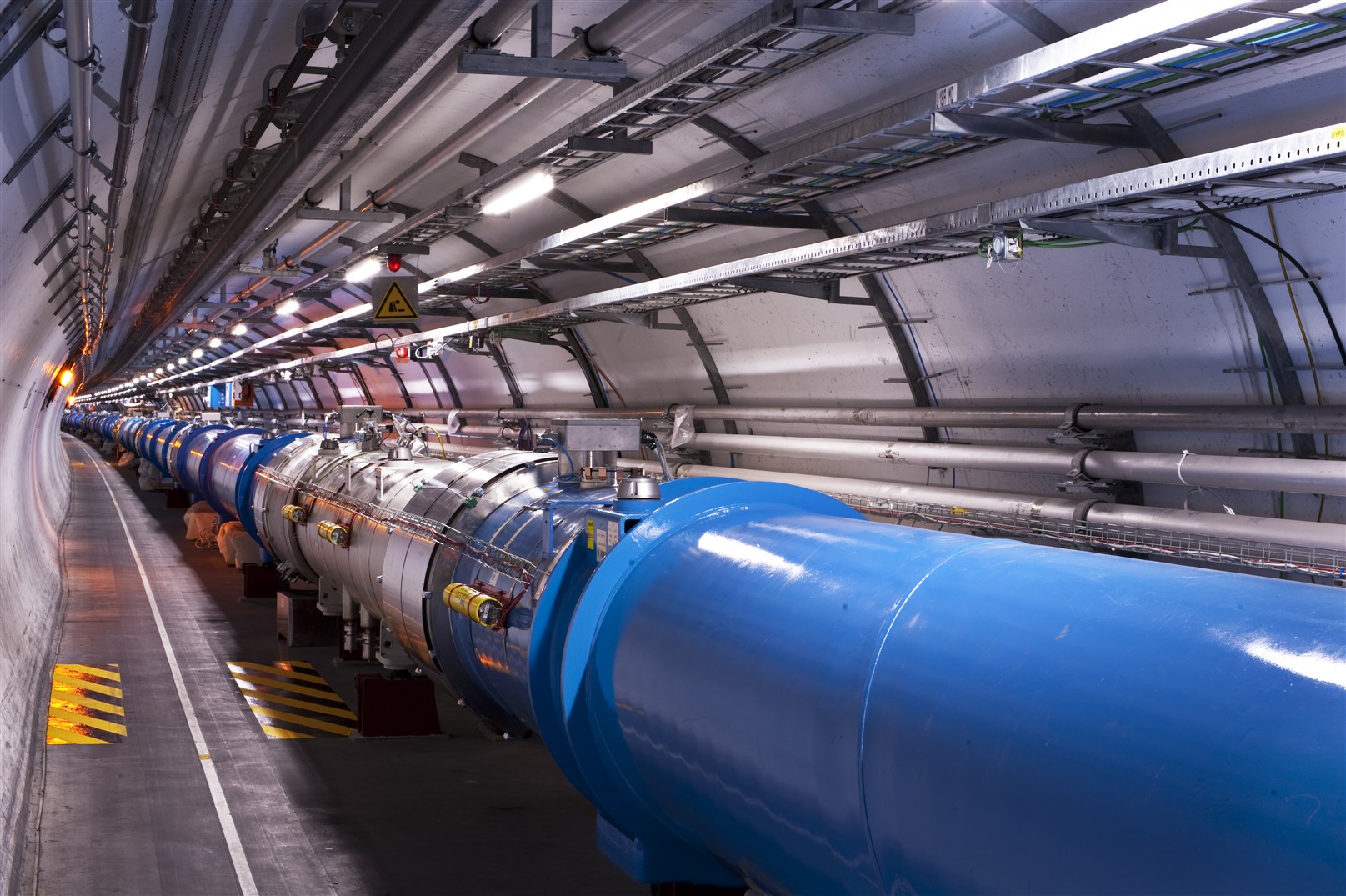
The design of a linac depends on the type of particle that is being accelerated: electrons, protons or ions. Linacs range in size from a cathode-ray tube (which is a type of linac) to the 3.2-kilometre-long (2.0 mi) linac at the SLAC National Accelerator Laboratory in Menlo Park, California.
Details
Linear accelerators, commonly referred to as linacs, are devices designed to accelerate charged particles along a straight path using radio frequency electromagnetic fields. Unlike electrostatic accelerators, which utilize static electric fields, linacs achieve acceleration through specific designs tailored for different particle types, such as electrons, protons, or heavy ions. The two primary designs of linacs are drift-tube and waveguide systems. In a drift-tube linac, charged particles drift through a series of hollow metal tubes, gaining energy at gaps as the voltage alternates to ensure they are continually accelerated.
Waveguide linacs operate by allowing microwaves to guide particles through a hollow pipe, synchronizing the phase velocity of the waves with the particles' speed to maintain energy gain. Linacs are widely used in research, particularly in nuclear physics, where they serve as sources for particle beams. They also have significant applications in medical fields, particularly for radiation therapy and sterilization of medical instruments, as well as in various industrial processes like food preservation and materials testing. The evolution of linacs from initial concepts in the early 20th century to their modern forms has led to advancements in particle energy and beam intensity, making them invaluable tools in both scientific research and industry.
Linear accelerators are devices that augment the energy of a beam of charged particles. Acceleration occurs in a straight line, using radio frequency electromagnetic fields.
Overview
As the name implies, a linear accelerator (linac) is a device in which charged particles travel in a straight line as they are being accelerated. The term also implies in practice that the acceleration is accomplished by means of radio frequency electromagnetic fields and not by means of electrostatic fields as in an electrostatic accelerator. Details of the design of linacs depend on whether they are intended for accelerating electrons, protons, or heavy ions.
Linacs have two basic design types: the drift-tube design and the waveguide design. A drift tube is a hollow metal cylinder, open at both ends; the particles travel along the axis of the cylinder. While they are inside the cylinder and far from either end, the particles do not experience any appreciable force because the electric and magnetic fields are shielded out by the metal of the cylinder. Since the particles experience no force in this region, they are drifting. The essence of the drift-tube method is that a large number of drift tubes are placed one after the other with short gaps between two consecutive tubes. Each tube is arranged to have either a positive or a negative voltage, with the sign alternating from one tube to the next. When particles arrive at the gap between two successive cylinders, the voltages must be arranged so that the particles are repelled from the cylinder they are leaving and attracted to the cylinder they are approaching. When they cross the gap, the particles gain a certain amount of energy. If nothing more were done, they would lose that energy at the next gap, where the force would be in the opposite direction, and the particles would be decelerated. To prevent this loss, the polarities of all the cylinders are reversed when the particles are near the center of the drift tubes. Thus, at every gap the polarity has been arranged for the particles to gain energy. The oscillation in the polarity of the drift tubes takes place at a radio frequency that is characteristic of microwaves.
The particles do not gain much energy at each gap. Nevertheless, the number of tubes (and therefore the number of gaps) can be made quite large, leading to a high value of the beam energy without the need for especially high voltage. In the upstream end of the accelerator, the particles are moving more slowly than they are at the downstream end after they have been accelerated; therefore, the length of the drift tubes must increase gradually from upstream to downstream, more or less proportional to the square root of the tube number. Each gap supplies the same energy increment, and the velocity varies as the square root of the kinetic energy, for nonrelativistic motion.
The drift tubes are all contained inside a long cylindrical tank that is maintained at a good vacuum so that the beam particles are not lost to collisions with air molecules. Devices called klystrons generate the microwaves outside the tank and conduct them to the inside, where they cause electric and magnetic fields primarily at the gaps between drift tubes, secondarily in the region between the drift tubes and the inside wall of the tank, but essentially not deep in the interior of the drift tubes.
Initially, it may seem logical to run the accelerator so that the particles arrive at the gap when the voltage is at its peak, thereby maximizing the energy imparted to the particles in the beam. If this setup is adopted, however, the beam intensity will suffer, since the particles do not all reach the gap in time to take advantage of the full voltage. As a result, the latecomers will get less than the proper gain in energy, causing them to arrive even later at the next gap. Soon, they will be lost to the beam. It is more efficient--and even essential--to design the system with enough extra voltage so that the particles arrive at the gap before the maximum voltage is reached: The particles that arrive early (the ones with too much energy) will receive less than the nominal amount of force at the gap, and their energy will be closer to the right amount. The latecomers (the ones with too little energy) will get to the gap when the voltage is higher than nominal, so they will pick up enough extra energy to get them to the next gap a little earlier. As a result, far fewer particles will be lost to the beam. This is known as the principle of phase stability.
As the particles cross the gaps, the electric forces acting on them tend not only to accelerate them but also to deflect them away from the axis of the system. The latter effect "defocuses" the beam. There are several possible remedies: One can place a small screen across the end of the drift tube to redirect the electric fields; one can use small, specially shaped pieces of metal that accomplish the same purpose as the screen but allow more particles to pass through; or one can use quadruple magnets to impose external focusing on the beam.
A waveguide linac essentially is a hollow pipe with microwaves flowing through it, with the magnetic fields perpendicular to the axis of the pipe and the electric fields at least partially parallel to the axis to impart acceleration to the charged particles in the beam. For all smooth hollow pipes, however, the phase velocity of microwaves is greater than the speed of light, and the special theory of relativity states that no particle can go faster than the speed of light (c). The particles cannot keep up with the accelerating wave. The solution to this problem is to place metal circles at regular intervals along the inside of the pipe. Each circle has a hole in its center large enough to accommodate the passage of the beam. The resulting structure is called an "iris-loaded waveguide." A wave traveling in a periodic structure can be arranged to have any phase velocity one chooses: greater than c, less than c, zero, or even negative. For linacs, the phase velocity of the microwaves is matched to the velocity of the particles being accelerated. Thus, the particles ride the wave exactly as a surfer rides a water wave in the ocean, picking up energy as the wave progresses. If the particles are slightly ahead of the region of maximum field strength, they will also have phase stability.
An alternate way to understand the working of a waveguide linac is to consider it as a large number of cavity oscillators that are connected loosely to one another by the holes where the beam goes. In each cavity there is a standing wave, with the electric field somewhere along the axis so as to provide acceleration. The timing or phase of the oscillations shifts from one cavity to the next so that it is synchronized for the arrival of the particles.
The spacing of the irises (or, alternately, the cavity sizes) varies more for proton or heavy ion linacs than for electron linacs. For the latter, a small energy gain brings the particles' velocity very close to c, and thereafter, they gain energy in regular amounts, with minimal change in the velocity. In a high-energy electron linac, the energy can be varied simply by changing the number of klystrons that drive the accelerator, since the energy is proportional to the square root of the number of klystrons.
Applications
Linacs are used as sources of particles for research in nuclear physics at low, medium, and high energies. The most spectacular example is the 3-kilometer linac at the Stanford Linear Accelerator Center (SLAC) in California. This machine is an electron linac of the waveguide type. It can also accelerate positrons on the opposite half of the cycle, the half that is useless for electrons. The positrons are made inside the accelerator itself by making some of the accelerated electrons impinge on a target located about a third of the way from the start.
At Los Alamos in New Mexico there is a large proton linac that is used for research in medium-energy nuclear physics. This accelerator is best considered as a sequence of cavity oscillators, where alternate cavities do not contribute to the energy gain, but are necessary to maintain accurate timing. These extra cavities are moved out of the beam line so as to shorten the total length of the accelerator.
Linacs are used not only as stand-alone accelerators but also as preaccelerators for other types of accelerators, such as synchrotrons. Proton synchrotrons work better if the protons are relativistic at the outset. The standard procedure is to use a linac that accepts protons at a modest energy and accelerates them to such a high energy that the synchrotron can handle them more effectively. The large accelerator at the Fermi National Accelerator at Batavia, Illinois, is a proton synchrotron built in the form of a ring that is 1 kilometer in radius. The main ring cannot operate effectively with protons direct from the ion source. Instead, the protons from the ion source are accelerated by an electrostatic accelerator of the math-Walton type and then injected into a proton linac, which accelerates them to an energy such that they can be sent to a small synchrotron, after which they go into the main ring. The linac is one indispensable link in a chain of accelerators.
Linacs are also used in pure research as a postaccelerator to an electrostatic accelerator.
Linacs have been built for this purpose with superconducting resonant cavities, using either niobium-copper or lead-plated copper for the walls of the resonator.
The high beam intensity of linear accelerators has made them valuable for medical use, both in radiation therapy and in sterilization of numerous types of small objects used in medicine. For example, surgical thread has to be free of microbes that could cause disease in a patient who has undergone surgery. Radiation from an electron linac can be an effective replacement for either heat or chemicals, the two older methods of sterilization.
The sterilizing properties of radiation have led to varied industrial applications of linacs. They can be used to treat waste water to kill harmful organisms. They can also be used for preservation of food. For example, even a small dose of radiation will prevent the sprouting of onions, garlic, or potatoes at a cost far less than that of the energy needed to refrigerate these food items. At higher levels, the radiation can destroy insects, fungi, or microbes that cause wastage of food.
Other industrial applications exist that do not involve sterilization, such as using radiation to study wear on the surface of metal parts. Many examples of this type of application come from parts of automobile engines: piston rings, cylinder walls, and cams are all metal parts that experience wear from rubbing, in spite of lubrication with oil. It is important to know how the wear takes place and how fast. A linac can provide the radiation needed to perform such studies.
Another class of examples involves irradiation of plastics to induce polymerization and cross-linkage. For example, a plastic object may be formed by pressing the plastic into the required shape. The plastic may "remember" its original form, however, and revert to that rather than keep its new shape. If the plastic is irradiated by the beam from a linac not long after it is pressed, the structure of the polymer tends to be modified so that the plastic "forgets" its original shape.
Additional Information
A linear accelerator is a type of particle accelerator (q.v.) that imparts a series of relatively small increases in energy to subatomic particles as they pass through a sequence of alternating electric fields set up in a linear structure. The small accelerations add together to give the particles a greater energy than could be achieved by the voltage used in one section alone.
In 1924 Gustaf Ising, a Swedish physicist, proposed accelerating particles using alternating electric fields, with “drift tubes” positioned at appropriate intervals to shield the particles during the half-cycle when the field is in the wrong direction for acceleration. Four years later, the Norwegian engineer Rolf Wideröe built the first machine of this kind, successfully accelerating potassium ions to an energy of 50,000 electron volts (50 kiloelectron volts).
Linear machines for accelerating lighter particles, such as protons and electrons, awaited the advent of powerful radio-frequency oscillators, which were developed for radar during World War II. Proton linacs typically operate at frequencies of about 200 megahertz (MHz), while the accelerating force in electron linacs is provided by an electromagnetic field with a microwave frequency of about 3,000 MHz.
The proton linac, designed by the American physicist Luis Alvarez in 1946, is a more efficient variant of Wideröe’s structure. In this accelerator, electric fields are set up as standing waves within a cylindrical metal “resonant cavity,” with drift tubes suspended along the central axis. The largest proton linac is at the Clinton P. Anderson Meson Physics Facility in Los Alamos, N.M., U.S.; it is 875 m (2,870 feet) long and accelerates protons to 800 million electron volts (800 megaelectron volts). For much of its length, this machine utilizes a structural variation, known as the side-coupled cavity accelerator, in which acceleration occurs in on-axis cells that are coupled together by cavities mounted to their sides. These coupling cavities serve to stabilize the performance of the accelerator against changes in the resonant frequencies of the accelerating cells.
Electron linacs utilize traveling waves rather than standing waves. Because of their small mass, electrons travel at close to the speed of light at energies as low as 5 megaelectron volts. They can therefore travel along the linac with the accelerating wave, in effect riding the crest of the wave and thus always experiencing an accelerating field. The world’s longest electron linac is the 3.2-kilometre (2-mile) machine at the Stanford (University) Linear Accelerator Center, Menlo Park, Calif., U.S.; it can accelerate electrons to 50 billion electron volts (50 gigaelectron volts). Much smaller linacs, both proton and electron types, have important practical applications in medicine and in industry.
#416 Re: Dark Discussions at Cafe Infinity » crème de la crème » 2026-02-23 17:37:59
2440) Nikolay Semyonov
Gist:
Work
During chemical reactions, atoms and molecules regroup and form new constellations. When molecules formed during a reaction readily react with molecules present from the beginning, a chain reaction can occur. Explosions and fire are examples of chain reactions. During the 1930s Nikolay Semyonov analyzed conditions and sequences of events involved in chain reactions from a theoretical and mathematical standpoint. Among other things, he found that the theoretical results corresponded with observations of the reactions between phosphorus and oxygen and between hydrogen and oxygen.
Work
During chemical reactions, atoms and molecules regroup and form new constellations. When molecules formed during a reaction readily react with molecules present from the beginning, a chain reaction can occur. Explosions and fire are examples of chain reactions. During the 1930s Nikolay Semyonov analyzed conditions and sequences of events involved in chain reactions from a theoretical and mathematical standpoint. Among other things, he found that the theoretical results corresponded with observations of the reactions between phosphorus and oxygen and between hydrogen and oxygen.
Summary
Nikolay Nikolayevich Semyonov (born April 15 [April 3, Old Style], 1896, Saratov, Russia—died Sept. 25, 1986, Moscow, U.S.S.R.) was a Soviet physical chemist who shared the 1956 Nobel Prize for Chemistry with Sir Cyril Hinshelwood for research in chemical kinetics. He was the second Soviet citizen (after the émigré writer Ivan Bunin) to receive a Nobel Prize.
Semyonov was educated in St. Petersburg, graduating from the city’s university in 1917, the year of the Russian Revolution, and taught for a time at the University of Tomsk in western Siberia. Associated with the Leningrad A.F. Ioffe Physicotechnical Institute from 1920 to 1931, he became a professor at the Leningrad (St. Petersburg) Polytechnic Institute in 1928. He was director of the Institute of Chemical Physics at the Academy of Sciences of the U.S.S.R. after 1931 and became a professor at Moscow State University in 1944.
Like Hinshelwood, Semyonov conducted research on the mechanism of chemical chain reactions and their significance in relation to explosions. Semyonov was the first to show that chain reactions are the norm in chemical transformations of matter. He published the influential book O nekotorykh problemakh khimicheskoy kinetiki i reaktsionnoy sposobnosti (1954; Some Problems in Chemical Kinetics and Reactivity).
Details
Nikolay Nikolayevich Semyono , sometimes Semenov, Semionov or Semenoff (15 April [O.S. 3 April] 1896 – 25 September 1986) was a Soviet physicist and chemist. Semyonov was awarded the 1956 Nobel Prize in Chemistry for his work on the mechanism of chemical transformation.
Life and career
Semyonov was born in Saratov, the son of Yelena Dmitrieva and Nikolai Aleksandrovich Semyonov. He graduated from the department of physics of Petrograd University (1913–1917), where he was a student of Abram Fyodorovich Ioffe. In 1918, he moved to Samara, where he was enlisted into Kolchak's White Army during Russian Civil War.
Semyonov published his first research paper in 1916 and became a lecturer at the University of Tomsk in western Siberia.
After graduating from Saint Petersburg State University, he worked as an assistant and lecturer at the Tomsk and Tomsk University Institute of Technology, where he published his first research paper in 1916. He returned to western Siberia, Petrograd and took charge of the electron phenomena laboratory of the Petrograd Physico-Technical Institute in 1920. He also became the vice-director of the institute. In 1921, he married philologist Maria Boreishe-Liverovsky (student of Zhirmunsky). She died two years later. On September 15, 1924, Nikolay married Maria's niece, Natalia Nikolayevna Burtseva. They had two children, son Yuri and daughter Lyudmila.
During that difficult time, Semyonov, together with Pyotr Kapitsa, discovered a way to measure the magnetic field of an atomic nucleus (1922). Later the experimental setup was improved by Otto Stern and Walther Gerlach and became known as Stern–Gerlach experiment.
In 1925, Semyonov, together with Yakov Frenkel, studied kinetics of condensation and adsorption of vapors. In 1927, he studied ionisation in gases and published an important book, Chemistry of the Electron. In 1928, he, together with Vladimir Fock, created a theory of thermal disruptive discharge of dielectrics.
In 1927, Semyonov studied the ionization of gases, the chemistry of the electron. In 1928, he created the theory of the broken discharge of dielectrics with Vladimir Fock.
He lectured at the Petrograd Polytechnical Institute and was appointed Professor in 1928. In 1931, he organized the Institute of Physical Chemistry of the USSR Academy of Sciences (which moved to Chernogolovka in 1943) and became its first director. In 1932, he became a full member of the Soviet Academy of Sciences.
The ideas of Semyonov have been applied in the science of reaction and production of polymerization reactions. His ideas are also applied in catalysis studies in biological systems.
Semyonov married Natalya Nikolayevna Semyonov and together they both have a son and a daughter. Semyonov died on September 25, 1986, in Moscow, and was buried at the Novodevichy Cemetery.
Significant works
Semyonov's outstanding work on the mechanism of chemical transformation includes an exhaustive analysis of the application of the chain theory to varied reactions (1934–1954) and, more significantly, to combustion processes. He proposed a theory of degenerate branching, which led to a better understanding of the phenomena associated with the induction periods of oxidation processes. He spent most of his career focusing and developing the field of chemical chain reactions.
Semyonov wrote two important books outlining his work. Chemical Kinetics and Chain Reactions was published in 1934, with an English edition in 1935. It was the first book in the U.S.S.R. to develop a detailed theory of unbranched and branched chain reactions in chemistry. Some Problems of Chemical Kinetics and Reactivity, first published in 1954, was revised in 1958; there are also English, American, German, and Chinese editions. He is the only Soviet/Russian Chemistry Nobel Laureate, who received the Nobel Prize in Chemistry (together with Sir Cyril N. Hinshelwood) for his work in 1956.
Semyonov had long been a supporter of the Communist Party and the Soviet Union. After the Bulletin of the Atomic Scientists accused the Soviet Union of heavy scientific censorship in 1953, he coauthored the Soviet response which denied all accusations. He is also noted as being the most famous signatory to a 1971 public letter from Soviet scientists to United States president Richard Nixon, on displeasure in the murder trial of Angela Davis.
Semyonov trained Russian organometallic chemist Alexander Shilov, who discovered platinum catalyzed C-H activation.

#417 Re: This is Cool » Miscellany » 2026-02-23 17:21:04
2503) South Pole
Gist
The South Pole, located at the southernmost point on Earth (90°S) in Antarctica, is an extremely cold, high-altitude (~9,300 ft elevation) desert. It has a population of roughly 50 people in winter and hundreds in summer, supported by the U.S. Amundsen-Scott Station. Key challenges include extreme, life-threatening temperatures (down to
),6 months of darkness, and absolute isolation.
Summary
The South Pole, also known as the Geographic South Pole or Terrestrial South Pole, is the point in the Southern Hemisphere where the Earth's axis of rotation meets its surface. It is called the True South Pole to distinguish from the south magnetic pole.
The South Pole is by definition the southernmost point on the Earth, lying antipodally to the North Pole. It defines geodetic latitude 90° South, as well as the direction of true south. At the South Pole all directions point North; all lines of longitude converge there, so its longitude can be defined as any degree value. No time zone has been assigned to the South Pole, so any time can be used as the local time. Along tight latitude circles, clockwise is east and counterclockwise is west. The South Pole is at the center of the Southern Hemisphere. Situated on the continent of Antarctica, it is the site of the United States Amundsen–Scott South Pole Station, which was established in 1956 and has been permanently staffed since that year.
Because the South Pole is covered by an ice sheet roughly 3.2 km (2.0 mi) thick that is slowly moving, the geographic marker must be moved several meters each year. Also, buildings slowly become buried in snow because it does not melt. There is a marker at the geographic South Pole placed each year, and also a Ceremonial South Pole marked with various flags and a special post.
Details
The South Pole is the southernmost point on Earth. It is the precise point of the southern intersection of Earth's axis and Earth's surface.
From the South Pole, all directions are north. Its latitude is 90 degrees south, and all lines of longitude meet there (as well as at the North Pole).
The South Pole is located on Antarctica, one of Earth's seven continents. Although land at the South Pole is only about a hundred meters above sea level, the ice sheet above it is roughly 2,700-meters (9,000-feet) thick. This elevation makes the South Pole much colder than the North Pole, which sits in the middle of the Arctic Ocean. In fact, the warmest temperature ever recorded at the South Pole was a freezing -12.3 degrees Celsius (9.9 degrees Fahrenheit).
The South Pole is close to the coldest place on Earth. The coldest temperature recorded at the South Pole, -82.8 degrees Celsius (-117.0 degrees Fahrenheit), is still warmer than the coldest temperature ever recorded, -89.2 degrees Celsius (-128.6 degrees Fahrenheit). That temperature was recorded at the Russian Vostok Research Station, about 1,300 kilometers (808 miles) away.
Because Earth rotates on a tilted axis as it revolves around the sun, sunlight is experienced in extremes at the poles. In fact, the South Pole experiences only one sunrise (at the September equinox) and one sunset (at the March equinox) every year. From the South Pole, the sun is always above the horizon in the summer and below the horizon in the winter. This means the region experiences up to 24 hours of sunlight in the summer and 24 hours of darkness in the winter.
Due to plate tectonics, the exact location of the South Pole is constantly moving. Plate tectonics is the process of large slabs of Earth's crust moving slowly around the planet, bumping into and pulling apart from one another.
Over billions of years, Earth's continents have shifted together and drifted apart. Millions of years ago, land that today is the east coast of South America was at the South Pole. Today, the ice sheet above the South Pole drifts about 10 meters (33 feet) every year.
Amundsen–Scott South Pole Station
Compared to the North Pole, the South Pole is relatively easy to travel to and study. The North Pole is in the middle of the Arctic Ocean, while the South Pole is on a stable piece of land.
The United States has had scientists working at Amundsen–Scott South Pole Station since 1956. Between 50 and 200 scientists and support staff live at the this research station at any given time. The station itself does not sit on the ground or ice sheet. It is able to adjust its elevation, to prevent it from being buried in snow, which accumulates at a rate of about 20 centimeters (eight inches) every year, and does not melt.
In the winter, the Amundsen–Scott South Pole Station is completely self-sufficient. The dark sky, freezing temperatures, and gale-force winds prevent most supplies from being flown or trekked in. All food, medical supplies, and other material must be secured before the long Antarctic winter. The station's energy is provided by three enormous generators that run on jet fuel.
In winter, stores of food are supplemented by the Amundsen–Scott South Pole Station's greenhouse. Vegetables in the greenhouse are grown with hydroponics, in a nutrient solution instead of soil.
Some of the earliest discoveries made at South Pole research stations helped support the theory of continental drift, the idea that continents drift apart and shift together. Rock samples collected near the South Pole and throughout Antarctica match samples dated to the same time period collected at tropical latitudes. Geologists conclude that the samples formed at the same time and the same place, and were torn apart over millions of years, as the planet split into different continents.
Today, the Amundsen–Scott South Pole Station is host to a wide variety of research. The relatively undisturbed ice sheet maintains a pristine record of snowfalls, air quality, and weather patterns. Ice cores provide data for glaciologists, climatologists, and meteorologists, as well as scientists tracking patterns in climate change.
The South Pole has low temperatures and humidity and high elevation, making it an outstanding place to study astronomy and astrophysics. The South Pole Telescope studies low-frequency radiation, such as microwaves and radio waves. The South Pole Telescope is one of the instruments designed measure the cosmic microwave background (CMB)–faint, diffuse radiation left over from the Big Bang.
Astrophysicists also search for tiny particles called neutrinos at the South Pole. Neutrinos interact very, very weakly with all other matter. Neutrino detectors therefore must be very large to detect a measurable number of the particles. The Amundsen–Scott South Pole Station's IceCube Neutrino Detector has more than 80 "strings" of sensors reaching as deep as 2,450 meters (8,038 feet) beneath the ice. It is the largest neutrino detector in the world.
Ecosystems at the South Pole
Although the Antarctic coast is teeming with marine life, few biologists conduct research at the Amundsen–Scott South Pole Station. The habitat is far too harsh for most organisms to survive.
In fact, the South Pole sits in the middle of the largest, coldest, driest, and windiest desert on Earth. More temperate parts of this desert (called either East Antarctica or Maudlandia) support native flora such as moss and lichen, and organisms such as mites and midges. The South Pole itself has no native plant or animal life at all. Sometimes, however, seabirds such as skuas can be spotted if they are blown off-course.
Exploration
The early 20th century's "Race to the Pole" stands as a symbol of the harrowing nature of polar exploration.
European and American explorers had attempted to reach the South Pole since British Capt. Robert Falcon Scott's expedition of 1904. Scott, along with fellow Antarctic explorers Ernest Shackleton and Edward Wilson, came within 660 kilometers (410 miles) of the pole, but turned back due to weather and inadequate supplies.
Shackleton and Scott were determined to reach the pole. Scott worked with scientists, intent on using the best techniques to gather data and collect samples.
Shackleton also conducted scientific surveys, although his expeditions were more narrowly focused on reaching the South Pole. He came within 160 kilometers (100 miles) of the pole in 1907, but again had to turn back due to weather.
Scott gathered public support and public funding for his 1910 Terra Nova expedition. He secured provisions and scientific equipment. In addition to the sailors and scientists on his team, the Terra Nova expedition also included tourists—guests who helped finance the voyage in exchange for taking part in it.
On the way to Antarctica, the Terra Nova expedition stopped in Australia to take on final supplies. Here, Scott received a surprising telegram from Norwegian explorer Roald Amundsen: "Beg leave to inform you Fram [Amundsen's ship] proceeding Antarctic."
Amundsen was apparently racing for the pole, ahead of Scott, but had kept all preparation secret. His initial ambition, to be the first to reach the North Pole, had been thwarted by American explorers Frederick Cook and Robert Peary, both of whom claimed to reach the North Pole first. (Both claims are now disputed, and Amundsen's flight over the North Pole is generally recognized as the first verified journey there.)
The Terra Nova and Fram expeditions arrived in Antarctica about the same time, in the middle of the Antarctic summer (January). They set up base camps about 640 kilometers (400 miles) apart. As they proceeded south, both expeditions established resupply depots with supplies for their return journey. While Scott's team stuck to a route forged by Shackleton years earlier, Amundsen took a new route.
Scott proceeded with scientific and expeditionary equipment hauled by dogs, ponies, and motor sledges. The motorized equipment soon broke down, and the ponies could not adapt to the harsh Antarctic climate. Even the sled dogs became weary. All the ponies died, and most members of the expedition turned back. Only four men from the Terra Nova expedition (including Scott's friend Wilson) proceeded with Scott to the pole.
Amundsen traveled by dogsled, with a team of explorers, skiers, and mushers. The foresight and navigation paid off: Amundsen reached the pole in December 1911. He called the camp Polheim, and the entire Fram expedition successfully returned to their resupply depots, ship, and Norway.
More than a month later, Scott reached the South Pole, only to be met by Amundsen's camp—he had left a tent, equipment, and supplies for Scott, as well as a note for the King of Norway to be delivered if the Fram expedition failed to make it back.
Disheartened, Scott's team slowly headed back north. They faced colder temperatures and harsher weather than Amundsen's team. They had fewer supplies. Suffering from hunger, hypothermia, and frostbite, all members of Scott's South Pole expedition died fewer than 18 kilometers (11 miles) from a resupply depot.
American explorer Richard E. Byrd became the first person to fly over the South Pole, in 1926, and the Amundsen–Scott South Pole Station was established 30 years later.
However, the next overland expedition to the South Pole was not made until 1958, more than 40 years after Amundsen and Scott's deadly race. The 1958 expedition was led by legendary New Zealand mountaineer Sir Edmund Hillary, who had become the first person to scale Mount Everest in 1953.
Transportation to the South Pole
Almost all scientists and support personnel, as well as supplies, are flown in to the South Pole. Hardy military aircraft usually fly from McMurdo Station, an American facility on the Antarctic coast and the most populated area on the continent. The extreme and unpredictable weather around the pole can often delay flights.
In 2009, the U.S. completed construction of the South Pole Traverse. Also called the McMurdo-South Pole Highway, this stretch of unpaved road runs more than 1,600 kilometers (995 miles) over the Antarctic ice sheet, from McMurdo Station to the Amundsen–Scott South Pole Station. It takes about 40 days for supplies to reach the pole from McMurdo, but the route is far more reliable and inexpensive than air flights. The highway can also supply much heavier equipment (such as that needed by the South Pole's astrophysics laboratories) than aircraft.
Resources and Territorial Claims
The entire continent of Antarctica has no official political boundaries. Seven countries made defined claims to Antarctic territory prior to the Antarctic Treaty of 1959, which does not legally recognize any claims.
Additional Information
The pole is situated about 1,300km (800 miles) inland from the nearest open sea, it is at an altitude of 2,835m (9,300ft) above sea level due to the enormous thickness of the Antarctic ice sheet. The bedrock at the pole is thought to actually be about 57m (187ft) below sea level, in part due to the weight of all that ice pushing it down.
At the surface at the South Pole, there is just snow and ice, there are no other natural significant features, no mountains sticking through the ice (there are hills and mountains beneath the ice, but they aren't tall enough to reach through) no rock, no solid ground, just a vast endless plateau of more snow and more ice.
Oh yes, and a huge human settlement that is the Amundsen-Scott South Pole Station. This American run scientific station was established in 1956 and has been permanently manned ever since then. The current station is the third to be built, work started on it in 2003. In addition to the main station building there is a large collection of other structures in the area. Some are specifically designed and constructed scientific buildings, others are sturdy insulated tents that are used for temporary summer-only accommodation. There are cabooses or converted shipping containers that are fitted out for a particular purpose or scientific experiment.

#418 Science HQ » Intravenous Infusion » 2026-02-23 16:52:09
- Jai Ganesh
- Replies: 0
Intravenous Infusion
Gist
IV infusion is the rapid, direct delivery of fluids, medications, or nutrients into the bloodstream via a vein, ensuring 100% absorption compared to oral intake. It is used to treat severe dehydration, electrolyte imbalances, or to administer specialized medication. Common types include hydration, blood products, and medication, often administered by professionals in hospitals or clinics.
The three main types of infusion administration routes are Intravenous (IV) (directly into a vein), Intramuscular (IM) (into a muscle), and Subcutaneous (SQ) (into the fatty tissue under the skin), with Epidural (into the spine) being another important method, all used to deliver medication when oral intake isn't possible or effective. These routes differ in how quickly they deliver drugs, with IV being the fastest, followed by IM, then SQ for slower absorption.
Summary
Intravenous (IV) fluid therapy plays a vital role in modern medical practice, particularly in critical care management. This review aims to summarize the composition, indications, and contraindications of IV fluids, serving as a useful resource for healthcare professionals.
Results:
IV fluids can be administered for various reasons, including resuscitation, correction of electrolyte imbalances, or more critical cases. They can be divided into 2 categories: crystalloids and colloids. Crystalloids, in turn, can be subdivided into unbalanced solutions, such as salines (0.45%, 0.9%, 3%, and 20%) and dextrose 5%, or balanced solutions, such as Ringer lactate and polyelectrolytic solutions. Colloids can be derived from plasma, such as 5% albumin, or semisynthetic, such as 4% modified fluid gelatin. Crystalloids are generally more cost-effective, have a lower risk of allergic reactions, and are more readily available than colloids. However, the use of each solution should be individualized based on the patient's specific needs and corresponding conditions.
Conclusions:
It is essential to have a thorough understanding of available IV fluid solutions to select the best option for each patient's condition at any given time. This review summarizes the most relevant information to guide these decisions. Future research should develop IV fluids that combine the benefits of colloids and crystalloids for safer, more personalized, and cost-effective treatments.
Details
Intravenous therapy (abbreviated as IV therapy) is a medical process that administers fluids, medications and nutrients directly into a person's vein. The intravenous route of administration is commonly used for rehydration or to provide nutrients for those who cannot, or will not—due to reduced mental states or otherwise—consume food or water by mouth. It may also be used to administer medications or other medical therapy such as blood products or electrolytes to correct electrolyte imbalances. Attempts at providing intravenous therapy have been recorded as early as the 1400s, but the practice did not become widespread until the 1900s after the development of techniques for safe, effective use.
The intravenous route is the fastest way to deliver medications and fluid replacement throughout the body as they are introduced directly into the circulatory system and thus quickly distributed. For this reason, the intravenous route of administration is also used for the consumption of some recreational drugs. Many therapies are administered as a "bolus" or one-time dose, but they may also be administered as an extended infusion or drip. The act of administering a therapy intravenously, or placing an intravenous line ("IV line") for later use, is a procedure which should only be performed by a skilled professional. The most basic intravenous access consists of a needle piercing the skin and entering a vein which is connected to a syringe or to external tubing. This is used to administer the desired therapy. In cases where a patient is likely to receive many such interventions in a short period (with consequent risk of trauma to the vein), normal practice is to insert a cannula which leaves one end in the vein, and subsequent therapies can be administered easily through tubing at the other end. In some cases, multiple medications or therapies are administered through the same IV line.
IV lines are classified as "central lines" if they end in a large vein close to the heart, or as "peripheral lines" if their output is to a small vein in the periphery, such as the arm. An IV line can be threaded through a peripheral vein to end near the heart, which is termed a "peripherally inserted central catheter" or PICC line. If a person is likely to need long-term intravenous therapy, a medical port may be implanted to enable easier repeated access to the vein without having to pierce the vein repeatedly. A catheter can also be inserted into a central vein through the chest, which is known as a tunneled line. The specific type of catheter used and site of insertion are affected by the desired substance to be administered and the health of the veins in the desired site of insertion.
Placement of an IV line may cause pain, as it necessarily involves piercing the skin. Infections and inflammation (termed phlebitis) are also both common side effects of an IV line. Phlebitis may be more likely if the same vein is used repeatedly for intravenous access, and can eventually develop into a hard cord which is unsuitable for IV access. The unintentional administration of a therapy outside a vein, termed extravasation or infiltration, may cause other side effects.
Additional Information
Most children will have an intravenous (IV) infusion at some point in hospital. We think it is helpful to explain what an infusion is and what it involves, so it is less scary for your child. This page from Great Ormond Street Hospital (GOSH) describes how infusions are used at GOSH, how they are inserted and what to expect when your child has one.An intravenous (IV) infusion is a way of delivering fluid or medicine directly into your child’s bloodstream. This enables the fluid or medicine to get into your child’s system much quicker than taking it by mouth. We use an infusion when a child cannot swallow medicine by mouth or it is better to give it into the bloodstream.
An IV infusion consists of various bits of equipment joined together. The first bit is a cannula (thin, plastic tube) which is put into a vein, usually in their hand or arm. The cannula is then connected to a longer, wider tube which, in turn, is joined to a bag containing the fluid or medicine.
This bag is attached to a machine, which helps to make sure the correct amount of fluid or medicine is given. The machine and bag are hung on a drip stand on wheels so that gravity helps the fluid or medicine.
How is an IV infusion set up?
The first stage is to insert a cannula into a vein.
Most children and young people at GOSH have local anaesthetic cream put on their skin before a cannula is inserted. This takes up to an hour to make the skin numb and is then wiped off.
Alternatively, some children prefer a cold spray, which only takes a few seconds to work but wears off quickly too.
The next stage is to find the right vein to use – usually a vein in the wrist or back of the hand. The nurse will usually put a tight band (tourniquet) around the arm so that the veins stand out better.
They will feel the back of your child’s hand or lower arm to find the best vein and clean the skin over it with an alcohol wipe. They will quickly insert a needle into the vein – this contains the cannula – and remove the needle, leaving the cannula in the vein.
The nurse will usually give the cannula a quick flush of saline (salt water) solution to check it is in the right place and prepare it for the drip. They will make the cannula secure with a see-through dressing and medical sticky tape, before connecting the cannula to a longer, wider piece of tubing called a ‘giving set’. This has a plastic spike on the end so it can be connected to an IV bag.
Finally, the nurse will secure the cannula on your child’s arm or wrist with a splint and bandage – this will stop the cannula being dislodged.
The nurse will connect the cannula to the giving set, thread the longer, wider tube through an IV pump and program the flow rate. The fluid will drip regularly into the drip chamber, through the machine and into your child’s bloodstream.
IV pumps have lots of alarms to tell your nurse about any problems or that the fluid or medicine has all been delivered. The nurse will be listening out for alarms so do not try to turn them off.
Sometimes the medicine can leak out of the vein (extravasation), which can be harmful, depending on the medicine that has leaked. If your child complains of pain or stinging near the cannula, or you notice any redness to the area and the surrounding area, tell the nurse immediately.
All infusions are connected in the same way using the spike and programmed into the IV pump.
When your child no longer needs any IV infusions and the cannula isn’t needed anymore, the nurse will disconnect the tubing from the cannula and throw away the IV bag and giving set.
They will remove the see-through dressing and medical sticky tape, then press down on the vein with gauze or cotton wool while they pull out the cannula. They will tape the gauze or cotton wool in place – you should leave this in place for 30 minutes or so.
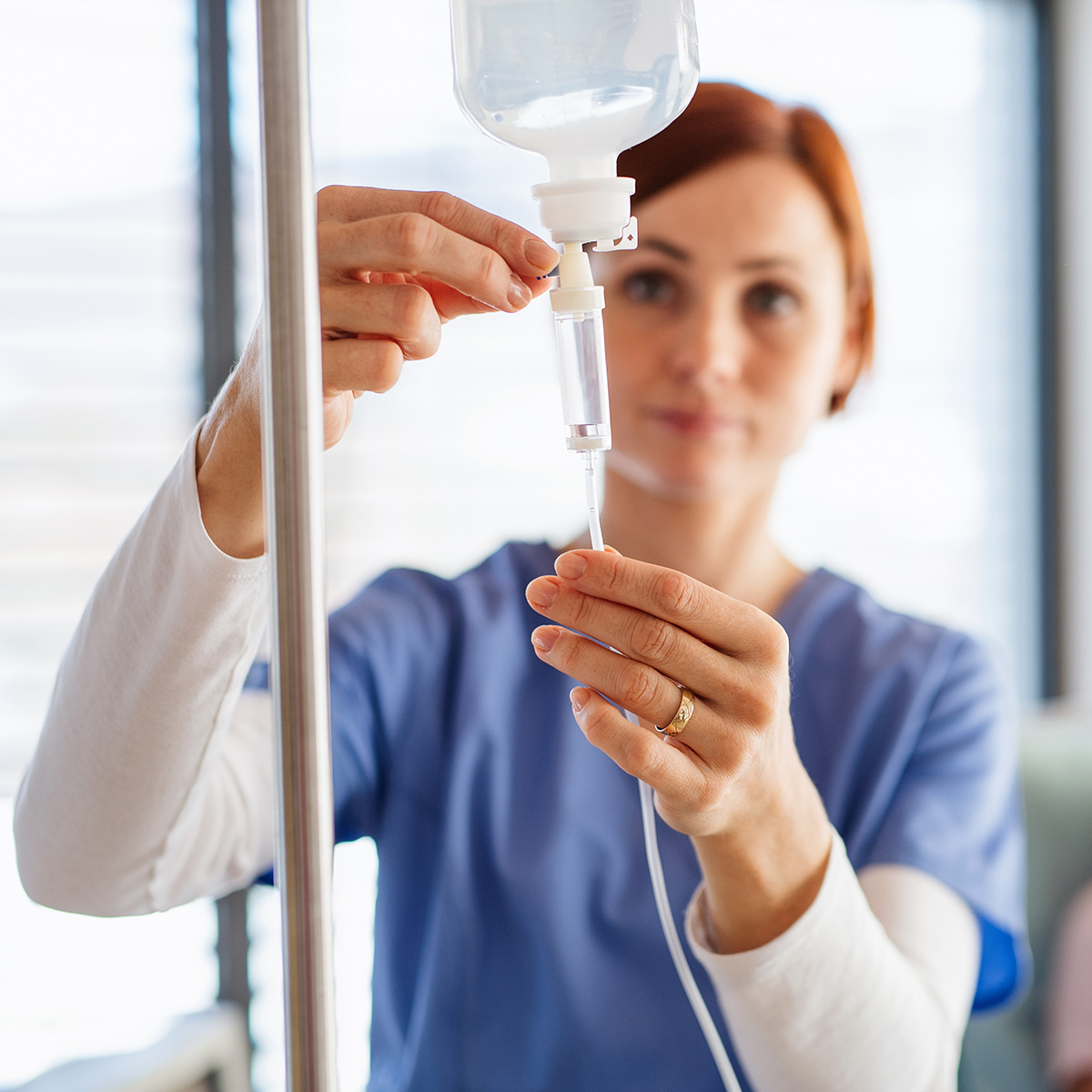
#419 Re: Jai Ganesh's Puzzles » General Quiz » 2026-02-23 16:21:37
Hi,
#10763. What does the term in Biology Genome mean?
#10764. What does the term in Biology Genotype mean?
#420 Re: Jai Ganesh's Puzzles » English language puzzles » 2026-02-23 16:09:17
Hi,
#5959. What does the adjective intractable mean?
#5960. What does the adjective intravenous mean?
#421 Re: Jai Ganesh's Puzzles » Doc, Doc! » 2026-02-23 15:51:27
Hi,
#2576. What does the medical term Fecal impaction mean?
#422 Dark Discussions at Cafe Infinity » Come Quotes - XII » 2026-02-23 15:36:07
- Jai Ganesh
- Replies: 0
Come Quotes - XII
1. I am a collection of thoughts and memories and likes and dislikes. I am the things that have happened to me and the sum of everything I've ever done. I am the clothes I wear on my back. I am every place and every person and every object I have ever come across. I am a bag of bones stuck to a very large rock spinning a thousand miles an hour. - Macaulay Culkin
2. The goal towards which the pleasure principle impels us - of becoming happy - is not attainable: yet we may not - nay, cannot - give up the efforts to come nearer to realization of it by some means or other. - Sigmund Freud
3. Comparisons are really no good in sport, especially if it is a comparison between different eras and generations, for there are so many variables that come into play, starting from the quality of the opposition to playing conditions. - Sunil Gavaskar
4. Madam, I have come from a country where people are hanged if they talk. - Leonhard Euler
5. The revolutionary breakthrough will come with rockets that are fully and rapidly reusable. We will never conquer Mars unless we do that. It'll be too expensive. The American colonies would never have been pioneered if the ships that crossed the ocean hadn't been reusable. - Elon Musk
6. There's no point in making predictions. It's not worth speculating because nothing is set in stone and things change all the time in football. Today there are opportunities that no one knows if they will come round again in the future. - Cristiano Ronaldo
7. All great and beautiful work has come of first gazing without shrinking into the darkness. - John Ruskin
8. We all keep dreaming, and luckily, dreams come true. - Katie Holmes.
#423 Jokes » Junk Food Jokes - I » 2026-02-23 15:18:49
- Jai Ganesh
- Replies: 0
Q: How did Reese eat her ice cream?
A: Witherspoon.
* * *
Q: What's the difference between a pizza and my pizza jokes?
A: My pizza jokes can't be topped!
* * *
Q: How do you know your close to a Frito Lay factory?
A: Because of the chips and dip in the road.
* * *
Q: What are the 4 major food groups?
A: Pizza, Coffee, Chocolate and Men.
* * *
Q: Why do you always bring a bag of chips to a party?
A: In queso emergency.
* * *
#424 Re: Jai Ganesh's Puzzles » Oral puzzles » 2026-02-23 14:51:33
Hi,
#6356.
#425 Re: Jai Ganesh's Puzzles » 10 second questions » 2026-02-23 14:30:54
Hi,
#9862.