Math Is Fun Forum
You are not logged in.
- Topics: Active | Unanswered
#126 Science HQ » Tonsils » 2026-02-22 16:37:20
- Jai Ganesh
- Replies: 0
Tonsils
Gist
Tonsils are two oval-shaped, immune-system tissue pads located at the back of the throat that act as a first line of defense against ingested or inhaled pathogens. They commonly become inflamed (tonsillitis) due to viruses or bacteria, causing sore throat, swelling, and difficulty swallowing. Treatments include antibiotics for bacterial infections, rest, and sometimes surgical removal (tonsillectomy).
Causes of tonsil issues (tonsillitis) are primarily viral or bacterial infections, like the cold, flu, or strep throat, but can also involve tonsil stones (tonsilloliths) from trapped debris, or more rarely, tonsil cancer, linked to HPV, tobacco, and alcohol. Tonsils, as part of the immune system, often get inflamed fighting germs, especially in children, leading to symptoms like sore throat, fever, and difficulty swallowing.
(HPV: human papillomavirus)
Summary
The tonsils are a set of lymphoid organs facing into the aerodigestive tract, which is known as Waldeyer's tonsillar ring and consists of the adenoid tonsil (or pharyngeal tonsil), two tubal tonsils, two palatine tonsils, and the lingual tonsils. These organs play an important role in the immune system.
When used unqualified, the term most commonly refers specifically to the palatine tonsils, which are two lymphoid organs situated at either side of the back of the human throat. The palatine tonsils and the adenoid tonsil are organs consisting of lymphoepithelial tissue located near the oropharynx and nasopharynx (parts of the throat).
Function
Tonsils are key components of the immune system, acting as the body's first line of defense against inhaled or ingested pathogens. Located at the entrance of the respiratory and digestive tracts, they monitor and respond to microbes by initiating immune responses. The tonsils contain a dense network of immune cells including B lymphocytes, T lymphocytes, macrophages, and dendritic cells. These cells interact within specialized regions called germinal centers, which become especially active during infections. Within these centers, B cells undergo activation, class switching (changing the type of antibody they produce), and somatic hypermutation of their antibody genes to better recognize and neutralize pathogens. Tonsils have a unique lymphoepithelial structure, with immune cells embedded within epithelial tissue, creating a direct interface with the external environment. This architecture facilitates efficient sampling of incoming bacteria and viruses through specialized M cells in the epithelium. The crypts in palatine tonsils significantly increase the surface area for antigen sampling, enhancing immune surveillance. The tonsillar immune response produces various antibodies—particularly immunoglobulins like IgA, IgG, and IgM—which contribute to both local and systemic immunity. Secretory IgA is especially important as it provides mucosal protection against pathogens before they can establish infection. In essence, the tonsils serve as immune surveillance stations, training grounds for antibody-producing cells, and barriers against infection at the body's entry points.
Details
Your tonsils, located in the back of your throat, are part of your immune system. They help fight infection and disease. Sometimes, you can develop issues with your tonsils, such as pain, swelling and infection. If these issues are chronic, your healthcare provider might recommend a tonsillectomy (tonsil removal).
Overview:
What are tonsils?
Your tonsils are two round, fleshy masses in the back of your throat (pharynx). Part of your immune system, your tonsils are like lymph nodes. They help filter out germs that enter through your nose or mouth to protect the rest of your body from infection. Tonsils are also called palatine tonsils or faucial tonsils.
Sometimes tonsils can become red, swollen or infected. If this issue becomes chronic or doesn’t get better, your healthcare provider might recommend a tonsillectomy (tonsil removal). Typically, people who have their tonsils removed can still fight off infection without any problems. Your body can find other ways to combat germs.
Function:
What’s the purpose of tonsils?
The main function of tonsils is fighting infection. Your tonsils contain a lot of white blood cells, which help kill germs. As your tonsils are in the back of your throat, they can “catch” germs that enter your body through your nose or mouth.
Anatomy:
Where are your tonsils?
Your tonsils are near the back of your throat, just behind your soft palate. There are two of them — one on each side.
What do my tonsils look like?
If you still have your tonsils, you can see them when you open your mouth wide and look in the mirror. They’re oval-shaped, pinkish mounds of tissue located on each side of your throat.
What color are my tonsils?
Healthy, normal tonsils are pinkish in color. But your tonsils can appear red and swollen if they’re inflamed or infected.
How big are the average tonsils?
Tonsil size varies significantly from person to person. But based on one research study:
* The average overall tonsil size is 42.81 cubic centimeters (cu cm).
* The average tonsil size in women is 37.65 {cm}^{3}.
* The average tonsil size in men is 52.4 {cm}^{3}.
To put this into perspective, each of your tonsils is slightly larger than a marshmallow.
Conditions and Disorders:
What are some conditions that affect tonsils?
There are a few different conditions that can affect your tonsils. The most common is tonsillitis — an infection of the tonsils. Bacteria and viruses can cause tonsillitis, and the infection can be short-term (acute) or long-term (chronic). The most common tonsillitis symptoms include a sore throat and swollen tonsils.
Other conditions that can affect your tonsils include:
* Strep throat. Caused by a bacterium known as Streptococcus, strep throat can cause sore throat, neck pain and fever.
* Tonsil stones. Also called tonsilloliths, tonsil stones are small white or yellow lumps in your tonsils. They can lead to tonsil pain, bad breath or bad taste.
* Peritonsillar abscess. A pocket of infection that pushes your tonsil to the other side of your throat, a peritonsillar abscess can cause difficulty swallowing or breathing. (If this happens, contact your healthcare provider immediately. Prompt treatment is essential.)
* Mononucleosis. Caused by a herpes virus called Epstein-Barr, mononucleosis can result in swollen tonsils, sore throat, fatigue and skin rash.
* Enlarged (hypertrophic) tonsils. Larger-than-normal tonsils can block your airway, leading to snoring or sleep apnea.
* Tonsil cancer. The most common form of oropharyngeal cancer, tonsil cancer is often linked to the human papillomavirus (HPV). Symptoms include tonsil pain, a lump in your neck and blood in your saliva (spit).
Are there tests to check the health of my tonsils?
Yes. If your healthcare provider suspects an issue with your tonsils, they may recommend:
* A bacterial culture test. Your provider rubs a cotton swab on your throat and tonsils. Then, they send the sample to a lab for analysis. A throat culture can check for different bacterial infections, including tonsillitis, strep throat and pneumonia.
* Blood tests. If your provider thinks your tonsil pain is due to mononucleosis, they can request a monospot test. This blood test detects certain antibodies, which can help confirm your diagnosis. (If the monospot test comes back negative, they can check for Epstein-Barr antibodies in your blood. This can also help determine whether you have mononucleosis.)
Additional Information
The tonsils are part of the body’s immune system. Because of their location at the throat and palate, they can stop germs entering the body through the mouth or the nose. The tonsils also contain a lot of white blood cells, which are responsible for killing germs.
There are different types of tonsils:
* Palatine tonsils (tonsilla palatina)
* The adenoids (pharyngeal tonsil or tonsilla pharyngealis)
* Lingual tonsil (tonsilla lingualis)
The two palatine tonsils are found on the right and left of the back of the throat, and are the only tonsils that can be seen unaided when you open your mouth. The adenoids are found high up in the throat, behind the nose, and can only be seen through rhinoscopy (an examination of the inside of the nose). The lingual tonsil is located far back at the base of the tongue, on its back surface.
All of these tonsillar structures together are sometimes called Waldeyer's ring since they form a ring around the opening to the throat from the mouth and nose. This position allows them to prevent germs like viruses or bacteria from entering the body through the mouth or the nose. There are also more immune system cells located behind Waldeyer's ring on the sides of the throat. These cells can take on the function of the adenoids if they have been removed.
The palatine tonsils can become inflamed. Known as tonsillitis, this makes them swell up and turn very red. They often have yellowish spots on them as well. The most common symptoms are a sore throat and fever.
The palatine tonsils and the adenoids may become enlarged, especially in children. That makes it harder to breathe and causes sleep problems. Because of these problems, tonsil surgery is sometimes recommended.

#127 Re: Jai Ganesh's Puzzles » General Quiz » 2026-02-22 16:06:57
Hi,
#10761. What does the term in Geography Dam mean?
#10762. What does the term in Geography Dasymetric map mean?
#128 Re: Jai Ganesh's Puzzles » English language puzzles » 2026-02-22 15:43:34
Hi,
#5957. What does the adjective gratifying mean?
#5958. What does the adjective au gratin mean?
#129 Re: Jai Ganesh's Puzzles » Doc, Doc! » 2026-02-22 15:32:04
Hi,
#2575. What does the medical term Prostate cancer mean?
#130 Dark Discussions at Cafe Infinity » Come Quotes - XI » 2026-02-22 15:26:03
- Jai Ganesh
- Replies: 0
Come Quotes - XI
1. You cannot mandate philanthropy. It has to come from within, and when it does, it is deeply satisfying. - Azim Premji
2. Liberty has never come from Government. Liberty has always come from the subjects of it. The history of liberty is a history of limitations of governmental power, not the increase of it. - Woodrow Wilson
3. This is my 20th year in the sport. I've known swimming and that's it. I don't want to swim past age 30; if I continue after this Olympics, and come back in 2016, I'll be 31. I'm looking forward to being able to see the other side of the fence. - Michael Phelps
4. For many, Christmas is also a time for coming together. But for others, service will come first. - Queen Elizabeth II
5. Gliders, sail planes, they're wonderful flying machines. It's the closest you can come to being a bird. - Neil Armstrong
6. Change will come slowly, across generations, because old beliefs die hard even when demonstrably false. - E. O. Wilson
7. I come from - I came from Wales, and it's a strong, butch society. We were in the war and all that. People didn't waste time feeling sorry for themselves. You had to get on with it. So my credo is get on with it. I don't waste time being soft. I'm not cold, but I don't like being, wasting my time with - life's too short. - Anthony Hopkins
8. Author: A fool who, not content with having bored those who have lived with him, insists on tormenting generations to come. - Montesquieu.
#131 Jokes » Ice cream Jokes - III » 2026-02-22 15:13:53
- Jai Ganesh
- Replies: 0
Q: Why did the ice cream truck break down?
A: Because of the Rocky Road.
* * *
Q: How do you learn how to make ice cream?
A: In Sunday (Sundae) School.
* * *
Q: What happened when rockers couldn't get their favorite dessert?
A: Rage against the Broken Ice Cream Machine.
* * *
Who's there?
Ice cream!
Ice cream who?
Ice cream if you throw me in the cold, cold water!
* * *
There are two types of people in this world: People who love ice cream and liars.
* * *
#132 Re: Jai Ganesh's Puzzles » 10 second questions » 2026-02-22 14:51:08
Hi,
#9861.
#133 Re: Jai Ganesh's Puzzles » Oral puzzles » 2026-02-22 14:37:51
Hi,
#6355.
#134 Re: Exercises » Compute the solution: » 2026-02-22 14:26:39
Hi,
2715.
#135 Re: Jai Ganesh's Puzzles » General Quiz » 2026-02-22 00:33:51
Hi,
#10759. What does the term in Geography Cyclopean stairs mean?
#10760. What does the term in Geography Dale (landform) mean?
#136 Re: Jai Ganesh's Puzzles » English language puzzles » 2026-02-22 00:21:48
Hi,
#5955. What does the noun dereliction mean?
#5956. What does the verd (used with object) derive mean?
#137 Re: Jai Ganesh's Puzzles » Doc, Doc! » 2026-02-22 00:09:02
Hi,
#2574. What does the medical term Diphyllobothriasis mean?
#138 Dark Discussions at Cafe Infinity » Come Jokes - X » 2026-02-22 00:00:29
- Jai Ganesh
- Replies: 0
Come Jokes - X
1. The American People will come first once again. My plan will begin with safety at home - which means safe neighborhoods, secure borders, and protection from terrorism. There can be no prosperity without law and order. - Donald Trump
2. I don't give up. I'm a plodder. People come and go, but I stay the course. - Kevin Costner
3. I don't believe in pessimism. If something doesn't come up the way you want, forge ahead. If you think it's going to rain, it will. - Clint Eastwood
4. If you come to fame not understanding who you are, it will define who you are. - Oprah Winfrey
5. Change is never easy, and it often creates discord, but when people come together for the good of humanity and the Earth, we can accomplish great things. - David Suzuki
6. There is only one difference between a long life and a good dinner: that, in the dinner, the sweets come last. - Robert Louis Stevenson
7. I would like to tell the young men and women before me not to lose hope and courage. Success can only come to you by courageous devotion to the task lying in front of you. - C. V. Raman
8. I'm most comfortable with the Southern dialects, really. It's easy, for example, for me to do Irish because we've got Irish heritage where I come from. - Brad Pitt.
#139 Jokes » Ice cream Jokes - II » 2026-02-21 23:24:42
- Jai Ganesh
- Replies: 0
Q: When does Oliver Stone eat ice cream?
A: Any Given Sundae.
* * *
Q: Where is the best place to get an ice cream?
A: IN A SUNDAY SCHOOL.
* * *
Q: What do you call a rapper working at Cold Stone?
A: Scoop Dogg.
* * *
Q: What do you call a metalhead working at Cold Stone?
A: Alice Scooper.
* * *
Q: What did the newspaper say to the ice cream?
A: What's the scoop?
* * *
#140 Re: Jai Ganesh's Puzzles » 10 second questions » 2026-02-21 23:08:32
Hi,
#9860.
#141 Re: Jai Ganesh's Puzzles » Oral puzzles » 2026-02-21 22:56:16
Hi,
#6354.
#142 Re: Exercises » Compute the solution: » 2026-02-21 22:19:46
Hi,
2714.
#143 This is Cool » Tower Bridge, London » 2026-02-21 18:24:25
- Jai Ganesh
- Replies: 0
Tower Bridge
Gist
The modern concrete and steel structure we know today was opened to traffic in 1973. Tower Bridge, on the other hand, has never fallen down. It stands today as it was built in 1894. It is known as London's defining landmark - representing London as an iconic structure that is recognised the world-over.
Tower Bridge is one of the most iconic London attractions and it's also very easy to visit. You can walk across the bridge for free or for a slight fee you can walk up inside the bridge, take in the breathtaking skyline and walk across the glass bottom walkway.
Summary
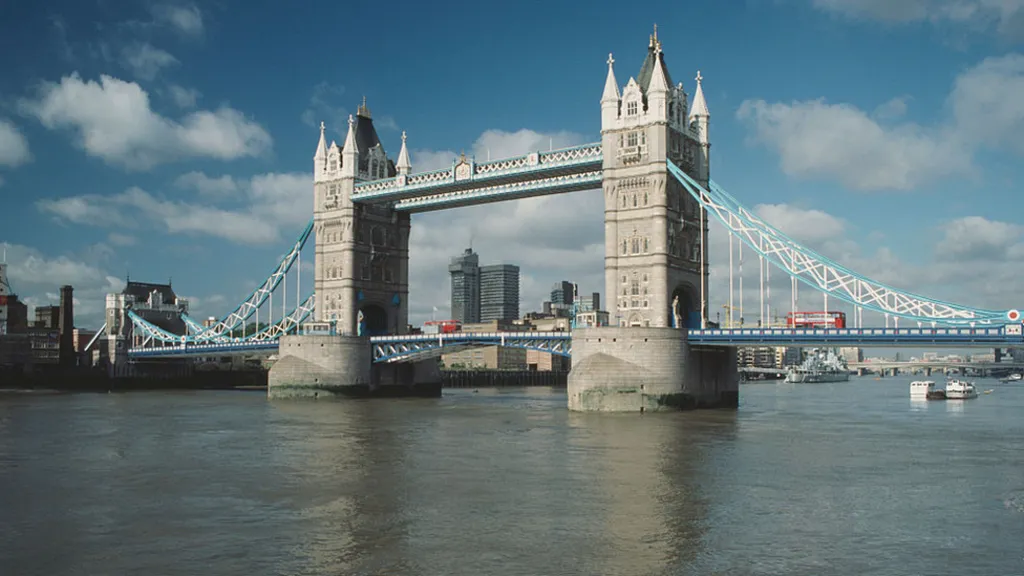
Tower Bridge is a movable bridge of the double-leaf bascule (drawbridge) type that spans the River Thames between the Greater London boroughs of Tower Hamlets and Southwark. It is a distinct landmark that aesthetically complements the Tower of London, which it adjoins.
The bridge was completed in 1894. It is about 240 meters (800 feet) in length and provides an opening 76 meters (250 feet) wide. Its twin towers rise 61 meters (200 feet) above the Thames. Between the towers stretch a pair of glass-covered walkways that are popular among tourists. The walkways were originally designed to allow pedestrians to cross even while the bridge was raised, but they became hangouts for sex workers and thieves and so were closed from 1909 to 1982.
The Tower Bridge was operated by hydraulic pumps driven by steam until 1976, when electric motors were put into operation; the steam power system is still kept (in good repair) as a tourist display. Because of the reduction in shipping at the London Docklands, however, the leaves are raised less frequently. The modern bridge raises the leaves about 800 times a year, down from more than 6,000 times a year in 1894.
Details
Tower Bridge is a Grade I listed combined bascule, suspension, and, until 1960, cantilever bridge in London, built between 1886 and 1894, designed by Horace Jones and engineered by John Wolfe Barry with the help of Henry Marc Brunel. It crosses the River Thames close to the Tower of London and is one of five London bridges owned and maintained by the City Bridge Foundation, a charitable trust founded in 1282.
The bridge was constructed to connect the 39% of London's population that lived east of London Bridge, equivalent to the populations of "Manchester on the one side, and Liverpool on the other", while allowing shipping to access the Pool of London between the Tower of London and London Bridge. The bridge was opened by Edward, Prince of Wales, and Alexandra, Princess of Wales, on 30 June 1894.
The bridge is 940 feet (290 m) in length including the abutments and consists of two 213-foot (65 m) bridge towers connected at the upper level by two horizontal walkways, and a central pair of bascules that can open to allow shipping. Originally hydraulically powered, the operating mechanism was converted to an electro-hydraulic system in 1972. The bridge is part of the London Inner Ring Road and thus the boundary of the London congestion charge zone, and remains an important traffic route with 40,000 crossings every day. The bridge deck is freely accessible to both vehicles and pedestrians, whereas the bridge's twin towers, high-level walkways, and Victorian engine rooms form part of the Tower Bridge Exhibition.
Tower Bridge has become a recognisable London landmark. It is sometimes confused with London Bridge, about 0.5 miles (800 m) upstream, which has led to a persistent urban legend about an American purchasing the wrong bridge.
Touring the bridge
The Tower Bridge attraction is a display housed inside the bridge's towers, the high-level walkways, and the Victorian engine rooms. It uses films, photos, and interactive displays to explain why and how Tower Bridge was built. Visitors can access the original steam engines that once powered the bridge bascules, housed in Engine Rooms, underneath the south end of the bridge.
The attraction charges an admission fee. The entrance is from the ticket office on the west side of the North Tower, from where visitors can climb the stairs (or take a lift) to the high-level Walkways to cross to the South Tower. In the Towers and Walkways is interpretation about the history of the bridge. The Walkways also provide views over the city, the Tower of London and the Pool of London, and include two Glass Floors, where you can look down to see the road and River Thames below. From the South Tower, visitors can visit exit and follow the Blue Line to the Victorian Engine Rooms, with the original steam engines, which are situated in a separate building underneath the southern approach to the bridge.
Of the 1,114 English visitor attractions tracked by Visit England, in 2019 Tower Bridge had 889,338 visitors and was the 34th most visited attraction in England, and the 17th most visited attraction that charged an admission fee. It is one of only three bridges in England tracked as a visitor attraction alongside the Clifton Suspension Bridge in Bristol and The Iron Bridge in Shropshire.
Additional Information
Opened on 30 June 1894, Tower Bridge was built by and is owned and managed by the charity City Bridge Foundation - historically known as Bridge House Estates. It was founded around 900 years ago to maintain the old London Bridge, using income from bridge tolls, rents and bequests. Today, it owns and maintains Tower Bridge and London, Southwark, Millennium and Blackfriars bridges - at no cost to the taxpayer.
Tower Bridge was built to ease road traffic while maintaining river access to the busy Pool of London docks. Built with giant movable roadways that lift up for passing ships, it is to this day considered an engineering marvel and beyond being one of London’s favourite icons.
#144 Science HQ » Vertigo » 2026-02-21 17:57:45
- Jai Ganesh
- Replies: 0
Vertigo
Gist
Vertigo is a sensation of spinning, swaying, or tilting, usually caused by inner ear problems (peripheral) or brain issues (central). Common causes include BPPV, vestibular neuritis, and migraines. Symptoms include nausea, vomiting, sweating, and loss of balance, typically lasting from a few seconds to several days. (BPPV: Benign Paroxysmal Positional Vertigo).
Is vertigo a permanent condition?
No, vertigo is not always permanent; it depends on the underlying cause, with many cases being temporary, curable with specific maneuvers like for BPPV, or manageable with treatment, though some conditions like Ménière's disease can cause recurring or chronic episodes. Proper diagnosis is key, as treatments range from simple repositioning exercises to medications or therapies, often resolving symptoms or significantly reducing their impact.
Summary
Vertigo is a sensation of feeling off balance. If you have these dizzy spells, you might feel like you are spinning or that the world around you is spinning.
Vertigo is a sensation that you or the world around you is spinning. It's usually a symptom of a problem with the part of your inner ear or brain that keeps you balanced. Treating a connected health issue may help to relieve vertigo.
Vertigo Causes
Vertigo often happens because of an inner ear problem. Some of the most common causes include:
Benign paroxysmal positional vertigo (BPPV). This inner ear disorder happens when tiny calcium particles (canaliths) get dislodged from their normal location and collect in the inner ear. The inner ear sends signals to the brain about your head and body movements to help you keep your balance.
BPPV can occur for no known reason and may worsen as you get older.
* Meniere's disease. This inner ear disorder may be caused by a buildup of fluid and changing pressure in the ear. It can cause episodes of vertigo along with ringing in the ears (tinnitus) and hearing loss.
* Vestibular neuritis or labyrinthitis. This inner ear problem is usually related to a viral infection such as chickenpox, measles, or hepatitis. The infection inflames nerves that help your brain keep you balanced.
Details
Vertigo causes dizziness and makes you feel like you’re spinning when you’re not. It most commonly occurs when there’s an issue with your inner ear. But you can also develop it if you have a condition affecting your brain, like a tumor or stroke. Treatments vary and can include medication, repositioning maneuvers or surgery.
Overview:
What is vertigo?
Vertigo is a sensation that the environment around you is spinning in circles. It can make you feel dizzy and off-balance. Vertigo is a symptom of lots of health conditions rather than a disease itself, but it can occur along with other symptoms.
Other symptoms you might experience when you have vertigo include:
* Nausea and vomiting.
* Dizziness.
* Balance issues.
* Hearing loss in one or both ears.
* Tinnitus (ringing in your ears).
* Headaches.
* Motion sickness.
* A feeling of fullness in your ear.
* Nystagmus (a condition that causes your eyes to move from side to side rapidly and uncontrollably).
Types of vertigo
There are two main types of vertigo: peripheral and central.
* Peripheral vertigo is the most common type. It happens when there’s an issue with your inner ear or vestibular nerve. (Both help with your sense of balance.)
Subtypes of peripheral vertigo include:
** Benign paroxysmal positional vertigo (BPPV).
** Labyrinthitis.
** Vestibular neuritis.
** Ménière’s disease.
* Central vertigo is less common. It occurs when you have a condition affecting your brain, like an infection, stroke or traumatic brain injury. People with central vertigo usually have more severe symptoms like severe instability or difficulty walking.
Possible Causes:
What causes vertigo?
Vertigo causes vary from person to person and may include:
* Migraine headaches.
* Certain medications, including some antibiotics, anti-inflammatories and cardiovascular drugs.
* Stroke.
* Arrhythmia.
* Diabetes.
* Head injuries.
* Prolonged bed rest.
* Shingles in or near your ear.
* Ear surgery.
* Perilymphatic fistula (when inner ear fluid leaks into your middle ear).
* Hyperventilation (rapid breathing).
* Low blood pressure (your blood pressure decreases when you stand up).
* Ataxia (muscle weakness).
* Syphilis.
* Otosclerosis (a bone growth issue affecting your middle ear).
* Brain diseases.
* Multiple sclerosis (MS).
* Acoustic neuroma.
What are the possible complications of vertigo?
Vertigo can cause falls, which may result in bone fractures (broken bones) or other injuries. Vertigo can also interfere with your quality of life and hinder your ability to drive or go to work.
Care and Treatment:
How do healthcare providers diagnose vertigo?
A healthcare provider will perform a physical exam and ask questions about your vertigo symptoms. They may also recommend one or more tests to confirm your diagnosis.
Vertigo diagnostic tests
Healthcare providers may perform some tests to diagnose vertigo. These tests can include:
* Fukuda-Unterberger test. Your healthcare provider will ask you to march in place for 30 seconds with your eyes closed. If you rotate or lean to one side, it could mean that you have an issue with your inner ear labyrinth. This could cause vertigo.
* Romberg’s test. During this assessment, your provider will ask you to close your eyes while standing with your feet together and your arms to your side. If you feel unbalanced or unsteady, it could mean that you have an issue with your central nervous system (your brain or spinal cord).
* Head impulse test. For this test, your provider will gently move your head to each side while you focus your eyes on a stationary target (for example a spot on the wall or your provider’s nose). As they move your head, they’ll pay close attention to your eye movements. This can tell them if there’s an issue with the balance system in your inner ear.
* Vestibular test battery. This includes several different tests to check the vestibular portion of your inner ear system. A vestibular test battery can help determine whether your symptoms are a result of an inner ear issue or a brain issue.
* Imaging tests: These may include CT (computed tomography) scans or MRI (magnetic resonance imaging).
How do healthcare providers treat vertigo?
Vertigo treatment depends on the underlying cause. Healthcare providers use a variety of treatments, which may include:
* Repositioning maneuvers.
* Vertigo medication.
* Vestibular rehabilitation therapy (vertigo exercises).
* Surgery.
Repositioning maneuvers
Benign paroxysmal positional vertigo (BPPV) occurs when tiny calcium carbonate crystals (canaliths) move out of the utricle in your inner ear (where they belong) into your semicircular canals. This can cause vertigo symptoms, especially when you change your head position.
Canalith repositioning procedures, like the Epley maneuver, can help shift the crystals out of your semicircular canals back into your utricle. These maneuvers consist of a series of specific head movements. A healthcare provider can perform a canalith repositioning procedure during an office visit. They can also teach you how to do it at home.
Vertigo medication
Medication may help in some cases of acute (sudden onset, short duration) vertigo. Healthcare providers may recommend motion sickness medications (like meclizine or dimenhydrinate) or antihistamines (like cyclizine) to ease vertigo symptoms.
Vestibular rehabilitation therapy (vertigo exercises)
Vestibular rehabilitation therapy usually involves a range of exercises to improve common vertigo symptoms like dizziness, unstable vision and balance issues. A healthcare provider will tailor your treatment according to your unique needs. Exercises may include stretching, strengthening, eye movement control and marching in place. Your provider can teach you how to do these exercises at home so you can manage your symptoms whenever you have a vertigo episode.
Surgery
It’s rare, but you might need surgery when a serious underlying health issue — like a brain tumor or neck injury — causes vertigo. Providers typically only recommend surgery when other treatments don’t work. Your provider or surgeon will tell you which type of procedure you need and what to expect.
How do you get vertigo to go away on its own?
It’s not always possible to get rid of vertigo without the help of a healthcare provider. But here are some things you can try at home to ease your symptoms:
* Move slowly when standing up, turning your head or performing other triggering movements.
* Sleep with your head elevated on two pillows.
* Lie in a dark, quiet room to reduce the spinning sensation.
* Sit down as soon as you feel dizzy.
* Squat down instead of bending over at the waist when picking something up.
* Turn on the lights if you get up during the night.
* Use a cane or walking stick if you feel like you might fall.
How to cure vertigo permanently
Unfortunately, there’s no surefire way to get rid of vertigo permanently and keep it from coming back. Some people have vertigo once and never have it again. Others experience recurring (returning) episodes.
If you have severe or frequent vertigo, talk to your healthcare provider about ways to manage your symptoms and improve your quality of life.
Additional Information
Vertigo is a symptom, rather than a condition itself. It’s the feeling that you, or the environment around you, is moving or spinning.
This feeling may be barely noticeable, or it may be so severe that you find it difficult to keep your balance and do everyday tasks.
Vertigo can develop suddenly and last for a few seconds or much longer. If you have severe vertigo, your symptoms may be constant and last for several days, making daily life very difficult.
Symptoms of vertigo may include:
* loss of balance – which can make it difficult to stand or walk
* feeling sick or being sick
* dizziness
When to get medical advice
Speak to your GP practice if:
* your vertigo comes on suddenly
* you have vertigo that will not go away
* you have vertigo that keeps coming back
* vertigo is affecting your daily life
Diagnosing vertigo
Your GP will ask about your symptoms and can carry out an examination to help determine some types of vertigo. They may also refer you for further tests.
What causes vertigo?
Inner ear problems, which affect balance, are the most common causes of vertigo. It can also be caused by problems in certain parts of the brain.
Common causes of vertigo may include:
* benign paroxysmal positional vertigo (BPPV) – where certain head movements trigger vertigo
* migraine
* labyrinthitis or vestibular neuronitis – an inner ear infection
* persistent postural-perceptual dizziness (PPPD)
* Ménière’s disease
Less commonly, vertigo can sometimes be caused by conditions that affect certain parts of the brain. This can include:
* a stroke
* multiple sclerosis
* brain tumours
Depending on the condition causing vertigo, you may have other symptoms, such as:
* a high temperature
* ringing in your ears (tinnitus)
* hearing loss
Treatment for vertigo
Treatment will depend on the cause. Gentle movement is encouraged as soon as you are able to. This will help the balance systems in your body reset.
Medicines (such as prochlorperazine and some antihistamines) may help in most cases of vertigo. These should only be used for a short amount of time (3-5 days). Long term use may slow the recovery process.
Many people with vertigo get better without treatment. If you’re still experiencing vertigo or balance problems after 6 weeks, you may be referred to a Vestibular (balance) Physiotherapist or an ENT (Ear, nose & throat) consultant.

#145 Science HQ » Galvanometer » 2026-02-20 23:41:35
- Jai Ganesh
- Replies: 0
Galvanometer
Gist
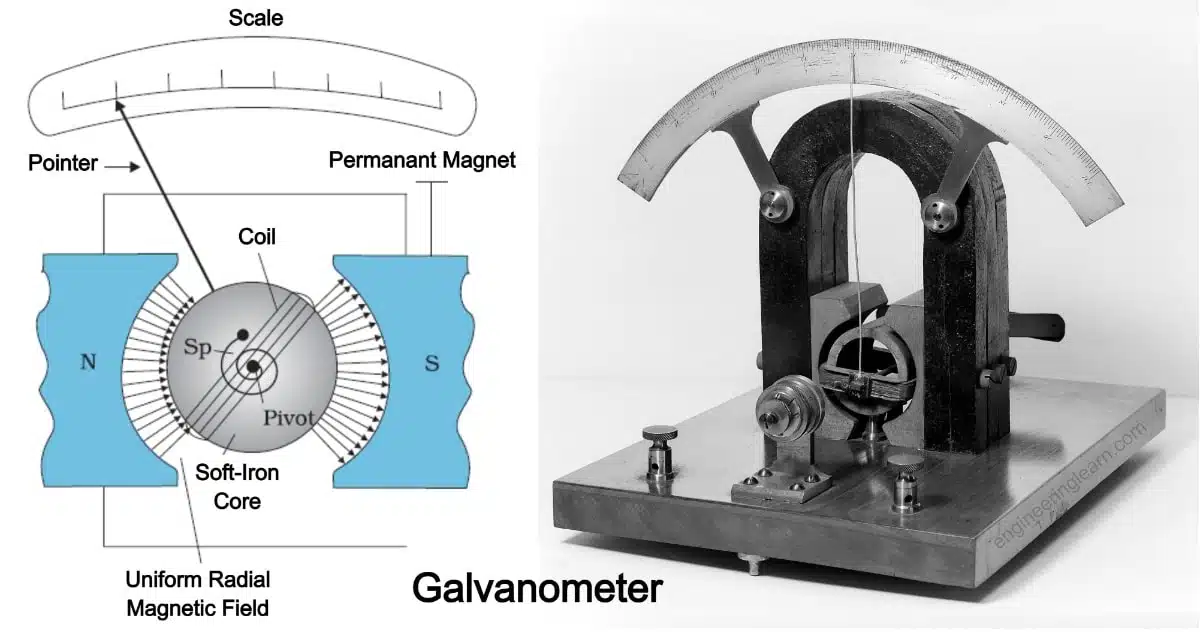
A galvanometer is a highly sensitive electromechanical instrument used to detect and measure small electric currents, primarily in DC circuits. It operates on the principle that a current-carrying coil placed in a magnetic field experiences a torque, causing a pointer to deflect across a scale proportional to the current.
A galvanometer is used to detect the presence, direction, and magnitude of small electric currents in a circuit, acting as a highly sensitive measuring instrument that shows current flow by deflecting a pointer or mirror, often serving as the core component in analog meters like ammeters and voltmeters.
Summary
Galvanometer is the historical name given to a moving coil electric current detector. When a current is passed through a coil in a magnetic field, the coil experiences a torque proportional to the current. If the coil's movement is opposed by a coil spring, then the amount of deflection of a needle attached to the coil may be proportional to the current passing through the coil. Such "meter movements" were at the heart of the moving coil meters such as voltmeters and ammeters until they were largely replaced with solid state meters.
The accuracy of moving coil meters is dependent upon having a uniform and constant magnetic field. The illustration shows one configuration of permanent magnet which was widely used in such meters.
Details
Galvanometers are instruments that measure the electrical potential difference between two points in an electric circuit. The word “galvanometer” comes from the Italian scientist Luigi Galvani, who discovered the principle of bioelectricity in the 18th century.
The earliest galvanometers were simple compasses that were used to detect the presence of an electric current. Over time, these devices became more sophisticated, incorporating coils of wire that could detect very small changes in the electrical current.
In the 19th century, the invention of the tangent galvanometer by William Thomson (later known as Lord Kelvin) revolutionized the field of electricity. This device used a magnet and a coil of wire to measure the strength and direction of an electric current. It was used to develop the first accurate measurements of electrical resistance and to study the behaviour of electric currents in different materials.
Today, galvanometers are used in a wide range of scientific and industrial applications, from measuring the electrical activity of the brain to detecting the presence of magnetic fields. They are also used in a variety of medical devices, such as electrocardiograms (ECGs) and electroencephalograms (EEGs).
The significance of these in modern science cannot be overstated. They have enabled scientists to make accurate measurements of electrical and magnetic fields, paving the way for advances in fields such as physics, chemistry, and engineering. They have also played a crucial role in developing new technologies that have transformed the way we live and work.
Additional Information
A galvanometer is an electromechanical measuring instrument for electric current. Early galvanometers were uncalibrated, but improved versions, called ammeters, were calibrated and could measure the flow of current more precisely. Galvanometers work by deflecting a pointer in response to an electric current flowing through a coil in a constant magnetic field. The mechanism is also used as an actuator in applications such as hard disks.
Galvanometers came from the observation, first noted by Hans Christian Ørsted in 1820, that a magnetic compass's needle deflects when near a wire having electric current. They were the first instruments used to detect and measure small amounts of current. André-Marie Ampère, who gave mathematical expression to Ørsted's discovery, named the instrument after the Italian electricity researcher Luigi Galvani, who in 1791 discovered the principle of the frog galvanoscope – that electric current would make the legs of a dead frog jerk.
Galvanometers have been essential for the development of science and technology in many fields. For example, in the 1800s they enabled long-range communication through submarine cables, such as the earliest transatlantic telegraph cables, and were essential to discovering the electrical activity of the heart and brain, by their fine measurements of current.
Galvanometers have also been used as the display components of other kinds of analog meters (e.g., light meters and VU meters), capturing the outputs of these meters' sensors. Today, the main type of galvanometer still in use is the D'Arsonval/Weston type.
Operation
Modern galvanometers, of the D'Arsonval/Weston type, are constructed with a small pivoting coil of wire, called a spindle, in the field of a permanent magnet. The coil is attached to a thin pointer that traverses a calibrated scale. A tiny torsion spring pulls the coil and pointer to the zero position.
When a direct current (DC) flows through the coil, the coil generates a magnetic field. This field acts against the permanent magnet. The coil twists, pushing against the spring, and moves the pointer. The hand points at a scale indicating the electric current. Careful design of the pole pieces ensures that the magnetic field is uniform so that the angular deflection of the pointer is proportional to the current. A useful meter generally contains a provision for damping the mechanical resonance of the moving coil and pointer, so that the pointer settles quickly to its position without oscillation.
The basic sensitivity of a meter might be, for instance, 100 microamperes full scale (with a voltage drop of, say, 50 millivolts at full current). Such meters are often calibrated to read some other quantity that can be converted to a current of that magnitude. The use of current dividers, often called shunts, allows a meter to be calibrated to measure larger currents. A meter can be calibrated as a DC voltmeter if the resistance of the coil is known by calculating the voltage required to generate a full-scale current. A meter can be configured to read other voltages by putting it in a voltage divider circuit. This is generally done by placing a resistor in series with the meter coil. A meter can be used to read resistance by placing it in series with a known voltage (a battery) and an adjustable resistor. In a preparatory step, the circuit is completed and the resistor adjusted to produce full-scale deflection. When an unknown resistor is placed in series in the circuit the current will be less than full scale and an appropriately calibrated scale can display the value of the previously unknown resistor.
These capabilities to translate different kinds of electric quantities into pointer movements make the galvanometer ideal for turning the output of other sensors that output electricity (in some form or another), into something that can be read by a human.
Because the pointer of the meter is usually a small distance above the scale of the meter, parallax error can occur when the operator attempts to read the scale line that "lines up" with the pointer. To counter this, some meters include a mirror along with the markings of the principal scale. The accuracy of the reading from a mirrored scale is improved by positioning one's head while reading the scale so that the pointer and the reflection of the pointer are aligned; at this point, the operator's eye must be directly above the pointer and any parallax error has been minimized.
Uses
Probably the largest use of galvanometers was of the D'Arsonval/Weston type used in analog meters in electronic equipment. Since the 1980s, galvanometer-type analog meter movements have been displaced by analog-to-digital converters (ADCs) for many uses. A digital panel meter (DPM) contains an ADC and numeric display. The advantages of a digital instrument are higher precision and accuracy, but factors such as power consumption or cost may still favor the application of analog meter movements.
Modern uses
Most modern uses for the galvanometer mechanism are in positioning and control systems. Galvanometer mechanisms are divided into moving magnet and moving coil galvanometers; in addition, they are divided into closed-loop and open-loop - or resonant - types.
Mirror galvanometer systems are used as beam positioning or beam steering elements in laser scanning systems. For example, for material processing with high-power lasers, closed loop mirror galvanometer mechanisms are used with servo control systems. These are typically high power galvanometers and the newest galvanometers designed for beam steering applications can have frequency responses over 10 kHz with appropriate servo technology. Closed-loop mirror galvanometers are also used in similar ways in stereolithography, laser sintering, laser engraving, laser beam welding, laser TVs, laser displays and in imaging applications such as retinal scanning with Optical Coherence Tomography (OCT) and Scanning Laser Ophthalmoscopy (SLO). Almost all of these galvanometers are of the moving magnet type. The closed loop is obtained measuring the position of the rotating axis with an infrared emitter and 2 photodiodes. This feedback is an analog signal.
Open loop, or resonant mirror galvanometers, are mainly used in some types of laser-based bar-code scanners, printing machines, imaging applications, military applications and space systems. Their non-lubricated bearings are especially of interest in applications that require functioning in a high vacuum.
A galvanometer mechanism (center part), used in an automatic exposure unit of an 8 mm film camera, together with a photoresistor (seen in the hole on top of the leftpart).
Moving coil type galvanometer mechanisms (called 'voice coils' by hard disk manufacturers) are used for controlling the head positioning servos in hard disk drives and CD/DVD players, in order to keep mass (and thus access times), as low as possible.
Past uses
A major early use for galvanometers was for finding faults in telecommunications cables. They were superseded in this application late in the 20th century by time-domain reflectometers.
Galvanometer mechanisms were also used to get readings from photoresistors in the metering mechanisms of film cameras.
In analog strip chart recorders such as used in electrocardiographs, electroencephalographs and polygraphs, galvanometer mechanisms were used to position the pen. Strip chart recorders with galvanometer driven pens may have a full-scale frequency response of 100 Hz and several centimeters of deflection.
#146 This is Cool » Bronchoscopy » 2026-02-20 23:07:41
- Jai Ganesh
- Replies: 0
Bronchoscopy
Gist
A bronchoscopy is a minimally invasive medical procedure used to examine, diagnose, and treat airway and lung conditions by inserting a thin, flexible tube (bronchoscope) with a light and camera through the nose or mouth. It is commonly used to investigate persistent coughs, infections, or abnormalities found on chest X-rays, such as tumors or foreign bodies.
What is the purpose of doing a bronchoscopy?
Common reasons for needing bronchoscopy are a persistent cough, infection or something unusual seen on a chest X-ray or other test. Bronchoscopy can also be used to obtain samples of mucus or tissue, to remove foreign bodies or other blockages from the airways or lungs, or to provide treatment for lung problems.
Summary
A bronchoscopy is an essential tool for clinicians and health care providers treating patients with lung diseases. Since its introduction to clinical practice by Shigeto Ikeda in 1966, flexible bronchoscopy has become an essential tool in diagnosis and management of patients with lung diseases. Rigid bronchoscopy can be particularly helpful in therapeutic cases. This activity describes the indications, contraindications of bronchoscopy and highlights the role of the interprofessional team in managing patients with airway disorders.
Introduction
A bronchoscopy is an essential tool for clinicians and health care providers treating patients with lung diseases. Since its introduction to clinical practice by Shigeto Ikeda in 1966, flexible bronchoscopy has become an essential tool in diagnosis and management of patients with lung diseases. Rigid bronchoscopy can be particularly helpful in therapeutic cases.
Anatomy and Physiology
A flexible bronchoscope, equipped with fiber optics, camera, and light source, allows for real-time, direct visualization of the airways. It can be used to examine the respiratory tract starting from the oral or nasal cavity to the sub-segmental bronchi. Advanced bronchoscopic techniques such as endobronchial ultrasound enable ultrasonographic evaluation of mediastinal structures such as lymph nodes, as well as the periphery of the lung.
Details
Bronchoscopy is a procedure to look directly at the airways in the lungs using a thin, lighted tube (bronchoscope). The bronchoscope is put in the nose or mouth. It is moved down the throat and windpipe (trachea), and into the airways. A healthcare provider can then see the voice box (larynx), trachea, and large and medium-sized airways.
There are 2 types of bronchoscopes: flexible and rigid. Both types come in different widths.
A rigid bronchoscope is a straight tube. It’s only used to view the larger airways. It may be used within the bronchi to:
* Remove a large amount of secretions or blood
* Control bleeding
* Remove foreign objects
* Remove diseased tissue (lesions)
* Do procedures, such as stents and other treatments
A flexible bronchoscope is used more often. Unlike the rigid scope, it can be moved down into the smaller airways (bronchioles). The flexible bronchoscope may be used to:
* Place a breathing tube in the airway to help give oxygen
* Suction out secretions
* Take tissue samples (biopsy)
* Put medicine into the lungs
Why might I need bronchoscopy?
A bronchoscopy may be done to diagnose and treat lung problems such as:
* Tumors or bronchial cancer
* Airway blockage (obstruction)
* Narrowed areas in airways (strictures)
* Inflammation and infections such as tuberculosis (TB), pneumonia, and fungal or parasitic lung infections
* Interstitial pulmonary disease
* Causes of persistent cough
* Causes of coughing up blood
* Spots seen on chest X-rays
* Vocal cord paralysis
Diagnostic procedures or treatments that are done with bronchoscopy include:
* Biopsy of tissue
* Collection of sputum
* Fluid put into the lungs and then removed (bronchoalveolar lavage or BAL) to diagnose lung disorders
* Removal of secretions, blood, mucus plugs, or growths (polyps) to clear airways
* Control of bleeding in the bronchi
* Removing foreign objects or other blockages
* Laser therapy or radiation treatment for bronchial tumors
* Placement of a small tube (stent) to keep an airway open (stent placement)
* Draining an area of pus (abscess)
Your healthcare provider may also have other reasons to advise a bronchoscopy.
What are the risks of bronchoscopy?
In most cases, the flexible bronchoscope is used, not the rigid bronchoscope. This is because the flexible type has less risk of damaging the tissue. And it provides better access to smaller areas of the lung tissue.
All procedures have some risks. The risks of this procedure may include:
* Bleeding
* Infection
* Hole in the airway (bronchial perforation)
* Irritation of the airways (bronchospasm)
* Irritation of the vocal cords (laryngospasm)
* Air in the space between the lung covering (pleural space) that causes the lung to collapse (pneumothorax)
Your risks may vary depending on your general health and other factors. Ask your healthcare provider which risks apply most to you. Talk about any concerns you have.
In some cases, a person may not be able to have a bronchoscopy. Reasons for this can include:
* Severe narrowing or blockage of the trachea (tracheal stenosis)
* High blood pressure in the lungs’ blood vessels (pulmonary hypertension)
* Severe coughing or gagging
* Low oxygen levels
* High risk of bleeding
If you have high levels of carbon dioxide in the blood (hypercapnia) or severe shortness of breath, you may need to be on a breathing machine before the procedure. This is done so oxygen can be sent right into your lungs while the bronchoscope is in place.
How do I get ready for bronchoscopy?
Give your healthcare provider a list of all of the medicines you take. This includes prescription and over-the-counter medicines, vitamins, herbs, and supplements. You may need to stop certain medicines before the procedure. Follow any directions you're given for not eating or drinking before the procedure.
You will be asked to sign an informed consent document. This document explains the benefits and risks of the procedure. Make sure all of your questions are answered before you sign it.
If the procedure is being done on an outpatient basis, arrange to have someone drive you home.
What happens during bronchoscopy?
You may have your procedure as an outpatient. This means you go home the same day. Or it may be done as part of a longer stay in the hospital. A bronchoscopy can take 15 minutes to 1 hour. The way the procedure is done may vary. It depends on your condition and your healthcare provider's methods. In most cases, a bronchoscopy will follow this process:
* Your healthcare provider may ask you to remove your clothes. If so, they will give you a hospital gown to wear. They may ask you to remove jewelry or other objects.
* You will lie down on a procedure table with the head raised up slightly.
* Your healthcare provider may put an IV (intravenous) into your arm or hand.
* Your healthcare provider may give you antibiotics before and after the procedure.
* You will be awake during the procedure. Your healthcare provider will give you medicine to help you relax (sedative). They will also give you a liquid medicine to numb your nose and throat. For a rigid bronchoscopy, they will give you general anesthesia. This is medicine that prevents pain and lets you sleep through the procedure.
* Your healthcare provider may give you oxygen through a nasal tube or face mask. They will watch your heart rate, blood pressure, and breathing during the procedure.
* Your provider will spray numbing medicine into the back of your throat. This is to prevent gagging as the bronchoscope is passed down your throat. The spray may have a bitter taste to it. Once the tube passes down your throat, the gagging feeling will go away.
* You won’t be able to talk or swallow saliva during the procedure. Saliva will be suctioned from your mouth as needed.
* Your provider will move the bronchoscope down your throat and into the airways. You may have some mild pain. Your airway will not be blocked. You can breathe around the bronchoscope. You will be given extra oxygen if needed.
As the bronchoscope is moved down, the lungs will be examined. Your provider may take tissue samples or mucus for testing. They may do other procedures as needed. This may include giving medicine or stopping bleeding.
When the exam and other procedures are done, the bronchoscope will be taken out.
What happens after bronchoscopy?
After the procedure, you will spend some time in a recovery room. You may be sleepy and confused when you wake up from general anesthesia or sedation. Your healthcare team will watch your vital signs, such as your heart rate and breathing.
A chest X-ray may be done right after the procedure. This is to make sure your lungs are OK. You may be told to gently cough up and spit your saliva into a basin. This is so a nurse can check your secretions for blood.
You may have some mild pain in your throat. You won't be allowed to eat or drink until your gag reflex has returned. You may notice some throat soreness and pain with swallowing for a few days. This is normal. Using throat lozenges or gargle may help.
If you had an outpatient procedure, you will go home when your healthcare provider says it’s OK. Someone will need to drive you home.
At home, you can go back to your normal diet and activities if instructed by your healthcare provider. You may need to not do strenuous physical activity for a few days.
You may notice a low-grade fever. This is common.
Call your healthcare provider if you have any of these:
* Fever of 100.4°F (38°C) or higher, or as advised by your provider
* Redness or swelling of the IV site
* Blood or other fluid leaking from the IV site
* Coughing up significant amounts of blood
* Chest pain
* Severe hoarseness
* Trouble breathing
Your healthcare provider may give you other instructions after the procedure.
Additional Information
Bronchoscopy is a minimally invasive procedure to diagnose problems with your lungs or airways. Healthcare providers use a bronchoscope to look into your windpipe and lungs. They can also put small tools through the bronchoscope to take samples of tissue for testing.
Overview
A bronchoscopy allows your healthcare provider to see inside your airways and lungs to diagnose, evaluate or treat lung conditions.
What is a bronchoscopy?
Bronchoscopy is a minimally invasive procedure that lets your healthcare provider look inside your airways and lungs with a bronchoscope. A bronchoscope is a thin tube with a light and camera on it. It can help your provider diagnose, evaluate and sometimes treat conditions that affect your lungs, trachea (windpipe) or throat.
Bronchoscopes can be either rigid or flexible:
* A flexible bronchoscope is a bendable tube. Providers use it more often because they can move it more easily down your airway. They use it to keep your airway open, take a tissue sample (biopsy) or suction secretions.
* A rigid bronchoscope is a firm tube. Providers use it when you have a large object stuck in your airway or when more difficult procedures — like putting in stents or treating tumors or bleeding — are needed.
What does a bronchoscopy diagnose?
A healthcare provider may recommend bronchoscopy to find the cause of lung problems you may be experiencing. Some of the most common are:
* Diagnosing lung disease or other causes of symptoms like excessive coughing, coughing up blood or shortness of breath.
* Following up after an X-ray or CT scan (computed tomography scan) showed possible signs of cancer.
* Assessing and removing blockages or treating narrowed areas in your airways.
* Determining causes of infection or inflammation in your lungs.
* Taking samples of mucus or tissue to send to a lab for analysis.
* Placing a stent (small tube) to keep your airway open.
Test Details:
How do I prepare for bronchoscopy?
Your healthcare providers will give you specific instructions about how to prepare for a bronchoscopy.
But, in general, you’ll need to fast (not eat or drink) for a certain amount of time before the procedure. You may also have to stop taking certain medications like blood thinners or diabetes medication. Be sure to tell your provider about any medications, herbs or vitamins you take.
Your healthcare provider will give you a sedative for the procedure. You should plan on having someone available to drive you home afterward.
Do you need a CT scan before a bronchoscopy?
Unless you’re in an emergency situation, your healthcare provider will likely order a CT scan before a bronchoscopy. A CT scan of your lungs can help your provider evaluate lung diseases and conditions like cancer or lung damage from smoking cigarettes to help decide if a bronchoscopy is needed.
What happens during a bronchoscopy?[
A pulmonologist typically performs a bronchoscopy in a hospital or surgical center as an outpatient procedure. This means you can go home after the procedure.
You’re typically given some medication to be sleepy and comfortable. Rigid bronchoscopy and many procedures that involve biopsies may require general anesthesia (being asleep). You should discuss which kind of anesthesia your procedure will require with your healthcare provider.
In most cases, a bronchoscopy follows these steps:
* Your provider inserts an IV into your arm to deliver a sedative to help you relax.
* You lie on a bed or table with your head propped up.
* Your provider may apply a numbing spray to your mouth (or nose) and throat. This helps with any discomfort you may feel when they insert the bronchoscope.
* Once the area is numb and you’re under sedation, your provider inserts the bronchoscope through your nose or mouth or through a tube, while you’re under anesthesia, and down into your windpipe to your lungs.
* Your provider may suction saliva (spit) from your mouth since you won’t be able to swallow.
* After the procedure, your provider gently removes the bronchoscope. Your healthcare team monitors your condition until you’re fully awake.
Do they put you to sleep for a bronchoscopy?
Most of the time, you’ll be sleepy, at least, if not asleep. It depends on what type of bronchoscopy you’re having and what your healthcare provider is diagnosing. Many people have the procedure with general anesthesia, and only some procedures can use a local anesthetic (numbing medicine).
How long does a bronchoscopy take?
You can expect a bronchoscopy to last 30 to 90 minutes. The exact timing depends on why your provider is performing the procedure.

#147 Re: This is Cool » Miscellany » 2026-02-20 22:08:25
2501) Sweden - The Country With Most Number Of Islands In The World
Gist
Sweden boasts a total of 267,570 islands. "Sweden has more islands than any other country in the world, and we would like to invite people to enjoy what may be the most genuine form of luxury: the peace and tranquillity of nature on your own island", says Susanne Andersson, CEO at Visit Sweden.
Sweden has the highest number of islands of any country in the world, with a total of 267,570. The vast majority of these are uninhabited, with fewer than 1,000 having permanent residents. The Stockholm archipelago alone features nearly 30,000 islands and skerries.
Interestingly, when it comes to statistics regarding which countries have the most islands, figures can differ hugely between sources. Pulling together the most reputable and official sources it could, website worldatlas.com has found that out of all countries on the planet, Sweden has the most islands with 267,570, the majority of which are uninhabited. Even the capital of Stockholm is built across a 14-island archipelago with more than 50 bridges.
Summary
Sweden, formally the Kingdom of Sweden, is a Nordic country located on the Scandinavian Peninsula in Northern Europe. It borders Norway to the west and north, and Finland to the east. At 450,295 square kilometres (173,860 sq mi), Sweden is the largest Nordic country by both area and population, and is the fifth-largest country in Europe. Its capital and largest city is Stockholm. Sweden has a population of 10.6 million, and a low population density of 25.5 inhabitants per square kilometre (66/sq mi); 88% of Swedes reside in urban areas. They are mostly in the central and southern half of the country. Sweden's urban areas together cover 1.5% of its land area. Sweden has a diverse climate owing to the length of the country, which ranges from 55°N to 69°N.
Sweden has been inhabited since prehistoric times around 12,000 BC. The inhabitants emerged as the Geats (Swedish: Götar) and Swedes (Svear), who formed part of the sea-faring peoples known as the Norsemen. A unified Swedish state was established during the late 10th century. In 1397, Sweden joined Norway and Denmark to form the Scandinavian Kalmar Union, which Sweden left in 1523. When Sweden became involved in the Thirty Years' War on the Protestant side, an expansion of its territories began, forming the Swedish Empire, which remained one of the great powers of Europe until the early 18th century. During this era Sweden controlled much of the Baltic Sea. Most of the conquered territories outside the Scandinavian Peninsula were lost during the 18th and 19th centuries. The eastern half of Sweden, present-day Finland, was lost to Imperial Russia in 1809. The last war in which Sweden was directly involved was in 1814, when Sweden by military means forced Norway into a personal union, a union which lasted until 1905.
Sweden is a highly developed country ranked fifth in the Human Development Index. It is a constitutional monarchy and a parliamentary democracy, with legislative power vested in the 349-member unicameral Riksdag. It is a unitary state, divided into 21 counties and 290 municipalities. Sweden maintains a Nordic social welfare system that provides universal health care and tertiary education for its citizens. It has the world's 14th highest GDP per capita and ranks very highly in quality of life, health, education, protection of civil liberties, economic competitiveness, income equality, gender equality and prosperity. Sweden joined the European Union on 1 January 1995 and NATO on 7 March 2024. It is also a member of the United Nations, the Schengen Area, the Council of Europe, the Nordic Council, the World Trade Organization and the Organisation for Economic Co-operation and Development (OECD).
Details
Sweden is a country located on the Scandinavian Peninsula in northern Europe. The name Sweden was derived from the Svear, or Suiones, a people mentioned as early as 98 ce by the Roman author Tacitus. The country’s ancient name was Svithiod. Stockholm has been the permanent capital since 1523.
Sweden occupies the greater part of the Scandinavian Peninsula, which it shares with Norway. The land slopes gently from the high mountains along the Norwegian frontier eastward to the Baltic Sea. Geologically, it is one of the oldest and most stable parts of the Earth’s crust. Its surface formations and soils were altered by the receding glaciers of the Pleistocene Epoch (about 2,600,000 to 11,700 years ago). Lakes dot the fairly flat landscape, and thousands of islands form archipelagoes along more than 1,300 miles (2,100 km) of jagged, rocky coastline. Like all of northwestern Europe, Sweden has a generally favourable climate relative to its northerly latitude owing to moderate southwesterly winds and the warm North Atlantic Current.
The country has a 1,000-year-long continuous history as a sovereign state, but its territorial expanse changed often until 1809. Today it is a constitutional monarchy with a well-established parliamentary democracy that dates from 1917. Swedish society is ethnically and religiously very homogeneous, although recent immigration has created some social diversity. Historically, Sweden rose from backwardness and poverty into a highly developed postindustrial society and advanced welfare state with a standard of living and life expectancy that rank among the highest in the world.
Sweden long ago disavowed the military aggressiveness that once involved its armies deeply in Europe’s centuries of dynastic warfare. It has chosen instead to play a balancing role among the world’s conflicting ideological and political systems. It is for this reason that Swedish statesmen have often been sought out to fill major positions in the United Nations. At peace since 1814, Sweden has followed the doctrine, enunciated in every document on foreign policy since World War II, of “nonalignment in peace aiming at neutrality in war.”
Land
Sweden lies to the southwest of Finland. A long coastline forms the country’s eastern border, extending along the Gulf of Bothnia and the Baltic Sea; a narrow strait, known as The Sound (Öresund), separates Sweden from Denmark in the south. A shorter coastline along the Skagerrak and Kattegat straits forms Sweden’s border to the southwest, and Norway lies to the west. Sweden extends some 1,000 miles (1,600 km) to the north and south and 310 miles (500 km) to the east and west.
The country is traditionally divided into three regions: to the north is Norrland, the vast mountain and forest region; in central Sweden is Svealand, an expanse of lowland in the east and highland in the west; and in the south is Götaland, which includes the Småland highlands and, at the southern extremity, the small but rich plains of Skåne. In the far north the region of Lappland overlaps Norrland and northern Finland.
Relief
Norrland is the largest and most sparsely populated of the regions, covering some three-fifths of the country. The region features an undulating surface of rounded hills and mountains, large lakes, and extensive river valleys. To the west lie the Kölen (Kjølen; Scandinavian) Mountains, through which runs the border demarcating Sweden and Norway. This range is characterized by numerous glaciers, the southernmost of which is on Helags Mountain (Helagsfjället), near the Norwegian border. At the region’s far northern edge, north of the Arctic Circle, are Sweden’s highest peaks: Mount Kebne (Kebnekaise), which is 6,926 feet (2,111 metres) in elevation, and Mount Sarek (Sarektjåkkå), which rises 6,854 feet (2,089 metres), in the magnificent Sarek National Park.
The interior of southern Sweden, Småland, is a wooded upland with elevations of 980 to 1,300 feet (300 to 400 metres). A region of poor and stony soils, Småland has been cultivated through the ages with some difficulty, as evidenced by the enormous mounds of stone cleared from the land. More recently the area has been characterized by flourishing small factories.
Except for a stretch of scenic “high coast,” the Bothnian coastal plain is low-lying and stretches from Norrland into Svealand. Most of the fairly level surface of eastern Svealand and northern Götaland was pressed below sea level by glaciers, leaving a landscape of fragmented bedrock, fertile clayey plains, numerous lakes, and sandy ridges. Today these are intermingled with mixed forests and farmland. Sweden’s landscape changes from the hills of Småland to the fertile plains of Skåne, which is physiographically and economically more similar to Denmark than to the rest of Sweden. This is Sweden’s oldest settled and most densely populated agricultural area.
The Swedish coastline is typically rocky, with hundreds of small, sometimes wooded islands. Ground by glacial ice in the same direction, they have a common rounded shape. This type of coast, known as skärgård, is found in both the east and the west, especially around Stockholm and Gothenburg. Off the southern coast in the Baltic, the large, flat islands of Öland and Gotland are outcropping layers of sandstone and limestone.
Drainage
The country’s chief rivers originate in the mountains of Norrland, mostly flowing southeastward with many falls and rapids and emptying into the Gulf of Bothnia or the Baltic Sea. The longest, however, is the Klar-Göta River, which rises in Norway and flows 447 miles (719 km), reaching Lake Väner (Vänern) and continuing southward out of the lake’s southern end to the North Sea; along its southernmost course are the famous falls of Trollhättan. The Muonio and Torne rivers form the frontier with Finland, and in the south the Dal River marks the transition to Svealand. The rivers, except in the far north, where they are protected, are sources of hydroelectric power.
In Svealand are Sweden’s largest lakes, including Lakes Väner, 2,181 square miles (5,650 square km); Vätter (Vättern), 738 square miles (1,911 square km); and Mälar (Mälaren), 440 square miles (1,139 square km). The shores of Lakes Siljan and Storsjön and the river valleys support agriculture.
Soils
The dominant soil of Sweden is till, formed under glacial ice. Till that comes from the archaic bedrock of granites and gneisses forms a poor soil, and forestry and polluted (acid) rain add to its acidification. On the other hand, small areas of clayey till from younger sedimentary limestone, scattered mainly in southern Sweden, form brown earth, providing agricultural soils of high fertility. In addition, vast areas of central Sweden are covered by heavy and fertile sea-bottom clays raised out of the sea by postglacial land uplift. One-fifth of the country, especially in rainy southwestern Sweden and the cold far north, is covered by marshland and peat.
Climate of Sweden
About 15 percent of the country lies within the Arctic Circle. From about late May until mid-July, sunlight lasts around the clock north of the Arctic Circle, but, even as far south as Stockholm, the nights during this period have only a few hours of semidarkness. In mid-December, on the other hand, Stockholm experiences only about 5.5 hours of daylight; in areas as far north as Lappland, there are nearly 20 hours of total darkness relieved by a mere 4 hours of twilight.
Considering its northerly geographic location (at the latitude of parts of Greenland and Siberia), Sweden enjoys a favourable climate. From the southwest, Atlantic low-pressure winds blow in air warmed by the North Atlantic Current and make the weather mild but changeable. Another type of influence comes from continental high pressures to the east. These create sunny weather, which is hot in summer and cold in winter. The interaction between the Atlantic and continental influences causes periodic shifts in climate.
The north-to-south extension of the country and the higher elevation of the northern part results in great regional differences in winter climate. The northern interior receives heavy snowfall for up to eight months of the year and has severe temperatures that drop as low as −22 to −40 °F (−30 to −40 °C). The average January temperature in Haparanda at the head of the Gulf of Bothnia is 10 °F (−12 °C). Sea ice covers the Gulf of Bothnia from November to May.
In southern Sweden winters vary more from year to year than in the north; snowfall is irregular, and average January temperatures range between 23 and 32 °F (−5 and 0 °C). Coastal waters seldom freeze.
Summer temperatures vary far less, although summer is much shorter in the north. In terms of average daily temperature, “spring” arrives in Skåne during February but not until late May in northernmost Norrland; then it may come virtually overnight. The mean July temperature in Haparanda is 59 °F (15 °C), and in Malmö 63 °F (17 °C).
Late summer and autumn are the rainiest seasons, but precipitation falls throughout the year. Annual precipitation averages about 24 inches (600 mm).
Plant and animal life
Most of Sweden is dominated by forests of fir, pine, and birch. Southern Sweden has more mixed forests, and in the far south deciduous trees such as beech, oak, linden, ash, elm, and maple are common. The forests are rich in berries, lingonberries and blueberries among them, and mushrooms. In Sweden anyone is entitled to hike through the forests and fields and pick berries and mushrooms.
In the high mountains coniferous trees give way to mountain birches, which extend up to the tree line at an elevation of 1,600 to 2,900 feet (480 to 880 metres). The treeless mountains with their heaths, marshes, and boulder fields have Alpine flora. Dwarf birch and willows are typical.
Owing to their limestone bedrock and mild climate, Gotland and Öland have a special flora that includes many orchids.
Bears and lynx still inhabit the northern forests, while wolves are making a comeback, having become almost completely extinct in the 20th century. Throughout the country are large numbers of moose, roe deer, foxes, and hares. The moose is a great prize for hunters, but it also constitutes a traffic hazard. Hunting and fishing are closely regulated, and many species of animals are fully protected. Large herds of domesticated reindeer owned by Sami (Lapps) graze the northern mountains and forests.
Winter birdlife is dominated by a few species, but summer brings large numbers of migratory birds from southern Europe and Africa, as, for example, cranes and wild geese. Sweden has a rich variety of aquatic animal life, but environmental pollution has taken its toll. This applies significantly to the Baltic seal. Fish species include the cod and mackerel of the deep, salty Atlantic and the salmon and pike found in the far less saline Baltic and in lakes and rivers. Atlantic herring and its smaller relative, the Baltic herring, are traditional staple foods.
Conservation
Sweden has been in the vanguard of countries seeking to preserve the natural environment. It was the first European country to establish a national park (Sarek National Park was established in 1909), thereby preserving part of Europe’s last wilderness. The first Nature Conservancy Act was adopted in 1909, and in 1969 a modern environmental protection act was passed. Since then tens of thousands of square miles have been set aside as national parks and nature reserves. Serious environmental problems persist nevertheless. About one-fifth of the lakes in Sweden have been damaged by acidification, and groundwater too is threatened. A chief cause is sulfur fallout (i.e., contamination by what is commonly known as acid rain); most of the sulfur is discharged into the atmosphere by industrial facilities in nearby countries. Pollution in the Baltic Sea and the coastal waters of the Kattegat and Skagerrak also is considered severe.
People:
Ethnic groups
Although different groups of immigrants have influenced Swedish culture through the centuries, the population historically has been unusually homogeneous in ethnic stock, language, and religion. It is only since World War II that notable change has occurred in the ethnic pattern. From 1970 to the early 1990s, net immigration accounted for about three-fourths of the population growth. By far, most of the immigrants came from the neighbouring Nordic countries, with which Sweden shares a common labour market.
In the 1980s Sweden began to receive an increasing number of asylum seekers from Asian and African countries such as Iran, Iraq, Lebanon, Turkey, Eritrea, and Somalia, as well as from Latin American countries that were suffering under repressive governments. Then from 2010 to 2014 the number of people seeking asylum in Sweden expanded dramatically, reaching more than 80,000 in 2014, and that number doubled to more than 160,000 in 2015. Many of these people were fleeing the Syrian Civil War. From the beginning of that conflict, Sweden had granted residency to any Syrian seeking asylum (some 70,000 in total). Thus, by 2016 one in six Swedish residents had been born outside the country, and Sweden, feeling the strain of the mass influx of migrants, enacted new and more stringent immigration restrictions.
Sweden has two minority groups of indigenous inhabitants: the Finnish-speaking people of the northeast along the Finnish border, and the Sami (Lapp) population of about 15,000 scattered throughout the northern Swedish interior. Once a hunting and fishing people, the latter group developed a reindeer-herding system that they still operate. Most of the Sami in Sweden have other occupations as well.
Languages
Swedish, the national language of Sweden and the mother tongue of approximately nine-tenths of the population, is a Nordic language. It belongs to the North Germanic (Scandinavian) subgroup of the Germanic languages and is closely related to the Danish, Norwegian, Icelandic, and Faeroese languages. It has been influenced at times by German, but it has also borrowed some words and syntax from French, English, and Finnish. A common standard language (rikssvenska) has been in use more than 100 years. The traditionally varying dialects of the provinces, although homogenized rapidly through the influences of education and the mass media, are still widely spoken. Swedish is also spoken by about 300,000 Finland-Swedes. Swedish law recognizes Sami and Finnish (both of which belong to the Uralic language group), as well as Meänkieli (the Finnish of the Torne Valley), Romani, and Yiddish as national minority languages, along with sign language. About 200 languages are now spoken in Sweden, owing to immigrants and refugees.
Religion of Sweden
Prehistoric archaeological artifacts and sites—including graves and rock carvings—give an indication of the ancient system of religious beliefs practiced in Sweden during the pre-Christian era. The sun and seasons figured largely, in tandem with fertility rites meant to ensure good harvests. These practices were informed by a highly developed mythic cycle, describing a distinctive cosmology and the deeds of the Old Norse gods, giants, and demons. Important gods included Odin, Thor, Freyr, and Freyja. Great sacrificial rites, thought to have taken place every eight years at Old Uppsala, were described by the author Adam of Bremen in the 11th century.
Sweden adopted Christianity in the 11th century, and for nearly 500 years Roman Catholicism was the preeminent religion. Sweden was the home to St. Bridget, founder of the Brigittine convent at Vadstena. As the first waves of the Protestant Reformation swept Europe in the mid-1500s, Lutheranism took hold in Sweden and remained dominant. The Evangelical Lutheran Church of Sweden was the official state church until 2000, and between three-fifths and two-thirds of the population remains members of this church. Since the late 1800s a number of independent churches have emerged; however, their members can also belong to the Church of Sweden. Immigration has brought a steady increase to the membership of the Roman Catholic, Greek Orthodox, and Islamic religions. Judaism is the country’s oldest global non-Christian religion, practiced in Sweden since 1776. After Christianity, Islam is the largest religion in Sweden, with about 100,000 active practitioners at the turn of the 21st century, although the number of Swedes of Muslim heritage was nearly three times that number.
Additional Information
Sweden is in the geographical region known as Scandinavia in northern Europe.
Sweden is in the geographical region known as Scandinavia in northern Europe. Lush, large forests cover half of the country and over 100,000 lakes dot the landscape. The lakes, and over 24,000 islands, are all open to the public through Sweden's tradition of right to public access.
Sweden is 977 miles (1,572 kilometers) long and is bordered by Norway on the west and Finland to the east. Three stretches of water separate Sweden from Denmark—the Skagerrak, the Kattegat, and the Öresund straits.
Sweden's Arctic north has been called the "land of the midnight sun," because during the summer months the sun never sets. Even in the capital of Stockholm in the south, the summer nights last only four hours and the sky doesn't deepen beyond twilight. But winter lasts until May and the nights are long and the days are short.
In the fall and spring, there are spectacular light shows in northern Sweden known as the "aurora borealis," or "northern lights." The dazzling green or red lights, which fill the late night sky, are caused by collisions of tiny particles high in the Earth's atmosphere.
People and Cultre
Sweden is one of the least populated countries in Europe, with a population of less than 10 million people. Most people used to live in the countryside, but as the country became industrialized in the 1900s, many moved to the cities of Malmö, Göteborg, and Stockholm.
During the 1930s, Sweden developed the welfare system, known as "the Swedish model." Under their system, all Swedes have access to publicly financed health care, help for the unemployed, child care, schools, elder care, and at least five weeks of paid vacation per year.
Nature
Ancient forests, broadleaved woodlands, mountains, and wetlands provide rich habitats for many endangered animals and birds. Swedes love the countryside and Sweden was the first country in Europe to create national parks. Today, there are 29 national parks and many nature reserves and wildlife sanctuaries.
Sweden is the center of an effort to save the critically endangered arctic fox, which is on the brink of extinction with fewer than 200 left in Europe. During the winter months, their fur turns from brown to white to match the snowy landscape. The northern forests are home to brown bears and wolverines, which are related to badgers and otters, not wolves.
Carl Von Linne, known as Carolus Linnaeus, was a well-known Swedish botanist, born in the 1700s. Linnaeus invented the method for naming plants and animals which is used today. Every living thing has a Latin name that is divided into two parts. The first part gives its group, or genus, and the second part of the name gives its kind, or species.
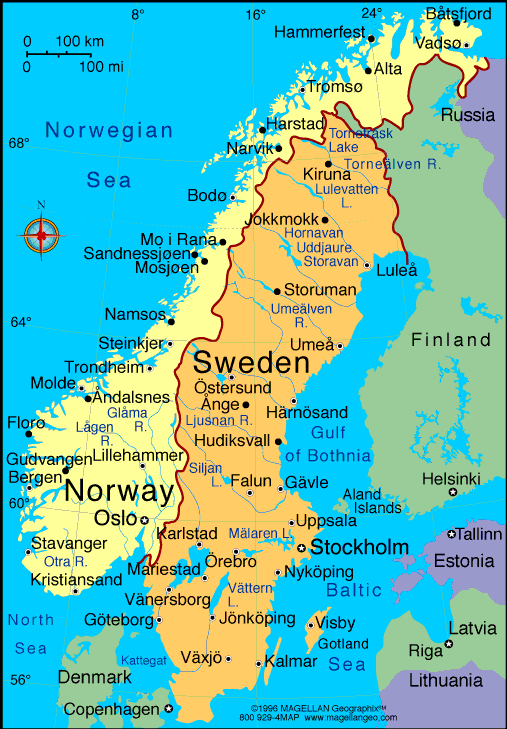
#148 Science HQ » Supercomputer » 2026-02-19 18:38:01
- Jai Ganesh
- Replies: 0
Supercomputer
Gist
A supercomputer is an exceptionally fast, high-performance machine designed to process massive datasets and perform complex, parallel calculations far beyond the capability of regular computers. Used for demanding tasks like weather forecasting, AI training, nuclear simulations, and molecular modeling, these systems often utilize Linux-based operating systems to manage thousands of processor cores.
A supercomputer is an extremely powerful, high-performance computer designed to execute complex calculations and process massive datasets at incredible speeds, far exceeding general-purpose computers, primarily for scientific, engineering, and AI tasks like weather forecasting, molecular modeling, climate research, cryptography, and cosmological simulations, often utilizing parallel processing with thousands of processors working together.
Summary
A supercomputer refers to a high-performance mainframe computer. It is a powerful, highly accurate machine known for processing massive sets of data and complex calculations at rapid speeds.
What makes a supercomputer “super” is its ability to interlink multiple processors within one system. This allows it to split up a task and distribute it in parts, then execute the parts of the task concurrently, in a method known as parallel processing.
Supercomputers are high-performing mainframe systems that solve complex computations. They split tasks into multiple parts and work on them in parallel, as if there were many computers acting as one collective machine.
Originally developed for nuclear weapon design and code-cracking, supercomputers are used today by scientists and engineers to test simulations that help predict climate changes and weather forecasts, explore cosmological evolution and discover new chemical compounds for pharmaceuticals.
How Do Supercomputers Work?
Unlike our everyday devices, supercomputers can perform multiple operations at once in parallel thanks to a multitude of built-in processors.
How it works: An operation is split into smaller parts, where each piece is sent to a CPU to solve. These multi-core processors are located within a node, alongside a memory block. In collaboration, these individual units — as many as tens of thousands — communicate through inter-node channels called interconnects to enable concurrent computation. Interconnects also interact with I/O systems, which manage disk storage and networking.
How’s that different from regular old computers? Picture this: On your home computer, once you strike the ‘return’ key on a search engine query, that information is input into a computer’s system, stored, then processed to produce an output value. In other words, one task is solved at a time. This process works great for everyday applications, such as sending a text message or mapping a route via GPS. But for more data-intensive projects, like calculating a missile’s ballistic orbit or cryptanalysis, researchers rely on more sophisticated systems that can execute many tasks at once.
“You have to use parallel computing to really take advantage of the power of the supercomputer,” Caitlin Joann Ross, a research and development engineer at Kitware who studied extreme-scale systems during her residency at Argonne Leadership Computing Facility, told Built In. “There are certain computations that might take weeks or months to run on your laptop, but if you can parallelize it efficiently to run on a supercomputer, it might only take a day.”
Details
A supercomputer is any of a class of extremely powerful computers. The term is commonly applied to the fastest high-performance systems available at any given time. Such computers have been used primarily for scientific and engineering work requiring exceedingly high-speed computations. Common applications for supercomputers include testing mathematical models for complex physical phenomena or designs, such as climate and weather, evolution of the cosmos, nuclear weapons and reactors, new chemical compounds (especially for pharmaceutical purposes), and cryptology. As the cost of supercomputing declined in the 1990s, more businesses began to use supercomputers for market research and other business-related models.
Distinguishing features
Supercomputers have certain distinguishing features. Unlike conventional computers, they usually have more than one CPU (central processing unit), which contains circuits for interpreting program instructions and executing arithmetic and logic operations in proper sequence. The use of several CPUs to achieve high computational rates is necessitated by the physical limits of circuit technology. Electronic signals cannot travel faster than the speed of light, which thus constitutes a fundamental speed limit for signal transmission and circuit switching. This limit has almost been reached, owing to miniaturization of circuit components, dramatic reduction in the length of wires connecting circuit boards, and innovation in cooling techniques (e.g., in various supercomputer systems, processor and memory circuits are immersed in a cryogenic fluid to achieve the low temperatures at which they operate fastest). Rapid retrieval of stored data and instructions is required to support the extremely high computational speed of CPUs. Therefore, most supercomputers have a very large storage capacity, as well as a very fast input/output capability.
Still another distinguishing characteristic of supercomputers is their use of vector arithmetic—i.e., they are able to operate on pairs of lists of numbers rather than on mere pairs of numbers. For example, a typical supercomputer can multiply a list of hourly wage rates for a group of factory workers by a list of hours worked by members of that group to produce a list of dollars earned by each worker in roughly the same time that it takes a regular computer to calculate the amount earned by just one worker.
Supercomputers were originally used in applications related to national security, including nuclear weapons design and cryptography. Today they are also routinely employed by the aerospace, petroleum, and automotive industries. In addition, supercomputers have found wide application in areas involving engineering or scientific research, as, for example, in studies of the structure of subatomic particles and of the origin and nature of the universe. Supercomputers have become an indispensable tool in weather forecasting: predictions are now based on numerical models. As the cost of supercomputers declined, their use spread to the world of online gaming. In particular, the 5th through 10th fastest Chinese supercomputers in 2007 were owned by a company with online rights in China to the electronic game World of Warcraft, which sometimes had more than a million people playing together in the same gaming world.
Historical development
Although early supercomputers were built by various companies, one individual, Seymour Cray, really defined the product almost from the start. Cray joined a computer company called Engineering Research Associates (ERA) in 1951. When ERA was taken over by Remington Rand, Inc. (which later merged with other companies to become Unisys Corporation), Cray left with ERA’s founder, William Norris, to start Control Data Corporation (CDC) in 1957. By that time Remington Rand’s UNIVAC line of computers and IBM had divided up most of the market for business computers, and, rather than challenge their extensive sales and support structures, CDC sought to capture the small but lucrative market for fast scientific computers. The Cray-designed CDC 1604 was one of the first computers to replace vacuum tubes with transistors and was quite popular in scientific laboratories. IBM responded by building its own scientific computer, the IBM 7030—commonly known as Stretch—in 1961. However, IBM, which had been slow to adopt the transistor, found few purchasers for its tube-transistor hybrid, regardless of its speed, and temporarily withdrew from the supercomputer field after a staggering loss, for the time, of $20 million. In 1964 Cray’s CDC 6600 replaced Stretch as the fastest computer on Earth; it could execute three million floating-point operations per second (FLOPS), and the term supercomputer was soon coined to describe it.
Cray left CDC to start Cray Research, Inc., in 1972 and moved on again in 1989 to form Cray Computer Corporation. Each time he moved on, his former company continued producing supercomputers based on his designs.
Cray was deeply involved in every aspect of creating the computers that his companies built. In particular, he was a genius at the dense packaging of the electronic components that make up a computer. By clever design he cut the distances signals had to travel, thereby speeding up the machines. He always strove to create the fastest possible computer for the scientific market, always programmed in the scientific programming language of choice (FORTRAN), and always optimized the machines for demanding scientific applications—e.g., differential equations, matrix manipulations, fluid dynamics, seismic analysis, and linear programming.
Among Cray’s pioneering achievements was the Cray-1, introduced in 1976, which was the first successful implementation of vector processing (meaning, as discussed above, it could operate on pairs of lists of numbers rather than on mere pairs of numbers). Cray was also one of the pioneers of dividing complex computations among multiple processors, a design known as “multiprocessing.” One of the first machines to use multiprocessing was the Cray X-MP, introduced in 1982, which linked two Cray-1 computers in parallel to triple their individual performance. In 1985 the Cray-2, a four-processor computer, became the first machine to exceed one billion FLOPS.
While Cray used expensive state-of-the-art custom processors and liquid immersion cooling systems to achieve his speed records, a revolutionary new approach was about to emerge. W. Daniel Hillis, a graduate student at the Massachusetts Institute of Technology, had a remarkable new idea about how to overcome the bottleneck imposed by having the CPU direct the computations between all the processors. Hillis saw that he could eliminate the bottleneck by eliminating the all-controlling CPU in favour of decentralized, or distributed, controls. In 1983 Hillis cofounded the Thinking Machines Corporation to design, build, and market such multiprocessor computers. In 1985 the first of his Connection Machines, the CM-1 (quickly replaced by its more commercial successor, the CM-2), was introduced. The CM-1 utilized an astonishing 65,536 inexpensive one-bit processors, grouped 16 to a chip (for a total of 4,096 chips), to achieve several billion FLOPS for some calculations—roughly comparable to Cray’s fastest supercomputer.
Hillis had originally been inspired by the way that the brain uses a complex network of simple neurons (a neural network) to achieve high-level computations. In fact, an early goal of these machines involved solving a problem in artificial intelligence, face-pattern recognition. By assigning each pixel of a picture to a separate processor, Hillis spread the computational load, but this introduced the problem of communication between the processors. The network topology that he developed to facilitate processor communication was a 12-dimensional “hypercube”—i.e., each chip was directly linked to 12 other chips. These machines quickly became known as massively parallel computers. Besides opening the way for new multiprocessor architectures, Hillis’s machines showed how common, or commodity, processors could be used to achieve supercomputer results.
Another common artificial intelligence application for multiprocessing was chess. For instance, in 1988 HiTech, built at Carnegie Mellon University, Pittsburgh, Pa., used 64 custom processors (one for each square on the chessboard) to become the first computer to defeat a grandmaster in a match. In February 1996 IBM’s Deep Blue, using 192 custom-enhanced RS/6000 processors, was the first computer to defeat a world champion, Garry Kasparov, in a “slow” game. It was then assigned to predict the weather in Atlanta, Ga., during the 1996 Summer Olympic Games. Its successor (now with 256 custom chess processors) defeated Kasparov in a six-game return match in May 1997.
As always, however, the principal application for supercomputing was military. With the signing of the Comprehensive Test Ban Treaty by the United States in 1996, the need for an alternative certification program for the country’s aging nuclear stockpile led the Department of Energy to fund the Accelerated Strategic Computing Initiative (ASCI). The goal of the project was to achieve by 2004 a computer capable of simulating nuclear tests—a feat requiring a machine capable of executing 100 trillion FLOPS (100 TFLOPS; the fastest extant computer at the time was the Cray T3E, capable of 150 billion FLOPS). ASCI Red, built at Sandia National Laboratories in Albuquerque, N.M., with the Intel Corporation, was the first to achieve 1 TFLOPS. Using 9,072 standard Pentium Pro processors, it reached 1.8 TFLOPS in December 1996 and was fully operational by June 1997.
While the massively multiprocessing approach prevailed in the United States, in Japan the NEC Corporation returned to the older approach of custom designing the computer chip—for its Earth Simulator, which surprised many computer scientists by debuting in first place on the industry’s TOP500 supercomputer speed list in 2002. It did not hold this position for long, however, as in 2004 a prototype of IBM’s Blue Gene/L, with 8,192 processing nodes, reached a speed of about 36 TFLOPS, just exceeding the speed of the Earth Simulator. Following two doublings in the number of its processors, the ASCI Blue Gene/L, installed in 2005 at Sandia National Laboratories in Livermore, Calif., became the first machine to pass the coveted 100 TFLOPS mark, with a speed of about 135 TFLOPS. Other Blue Gene/L machines, with similar architectures, held many of the top spots on successive TOP500 lists. With regular improvements, the ASCI Blue Gene/L reached a speed in excess of 500 TFLOPS in 2007. These IBM supercomputers are also noteworthy for the choice of operating system, Linux, and IBM’s support for the development of open source applications.
The first computer to exceed 1,000 TFLOPS, or 1 petaflop, was built by IBM in 2008. Known as Roadrunner, for New Mexico’s state bird, the machine was first tested at IBM’s facilities in New York, where it achieved the milestone, prior to being disassembled for shipment to the Los Alamos National Laboratory in New Mexico. The test version employed 6,948 dual-core Opteron microchips from Advanced Micro Devices (AMD) and 12,960 of IBM’s Cell Broadband Engines (first developed for use in the Sony Computer Entertainment PlayStation 3 video system). The Cell processor was designed especially for handling the intensive mathematical calculations needed to handle the virtual reality simulation engines in electronic games—a process quite analogous to the calculations needed by scientific researchers running their mathematical models.
Such progress in computing placed researchers on or past the verge of being able, for the first time, to do computer simulations based on first-principle physics—not merely simplified models. This in turn raised prospects for breakthroughs in such areas as meteorology and global climate analysis, pharmaceutical and medical design, new materials, and aerospace engineering. The greatest impediment for realizing the full potential of supercomputers remains the immense effort required to write programs in such a way that different aspects of a problem can be operated on simultaneously by as many different processors as possible. Even managing this in the case of less than a dozen processors, as are commonly used in modern personal computers, has resisted any simple solution, though IBM’s open source initiative, with support from various academic and corporate partners, made progress in the 1990s and 2000s.
Additional Information
A supercomputer is a type of computer with a high level of performance as compared to a general-purpose computer. Supercomputers play an important role in the field of computational science, and are used for a wide range of computationally intensive tasks in various fields including quantum mechanics, weather forecasting, climate research, oil and gas exploration, molecular modeling (computing the structures and properties of chemical compounds, biological macromolecules, polymers, and crystals), and physical simulations (such as simulations of aerodynamics, of the early moments of the universe, and of nuclear weapons). They have been essential in the field of cryptanalysis.
The performance of a supercomputer is commonly measured in floating-point operations per second (FLOPS) instead of million instructions per second (MIPS). Since 2022, exascale supercomputers have existed which can perform over {10}^{18} FLOPS. For comparison, a desktop computer has performance in the range of hundreds of gigaFLOPS ({10}^{11}) to tens of teraFLOPS ({10}^{13}). Since November 2017, all of the world's fastest 500 supercomputers run on Linux-based operating systems. Additional research is being conducted in the United States, the European Union, Taiwan, Japan, and China to build faster, more powerful and technologically superior exascale supercomputers.
Supercomputers were introduced in the 1960s, and for several decades the fastest was made by Seymour Cray at Control Data Corporation (CDC), Cray Research and subsequent companies bearing his name or monogram. The first such machines were highly tuned conventional designs that ran more quickly than their more general-purpose contemporaries. Through the decade, increasing amounts of parallelism were added, with one to four processors being typical. In the 1970s, vector processors operating on large arrays of data came to dominate. A notable example is the highly successful Cray-1 of 1976. Vector computers remained the dominant design into the 1990s. From then until today, massively parallel supercomputers with tens of thousands of off-the-shelf processors became the norm.
The U.S. has long been a leader in the supercomputer field, initially through Cray's nearly uninterrupted dominance, and later through a variety of technology companies. Japan made significant advancements in the field during the 1980s and 1990s, while China has become increasingly active in supercomputing in recent years. As of November 2024, Lawrence Livermore National Laboratory's El Capitan is the world's fastest supercomputer. The US has five of the top 10; Italy two, Japan, Finland, Switzerland have one each. In June 2018, all combined supercomputers on the TOP500 list broke the 1 exaFLOPS mark.

#149 This is Cool » Swift » 2026-02-19 17:50:08
- Jai Ganesh
- Replies: 0
Swift
Gist
Swifts are masters of the air and spend almost their entire lives in flight – eating, drinking, sleeping and even mating on the wing. They usually only land when it's time to nest, so you'll never see them perched on overhead wires like Swallows. Groups of Swifts can often be seen flying around rooftops at high speed.
What is the lifespan of a swift?
There are around 113 Swift species worldwide, eight of which may appear in the UK. But our familiar summer visitors are the Common Swift, Apus apus. The average lifespan of a Swift is nine years, reaching breeding maturity at around four years old. Estimates of the oldest recorded Swift range from 18 – 21 years old.
Summary
According to Britannica, swifts are small, fast-flying aerial birds (family Apodidae, ~75 species) known for long, curved wings, dull plumage, and weak feet suited only for clinging, not perching. They are considered the fastest small birds, capable of reaching speeds of 70 mph (110 kph), and primarily nest in chimneys, caves, or tree hollows using saliva.
Swift is any of about 75 species of agile, fast-flying birds of the family Apodidae (sometimes Micropodidae), in the order Apodiformes, which also includes the hummingbirds. The family is divided into the subfamilies Apodinae, or soft-tailed swifts, and Chaeturinae, or spine-tailed swifts. Almost worldwide in distribution, swifts are absent only from polar regions, southern Chile and Argentina, New Zealand, and most of Australia.
Closely resembling swallows, swifts range in length from about 9 to 23 cm (3.5 to 9 inches). They have exceptionally long wings and chunky, powerful bodies. Their compact plumage is a dull or glossy gray, brown, or black, sometimes with pale or white markings on the throat, neck, belly, or rump. The head is broad, with a short, wide, slightly curved bill. The tail, although often short, may be long and deeply forked. The feet are tiny and weak; with the aid of sharp claws they are used only to cling to vertical surfaces. A swift that lands on flat ground may be unable to regain the air. In soft-tailed forms, the hind toe is rotated forward as an aid in gripping vertical surfaces; in spine-tailed swifts, support is gained from the short needle-tipped tail feathers, and the feet are less modified.
In feeding, swifts course tirelessly back and forth, capturing insects with their large mouths open. They also drink, bathe, and sometimes mate on the wing. They fly with relatively stiff, slow wingbeats (four to eight per second), but the scimitar-like design of the wing makes it the most efficient among birds for high-speed flight. The fastest of small birds, swifts are believed to reach 110 km (70 miles) per hour regularly; reports of speeds three times that figure are not confirmed. The only avian predators known to take swifts with regularity are some of the larger falcons.
The nest of a swift is made of twigs, buds, moss, or feathers and is glued with its sticky saliva to the wall of a cave or the inside of a chimney, rock crack, or hollow tree. A few species attach the nest to a palm frond, an extreme example being the tropical Asian palm swift (Cypsiurus parvus), which glues its eggs to a tiny, flat feather nest on the surface of a palm leaf, which may be hanging vertically or even upside down. Swifts lay from one to six white eggs (usually two or three). Both eggs and young may be allowed to cool toward the environmental temperature in times of food scarcity, slowing development and conserving resources. The young stay in the nest or cling near it for 6 to 10 weeks, the length of time depending largely on the food supply. Upon fledging, they resemble the adults and immediately fly adeptly.
Among the best-known swifts is the chimney swift (Chaetura pelagica), a spine-tailed, uniformly dark gray bird that breeds in eastern North America and winters in South America, nesting in such recesses as chimneys and hollow trees; about 17 other Chaetura species are known worldwide. The common swift (Apus apus), called simply “swift” in Great Britain, is a soft-tailed, black bird that breeds across Eurasia and winters in southern Africa, nesting in buildings and hollow trees; nine other Apus swifts are found throughout temperate regions of the Old World, and some Apus species inhabit South America. The white-collared swift (Streptoprocne zonaris), soft-tailed and brownish black with a narrow white collar, is found from Mexico to Argentina and on larger Caribbean islands, nesting in caves and behind waterfalls. The white-rumped swift (Apus caffer), soft-tailed and black with white markings, is resident throughout Africa south of the Sahara. The white-throated swift (Aeronautes saxatalis), soft-tailed and black with white markings, breeds in western North America and winters in southern Central America, nesting on vertical rock cliffs.
Details
The Apodidae, or swifts, form a family of highly aerial birds. They are superficially similar to swallows, but are not closely related to any passerine species. Swifts are placed in the order Apodiformes along with hummingbirds. The treeswifts are closely related to the true swifts, but form a separate family, the Hemiprocnidae.
Resemblances between swifts and swallows are due to convergent evolution, reflecting similar life styles based on catching insects in flight.
The family name, Apodidae, is derived from the Greek (ápous), meaning "footless", a reference to the small, weak legs of these most aerial of birds. The tradition of depicting swifts without feet continued into the Middle Ages, as seen in the heraldic martlet.
Taxonomy
Taxonomists have long classified swifts and treeswifts as relatives of the hummingbirds, a judgment corroborated by the discovery of the Jungornithidae (apparently swift-like hummingbird-relatives) and of primitive hummingbirds such as Eurotrochilus. Traditional taxonomies place the hummingbird family (Trochilidae) in the same order as the swifts and treeswifts (and no other birds); the Sibley-Ahlquist taxonomy treated this group as a superorder in which the swift order was called Trochiliformes.
The taxonomy of the swifts is complicated, with genus and species boundaries widely disputed, especially amongst the swiftlets. Analysis of behavior and vocalizations is complicated by common parallel evolution, while analyses of different morphological traits and of various DNA sequences have yielded equivocal and partly contradictory results.
The Apodiformes diversified during the Eocene, at the end of which the extant families were present; fossil genera are known from all over temperate Europe, between today's Denmark and France, such as the primitive swift-like Scaniacypselus[5] (Early–Middle Eocene) and the more modern Procypseloides (Late Eocene/Early Oligocene – Early Miocene). A prehistoric genus sometimes assigned to the swifts, Primapus (Early Eocene of England), might also be a more distant ancestor.
Description
Swifts are among the fastest of birds in level flight, and larger species like the white-throated needletail have been reported travelling at up to 169 km/h (105 mph). Even the common swift can cruise at a maximum speed of 31 metres per second (112 km/h; 70 mph). In a single year the common swift can cover at least 200,000 km, and in a lifetime, about two million kilometers.
The wingtip bones of swiftlets are of proportionately greater length than those of most other birds. Changing the angle between the bones of the wingtips and forelimbs allows swifts to alter the shape and area of their wings to increase their efficiency and maneuverability at various speeds. They share with their relatives the hummingbirds a special ability to rotate their wings from the base, allowing the wing to remain rigid and fully extended and derive power on both the upstroke and downstroke. The downstroke produces both lift and thrust, while the upstroke produces a negative thrust (drag) that is 60% of the thrust generated during the downstrokes, but simultaneously it contributes lift that is also 60% of what is produced during the downstroke. This flight arrangement might benefit the bird's control and maneuverability in the air.
The swiftlets or cave swiftlets have developed a form of echolocation for navigating through dark cave systems where they roost. One species, the three-toed swiftlet, has recently been found to use this navigation at night outside its cave roost too.
Distribution and habitat
Swifts occur on all the continents except Antarctica, but not in the far north, in large deserts, or on many oceanic islands. The swifts of temperate regions are strongly migratory and winter in the tropics. Some species can survive short periods of cold weather by entering torpor, a state similar to hibernation.
Many have a characteristic shape, with a short forked tail and very long swept-back wings that resemble a crescent or a boomerang. The flight of some species is characterised by a distinctive "flicking" action quite different from swallows. Swifts range in size from the pygmy swiftlet (Collocalia troglodytes), which weighs 5.4 g and measures 9 cm (3.5 in) long, to the purple needletail (Hirundapus celebensis), which weighs 184 g (6.5 oz) and measures 25 cm (9.8 in) long.
Exploitation by humans
The hardened saliva nests of the edible-nest swiftlet and the black-nest swiftlet have been used in Chinese cooking for over 400 years, most often as bird's nest soup. Over-harvesting of this expensive delicacy has led to a decline in the numbers of these swiftlets, especially as the nests are also thought to have health benefits and aphrodisiac properties. Most nests are built during the breeding season by the male swiftlet over a period of 35 days. They take the shape of a shallow cup stuck to the cave wall. The nests are composed of interwoven strands of salivary cement and contain high levels of calcium, iron, potassium, and magnesium.
Additional Information
Swift is the long-distance migrant most associated with people, as it chooses to nest amongst our urban dwellings.
We await the return of Swifts to Britain and Ireland in early May and they are given the accolade of bringing the summer with them. Written about in poetry and prose, the dark scythe-winged silhouettes of Swifts wheeling about in a blue sky are often accompanied by their screaming calls.
Although widespread across much of Britain & Ireland, Breeding Bird Survey data have documented a significant decline in their populations. The reasons for these losses are likely to include poor summer weather, a decline in their insect food and continued loss of suitable nesting sites.
#150 Dark Discussions at Cafe Infinity » Come Quotes - IX » 2026-02-19 17:12:33
- Jai Ganesh
- Replies: 0
Come Quotes - IX
1. Instead of drifting along like a leaf in a river, understand who you are and how you come across to people and what kind of an impact you have on the people around you and the community around you and the world, so that when you go out, you can feel you have made a positive difference. - Jane Fonda
2. All great and beautiful work has come of first gazing without shrinking into the darkness. - John Ruskin
3. People always fear change. People feared electricity when it was invented, didn't they? People feared coal, they feared gas-powered engines... There will always be ignorance, and ignorance leads to fear. But with time, people will come to accept their silicon masters. - Bill Gates
4. If some years were added to my life, I would give fifty to the study of the Yi, and then I might come to be without great faults. - Confucius
5. The essence of America - that which really unites us - is not ethnicity, or nationality or religion - it is an idea - and what an idea it is: That you can come from humble circumstances and do great things. - Condoleezza Rice
6. When I was a younger actor, I would try to keep it serious all day. But I have found, later on, that the lighter I am about things when I'm going to do a big scene that's dramatic and takes a lot out of you, the better off I am when I come to it. - Al Pacino
7. Thirty was so strange for me. I've really had to come to terms with the fact that I am now a walking and talking adult. - C. S. Lewis
8. I don't believe in pessimism. If something doesn't come up the way you want, forge ahead. If you think it's going to rain, it will. - Clint Eastwood.